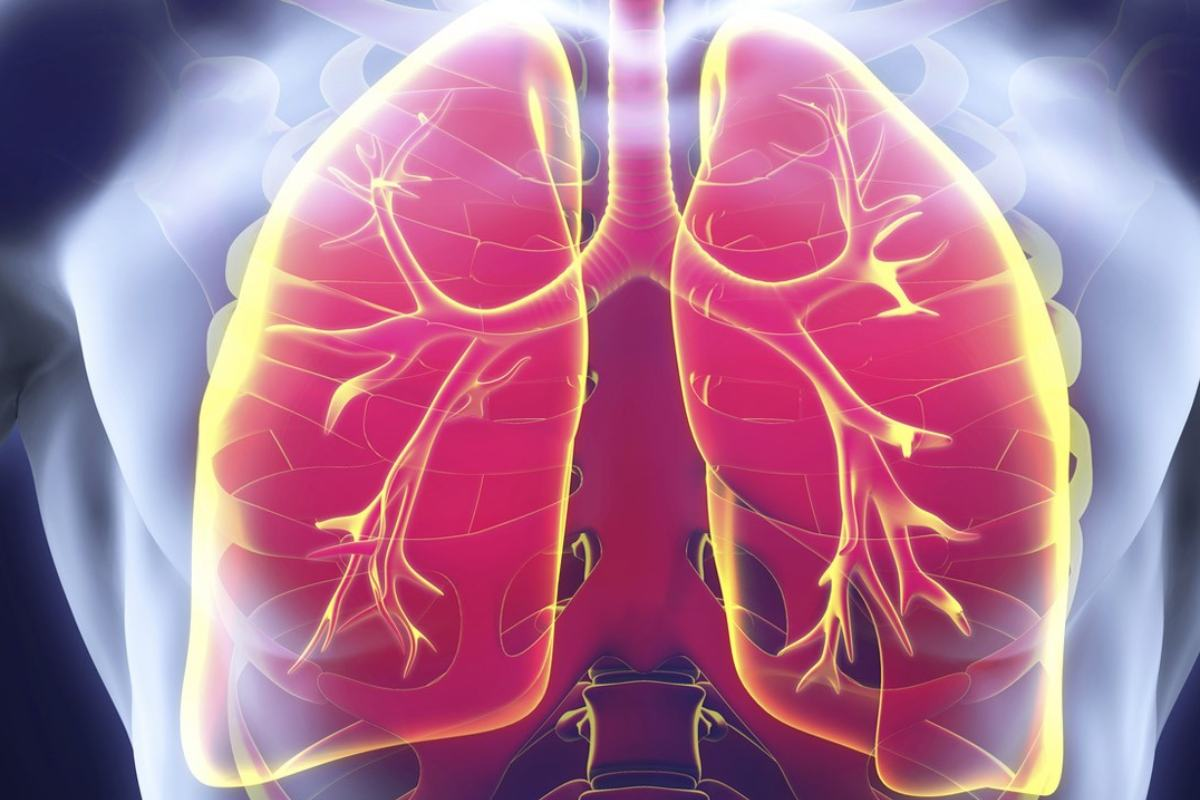
Pneumonia is a big killer worldwide, taking about 2.1 million lives each year, as the 2021 Global Burden of Disease report shows. At Liv Hospital, we focus on caring for our patients with kindness and skill. We follow international standards and use the latest medical knowledge.Explaining the fatal complications detailing how does pneumonia kill you, focusing on sepsis, respiratory failure, and organ damage.
Pneumonia is a serious infection that makes the air sacs in the lungs inflamed. It can fill these sacs with fluid, leading to serious problems, mainly for those who are already weak. It’s important to know how pneumonia can be fatal to catch it early and treat it right.
Key Takeaways
- Pneumonia is a significant cause of death worldwide, claiming 2.1 million lives annually.
- The infection can cause mild to serious illness and is commonly spread by germs we breathe.
- Anyone can get pneumonia, but some people are at increased risk.
- Early recognition and intervention are key to stop fatal complications.
- Pneumonia can lead to severe complications, mainly in vulnerable groups.
The Global Impact of Pneumonia
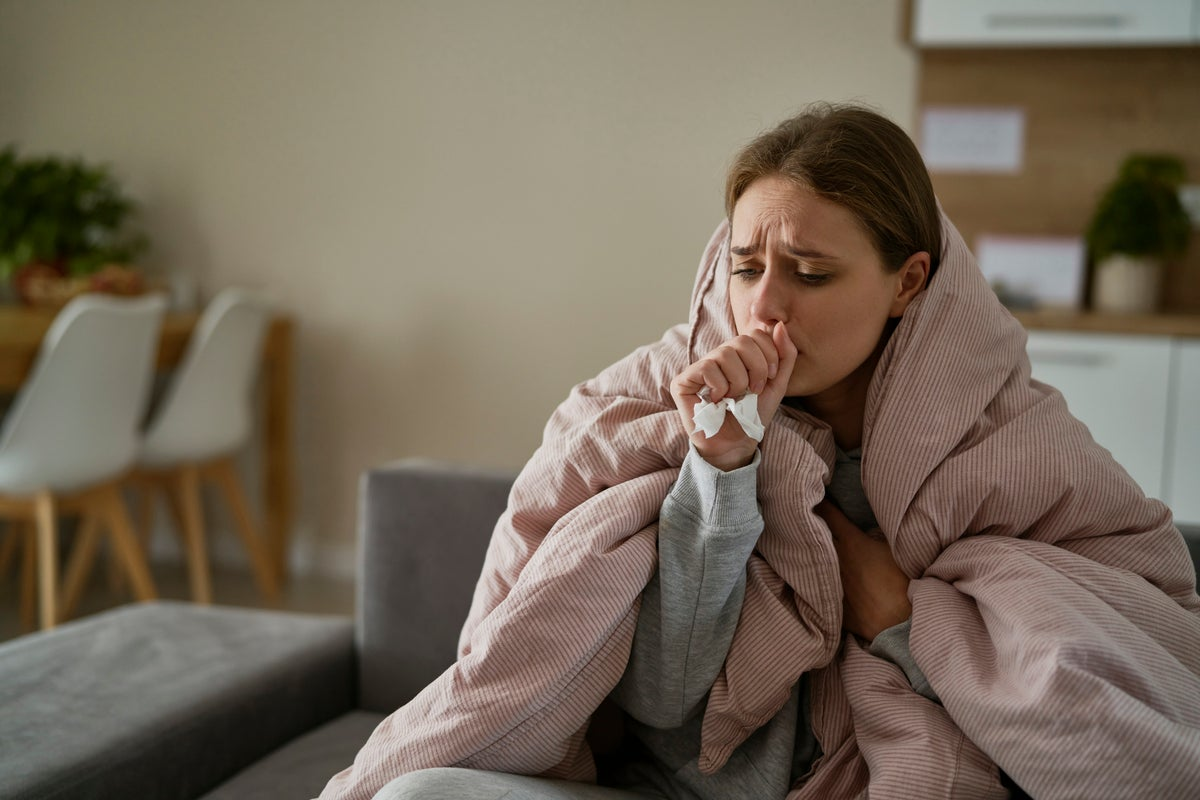
Pneumonia is a big problem worldwide, causing many deaths. It affects millions each year, hitting hard on those who are most vulnerable.
In the U.S., pneumonia leads to thousands of hospitalizations and deaths. The American Lung Association says most of these are adults over 65. This shows how big of a problem pneumonia is, mainly for the elderly.
Pneumonia Mortality Statistics
Pneumonia is a major killer globally. It’s a big worry for children under five and adults over seventy. These groups face the highest risk, leading to hundreds of thousands of deaths.
The death rate from pneumonia varies a lot. In poor countries, it’s a top killer for kids. In rich countries, it mainly affects the elderly.
Most Vulnerable Populations
Some groups are more likely to get pneumonia and face worse outcomes. These include young children, older adults, and those with weak immune systems. People with health issues like heart disease or diabetes are also at higher risk.
Key risk factors for pneumonia include age and health conditions. Smoking and poor nutrition also play a part. Knowing these helps in finding ways to prevent and treat pneumonia.
Healthcare can focus more on these high-risk groups. This means better vaccines, more healthcare access, and teaching people how to prevent pneumonia.
What Is Pneumonia? Understanding the Basics
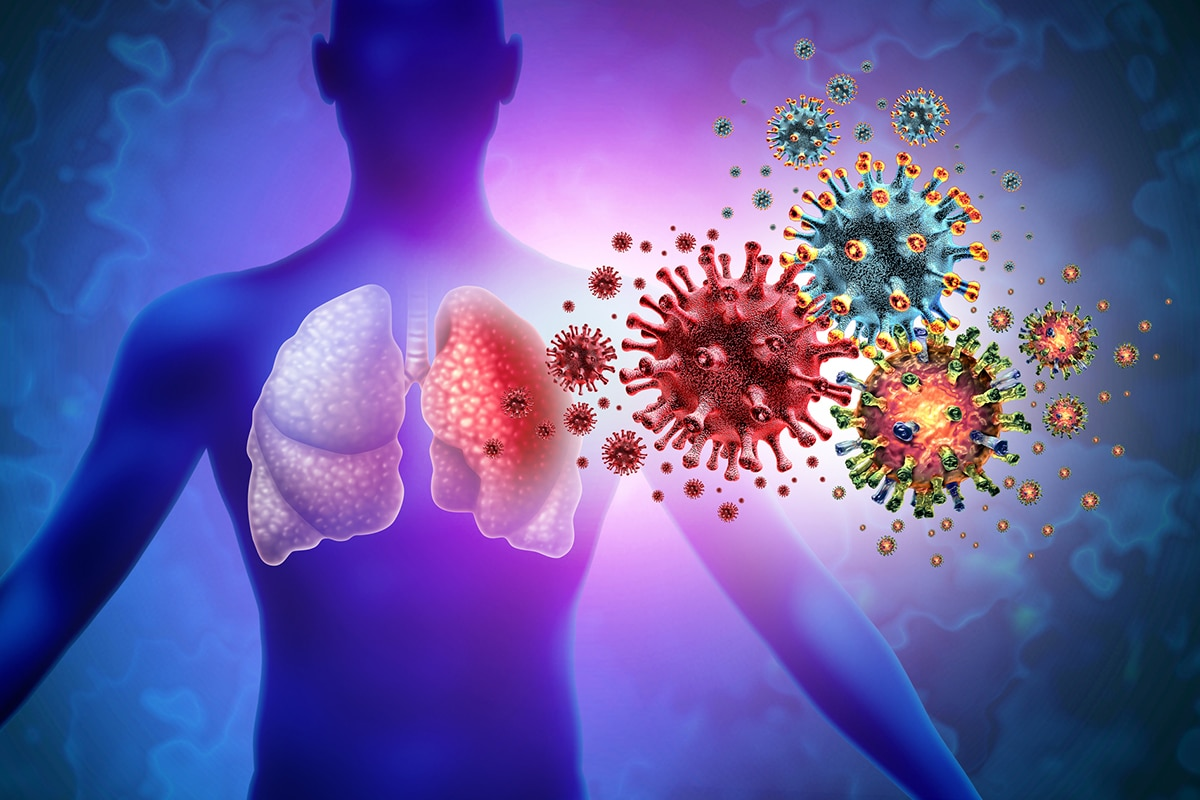
Pneumonia is not just one disease. It’s caused by different things like bacteria, viruses, and fungi. Knowing this is key because it affects how we treat it and how well we can recover.
We’ll look at the different kinds of pneumonia and what causes them. This will help us understand why pneumonia can sometimes be very dangerous.
Types of Pneumonia
Pneumonia is divided into types based on the cause and where it happens. It also depends on who gets it.
- Bacterial Pneumonia: This is caused by bacteria and is often serious. It might need you to stay in the hospital.
- Viral Pneumonia: Viruses like the flu cause this. It’s usually not as bad as bacterial pneumonia but can be serious.
- Fungal Pneumonia: Fungi cause this, mostly in people with weak immune systems.
- Hospital-acquired Pneumonia: This happens in hospitals. It’s often due to tough or resistant bacteria.
- Community-acquired Pneumonia: This happens outside hospitals. It can be caused by many different things.
Common Causes and Pathogens
The main causes of pneumonia change based on where it happens and who gets it.
|
Type of Pneumonia |
Common Pathogens |
|---|---|
|
Bacterial |
Streptococcus pneumoniae, Haemophilus influenzae |
|
Viral |
Influenza virus, Respiratory Syncytial Virus (RSV) |
|
Fungal |
Pneumocystis jirovecii, Cryptococcus neoformans |
Learning about pneumonia’s basics is the first step. It helps us see why it can be so dangerous. The type of pathogen and the person’s health are key in determining how serious it is.
The Pathophysiology of Pneumonia
Pneumonia is a lung infection that starts with pathogens entering the lungs. This leads to inflammation and can cause serious problems.
How Infection Develops in the Lungs
Pneumonia starts when we breathe in pathogens like bacteria or viruses. These invaders reach the alveoli, causing infection and inflammation. The alveoli then fill with fluid and pus, making it hard to breathe.
Medical Expert, “Getting pathogens into the lungs is key to pneumonia. Knowing this helps us find better treatments.”
“Pneumonia’s pathophysiology is complex. It involves the pathogen’s strength, the host’s immune response, and health conditions.”
Medical Expert, Pulmonologist
The Body’s Immune Response
How our body fights pneumonia is very important. When pathogens enter, our immune system springs into action. It uses cells like neutrophils and macrophages to fight off the infection. But, too much inflammation can harm the lungs.
- The immune response involves the activation of various immune cells.
- Inflammation is a key component of the immune response, but it can also cause damage.
- The balance between controlling the infection and minimizing tissue damage is critical.
How Pneumonia Affects the Respiratory System
Pneumonia hurts the respiratory system by making it hard to breathe. The fluid and pus in the alveoli reduce oxygen levels in the blood. This can lead to serious breathing problems.
|
Effect on Respiratory System |
Consequence |
|---|---|
|
Impaired gas exchange |
Hypoxemia |
|
Reduced lung function |
Respiratory distress |
|
Inflammation and tissue damage |
Potential for long-term lung damage |
In conclusion, knowing how pneumonia works is key to understanding its severity. We’ve seen how it starts, how our body responds, and its effects on breathing.
How Does Pneumonia Kill You: The Fatal Mechanisms
Pneumonia can be deadly because of the severe complications it causes. These complications affect not just the lungs but also other vital systems in the body.
Respiratory Compromise and Hypoxemia
Respiratory compromise and hypoxemia are key ways pneumonia can be fatal. When the lungs get infected, they fill with fluid and cells. This makes it hard for the body to get enough oxygen.
This lack of oxygen, or hypoxemia, can harm vital organs. It can even lead to acute respiratory distress syndrome (ARDS). ARDS is a severe lung condition that can be life-threatening.
Systemic Inflammatory Response
Pneumonia can also cause a systemic inflammatory response. This happens when the body’s immune system overreacts and starts damaging its own tissues. This can lead to sepsis, a condition that can be fatal if not treated quickly.
Sepsis can turn into septic shock. This is a condition with severe problems in blood flow, cells, and metabolism. It has a high death rate, making quick treatment critical.
Why Pneumonia Is Deadly
Pneumonia is deadly because it can lead to many severe complications. These include bacteremia, lung abscesses, and organ failure. The infection can spread through the blood or stay in the lungs, causing abscesses.
These complications raise the risk of death. People with health issues or older adults are more at risk. Knowing these risks helps prevent deadly outcomes.
Acute Respiratory Distress Syndrome (ARDS)
ARDS is a serious complication of pneumonia that raises mortality rates. It causes widespread inflammation in the lungs. This leads to poor gas exchange and can be fatal.
Progression to ARDS
Pneumonia can turn into ARDS if it causes severe lung damage. This makes it hard for oxygen to get into the blood. A severe inflammatory response is often the cause.
Several things can lead to ARDS in pneumonia patients. These include the type of infection, the patient’s health, and how quickly and well they are treated.
Mortality Rates in Pneumonia-Induced ARDS
The death rate for ARDS from pneumonia is very high. Studies show it can be up to 30.29%. This shows how serious it is.
It’s important to know why the death rate is so high. Factors include how severe the ARDS is, any other health problems, and the patient’s age.
Treatment Challenges
Treating ARDS in pneumonia patients is tough. The main treatment is supportive care, like using a ventilator to help with breathing. But, this can also harm the lungs.
New treatments, like lung-protective ventilation and prone positioning, are helping. But, managing ARDS is complex. It needs a team effort and careful attention to the patient’s health.
Sepsis and Septic Shock in Pneumonia Patients
Sepsis and septic shock are serious conditions that can happen when pneumonia spreads. When pneumonia infects the lungs, it can move into the bloodstream. This can lead to bacteremia and then sepsis.
How Pneumonia Leads to Sepsis
Pneumonia can turn into sepsis when the infection gets into the bloodstream. This can happen through the infected lung tissue or the lymphatic system. Once in the blood, the infection causes a body-wide inflammatory response.
The process involves several key steps:
- The infection spreads from the lungs into the bloodstream.
- The presence of pathogens in the blood triggers a systemic inflammatory response.
- This response can lead to the release of various cytokines and inflammatory mediators.
The Cascade of Organ Failure
Sepsis can lead to septic shock, a condition with high risk of death. Septic shock affects many organ systems. This can cause a chain reaction of organ failure.
|
Organ System |
Impact of Sepsis/Septic Shock |
|---|---|
|
Respiratory |
Acute respiratory distress syndrome (ARDS) can develop, complicating ventilation. |
|
Cardiovascular |
Hypotension and vasodilation can lead to inadequate perfusion of vital organs. |
|
Renal |
Acute kidney injury (AKI) can occur due to hypoperfusion and inflammation. |
It’s important to know about the risk of sepsis and septic shock in pneumonia patients. Early treatment can greatly improve their chances of recovery.
Risk Factors for Fatal Pneumonia Outcomes
Several risk factors can lead to fatal pneumonia outcomes. It’s important to understand these to prevent and treat pneumonia effectively.
Age-Related Risk Factors
Age is a big risk factor for pneumonia death. Older adults face a higher risk because their lungs and immune systems are weaker. Young children are also at risk due to their developing immune systems.
Comorbidities and Pre-existing Conditions
Health conditions like heart disease, diabetes, and lung disease can make pneumonia worse. These conditions weaken the body’s fight against infections.
Bacterial Strain Virulence
The type of bacteria causing pneumonia matters a lot. Some bacteria, like those resistant to antibiotics, can cause more severe illness.
|
Risk Factor |
Description |
Impact on Pneumonia Outcome |
|---|---|---|
|
Advanced Age |
Decreased lung function and immunity |
Increased susceptibility to severe pneumonia |
|
Comorbidities |
Pre-existing health conditions like heart disease and diabetes |
Complicates pneumonia, increasing the risk of fatal outcomes |
|
Bacterial Strain Virulence |
Antibiotic-resistant bacterial strains |
Leads to more severe pneumonia outcomes |
Recurrent Pneumonia and Long-Term Risks
Recurring pneumonia can harm lung health over time. People can get pneumonia many times in their lives. Each time, it can lead to serious long-term risks.
Frequency of Recurrence
Studies show that people who’ve had pneumonia are more likely to get it again. How often it happens depends on the cause, treatment, and health conditions.
A study found that the risk of getting pneumonia again is highest in the first year. Many cases happen in people with health problems.
“Recurrent pneumonia poses a significant threat to individuals, particularlly those with compromised immune systems or pre-existing lung disease.”
Cumulative Effects on Lung Function
Having pneumonia many times can damage lungs. This can make breathing harder and increase the risk of more infections.
|
Effect on Lung Function |
Short-Term Impact |
Long-Term Impact |
|---|---|---|
|
Reduced Lung Capacity |
Difficulty breathing during exertion |
Chronic shortness of breath |
|
Increased Risk of Infection |
Higher susceptibility to respiratory infections |
Repeated episodes of pneumonia |
|
Chronic Inflammation |
Acute inflammation during infection |
Persistent inflammation, potentially leading to fibrosis |
Strategies for Preventing Recurrence
To stop pneumonia from coming back, we need to take several steps. This includes getting vaccinated, managing health conditions, and living a healthy lifestyle.
Preventive Measures:
- Stay up-to-date with recommended vaccinations
- Manage chronic conditions such as diabetes and heart disease
- Avoid smoking and exposure to secondhand smoke
- Practice good hygiene, including frequent handwashing
By knowing the risks of pneumonia and taking steps to prevent it, we can lower the chance of getting it again. This helps protect our lungs in the long run.
Conclusion: Prevention and Modern Treatment Approaches
It’s important to know how pneumonia can be deadly. This helps us see why stopping it and treating it well are key. We aim to give top-notch healthcare to patients from around the world.
Preventing pneumonia is a big deal. Vaccines, keeping clean, and managing long-term health issues help a lot. These steps can really cut down on pneumonia cases.
Today’s treatments for pneumonia include medicines and care to help patients get better. Mixing these treatments with prevention can make a big difference. It can help save lives and lower pneumonia deaths.
We’re all about giving full care at our place. We focus on stopping pneumonia and treating it. By knowing the risks and taking steps to prevent it, we can fight pneumonia’s global problem together.
FAQ
Is pneumonia a serious infection?
Yes, pneumonia is a serious infection. It inflames the air sacs in the lungs. This can fill them with fluid, leading to severe complications, mainly in vulnerable groups.
Can pneumonia be fatal?
Yes, pneumonia can be fatal. It’s a big risk for the young, the elderly, and those with weak immune systems. This is because it can cause serious breathing problems and a strong inflammatory response.
What are the most vulnerable populations to pneumonia?
The young, the elderly, and those with weak immune systems are most at risk. They face a higher chance of severe complications from pneumonia.
What are the different types of pneumonia?
Pneumonia isn’t just one disease. It’s caused by different pathogens like bacteria, viruses, and fungi. Each type needs a different treatment approach.
How does pneumonia develop in the lungs?
Pneumonia starts when pathogens infect the air sacs in the lungs. This causes inflammation and fluid buildup. It can lead to serious breathing problems and other complications.
Can pneumonia lead to Acute Respiratory Distress Syndrome (ARDS)?
Yes, pneumonia can lead to ARDS. This is a severe condition with inflammation and fluid in the lungs. It greatly increases the risk of death.
How does pneumonia lead to sepsis and septic shock?
Pneumonia can spread to the bloodstream, causing sepsis and septic shock. This triggers a strong inflammatory response. It can lead to organ failure and increase the risk of death.
What are the risk factors for fatal pneumonia outcomes?
Fatal pneumonia outcomes are linked to age, health conditions, and the type of bacteria. These factors can make the infection more severe and increase the risk of complications.
Can you get pneumonia multiple times?
Yes, it’s possible to get pneumonia more than once. Recurrent pneumonia can lead to long-term lung damage and other complications.
How can pneumonia be prevented?
Preventing pneumonia involves vaccination, good hygiene, and managing health conditions. These steps can lower the risk of infection and complications.
Can pneumonia affect the respiratory system long-term?
Yes, pneumonia can cause long-term damage to the respiratory system. This is more likely with recurrent or severe cases, leading to chronic lung problems and other issues.
References
World Health Organization. Evidence-Based Medical Guidance. Retrieved from https://www.who.int/health-topics/pneumonia