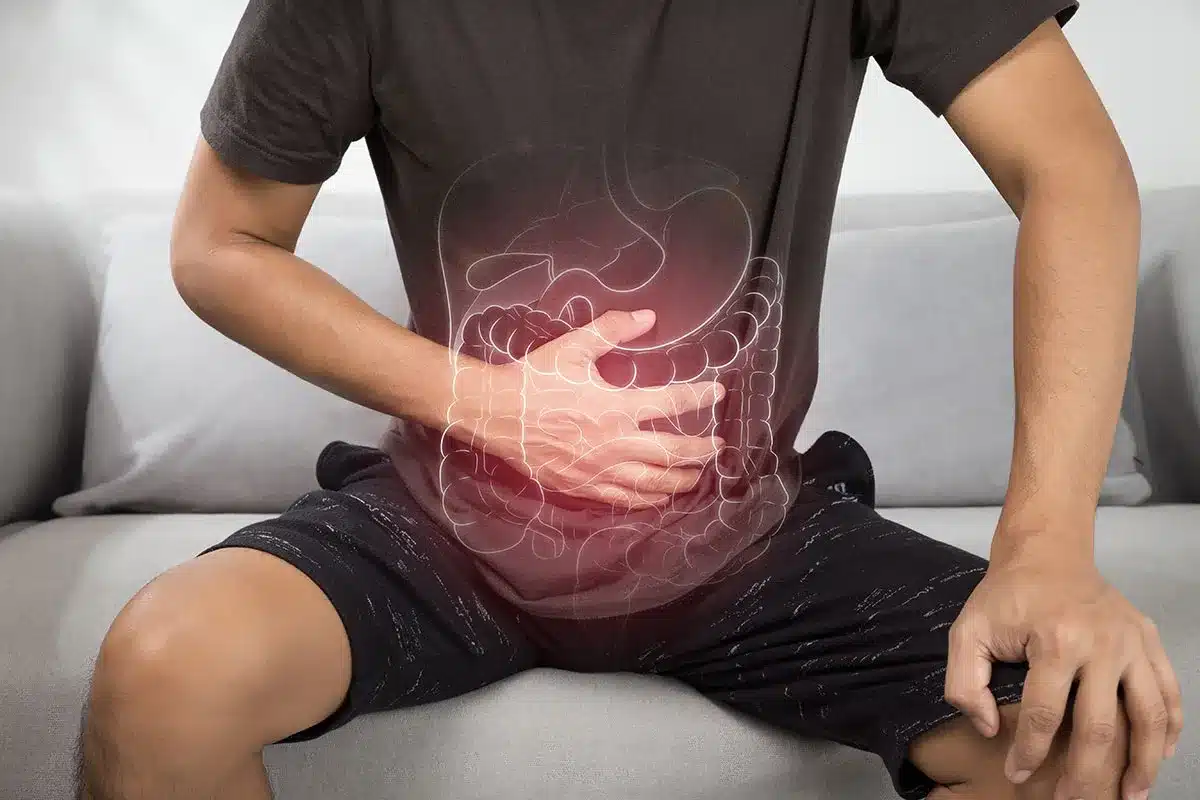
Pleurisy causes sharp, stabbing chest pain that worsens with breathing. This pain often leaves patients wondering about their recovery timeline. At Liv Hospital, we know that the duration of pleurisy varies a lot. This depends on its underlying cause, making early diagnosis and targeted treatment critical to recovery.
The recovery time for pleurisy can vary a lot. It depends on whether it’s triggered by a viral infection, bacterial pneumonia, or more serious conditions. If it’s caused by a viral infection like influenza, relief might come within a week or two.
But, if bacterial pneumonia or conditions like tuberculosis are the cause, the recovery timeline could be longer. This may require antibiotics or additional treatments.
Key Takeaways
- Early diagnosis is key for a speedy recovery from pleurisy.
- The underlying cause of pleurisy greatly influences its duration.
- Viral infections may resolve within a week or two.
- Bacterial pneumonia or serious conditions may need longer treatment and recovery times.
- Targeted treatment, including antibiotics if necessary, is vital for recovery.
Understanding Pleurisy Duration by Cause

To know how long pleurisy lasts, we need to look at its cause. Pleurisy is when the pleura gets inflamed. It can happen from viruses, bacteria, or autoimmune diseases. The time it takes for pleurisy to heal depends on the cause.
Viral Pleurisy Recovery Timeline
Viral pleurisy, like from colds or flu, heals faster. It usually gets better in three to five days. It fully goes away in two to four weeks.
Studies show that over 80% of adults get better in 7–14 days after the virus goes away.
Bacterial Pleurisy Treatment Duration
Bacterial pleurisy needs more treatment, like antibiotics. It takes longer to heal, usually 4–6 weeks. The pain starts to go down in 10 days after starting treatment.
, the right antibiotics are key to getting better.
Autoimmune-Related Pleurisy Persistence
Autoimmune pleurisy is harder to deal with. It can last months or longer. The main goal is to control the autoimmune disease.
Managing the disease is the best way to ease pleurisy symptoms.
In summary, how long pleurisy lasts depends on its cause. Knowing the cause helps us manage expectations and treatment. By understanding the recovery times for viral, bacterial, and autoimmune pleurisy, we can improve patient care.
What Causes Pleurisy to Flare Up and Extend Recovery
Understanding what causes pleurisy flare-ups is key to getting better. Pleurisy is an inflammation of the pleura that can be made worse by several factors. These factors can slow down the healing process.
Research shows that lifestyle choices and health conditions can affect how long pleurisy lasts. We’ll look at these factors to help you understand how to manage and possibly shorten your recovery time.
Smoking and Its Impact on Healing
Smoking can make pleurisy recovery take longer. Studies show smokers need about a week more to heal than non-smokers. A medical expert notes,
Smoking’s harm to the lungs is well-known, and its effect on pleurisy recovery is alarming. Not smoking can help reduce recovery time and improve health outcomes.
Age and Existing Health Conditions
Age and health conditions also play a big role in how fast you recover from pleurisy. Older people or those with health issues may take longer to get better. As we age, our healing abilities slow down, making it vital to manage health conditions well.
Also, those with pre-existing conditions might need closer monitoring and care. Healthcare providers must consider these factors when planning treatment for pleurisy patients.
Inadequate Treatment or Misdiagnosis
Not getting the right treatment or being misdiagnosed can also extend pleurisy recovery. If the cause of pleurisy isn’t found or treated right, it can keep going, making recovery longer. It’s important for doctors to do thorough tests to find the cause and plan the right treatment.
By making sure patients get the right treatment on time, doctors can reduce the chance of a long recovery. We emphasize the importance of accurate diagnosis and effective treatment in managing pleurisy.
Effective Recovery Strategies for Pleurisy
To manage pleurisy and reduce its duration, it’s key to use effective recovery strategies. Recovering from pleurisy requires a mix of medical treatments, lifestyle changes, and self-care.
Medical Treatments That Speed Recovery
Medical treatments are vital for recovering from pleurisy, mainly when it’s caused by bacteria. Antibiotics are given for bacterial pleurisy to kill the infection. It’s important to finish all antibiotics as told by your doctor to clear the infection fully.
For viral pleurisy, treatments aim to ease symptoms. Anti-inflammatory medications like ibuprofen can lessen chest pain and swelling. Sometimes, corticosteroids are used to lower inflammation.
| Medical Treatment | Description | Benefits |
| Antibiotics | Prescribed for bacterial pleurisy to eliminate infection | Effectively clears bacterial infection, reducing recovery time |
| Anti-inflammatory medications | Relieves chest pain and reduces inflammation | Manages symptoms, improving comfort during recovery |
| Corticosteroids | Decreases inflammation in some cases of pleurisy | Reduces inflammation, potentially shortening recovery duration |
Home Remedies and Self-Care Approaches
Along with medical treatments, home remedies and self-care can help with recovery. Rest is essential for healing. Avoiding hard activities and getting enough sleep can shorten pleurisy time.
Applying a warm compress on the chest can ease pain. Drinking lots of fluids is also key, as it thins mucus and boosts health.
When to Seek Additional Medical Help
While many pleurisy cases can be managed, sometimes more medical help is needed. If symptoms get worse, like more chest pain, trouble breathing, or fever, get help right away.
It’s also vital to follow up with your doctor to make sure pleurisy is gone and to handle any ongoing issues.
By mixing medical treatments with home remedies and knowing when to get more help, you can manage pleurisy well and shorten its time.
Conclusion
Knowing what affects pleurisy recovery time is key. The time it takes to get better from pleurisy changes a lot. It depends on the cause. Usually, pleurisy from a viral infection can heal in a few days to weeks.
Most people with pleurisy can get better in a few weeks with the right treatment. For example, bacterial pleurisy treated with antibiotics can start to get better in a few days. But, how long the pain lasts can vary. It’s important to follow a detailed recovery plan to manage symptoms and avoid problems.
By using effective recovery strategies, like taking medicines as directed, resting well, and not smoking, patients can do better. We suggest sticking to a treatment plan made for the specific cause of pleurisy for a quick and successful recovery. The time it takes to recover from pleurisy can be from a few days to weeks. Knowing this helps manage expectations and ensures a full recovery.
FAQ:
How long does it take to recover from pleurisy?
Recovery usually takes 1–3 weeks, depending on the underlying cause.
How long does pleuritic pain last?
Pleuritic pain often lasts a few days to a few weeks, gradually improving with treatment.
Can pleurisy last for months?
Yes, if caused by chronic conditions or complications, pleurisy can persist for months.
What factors can prolong the recovery period for pleurisy?
Underlying infections, autoimmune conditions, smoking, or delayed treatment can extend recovery.
How can I aid in my recovery from pleurisy?
Rest, pain management, treating the underlying cause, and avoiding strenuous activity can help recovery.
When should I seek additional medical help for pleurisy?
Seek help if pain worsens, fever develops, shortness of breath occurs, or symptoms persist beyond a few weeks.
How long does it take for pleurisy to heal?
Healing generally occurs within 1–3 weeks with proper treatment, but underlying conditions may extend it.
What is the impact of smoking on pleurisy recovery?
Smoking can delay healing, worsen inflammation, and increase the risk of complications.
References:
National Center for Biotechnology Information. Evidence-Based Medical Insight. Retrieved from https://pubmed.ncbi.nlm.nih.gov/28581250/