

Recent studies show that exercise boosts brain function in people of all ages. It helps with thinking, learning, solving problems, and feeling emotionally balanced. Adding physical activity to your day can make you smarter and more adaptable.
Regular exercise also improves your health. Even short periods of activity can improve memory and thinking. Liv Hospital offers personalized exercise plans to help you reach your best.
Key Takeaways
- Exercise enhances cognitive performance across all age groups.
- Physical activity improves emotional balance and overall well-being.
- Regular exercise can boost memory and thinking skills.
The Science Behind Brain Boosting Through Physical Activity
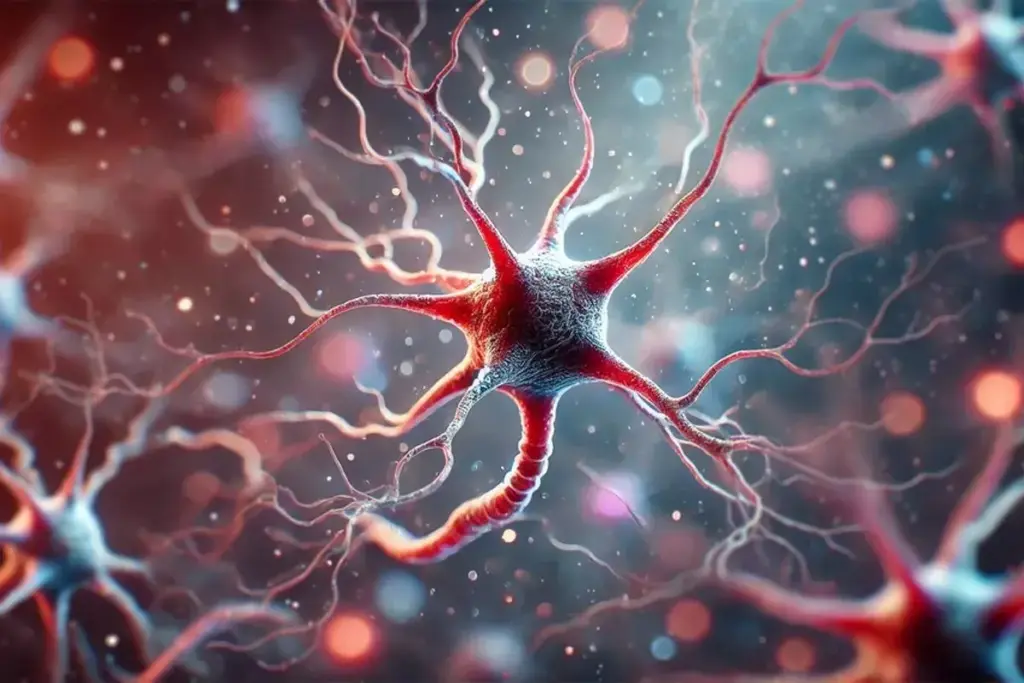
- Recent studies show exercise boosts brain power. They found a link between physical activity and brain health. Exercise makes brain connections stronger, helping with learning and memory.
How Exercise Increases BDNF and Strengthens Neural Connections
- Exercise boosts BDNF (Brain-Derived Neurotrophic Factor), a key protein for brain cells. More BDNF means better brain function and less risk of brain diseases. Regular exercise strengthens neural connections, making the brain more adaptable.
Improved Cerebral Blood Flow and Memory Enhancement
- Exercise also boosts cerebral blood flow, giving the brain what it needs to work well. Better blood flow means better memory and thinking skills. Studies show exercise improves memory, attention, and thinking, lowering the risk of brain decline.
Protection Against Cognitive Decline and Brain Atrophy
- Regular exercise protects against cognitive decline and brain atrophy. It keeps the brain healthy and strong. Adding exercise to your life helps keep your brain in top shape.
- In conclusion, science backs up the idea that exercise boosts brain function. Understanding how exercise helps the brain can guide better exercise choices. This maximizes the brain benefits of physical activity.
Choose the Right Exercise Types for Maximum Cognitive Benefits

- Choosing the right exercise can boost your brainpower. Let’s explore the best options. Understanding the benefits of different exercises is key to maximizing cognitive gains.
Aerobic Exercise: Running, Swimming, and Aquatic Programs
- Aerobic exercises like running and swimming improve brain function by boosting blood flow. Studies show that short aerobic sessions can enhance memory in older adults. Both aquatic and land-based programs offer similar cognitive benefits.
- Aerobic Exercise Benefits:
- Improved cardiovascular health
- Enhanced cognitive function
- Increased cerebral blood flow
Resistance Training for Hippocampus and Precuneus Health
- Resistance training is more than just building muscle. It’s also vital for brain health. It supports the health of the hippocampus and precuneus, key areas for memory and cognitive processing.
- Key Benefits of Resistance Training:
- Muscle strength improvement
- Support for hippocampus and precuneus health
- Enhanced overall brain function
Mind-Body Exercises: Dance and Tai Chi for Superior Results
- Mind-body exercises like dance and Tai Chi combine physical movement with mental focus. These exercises improve cognitive function and lower cognitive decline risk.
| Exercise Type | Cognitive Benefits |
| Dance | Improved memory, coordination, and cognitive flexibility |
| Tai Chi | Enhanced balance, reduced stress, and improved cognitive function |
Multimodal Training: Combining Multiple Exercise Modalities
- Multimodal training mixes different exercises, like aerobic, resistance, and mind-body. This approach provides a well-rounded workout for the brain, maximizing cognitive benefits.
- Benefits of Multimodal Training:
- Varied and engaging workout routine
- Comprehensive cognitive benefits
- Reduced risk of cognitive decline
- Adults who sit less and do any moderate- or vigorous-intensity physical activity gain health benefits. For the most benefit, adults need at least 150 minutes of moderate-intensity physical activity weekly or 75 minutes of vigorous-intensity activity. By mixing the right exercises, you can unlock your brain’s full power and enjoy a healthier, more resilient brain.
Conclusion
- Exercise is a powerful tool for keeping the brain strong and adaptable at any age. By adding physical activity to your life, you can see many benefits. These include better cognitive function, less cognitive decline, and improved brain health.
- Combining different types of exercise, like aerobic, resistance, and balance training, is best. This approach leads to better cognitive outcomes than doing just one type of exercise.
- Doing social activities that involve movement and talking is great for your brain. Whether it’s running, swimming, or tai chi, finding the right exercise routine is key. Humans do best when they mix physical activity with mental challenges.
- Start your brain-boosting journey today to unlock your brain’s full power. Exercise is more than just physical health. It boosts your confidence, modernizes your wellness approach, and enhances your experience of movement.
- Your glow-up story begins with every step, stroke, and mindful moment. So, start now and see the difference in your cognitive well-being.
FAQ
How does exercise impact brain function?
Exercise improves blood flow, oxygen delivery, and nutrient supply to the brain, supports the growth of new neurons, enhances memory and learning, and helps regulate mood and stress, contributing to overall cognitive health.
What type of exercise is best for brain health?
A combination of aerobic exercise, resistance training, and mind-body activities like tai chi or yoga is most beneficial, as each type supports different aspects of brain function, including memory, attention, and emotional regulation.
How does aerobic exercise benefit the brain?
Aerobic exercise increases cardiovascular fitness, boosts blood flow to the brain, promotes neurogenesis, and improves executive function, memory, and attention. It also helps reduce the risk of cognitive decline and mood disorders.
Can resistance training really benefit brain health?
Yes, resistance training strengthens muscles and bones while also enhancing brain function by improving executive function, attention, and memory, and reducing the risk of age-related cognitive decline.
How do mind-body exercises like tai chi and dance impact brain health?
Mind-body exercises combine movement, balance, coordination, and mental focus, which stimulate neural pathways, improve cognitive flexibility, reduce stress, and support emotional well-being.
Is it necessary to combine different types of exercise for maximum cognitive benefits?
Combining aerobic, resistance, and mind-body exercises provides the most comprehensive benefits for the brain, as it targets multiple aspects of cognitive health, physical fitness, and emotional resilience.
How often should I exercise to see cognitive benefits?
Engaging in moderate-intensity exercise most days of the week, typically 150 minutes of aerobic activity plus two sessions of resistance training, is recommended to support brain health and cognitive function.
Can exercise really protect against cognitive decline?
Yes, regular exercise has been shown to slow age-related cognitive decline, reduce the risk of dementia, and improve overall brain resilience by promoting neuroplasticity and supporting healthy neural networks.
References
National Center for Biotechnology Information. Evidence-Based Medical Insight. Retrieved from https://pmc.ncbi.nlm.nih.gov/articles/PMC3951958/).