
Strong bones are the base of a healthy body. They give structure, protect organs, and hold muscles in place. By age 20, most of our adult bone mass is already built. This makes early choices about what we eat and how we exercise very important for strong bones later on.Learn how to build strong bones. This essential guide outlines 7 key steps, including diet and exercise, for optimal skeletal health.
Nutrition and physical activity are very important for keeping bones healthy all our lives. Eating foods rich in calcium and vitamin D, and doing exercises that help bones grow, are key. This helps lower the chance of osteoporosis and fractures.
At Liv Hospital, we help you follow steps backed by science to keep your bones strong. Our method mixes the latest medical knowledge with care tailored just for you. This way, you get the support you need for strong bones all your life.
Key Takeaways
- Strong bones are key for good health and structure.
- Nutrition and exercise are vital for bone health.
- Calcium and vitamin D are must-have nutrients for strong bones.
- Exercises that help bones grow can lower fracture risk.
- A complete plan is needed to keep bones healthy.
The Foundation of Bone Health
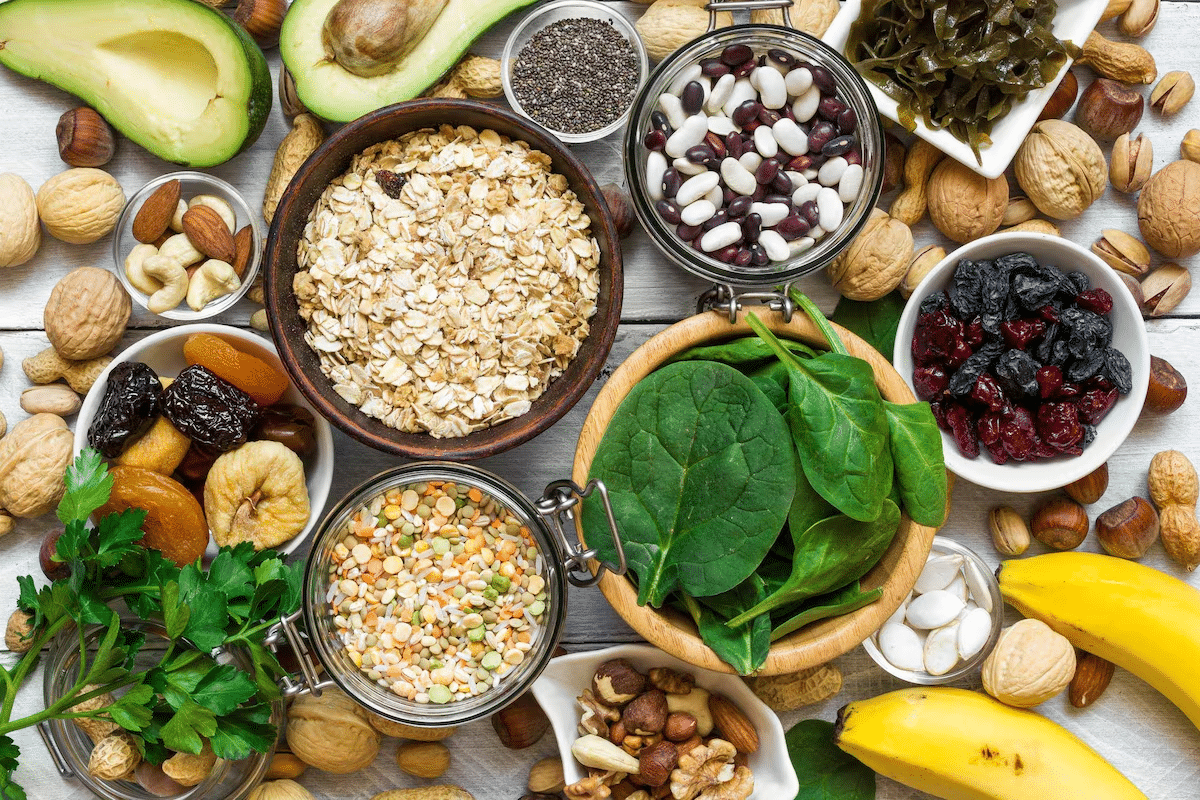
To build strong bones, we must first understand their structure and function. Our bones are not just static; they are dynamic tissues that change throughout our lives.
Understanding Bone Structure and Function
Bones give our bodies shape, support muscles, protect organs, and help us move. The health of our bones is key to our overall well-being. Bone structure and function are vital for muscle strength, movement, and balance.
The bone matrix is made of collagen and minerals like calcium and phosphorus. These elements give bones their strength and rigidity. Knowing this helps us see how bones react to nutrition and lifestyle choices.
Why Bone Health Matters at Every Age
Bone health is important at every age. As we get older, the risk of osteoporosis and fractures grows. Prioritizing bone health can significantly reduce the risk of bone-related disorders.
|
Age Group |
Bone Health Considerations |
Actions for Strong Bones |
|---|---|---|
|
Children and Teenagers |
Building bone mass |
Ensure adequate calcium and vitamin D intake, engage in weight-bearing exercises |
|
Adults |
Maintaining bone density |
Continue weight-bearing exercises, monitor calcium and vitamin D levels |
|
Seniors |
Preventing bone loss |
Regular bone density tests, maintain a balanced diet rich in calcium and vitamin D |
By understanding bone health and taking action, we can keep our bones strong. This is key for our overall health and well-being.
The Critical Window for Bone Development
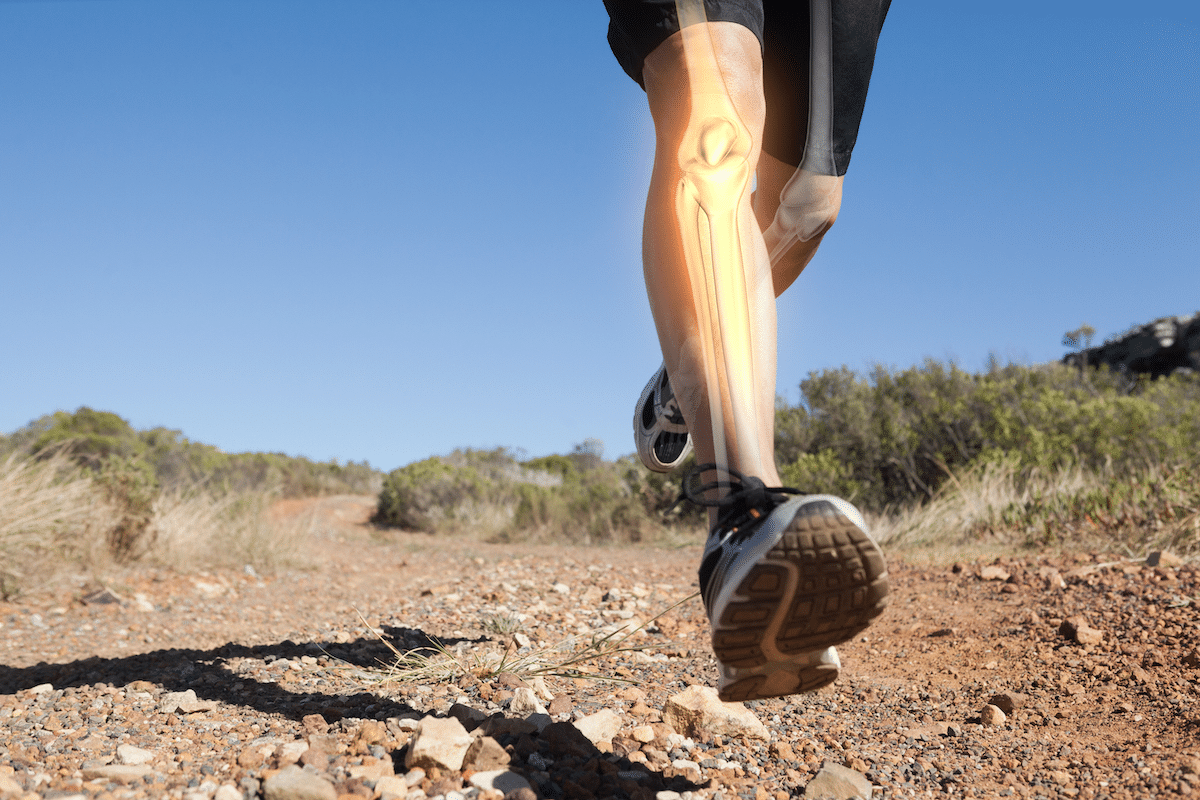
The teenage years are key for bone growth, setting the stage for a strong skeleton. By age 20, the body has built almost 90 to 95 percent of its adult bone mass. This foundation is essential for health and helps prevent osteoporosis and fractures later.
Adolescence: Building Your Skeletal Foundation
Teenage years are a time of fast growth and bone building. Bone remodeling, where old bone is replaced with new, happens a lot then. To support this, eating right and staying active are key, focusing on calcium and vitamin D and weight-bearing exercises.
- Eating a balanced diet rich in calcium and vitamin D
- Engaging in weight-bearing exercises like running, jumping, and strength training
- Avoiding excessive intake of substances that can interfere with bone health, such as excessive caffeine and alcohol
Peak Bone Mass: Achieving 90-95% by Age 20
Peak bone mass is the highest bone tissue amount reached by the end of growth. It’s important for long-term bone health. Genetics, diet, and lifestyle play big roles in reaching this peak. Eating enough calcium and vitamin D and exercising regularly are key during these years.
To reach peak bone mass, follow these tips:
- Maintain a balanced diet that includes foods rich in calcium and vitamin D
- Engage in regular weight-bearing and resistance exercises
- Monitor and manage factors that could negatively impact bone health, such as smoking and excessive alcohol consumption
Step 1: Optimize Your Calcium Intake
Building strong bones starts with getting enough calcium every day. Calcium is key for bone health. It’s important for keeping bones strong throughout our lives.
Different ages need different amounts of calcium. Meeting these needs is key for good bone health.
Daily Calcium Requirements by Age Group
The amount of calcium we need changes with age. Adults 19 to 50 and men 51 to 70 need 1,000 milligrams (mg) of calcium daily. Knowing this helps us plan our diet and supplements.
|
Age Group |
RDA for Calcium (mg/day) |
|---|---|
|
1-3 years |
700 |
|
4-8 years |
1,000 |
|
9-18 years |
1,300 |
|
19-50 years |
1,000 |
|
51-70 years (men) |
1,000 |
|
51-70 years (women) |
1,200 |
|
71 years and older |
1,200 |
Top Food Sources of Calcium
Calcium is in many foods. Dairy products like milk, cheese, and yogurt are great sources. Leafy greens like turnip greens and kale are also rich in calcium. Canned salmon and sardines with bones, and some soy products like tofu, are good too.
When to Consider Calcium Supplements
While food should be our main source of calcium, supplements can help if we don’t get enough. If you can’t get enough calcium from food, talk to a healthcare provider about supplements.
By knowing our calcium needs and eating foods rich in calcium, we can help build and keep strong bones.
Step 2: Ensure Adequate Vitamin D for Calcium Absorption
Having enough vitamin D is key for good bone health. It helps our bodies use calcium from food, which is vital for strong bones.
The Calcium-Vitamin D Connection
Vitamin D and calcium work together for bone health. Calcium builds bones, and vitamin D helps our bodies use it. Without enough vitamin D, we can’t absorb calcium well, which weakens bones.
The Recommended Dietary Allowance (RDA) of vitamin D for adults aged 19 to 70 is 600 international units (IUs) per day. This amount can change based on age, skin color, and sunlight exposure.
Sources of Vitamin D: Sunlight and Diet
There are many ways to get enough vitamin D. The main source is sunlight, which makes vitamin D in our skin. But, skin color, age, and where you live can affect this.
Food like fatty fish, fortified dairy, and some cereals also have vitamin D. But, it’s hard to get enough from food alone.
Vitamin D Supplementation Guidelines
If we can’t get enough vitamin D from sunlight and food, supplements might be needed. Always talk to a doctor before starting supplements. They can help figure out the right amount for you.
|
Age Group |
RDA of Vitamin D (IUs/day) |
Common Sources |
|---|---|---|
|
19-70 years |
600 |
Sunlight, fatty fish, fortified dairy products |
|
71 years and older |
800 |
Sunlight, fatty fish, fortified dairy products, supplements |
Knowing how important vitamin D is and keeping levels up helps our bones and overall health.
Step 3: Engage in Weight-Bearing Exercises
Weight-bearing exercises are key to strong bones and keeping bone density up. These activities make you move against gravity while standing. This strengthens your bones.
How Exercise Stimulates Bone Formation
Weight-bearing exercises start bone growth through mechanotransduction. This process turns exercise forces into signals for bone growth. Regular exercise boosts bone mineral density, lowering osteoporosis and fracture risks.
Exercise triggers the release of osteoblasts, bone-building cells. As we move, muscles pull on bones, causing micro-tears. This signals the body to repair and strengthen bones. This ongoing bone remodeling keeps bones strong.
Best Weight-Bearing Activities for Bone Health
Many activities are good for bone health. These include:
- Brisk walking
- Jogging or running
- Stair climbing
- Dancing
- Hiking
- Playing sports like tennis or basketball
These activities boost bone density and improve heart health and muscle strength. Choose activities you like and that fit your life for lasting benefits.
Creating an Exercise Routine for Maximum Bone Benefit
To get the most from weight-bearing exercises, create a balanced routine. We suggest:
- Do at least 30 minutes of weight-bearing exercise daily, most days.
- Include both low-impact (like brisk walking) and high-impact (like jogging) activities.
- Slowly increase workout intensity and time to keep improving bone density.
Talking to a healthcare professional or fitness expert can help craft a plan that suits you.
Step 4: Incorporate Strength Training for Muscle Support
Strength training is key for strong bones and muscles. It helps a lot with bone health. Let’s see how it helps.
The Muscle-Bone Connection
Muscles and bones work together. Muscle mass and bone density are closely linked. Stronger muscles mean denser bones.
When we do strength training, we build muscle and bones. It’s not just about muscles. It’s about bones too.
Studies show that weight lifting and bodyweight exercises boost bone density. This mechanical stress makes bones stronger.
Effective Strength Training Exercises for Bone Health
Adding different strength training exercises to your routine is good for bones. Some great ones are:
- Weight lifting: Squats, deadlifts, and bench presses are good for many muscles.
- Bodyweight exercises: Push-ups, pull-ups, and squats build strength without weights.
- Resistance band exercises: These are easy to use anywhere and are a good weight alternative.
Creating a balanced strength training routine is important. Try to work out 2-3 times a week. Make sure to target all major muscle groups. Also, increase the intensity of your workouts to keep challenging your muscles and bones.
Strength training helps your muscles and bones. It makes your skeleton stronger. This is important for keeping bones healthy and preventing osteoporosis and fractures.
How to Build Strong Bones Through Balanced Nutrition
Nutrition is key for strong bones, more than just calcium. A balanced diet gives bones the nutrients they need. It supports the skeletal system and overall health.
Beyond Calcium: Other Essential Minerals for Bone Health
Calcium is important, but other minerals are vital too. Phosphorus and magnesium help form and strengthen bones. Phosphorus and calcium work together in bones. Magnesium helps with bone growth and affects bone cells.
Potassium, zinc, and iron also help bones in different ways. Potassium keeps bones healthy by maintaining an alkaline environment. Zinc is important for bone metabolism. Iron helps deliver oxygen to bone cells.
Bone-Healthy Eating Patterns
Eating for bone health means eating a variety of nutrient-rich foods. The Mediterranean diet is good for bones. It includes fruits, vegetables, whole grains, and healthy fats.
- Eat a variety of fruits and vegetables for vitamins and minerals.
- Choose whole grains over refined ones for more nutrients.
- Include lean proteins and healthy fats for overall health.
Foods That May Harm Bone Health
Some foods can harm bones. Too much sodium can lead to bone weakening. High amounts of caffeine and alcohol can also hurt bone health.
Knowing which foods to limit can help support bone health. Avoid foods that harm bones and focus on a balanced diet. This is a good way to keep bones strong.
Step 5: Maintain a Healthy Weight and Lifestyle
Keeping a healthy weight and lifestyle is key for strong bones. It’s not just about what we eat or exercise. Our whole lifestyle matters too.
The Impact of Body Weight on Bone Density
Our body weight affects our bones directly. Being too thin or too heavy can harm our bones. Being underweight can make bones weak, while being overweight adds extra stress.
Studies show that being under or overweight raises the risk of osteoporosis and fractures. It’s vital to keep a healthy weight to support our bones and prevent bone disorders.
To stay healthy, we need a balanced diet and regular exercise. Eating foods rich in calcium and vitamin D is important. Also, doing weight-bearing exercises and strength training helps keep a healthy weight and strong bones.
Lifestyle Factors That Affect Bone Health
Other lifestyle factors also affect our bones. Smoking and drinking too much alcohol harm our bones. Smoking lowers bone mass and messes with hormone production. Drinking too much alcohol can upset calcium balance and bone growth.
To support our bones, we should live a healthy lifestyle. Avoid smoking and drinking too much, eat well, and exercise regularly. This includes activities that strengthen our bones.
By choosing a healthy lifestyle, we can greatly improve our bone health. It’s about finding a balance that benefits our overall health, not just our bones.
Step 6: Regular Bone Health Monitoring
Keeping an eye on our bone health is key to staying healthy. By tracking our bone density, we can spot changes early. This helps us prevent or slow bone loss.
Bone Density Tests: When and Why
Bone density tests are vital for checking our bone health. They measure bone density to catch problems early. These tests are suggested for people over 65, or sooner if there’s a family history of osteoporosis or other risks.
The results of these tests show our risk of fractures and osteoporosis. Talking to a doctor about the results helps us know what to do next.
|
Age Group |
Recommended Frequency of Bone Density Tests |
Risk Factors to Consider |
|---|---|---|
|
65 and older |
Every 2-3 years |
Family history, previous fractures, smoking |
|
50-64 |
As recommended by a healthcare professional |
Menopause, low body weight, certain medications |
|
Under 50 |
As needed based on individual risk factors |
Previous fractures, chronic conditions, family history |
Recognizing Early Warning Signs of Bone Loss
Knowing the early signs of bone loss is important. Look out for recurring back pain, loss of height, or a stooped posture.
Spotting these signs early and talking to a doctor can help. Regular checks and awareness can lower the risk of osteoporosis and fractures.
In summary, keeping an eye on our bone health is essential. Understanding bone density tests and recognizing early signs helps us protect our bones. This way, we can stay strong for years to come.
Step 7: Address Special Considerations for Different Life Stages
It’s important to know how bones change at different ages to keep them strong. As we get older, our bones go through changes that need special care.
Children and Teenagers: Building the Foundation
When kids are young, they start building strong bones for life. They need lots of calcium and vitamin D in their diet. Weight-bearing exercises like running and dancing help bones grow strong.
Parents can help by:
- Feeding kids a diet full of calcium and vitamin D
- Getting them to move a lot
- Keeping sugary drinks and foods that block calcium away
Adults: Maintaining Bone Mass
For adults, it’s all about keeping bones strong and preventing them from getting weaker. Eating right and exercising regularly is key. Adults should do strength training to keep muscles and bones healthy.
Adults should:
- Eat enough calcium and vitamin D
- Do exercises that make bones and muscles strong
- Stay away from smoking and too much alcohol
Seniors: Preventing Age-Related Bone Loss
As we get older, the risk of osteoporosis and breaking bones goes up. Seniors can help their bones by:
- Getting regular bone density tests
- Doing exercises that help them stay balanced
- Eating foods rich in calcium and vitamin D, or taking supplements if needed
It’s also very important to prevent falls. Simple things like clearing tripping hazards and better lighting can help a lot.
|
Life Stage |
Bone Health Focus |
Key Strategies |
|---|---|---|
|
Children and Teenagers |
Building bone foundation |
Adequate calcium and vitamin D, weight-bearing exercises |
|
Adults |
Maintaining bone mass |
Balanced diet, strength training, healthy lifestyle |
|
Seniors |
Preventing age-related bone loss |
Bone density tests, fall prevention, calcium and vitamin D |
By understanding and addressing the special needs at each life stage, we can take care of our bones all our lives.
Conclusion: Your Lifelong Journey to Strong Bones
Building strong bones is a lifelong journey. It needs ongoing attention to nutrition, exercise, and lifestyle choices. By following the 7 essential steps in this article, you can start a path to strong bones for life.
Protecting bone health is key at every stage of life. We’ve looked at the important parts of bone health. This includes getting enough calcium and vitamin D, doing weight-bearing exercises, and keeping a healthy weight.
By taking a complete approach to bone health, we can make smart choices for our bones. This journey to strong bones is a commitment to our overall health. It helps us stay active and healthy at any age.
FAQ
What are the essential nutrients for building strong bones?
Calcium, vitamin D, and minerals like magnesium and phosphorus are key for bones. Eating foods rich in these nutrients is important.
How does exercise impact bone health?
Exercise, like weight-bearing and strength training, helps bones grow stronger. It lowers the risk of osteoporosis and fractures.
What is the critical window for bone development?
Bone development peaks in adolescence, with most bone mass built by age 20. Good nutrition and exercise during this time are critical.
How much calcium do I need daily?
Adults need 1,000-1,200 mg of calcium daily. Teenagers need 1,300 mg.
What are the best food sources of calcium?
Dairy, kale, broccoli, fortified plant-based milk, and tofu are great for calcium.
Why is vitamin D important for bone health?
Vitamin D helps the body use calcium. It’s vital for strong bones.
How can I maintain a healthy weight for bone health?
Eating well and exercising helps keep bones strong. It lowers the risk of osteoporosis and fractures.
What lifestyle factors affect bone health?
Smoking and too much alcohol harm bones. A healthy lifestyle supports strong bones.
When should I consider bone density tests?
Tests are for those at risk, like postmenopausal women and older adults. They check bone health early.
How can I build strong bones throughout my life?
A balanced diet, exercise, and healthy choices are key. They help keep bones strong and reduce fracture risk.
What are the signs of bone loss?
Signs include back pain, loss of height, or fractures. Tests can catch bone loss early.
Which minerals are specially important for bone growth in teenagers?
Calcium, vitamin D, magnesium, and phosphorus are vital for bone growth in teens.
How to get strong bones?
Strong bones come from good nutrition, exercise, and a healthy lifestyle. Include calcium, vitamin D, and weight-bearing activities in your routine.
References
Government Health Resource. Evidence-Based Medical Guidance. Retrieved from https://www.bmj.com/content/339/bmj.b3692