

Dementia affects about 42% of adults over 55 at some point. It costs the US over $600 billion a year. But, new research from the Advanced Cognitive Training for Independent and Vital Elderly (ACTIVE) study gives hope. It shows that certain cognitive exercises for dementia can cut dementia risk by 25% for up to 20 years.
Doing brain activities for Alzheimer’s patients and memory exercises for dementia daily can help. It’s a way to keep your mind sharp. This method also fits with places like Liv Hospital’s goal to use the latest, proven methods.
Key Takeaways
- Engage in targeted cognitive exercises to reduce dementia risk.
- Incorporate memory exercises into daily routines for cognitive health.
- Recent studies show a 25% reduction in dementia risk with specific brain activities.
- Early intervention can lead to long-term cognitive health benefits.
- Evidence-based interventions are key for keeping your mind sharp.
Understanding the Science Behind Brain Exercises to Prevent Dementia

Recent studies have shown that brain exercises can lower dementia risk. They work by improving the brain’s ability to change and adapt, known as neuroplasticity.
Research shows certain brain exercises can boost cognitive reserve. This helps protect against cognitive decline. The ACTIVE study is a key example, highlighting the impact of different training programs.
The ACTIVE Study: 25% Reduction in Dementia Risk
The ACTIVE study looked at three cognitive training types: speed of processing, memory, and reasoning. Speed of processing training showed a significant drop in dementia risk.
Key Findings from the ACTIVE Study:
| Cognitive Training Type | Reduction in Dementia Risk | Duration of Cognitive Improvement |
| Speed of Processing Training | 25% | Up to 10 years |
| Memory Exercises | Minimal | Variable |
| Reasoning Training | Moderate | Up to 5 years |
Why Speed of Processing Training Outperforms Memory and Reasoning Exercises
Speed of processing training is unique because it boosts the brain’s speed and accuracy. It enhances visual processing, which is key for daily tasks and cognitive health.
Adding speed of processing training to your routine can strengthen cognitive reserve. This, as the ACTIVE study shows, is vital for preventing dementia. It highlights the need for targeted cognitive exercises in this fight.
How to Practice Cognitive Speed Training for Maximum Results
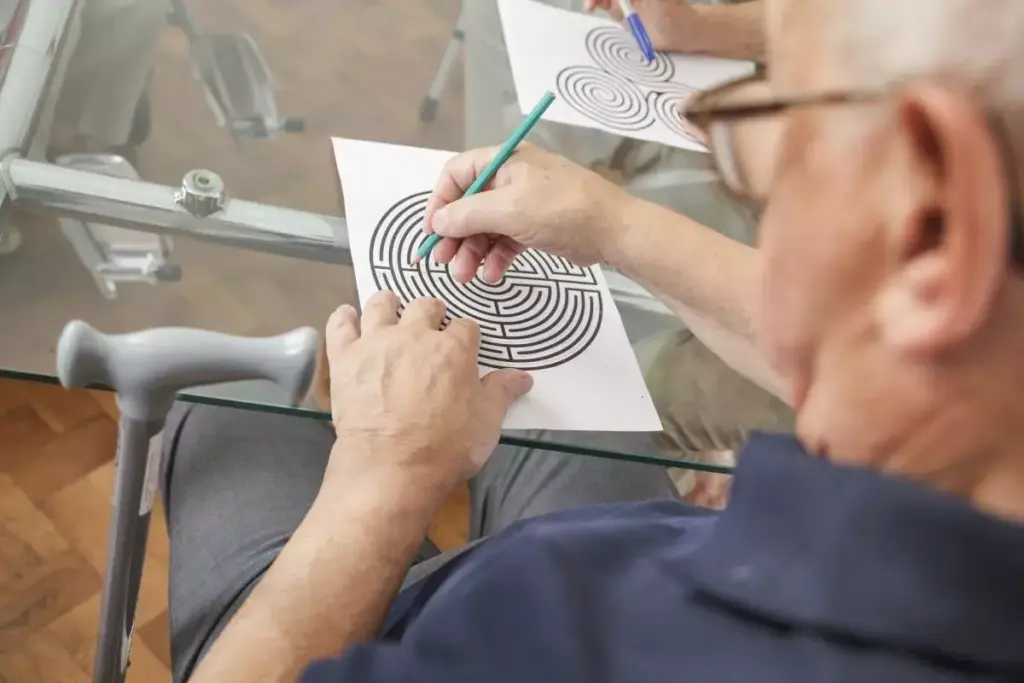
To get the most out of cognitive speed training, you need a solid plan. This plan should be based on science and focus on making your brain faster and more agile.
Selecting the Right Program
Start by picking a program that’s proven to work. Look for one that boosts visual processing speed, a key part of brain function. Make sure it has a clear plan, exercises, and ways to check your progress.
Completing Visual Processing Exercises
After choosing your program, it’s time to start the exercises. Do these for five to six weeks. They’re tough but will make your brain quicker and more accurate. Sticking to it is key for better brain skills later.
Scheduling Booster Sessions
After you’ve trained, you’ll need booster sessions later. These keep your brain sharp and make sure you keep improving. You’ll need these sessions one to three years after your first training.
Practicing Rapid Visual Detail Recognition
Rapid visual detail recognition is a big part of cognitive speed training. It’s about making your brain better at seeing and understanding things fast. Doing these exercises often will really help your brain speed and health.
| Step | Description | Duration |
| 1 | Select a Speed of Processing Training Program | Initial Setup |
| 2 | Complete Visual Processing Exercises | 5-6 weeks |
| 3 | Schedule Booster Sessions | 1-3 years later |
| 4 | Practice Rapid Visual Detail Recognition | Ongoing |
Supplementary Memory and Mental Exercises for Seniors
There’s more to keeping the mind sharp than just speed training. A mix of memory and mental exercises is key for brain health in seniors. This variety supports overall brain function.
Daily Short-Term Memory Activities
Short-term memory activities boost the ability to hold onto information. Try remembering a shopping list or a sequence of numbers. Playing memory games or using apps can also help.
Memory Recall Exercises to Strengthen Retention
Memory recall exercises help build cognitive strength. Activities like remembering past events or historical dates are great. They also improve mental sharpness.
Cognitive Reasoning Activities for Brain Health
Cognitive reasoning activities are essential for brain health. Puzzles, brain teasers, and strategy games improve problem-solving. Learning a new skill or hobby also keeps the brain healthy.
Adding these exercises to daily life helps seniors stay mentally sharp. It also lowers the risk of dementia.
Conclusion
Starting brain exercises to prevent dementia is key to keeping our minds sharp. The ACTIVE study shows that focused training can lower dementia risk. Adding cognitive speed and memory exercises to our daily lives helps us protect our brain health.
As we get older, our brains change, which can impact how we think. But, we can build a strong brain with the right strategies. Exercises for seniors, like those for dementia, boost our brain’s strength. By doing these exercises every day, we can take charge of our brain health.
To fight dementia, we need to mix cognitive speed training, memory exercises, and other brain activities. By doing so, we can greatly lower our dementia risk and keep our minds sharp. This proactive way of living leads to a healthier, more lively life.
FAQ
What type of brain exercises are most effective in preventing dementia?
Exercises that challenge memory, attention, reasoning, and problem-solving—such as puzzles, strategy games, learning new skills, and cognitive speed training—are most effective for maintaining brain function and reducing the risk of dementia.
How long does it take to complete a cognitive speed training program?
Most cognitive speed training programs take several weeks to a few months, with sessions typically lasting 20 to 40 minutes, multiple times per week, to see measurable improvements in processing speed and attention.
Are booster sessions necessary after completing cognitive speed training?
Yes, booster sessions help maintain gains in cognitive speed and mental flexibility, as the brain benefits from ongoing practice to reinforce neural pathways and prevent cognitive decline.
What are some supplementary memory exercises that can be practiced daily?
Daily memory exercises include memorizing lists, recalling names or events, using visualization techniques, playing memory-based games, and practicing mental arithmetic or word association tasks.
Can cognitive reasoning activities contribute to overall brain health?
Yes, activities that involve logical reasoning, problem-solving, and planning stimulate neural networks, enhance cognitive reserve, and support overall brain health.
Are there any specific brain exercises tailored for Alzheimer’s patients?
Yes, tailored exercises for Alzheimer’s patients focus on memory reinforcement, orientation tasks, simple problem-solving, language exercises, and activities that promote social engagement and daily functional skills.
How can I get started with cognitive speed training?
You can start by using guided online programs, mobile apps, or structured cognitive training courses that provide progressive exercises targeting attention, reaction time, and information processing.
Can brain exercises really prevent dementia?
While brain exercises cannot guarantee prevention, regular cognitive stimulation, combined with a healthy lifestyle, has been shown to slow cognitive decline, strengthen neural connections, and reduce the risk or delay the onset of dementia.
References
https://pmc.ncbi.nlm.nih.gov/articles/PMC545200/