

Depression and anxiety touch millions of people around the world. Yet, a simple solution might be as effective as medication: moving your body. Studies show that regular exercise produces effects comparable to medication for managing depression. It also helps reduce anxiety symptoms.
Starting to exercise when you’re feeling down can be tough. But adding physical activity to your daily routine can change your mental health for the better. Different types of exercise, like aerobic activities, strength training, yoga, and tai chi, have been proven to help.
This guide shows how regular physical activity can boost your mental health. It can lower stress, improve your mood, and ease symptoms of depression and anxiety. We want to help you find a practical way to add exercise to your life. This way, you can better manage your mental health.
Key Takeaways
- Regular exercise can be as effective as medication in managing depression.
- Physical activity reduces symptoms of anxiety and depression.
- A variety of exercises, including aerobic activities and yoga, are beneficial for mental health.
- Incorporating exercise into your routine can enhance your mood and reduce stress.
- A structured exercise plan can be a valuable tool in treating depression and anxiety.
Understanding How Exercise Treats Depression and Anxiety
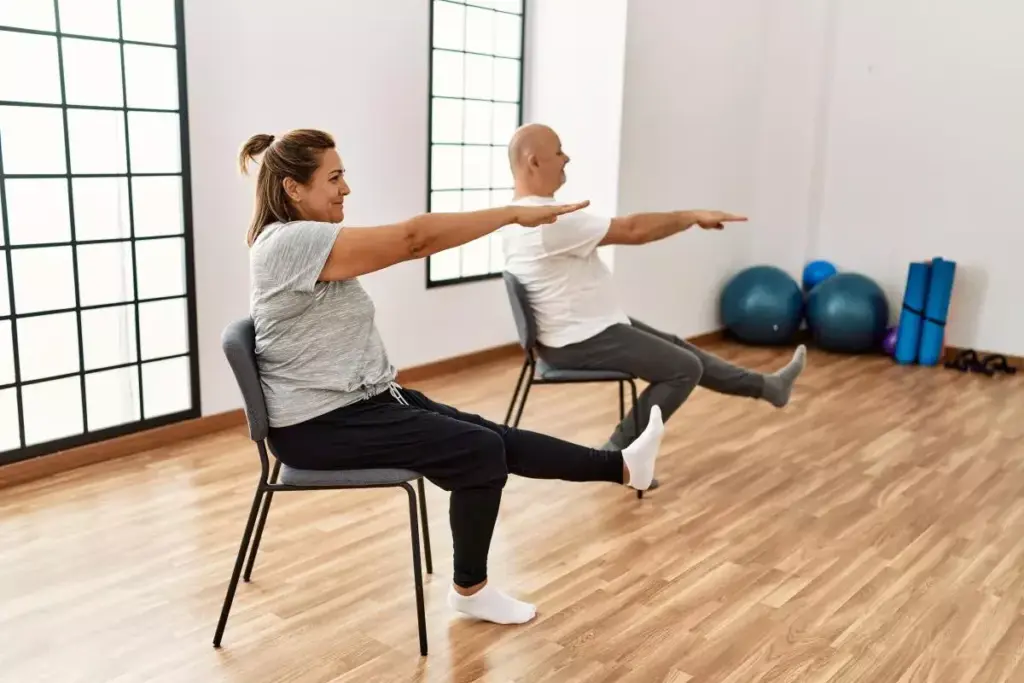
Research shows that exercise is a great way to treat depression and anxiety. It helps by lowering stress hormones, releasing happy chemicals, and improving how we think.
Research-Backed Evidence for Exercise Therapy
Many studies prove that exercise helps with depression and anxiety. For example, a study in the Journal of Affective Disorders found that it really helps.
Here’s why exercise is good for depression:
- Reduced symptoms: Exercise makes depression symptoms less severe.
- Improved mood: It releases chemicals that make us feel better and less stressed.
- Enhanced cognitive function: It boosts blood flow to the brain, helping us think better and recover from depression.
How Exercise Changes Your Brain and Body
Exercise changes the brain and body in good ways for people with depression and anxiety. It:
- Reduces inflammation, which is linked to depression.
- Releases endorphins, or “feel-good” hormones.
- Improves sleep, which is key for mental health.
Exercise also boosts self-esteem and body image. It gives a sense of achievement and confidence. Plus, it’s a healthy way to avoid negative thoughts and can be a social activity to fight loneliness.
What to Expect from Long-Term Exercise
Sticking with exercise long-term can really improve mood and reduce depression and anxiety symptoms. As you keep exercising, you can expect:
- Sustained mood improvement: Regular exercise keeps endorphins flowing, helping maintain a good mood.
- Reduced symptom severity: With time, depression and anxiety symptoms get less severe with regular exercise.
- Improved overall well-being: Exercise boosts both physical and mental health, leading to better overall well-being.
Knowing how exercise helps with depression and anxiety can help people choose to exercise as part of their treatment.
Building Your Depression Workout Routine

Creating a depression workout routine means picking the right exercises and fitting them into your day. Exercise is a strong tool against depression. A good routine can make it even more effective. We’ll show you how to build a routine that works, including the best exercises and how to mix them with other treatments.
The Proven Exercise Protocol for Depression
Studies show that a mix of cardio, strength training, and flexibility exercises helps with depression. Cardio activities like walking, cycling, or swimming boost heart health. Strength training, on the other hand, can lift your mood and energy.
Aerobic Exercises: Activities like brisk walking, jogging, or dancing are great for heart health and can reduce depression symptoms.
Strength Training: Doing strength training exercises two times a week can improve your mood and mental health.
Choosing the Right Exercises for Your Needs
It’s important to pick exercises you like and that fit your life. This could be team sports or solo activities like yoga or tai chi. The goal is to find activities you can keep up with over time.
- Think about your fitness level and health when picking exercises.
- Choose activities you enjoy to make sticking to them easier.
- Try different exercises to keep your routine interesting.
Combining Exercise with Therapy and Medication
Exercise can be a great addition to traditional depression treatments like therapy and medication. Combining these can lead to better symptom relief.
| Treatment Approach | Benefits |
| Exercise + Therapy | Enhanced mood improvement, better coping strategies |
| Exercise + Medication | Improved symptom reduction, increased energy levels |
| Exercise + Therapy + Medication | Comprehensive approach, addressing multiple aspects of depression |
Overcoming the Motivation Challenge When Depressed
One big challenge in fighting depression with exercise is getting started. It feels hard to begin, but it’s a key step towards feeling better.
Starting When You Have Zero Energy
Starting an exercise routine when you’re really tired means setting achievable goals. Start with tiny, easy steps. Make your routine so simple, you can’t refuse.
For example, if you’re really down, try a 5-minute walk. As you get more energy, you can walk longer and do harder things.
Creating a Sustainable Exercise Habit
To keep exercising, find activities you like and mix up your routine. This keeps things interesting and prevents boredom. Being consistent is important, but being flexible is too.
Also, keep track of your progress and celebrate small wins. Seeing how far you’ve come can motivate you to keep going.
| Exercise Type | Benefits for Depression | Recommended Frequency |
| Aerobic Exercise | Reduces symptoms of anxiety and depression | 3-4 times a week |
| Resistance Training | Improves mood and reduces stress | 2-3 times a week |
| Yoga | Enhances mood and reduces anxiety | 2-3 times a week |
Finding Support and Accountability
Having support from friends, family, or a fitness community boosts your motivation. Think about joining a fitness group or getting an exercise buddy.
This support helps keep you on track, even when you don’t feel like it. It’s a big help in staying consistent with your exercise.
Conclusion
Exercise is a great help when dealing with depression. It offers many benefits for both body and mind. By adding physical activity to your life, you can fight depression and anxiety.
Our guide showed how exercise can treat depression. It also helped you build a workout routine and overcome motivation challenges. The right exercise for depression can change, but yoga and mindfulness are great options.
Regular exercise boosts your mood and overall health. We suggest finding the best exercise for you. This way, you can enjoy its benefits fully.
Make exercise a regular part of your life. It can greatly improve your mental and physical health. Exercise is proven to help with depression and anxiety. Start your journey to a healthier, happier you today.
FAQ
1. What are the best exercises for depression and anxiety?
Activities like walking, jogging, cycling, yoga, and strength training are effective for improving mood and reducing anxiety.
2. How often should I exercise to help manage depression?
Aim for about 30 minutes of moderate exercise, 3–5 times per week for mental health benefits.
3. Can exercise really replace medication for depression?
For mild depression, exercise may help significantly, but moderate to severe cases often require professional treatment or medication.
4. How do I stay motivated to exercise when I’m feeling depressed?
Start with small, simple activities, set realistic goals, and choose exercises you enjoy to build consistency.
5. What are some mental exercises that can help with depression?
Practices like mindfulness, meditation, journaling, and deep-breathing exercises can support emotional well-being.
6. Can exercise therapy be used in conjunction with other treatments?
Yes, exercise is often used alongside therapy, counseling, or medication to improve treatment outcomes.
7. How long does it take to see the benefits of exercise for depression?
Many people begin to notice mood improvements within a few weeks of regular activity.
8. Are there any specific exercises that can help with anxiety?
Yoga, stretching, breathing exercises, and aerobic activities like walking or swimming are particularly helpful for reducing anxiety.
References
National Center for Biotechnology Information. Evidence-Based Medical Insight. Retrieved from https://pubmed.ncbi.nlm.nih.gov/27253219/