Does your child snore loudly, have restless nights, or seem hyperactive and hard to focus? Enlarged tonsils and adenoids might be the reason. They affect millions of kids worldwide and are a top cause of sleep apnea in children.how to help a child sleep with enlarged tonsilsWhen to Have Tonsils Removed: Signs
At Liv Hospital, we know how important it is to tackle this issue. We’ll look at how enlarged tonsils affect sleep and talk about ways to help your child sleep better.
It’s key to understand enlarged tonsils’ impact on sleep to care for your child well. We’ll guide you on how to help your child sleep better. We’ll cover everything from understanding the condition to finding treatment options.
Key Takeaways
- Enlarged tonsils can cause sleep disturbances in children.
- Pediatric obstructive sleep apnea is a common condition associated with enlarged tonsils.
- Addressing enlarged tonsils is key for a child’s health and well-being.
- There are many ways to help children sleep better.
- Liv Hospital offers full care for kids with enlarged tonsils.
Understanding Enlarged Tonsils in Children
It’s important to know about tonsils and adenoids to tackle sleep problems in kids. These parts of the lymphatic system are key to the immune system, more so in young ones.
What Are Tonsils and Adenoids?
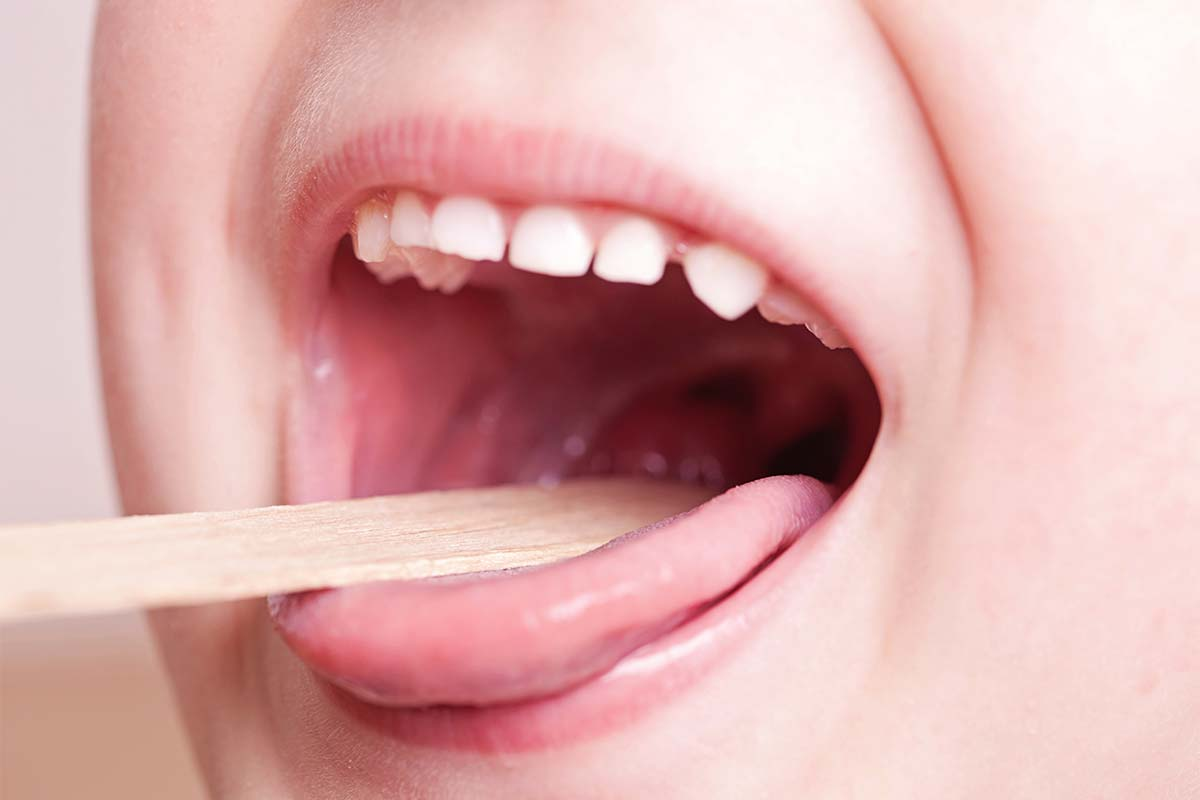
Tonsils sit on each side of the throat’s back. Adenoids are similar tissues behind the nose. They catch germs and help make antibodies to fight off infections. Tonsils and adenoids are most active during childhood, which is why they can grow bigger during this time.
Why Tonsils Become Enlarged
Tonsils can grow big because of frequent infections or allergies. When tonsils get infected often, they swell up. Allergies can also make tonsils bigger as the body fights off threats. “Enlarged tonsils can really hurt a child’s sleep quality,” say pediatric experts.
Prevalence Across Different Age Groups (2-6 Years)
Kids aged 2 to 6 are more likely to have big tonsils because their immune systems are growing. During this time, they face many germs, and their tonsils work hard to fight them off. This often makes tonsils bigger. It’s key for parents to spot the signs of big tonsils, as they can cause sleep apnea in toddlers and harm their health.
Studies show sleep apnea can happen in kids, even toddlers. Knowing the age range for sleep apnea is key for early treatment. By spotting symptoms and understanding causes, parents can help their child.
How Enlarged Tonsils Affect Sleep
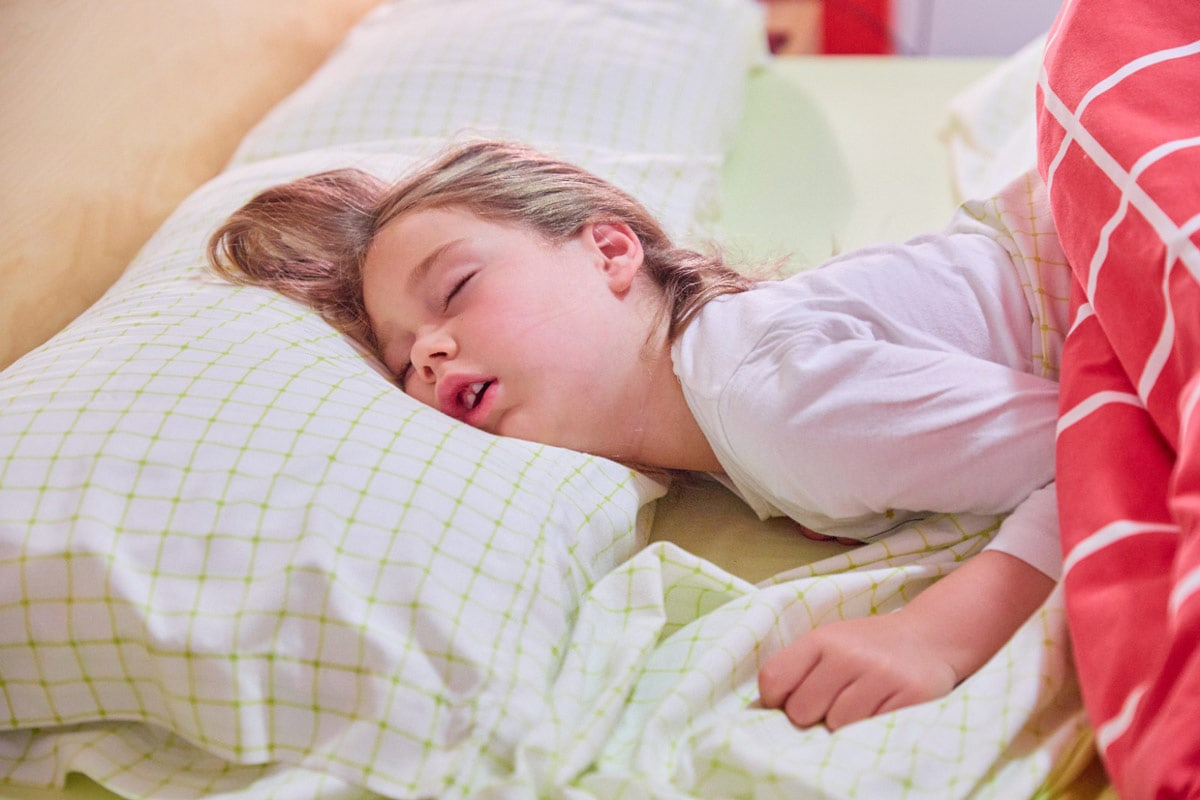
Children with big tonsils often have trouble sleeping because of airway blockage. Their airway can get partially blocked, making it hard to breathe while they sleep.
The Connection Between Tonsils and Airway Obstruction
Big tonsils can block the airway, causing breathing pauses at night. This can lead to obstructive sleep apnea (OSA). OSA not only messes up sleep but also affects health.
When tonsils get too big, they can make the airway narrow. This makes it tough for air to get through. It can cause snoring and, in bad cases, stop the airway completely, causing sleep apnea.
Pediatric Obstructive Sleep Apnea Explained
Pediatric obstructive sleep apnea is a sleep disorder where the airway gets blocked during sleep. It’s common in kids with big tonsils or adenoids.
“Sleep apnea in children can have serious consequences if left untreated, including impacts on cognitive function, behavior, and cardiovascular health.”
Symptoms of pediatric OSA include loud snoring, breathing pauses, and restless sleep. It’s important for parents to watch for these signs and get medical help if they think their child has OSA.
Impact on Sleep Quality and Duration
Big tonsils and sleep apnea can really mess up a child’s sleep. They might wake up a lot and have trouble sleeping well. This can make them tired, cranky, and have trouble focusing during the day.
|
Impact |
Description |
|---|---|
|
Sleep Quality |
Reduced due to frequent awakenings and disrupted sleep patterns. |
|
Daytime Functioning |
Affected by daytime fatigue, irritability, and difficulty concentrating. |
|
Overall Health |
Potential long-term effects on cardiovascular health and cognitive function. |
It’s key to understand how big tonsils and sleep problems are connected. By spotting the signs and getting medical help, parents can help their kids sleep better and feel better overall.
Recognizing Sleep Problems Related to Enlarged Tonsils
Enlarged tonsils can really mess with a child’s sleep. This can cause problems at night and during the day. It’s important for parents to know these signs early.
Common Nighttime Symptoms to Watch For
Children with big tonsils might have certain signs at night. These include:
- Loud snoring or breathing through the mouth
- Pauses in breathing during sleep, known as sleep apnea
- Restless sleep or waking up a lot
- Sleeping in weird positions, like with their neck out
Watching for these signs is key. Sleep apnea can happen in toddlers, and big tonsils are a common reason. If you see these signs, talk to a doctor right away.
Daytime Symptoms Including Irritability and Hyperactivity
Daytime signs can also show sleep problems. Kids with big tonsils might seem:
- Irritable or have mood swings
- Too active or have trouble focusing
- Very tired or sleepy during the day
- Do poorly in school or act out
These signs might look like other problems. But if they keep happening, think about sleep issues. At what age does sleep apnea usually start? It can happen at any age, but it’s more common in kids 2 to 6, with big tonsils.
Differences Between Normal Snoring and Sleep Apnea in Children
Not all snoring is a worry. But knowing the difference between normal snoring and sleep apnea is important. Normal snoring is less common and doesn’t stop breathing.
What age does sleep apnea start? Sleep apnea can start at any age, even in toddlers. Big tonsils are a big risk factor. Knowing the symptoms helps catch it early.
When to Seek Medical Attention
Parents need to know when to take their kids to the doctor for sleep apnea. Knowing your child’s health and when to seek help is key. It can greatly affect their treatment and well-being.
Warning Signs That Require Immediate Care
Some symptoms mean you should see a doctor right away. These include:
- Severe difficulty breathing during sleep
- Pauses in breathing during sleep
- Loud snoring with daytime fatigue
- Behavioral problems or irritability
If your child shows these signs, see a doctor fast. Early treatment can greatly improve their life.
Preparing for Your Child’s Doctor Visit
Before the doctor’s visit, gather important info. This includes:
- A detailed history of your child’s sleep
- Any symptoms you’ve noticed, including how often and how bad
- A list of any medications or supplements your child takes
Being ready will help you cover all important topics during the visit.
Questions to Ask Your Pediatrician
Write down questions before your visit. Consider asking:
- What are the possible causes of my child’s sleep apnea?
- What diagnostic tests are recommended?
- What treatment options are available, and which do you recommend?
|
Question |
Purpose |
|---|---|
|
What are the possible causes of my child’s sleep apnea? |
Understanding the root cause |
|
What diagnostic tests are recommended? |
Preparing for the diagnosis process |
|
What treatment options are available? |
Exploring treatment possibilities |
Being informed and prepared helps you work with your pediatrician. Together, you can find the best child sleep apnea treatment plan for your child.
Diagnosis Process for Sleep-Disordered Breathing
When a child has trouble sleeping because of big tonsils or adenoids, finding out what’s wrong is key. Doctors use a few steps to figure out how bad it is and what to do next.
Physical Examination of Tonsils and Adenoids
The first step is a check-up, focusing on the tonsils and adenoids. Doctors look at their size to see if they’re blocking the airway. This is important to see if they’re causing sleep problems.
Sleep Studies and Other Diagnostic Tests
If the check-up shows possible sleep problems, the next step is sleep studies. These tests watch a child’s sleep, like brain activity and breathing. They help find out if the child has sleep apnea.
Other tests might include:
- Oximetry to check blood oxygen levels
- Electrocardiogram (ECG) to watch the heart
- Audio or video recordings to see breathing during sleep
Evaluating Severity and Treatment Options
After the tests, doctors look at the results to see how bad the sleep problem is. This helps decide the best treatment. The severity is based on how often breathing stops during sleep.
|
Severity Level |
Description |
Typical Treatment Approach |
|---|---|---|
|
Mild |
Few apneic events; minimal disruption |
Monitoring; lifestyle changes |
|
Moderate |
Noticeable apneic events; some disruption |
CPAP therapy; possible surgery |
|
Severe |
Frequent apneic events; big disruption |
Surgery; CPAP therapy; close watch |
Knowing the diagnosis and how bad it is is key to finding the right treatment. Parents working with doctors can help their child sleep better and feel better overall.
Medical Treatment Options for Enlarged Tonsils
Treating enlarged tonsils in kids can involve several medical steps. If these tonsils disrupt sleep, finding the right treatment is key. This helps kids sleep better and stay healthy.
Adenotonsillectomy: Benefits and Considerations
Removing tonsils and adenoids through adenotonsillectomy is a common solution. It’s often chosen when enlarged tonsils cause sleep apnea. This surgery can greatly improve or even stop sleep apnea symptoms in many kids.
Benefits of Adenotonsillectomy:
- Significant reduction in sleep apnea events
- Improvement in daytime behavior and alertness
- Potential reduction in the need for other treatments
Considerations:
- Surgical risks and possible complications
- Managing pain after surgery
- Recovery time and post-surgery care
Recovery After Tonsil Surgery
After adenotonsillectomy, kids need a few days to rest and recover. They’ll need to manage pain and eat soft foods. Parents should follow the doctor’s instructions closely to help their child heal well.
|
Day |
Activity Level |
Diet |
|---|---|---|
|
1-2 |
Rest |
Soft foods, liquids |
|
3-5 |
Gradual return to normal activities |
Soft foods, gradually introducing normal diet |
|
5+ |
Normal activities |
Normal diet |
Corticosteroid Medications for Inflammation
Some kids might get corticosteroid meds to reduce tonsil and adenoid swelling. These meds can lessen symptoms and help kids sleep better.
Key aspects of corticosteroid treatment:
- Short-term use to avoid side effects
- Monitoring for effectiveness and possible side effects
- Combination with other treatments as needed
Knowing about medical treatments helps parents make better choices for their kids. They can work with doctors to find the best care for their child’s needs.
How to Help a Child Sleep With Enlarged Tonsils at Home
Enlarged tonsils can make it hard for kids to sleep. But, with the right steps, like the right sleep position and a soothing bedtime routine, parents can help. We know it’s tough to deal with sleep problems in kids. So, we’re here to share tips to make their sleep better.
Optimal Sleep Positioning Techniques
Changing how a child sleeps can help a lot. Try having them sleep on their side or back with their head up a bit. You can use an extra pillow or a wedge pillow under the mattress. This helps them breathe easier and can reduce congestion.
Tips for Optimal Sleep Positioning:
- Use a firm pillow to keep the child’s head straight.
- Don’t let them sleep on their stomach as it can make breathing harder.
- Using a body pillow can help them stay on their side.
Creating an Ideal Sleep Environment
The bedroom’s setup is key for good sleep. Make sure it’s cool, dark, and quiet. Use blackout curtains, a white noise machine, or a fan to keep it that way. Also, a comfy mattress and pillows can really help.
|
Sleep Environment Factor |
Recommendation |
|---|---|
|
Temperature |
Keep the room cool, around 68-72°F (20-22°C). |
|
Light |
Use blackout curtains to block out light. |
|
Noise |
Use a white noise machine or fan to cover background sounds. |
Establishing Healthy Sleep Routines
Having a regular bedtime routine is important. Create a calming pre-sleep activity like reading or a warm bath. It’s also key to keep a consistent sleep schedule, even on weekends.
Components of a Healthy Bedtime Routine:
- A warm bath or shower to relax the child.
- Reading a book or storytelling to calm the mind.
- Avoid screens (e.g., TV, tablets, smartphones) at least an hour before bed.
By using these tips, parents can greatly improve their child’s sleep quality. It’s about making the sleep environment right, using the best sleep position, and sticking to a bedtime routine.
CPAP and Other Non-Surgical Interventions
CPAP therapy is a non-invasive treatment for sleep apnea in children. It uses a machine to deliver pressurized air through a mask. This keeps the airway open, preventing pauses in breathing during sleep.
Mechanism of CPAP Therapy for Children
CPAP therapy provides a steady flow of air to keep the airway open. It’s great for kids with enlarged tonsils, as it counteracts the obstruction. The air pressure is set based on a sleep study to ensure proper breathing.
Key to successful CPAP therapy is making sure the child is comfortable with the equipment. Start by letting them wear the mask while awake. Gradually increase the time until they’re comfortable sleeping with it.
Helping Children Adapt to CPAP Equipment
Adapting to CPAP therapy can be tough for kids. But with a gentle approach, they can get used to wearing the mask. Here’s how:
- Introduce the CPAP mask during the day to get them used to it.
- Gradually increase the time they wear the mask, starting with short periods.
- Make sure the mask fits well to avoid discomfort or air leaks.
Involve the child in the process. Let them pick out the mask or decorate it. This makes the experience more fun and positive.
Alternative Breathing Devices and Approaches
While CPAP is common, other non-surgical options exist. Some children might need a different therapy or device. These include:
- Oral appliances to keep the airway open.
- BiPAP therapy, which offers two air pressure levels.
- Other breathing devices tailored to the child’s needs.
It’s important to talk to a healthcare provider to find the best treatment for the child. Each child’s needs are different.
Exploring these options and working with healthcare professionals can help manage sleep apnea in children. This improves their sleep quality and overall health.
Managing Environmental Factors
Changing the bedroom environment can help a child sleep better with big tonsils. A good environment can lessen sleep problems linked to sleep apnea in children. We will look at important factors to adjust for better sleep.
Reducing Allergens and Irritants
First, make the bedroom a sleep-friendly place by cutting down on allergens and irritants. Dust mites, pet dander, and pollen can make breathing hard for kids with big tonsils. Clean often, use allergen-proof bedding, and keep pets out to reduce allergen exposure.
Here are ways to cut down on allergens:
- Wash bedding in hot water weekly
- Use a dehumidifier to keep the room dry
- Remove carpets and rugs that can harbor dust mites
- Use allergen-proof mattress and pillow covers
Humidity and Air Quality Considerations
Keeping the air right is key for a child’s breathing, even more so for those with kids sleep apnea. Dry air can hurt the throat, and too much humidity can lead to mold. Use a humidifier or dehumidifier to keep the air just right.
|
Device |
Purpose |
Benefit |
|---|---|---|
|
Humidifier |
Adds moisture to the air |
Relieves dryness and congestion |
|
Dehumidifier |
Removes excess moisture |
Prevents mold growth |
|
Air Purifier |
Removes airborne pollutants |
Improves overall air quality |
An air purifier can also help by removing allergens and pollutants from the air. This makes the sleep environment better for a child with sleep apnea.
Temperature Control for Better Sleep
Keeping the room at the right temperature is also important. A room that’s too hot or cold can mess up sleep. The best bedroom temperature for sleep is between 60°F and 67°F (15.5°C and 19.4°C).
To get the bedroom temperature just right:
- Use a thermostat to keep the temperature steady
- Dress your child in light, breathable sleepwear
- Avoid making the bedroom too hot or too cold
By managing these environmental factors, parents can greatly improve their child’s sleep. This helps tackle some of the big challenges of enlarged tonsils and sleep apnea 2 year old. A comfy and healthy sleep space is key for kids to get the sleep they need.
Dietary and Lifestyle Adjustments
Changing what your child eats and how they live can help with sleep problems from big tonsils. A balanced diet and healthy habits can ease some of the discomfort. This helps your child sleep better.
Weight Management When Appropriate
For some kids, keeping a healthy weight is key to better sleep. Too much weight can make breathing harder. Talk to a doctor to make a plan for healthy eating and exercise.
Tips for Healthy Weight Management:
- Encourage a variety of fruits and vegetables
- Limit sugary drinks and foods high in sugar and salt
- Promote physical activities such as walking, swimming, or cycling
- Monitor portion sizes to avoid overeating
Foods That May Reduce Inflammation
Eating foods that fight inflammation can help your child’s tonsils. Good foods include:
- Fatty fish rich in omega-3 fatty acids (like salmon)
- Fruits such as berries and oranges
- Leafy greens like spinach and kale
- Nuts and seeds, including almonds and chia seeds
Hydration and Its Impact on Tonsil Health
Drinking enough water is key for healthy tonsils. It keeps them moist and fights off infections. Encourage your child to drink water all day.
Hydration Tips:
- Offer water-rich foods like cucumbers and watermelon
- Limit caffeinated and sugary drinks
- Make water easily accessible
By making these changes, you can help your child with big tonsils sleep better. It’s all about a healthy diet and lifestyle.
Monitoring Progress and Follow-Up Care
The journey to better sleep for children with enlarged tonsils doesn’t end with treatment. It’s important to keep a close eye on progress. Every child reacts differently to treatment, so regular checks are key.
Tracking Sleep Improvements
Parents should keep a sleep diary to track their child’s sleep. This diary should note any changes in sleep quality, how long they sleep, and any nighttime wake-ups. It’s a way to see if treatment is working.
Regular visits to healthcare providers are also important. They help adjust the treatment plan as needed. This ensures the treatment stays effective and meets the child’s needs.
When to Reassess Treatment Effectiveness
If a child’s sleep doesn’t improve or gets worse, reassessment is needed. Signs include snoring, feeling tired during the day, or trouble focusing.
Healthcare providers might change the treatment plan during reassessment. They could suggest more tests or different treatments to help manage the child’s condition.
Long-Term Outcomes After Treatment
It’s important to know how treatment will affect a child in the long run. Good treatment can greatly improve sleep, thinking skills, and overall health.
|
Treatment Outcome |
Short-Term Effects |
Long-Term Effects |
|---|---|---|
|
Adenotonsillectomy |
Reduced swelling, improved airway |
Significant reduction in sleep apnea episodes, improved quality of life |
|
CPAP Therapy |
Immediate improvement in sleep quality |
Long-term management of sleep apnea, reduced severity over time |
|
Lifestyle Adjustments |
Initial improvements in sleep hygiene |
Sustained improvements in sleep quality, overall health benefits |
By watching a child’s progress and making changes to treatment as needed, we can manage sleep apnea well. This leads to better sleep and health for the child.
Conclusion: Creating a Comprehensive Sleep Plan
Understanding enlarged tonsils and sleep apnea helps parents create a better sleep plan for their kids. We’ve talked about how to help a child sleep better, like using the right sleep position and making a cozy sleep space. We also discussed setting up good sleep habits.
For kids with sleep apnea, it’s key to work with doctors to make a sleep plan that fits their needs. This plan might include medical treatments like surgery or using a CPAP machine. It could also include changes in diet and exercise.
By tackling sleep issues related to enlarged tonsils, parents can help their kids sleep better. This can lead to better health and happiness for their children. We suggest talking to a pediatrician to make a sleep plan that works for your child.
FAQ
Can toddlers have sleep apnea?
Yes, toddlers can have sleep apnea. It’s often caused by big tonsils or adenoids.
How to help a child sleep with enlarged tonsils?
To help a child sleep better with big tonsils, try these tips. Use the right sleep position. Make their sleep area comfy. And stick to good sleep habits.
What are the symptoms of sleep apnea in children?
Kids with sleep apnea might snore at night. They might stop breathing for a bit. They could also be grumpy or too active during the day.
At what age does sleep apnea usually start?
Sleep apnea can start at any age. But it’s most common in kids aged 2 to 6. This is often because of big tonsils or adenoids.
Can children have sleep apnea?
Yes, kids can have sleep apnea. It’s important to know the signs and get help if needed.
What is the treatment for sleep apnea in children?
Kids with sleep apnea can be treated in several ways. They might need surgery to remove tonsils or adenoids. Or they might use special breathing machines or take medicines.
How is sleep apnea diagnosed in children?
Doctors use a few ways to find out if a kid has sleep apnea. They’ll do a physical check, sleep studies, and other tests. This helps figure out how bad it is and what to do next.
What are the benefits of adenotonsillectomy for sleep apnea?
Removing tonsils and adenoids can really help kids sleep better. It gets rid of what’s blocking their airway.
How can I help my child adapt to CPAP equipment?
To help your child get used to CPAP, start slow. Make it part of their bedtime routine. And make sure it fits right.
Are there any dietary changes that can help manage sleep apnea?
Yes, eating right can help. Keep your child at a healthy weight. Eat foods that fight inflammation. And drink plenty of water.
How can I monitor my child’s progress after starting treatment?
Keep an eye on how your child is sleeping. Also, make sure to see their doctor regularly. This helps check if the treatment is working.
What are the long-term outcomes after treatment for sleep apnea?
With the right treatment, kids can sleep much better. They often feel better overall. And their symptoms usually go down a lot.
References
National Center for Biotechnology Information. Evidence-Based Medical Guidance. Retrieved from https://www.ncbi.nlm.nih.gov/books/NBK536881/