


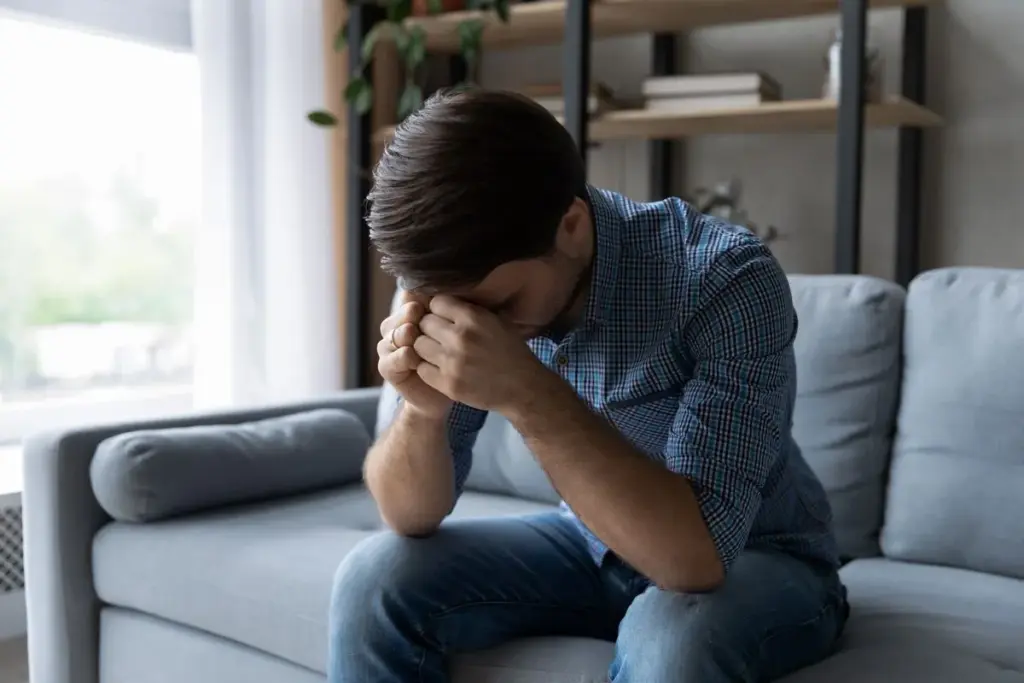
Many people hide their struggles behind a silent wall. In the United States, societal norms often stop men from showing weakness or seeking help. We think it’s key to tackle these issues with compassionate expertise for lasting healing.
About six percent of adult males carry heavy emotional burdens, but few ask for help. High anxiety rates show that men’s mental health needs special care and a focus on the individual. Our goal is to offer the wisdom and care needed to overcome these challenges.
Understanding sadness in men helps break down barriers to healing. By focusing on overcoming male sadness, we provide a path to joy. This guide shows how to spot warning signs and offer support for a better life.
Key Takeaways
- Traditional masculinity norms often prevent males from seeking help.
- Over 6 million American males are affected by depression annually.
- Recognizing unique warning signs is the first step toward intervention.
- Suicide rates among males highlight the urgent need for mental support.
- Professional healthcare provides a safe environment for emotional recovery.
- Empathy and active listening are vital tools for supporting loved ones.
1. Understanding Sadness Men Face and Why It’s Often Hidden

Men’s mental health issues often go unnoticed because of societal norms. We must grasp the reasons behind this.
One key reason is the idea that men should be strong and not show emotions. This makes it hard for men to share their feelings freely.
Social Expectations and Emotional Suppression
Traditional masculinity norms tell men not to show emotions, seeing it as weak. So, men might hide their true feelings, leading to emotional suppression.
“Men are socialized to be tough and hide their emotions, which can exacerbate mental health issues like depression and anxiety.” This hiding can lead to serious mental health problems.
How Men Typically Express Sadness Differently
Men show sadness in ways that differ from women. Instead of feeling down or crying, they might get irritable, take risks, or use substances.
These signs can be confusing, making it hard to spot the sadness or depression. We need to know these differences to help properly.
Understanding how men show sadness helps us see the signs and offer the right support. It’s important to make a space where men can share their feelings without fear.
2. Recognizing the Warning Signs of Sadness in Men


It’s important to spot the signs of sadness in men early. This helps them get the support they need to feel better. Men often show sadness in ways that are different from women. Knowing these differences helps us see when they need help.
Changes in Behavior and Daily Habits
One big sign of sadness in men is changes in how they act and live their daily lives. This can show up in many ways, like:
- Not wanting to do things they used to love
- Changes in how much they eat or sleep
- Feeling more irritable or restless
- Wanting to be alone more often
These signs can be small, and men might try to hide them. But knowing them helps us see when they’re struggling.
Physical Symptoms and Emotional Withdrawal
Sadness in men can also show up in physical and emotional ways. Some common physical signs include:
- Unexplained aches and pains
- Feeling very tired or lacking energy
- Changes in weight
Another big sign is emotional withdrawal. Men might pull away from their loved ones and things they used to enjoy.
By knowing these signs, we can offer support and help men deal with their sadness. It’s key to be understanding and supportive. Encourage them to talk openly and create a safe space for them.
3. Effective Ways to Help Men Work Through Sadness
To help men deal with sadness, we need a full plan. This includes building trust, encouraging fun activities, and knowing when to get professional help. By using these methods, we can help men heal and move forward.
Build Trust and Open Communication
Trust is key to helping men share their sadness. Creating a safe and non-judgmental space is essential. We must listen with empathy and validate their feelings without rushing to fix things.
It’s also important to talk openly. Encourage men to share their feelings and concerns. This makes them feel heard and supported. Sometimes, just being there for them is enough.
Encourage Positive Outlets and Activities
Doing fun activities can really help men feel better. Physical activities like sports or going outside can boost mood. Hobbies or creative projects also offer a healthy break and a sense of achievement.
Supporting men in finding or revisiting joyful activities is also key. It helps them connect with the good things in their lives.
Know When Professional Support Is Needed
While friends and family are great, sometimes professional help is needed. Knowing when to seek help is important. Signs like long-lasting sadness or trouble with daily life are clear indicators.
Male-friendly therapy, like action-oriented interventions and community-based programs, can be very helpful. These approaches are designed to meet men’s needs, making therapy more appealing to them.
| Support Strategies | Description | Benefits |
| Building Trust | Creating a safe space for open expression | Fosters open communication, reduces feelings of isolation |
| Positive Outlets | Encouraging physical and creative activities | Improves mood, provides distraction, enhances sense of accomplishment |
| Professional Support | Recognizing when therapy is needed | Provides targeted interventions, supports long-term healing |
4. Conclusion
Understanding masculinity and mental health is complex. We need a detailed approach to support men’s mental health. Knowing the challenges men face and how they show sadness helps us guide them better.
Helping men isn’t just about spotting sadness signs. It’s about being kind and understanding their feelings. We must build trust, encourage talking, and support healthy activities. This way, men can deal with their emotions and find better ways to cope.
Our main aim is to give men the support and tools they need to succeed. This will help create a welcoming space for everyone. It encourages men to ask for help when they need it, promoting their well-being.
FAQ
Why do many men find it difficult to openly discuss their sadness or emotional distress?
Societal norms and gender expectations often discourage men from expressing vulnerability or seeking emotional support.
How do the symptoms of sadness in men differ from common emotional indicators?
Men may show irritability, anger, risk-taking, or withdrawal rather than typical signs like tearfulness or verbalizing sadness.
What are the physical warning signs that a man might be struggling with his mental well-being?
Signs include sleep disturbances, chronic fatigue, headaches, digestive issues, and changes in appetite or weight.
How can we foster a safe environment for men to share their feelings more freely?
Encourage open dialogue, listen without judgment, and normalize seeking emotional support.
When is it necessary to transition from personal support to professional clinical intervention?
Seek professional help if sadness persists, affects daily functioning, or includes suicidal thoughts or severe behavioral changes.
What role do physical activities and positive outlets play in overcoming male sadness?
Exercise and hobbies boost endorphins, reduce stress, and provide constructive emotional expression.
How can we help a man who refuses to acknowledge that he is experiencing sadness?
Offer consistent support, model healthy coping, gently encourage reflection, and suggest professional guidance when needed.
References
National Center for Biotechnology Information. Evidence-Based Medical Insight. Retrieved from https://pubmed.ncbi.nlm.nih.gov/16648320/


 Departments
 Related Videos
 Our Doctors
 News
News


