
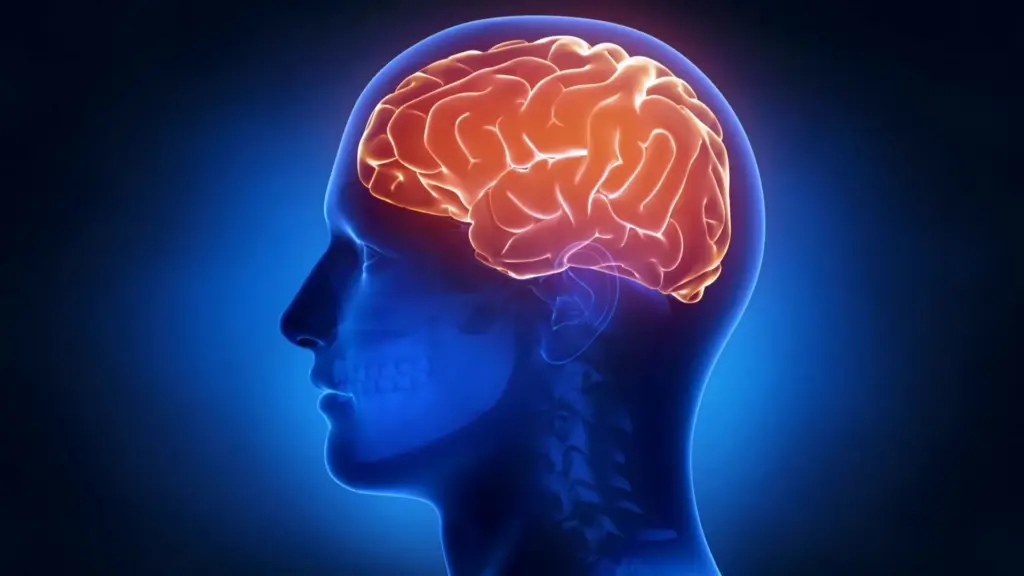
We know how important it is to keep our brains sharp. New discoveries in neuroscience offer hope for enhancing mind power and keeping our minds sharp as we age.
The brain is amazing and always changing. But, bad diet, stress, and not moving enough can hurt our brain health. Luckily, research shows that some habits can really boost our brain power and keep it healthy.
Key Takeaways
- Discover 10 proven ways to enhance cognitive performance
- Learn how to support mental acuity throughout life
- Understand the importance of lifestyle changes for brain health
- Explore evidence-based insights for improving cognitive function
- Find out how to stimulate your brain for optimal performance
Understanding Your Brain’s Ability to Change
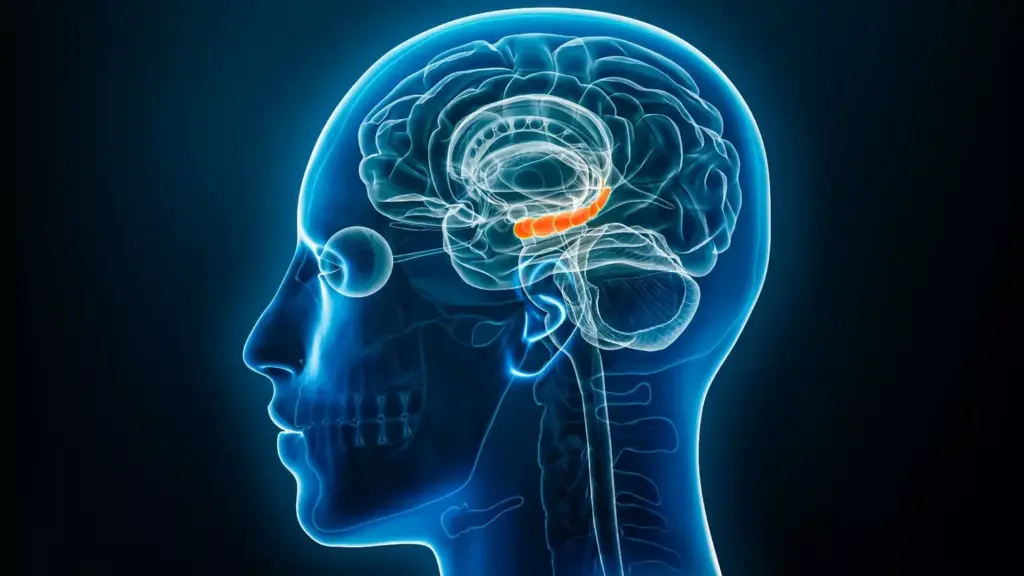
It’s key to know how our brains can change to boost brain function and health. The idea of neuroplasticity has changed how we see brain growth and thinking. Studies prove our brains keep adapting and changing, helping us get better at thinking and learning as we age.
Research shows our brains go through five major growth stages in our lives. Knowing these stages helps us use our brain’s change and adapt abilities.
1. Recognize the Five Stages of Brain Development
The five brain development stages are key to our brain’s growth and maturity. Neuroplasticity is key in these stages, letting our brain adjust and grow with new experiences and learning. Understanding these stages helps us see how complex our thinking abilities are.
2. Leverage Neuroplasticity at Any Age
Neuroplasticity lets our brain change and adapt with new experiences, learning, and surroundings. By using neuroplasticity, we can boost our brain function and health at any age. This idea is powerful, showing we can actively keep and improve our brain health as we get older.
By knowing the five brain development stages and neuroplasticity, we can find ways to improve brain function and keep our thinking sharp.
Physical Strategies for Improving Brain Function
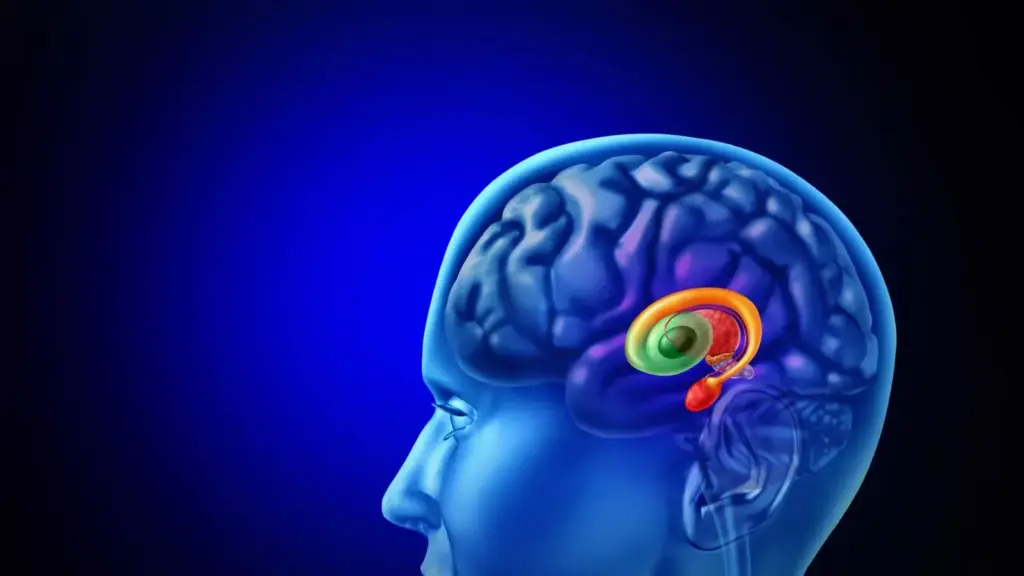
To boost brain power, adding physical activities to your day is key. Exercise boosts blood flow, cuts down inflammation, and releases growth factors. These help brain cells grow and thrive.
Implement Structured Aerobic Exercise Programs
Structured aerobic workouts are great for the brain. They grow the hippocampus, boost synaptic function, and increase BDNF. Brisk walking, cycling, or swimming are top choices.
A study in the Journal of Alzheimer’s Disease found aerobic exercise boosts brain health. This shows why adding aerobic workouts to your day is vital.
Add Resistance Training to Your Routine
Resistance training also benefits brain health. It improves cognitive function and supports neuroplasticity. Do resistance exercises at least twice a week.
Create an Enriched Physical Environment
An enriched environment also boosts brain function. Add elements like art, music, or nature. Even simple changes like rearranging your space or adding plants help.
| Environmental Enrichment | Benefits |
| Art and Music | Stimulates creativity and cognitive function |
| Nature and Plants | Reduces stress and improves mood |
| Rearranging Living Space | Enhances cognitive stimulation and novelty |
Engage in Multi-Sensory Activities
Doing multi-sensory activities also enhances brain function. Activities like cooking, gardening, or crafting boost cognitive health. They promote neuroplasticity and slow down cognitive decline.
By adding these physical strategies to your daily life, you can greatly improve brain health. We suggest combining these with mental and cognitive enhancement techniques for the best results.
Mental and Cognitive Enhancement Techniques
Mental and cognitive enhancement techniques are key for a healthy brain and wellbeing. By adding these to our daily life, we can boost our brain health and reach its full capacity.
7. Use Digital Cognitive Training Tools
Digital tools for brain training are showing great promise. They can help improve brain function by making it more flexible. This is good for people with brain problems or those who have had a stroke.
Studies show these digital tools can make the brain work better. They help stroke patients recover. Using these tools, people can do brain exercises that challenge and improve their brain.
8. Practice Targeted Cognitive Exercises
There are exercises that focus on specific brain skills like memory or problem-solving. Doing these exercises often can make our brains stronger. This improves how well our brain works.
Examples include memory games, puzzles, and brain teasers. These can be done with digital tools or old-school methods. They can be tailored to fit what each person needs.
9. Cultivate Positive Wellbeing
Being positive is important for a healthy brain. Research shows that feeling good can help our memory and brain skills. It’s not just about feeling happy, but also about being well.
To feel positive, try relaxing activities like meditation or yoga. Also, staying connected with friends and family is good for our wellbeing.
10. Combine Multiple Brain-Boosting Strategies
Using different ways to boost the brain can make it work better. Mix digital tools, brain exercises, and positive habits into your day. This way, you can use your brain to its fullest.
| Brain-Boosting Strategy | Description | Benefits |
| Digital Cognitive Training Tools | Utilize digital platforms for cognitive training | Improved cognitive function, enhanced neuroplasticity |
| Targeted Cognitive Exercises | Engage in exercises that challenge specific cognitive functions | Strengthened cognitive abilities, improved brain function |
| Positive Wellbeing Practices | Cultivate relaxation, stress reduction, and social connections | Enhanced wellbeing, improved cognitive outcomes |
By taking a holistic approach to brain health, we can achieve the best brain function and wellbeing.
Conclusion
Recent studies in neuroscience show new ways to boost brain function and keep our minds sharp as we age. Keeping our brains healthy is key to enjoying life fully. By using the tips from this article, we can improve our brain health and thinking skills.
We’ve looked at many ways to make our brains better, like staying active and using our minds. We can change our brains and improve them, thanks to neuroplasticity. Adding these tips to our daily lives can help our brains work at their best.
To make our brains better, we need to do many things. Exercise, brain training, and staying positive are all important. We hope readers will try these tips to improve their brain health and stay mentally sharp.
FAQ
How can I improve my brain function?
To boost your brain, mix physical, mental, and cognitive exercises into your day. Try structured workouts, digital brain games, and focus on feeling good.
What is neuroplasticity and how can I leverage it?
Neuroplasticity means your brain can change and adapt. Use it by doing brain-stimulating activities and making your surroundings rich and varied.
How does physical activity impact brain health?
Exercise boosts brain health by improving blood flow and supporting brain flexibility. It also lowers the chance of brain decline.
What are some effective ways to stimulate my brain?
Engage your brain with activities that use all your senses. Try digital brain games and exercises that sharpen memory and speed.
Can I improve my brain function at any age?
Absolutely, you can improve your brain at any age. Use neuroplasticity and add brain-boosting habits to your life.
How can I keep my brain young and healthy?
For a young brain, mix physical activity, brain games, and positive habits into your day. This keeps your brain sharp.
What are some ways to boost my brain power?
Boost your brain with digital games, specific exercises, and new challenges. Learning something new is great for your brain.
How can I strengthen my mind?
Strengthen your mind with mental exercises like meditation and cognitive training. Add these to your daily routine.
Are there any specific exercises that can improve brain function?
Yes, exercises like resistance training and aerobic workouts can help. So can brain games that target specific skills.
How can I enhance my brain’s ability to adapt and change?
Improve your brain’s flexibility by using neuroplasticity. Engage in brain-stimulating activities and enrich your environment.
References
National Center for Biotechnology Information. Evidence-Based Medical Insight. Retrieved from https://www.ncbi.nlm.nih.gov/books/NBK519712/



 Departments
 Related Videos
 Our Doctors
 News
News