


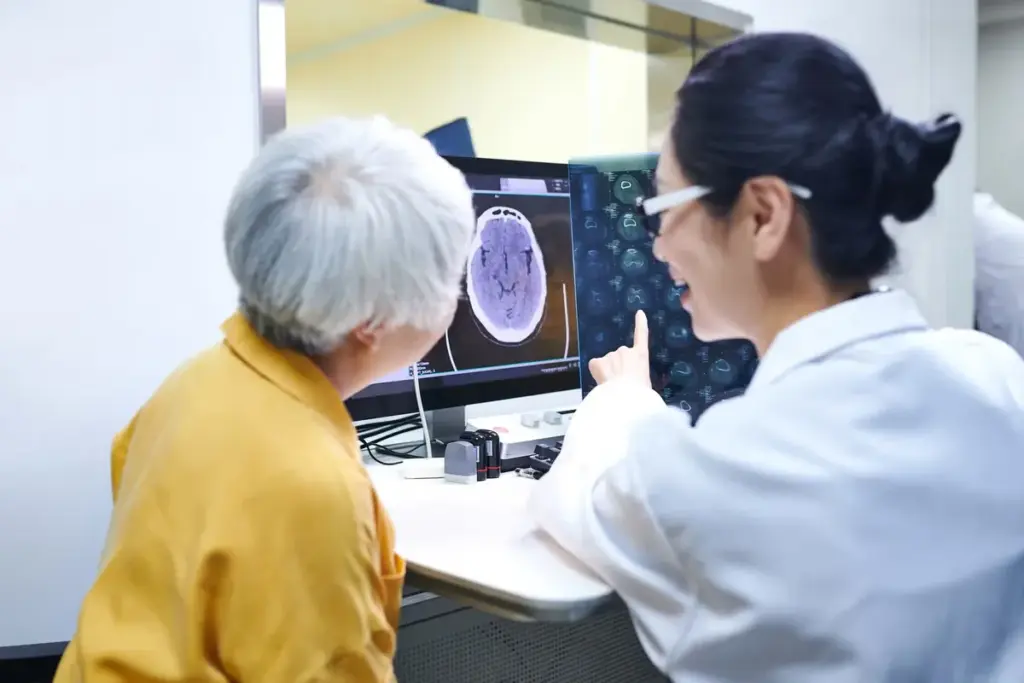
Your mind is your most valuable asset, controlling every thought and emotion. Keeping the health of the brain is absolutely key for top performance in life. This care helps your mind stay strong against daily stress.
Many wonder, what is brain health? It’s about keeping your mind sharp and emotions balanced at all ages. At Liv Hospital, we offer the expert help you need for your cognitive health and long-term well-being.
As we age, our brains can stay flexible and coordinated. This is thanks to neuroplasticity, our brain’s natural ability to adapt and learn. We use proven strategies to safeguard your brain health and boost your daily well-being.
Improving your mental strength is possible at any age with simple lifestyle tweaks. We’re committed to helping you reach your wellness goals. Our team offers full support to help you succeed.
Key Takeaways
- Neuroplasticity enables the mind to adapt and rewire itself at any age.
- Proactive lifestyle adjustments significantly enhance long-term mental resilience.
- Maintaining cognitive wellness remains essential for a high quality of life.
- Liv Hospital provides expert resources for preserving memory and focus.
- Evidence-based habits protect the mind against daily psychological stress.
- Meaningful improvements in mental function remain possible throughout the years.
Understanding Brain Health and Why It Matters
It’s important to know about brain health for our overall well-being. Brain health is more than just avoiding brain diseases. It’s about being mentally, emotionally, and behaviorally well.
Defining Brain Health and Cognitive Wellness
Brain health is about how our brain works, affecting our thoughts, feelings, and actions. Cognitive wellness is key, letting us process info, remember, and learn. A healthy brain helps us deal with life, make choices, and keep relationships strong.
Studies show that our lifestyle affects our brain health. Eating the MIND diet can lower the risk of Alzheimer’s and dementia. This diet includes foods like leafy greens, berries, and nuts.
Why Brain Health Is Essential for Overall Well-Being
Good brain health is key for a happy life. A healthy brain keeps us emotionally stable, physically fit, and socially connected. With a healthy brain, we handle stress better, manage our feelings, and keep strong relationships.
| Aspect of Health | Impact of Good Brain Health | Consequence of Poor Brain Health |
| Emotional Well-being | Better emotional regulation and stability | Increased risk of depression and anxiety |
| Cognitive Function | Improved memory, concentration, and problem-solving skills | Decline in cognitive abilities, risk of dementia |
| Physical Health | Better coordination, balance, and overall physical function | Increased risk of falls, decreased mobility |
Recognizing the Difference Between a Healthy and Unhealthy Brain
An unhealthy brain shows signs like memory loss, trouble focusing, mood swings, and poor thinking skills. Oxidative stress is linked to neurodegenerative diseases like Alzheimer’s. Spotting these signs early helps us prevent problems.
To keep our brain healthy, we need to eat right, stay active, and manage stress. Eating foods full of antioxidants, exercising regularly, and finding ways to relax are key.
What Is Good for Brain Health: Proven Strategies and Lifestyle Factors
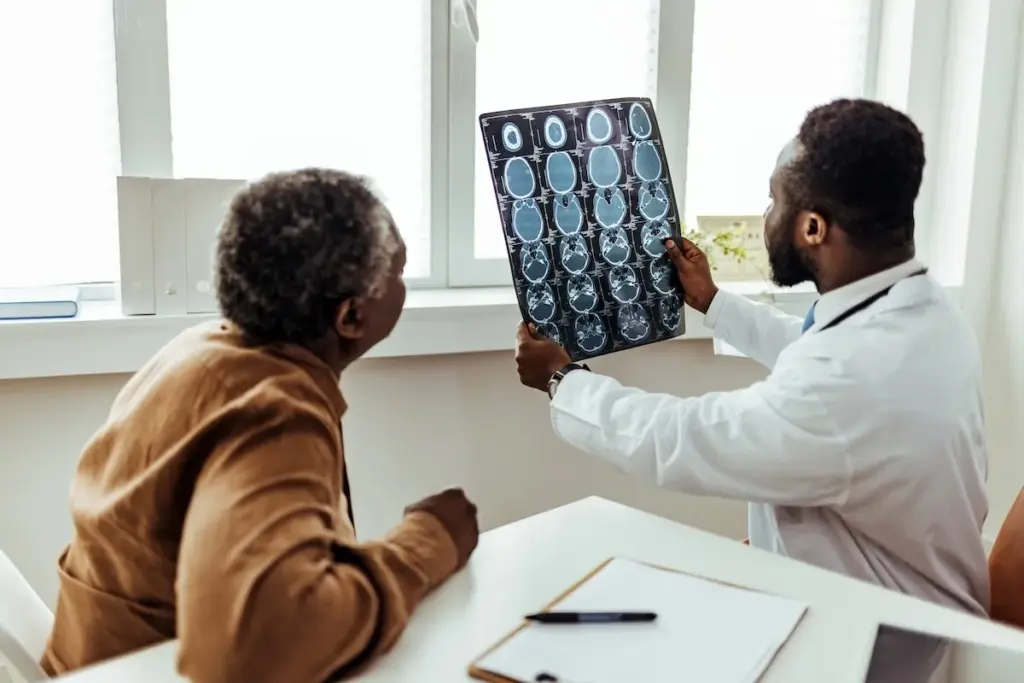
Brain health is key to our overall well-being. There are many lifestyle choices that can boost it. By eating right, staying active, and practicing mental exercises, we can keep our brains sharp.
Nourishing Your Brain with the Right Foods
What we eat greatly affects our brain health. Diets rich in fruits, vegetables, and whole grains are great for our brains. Medical Expert, “The closer your food is to nature, the more likely it is to be good for your brain.”
Foods like salmon and walnuts, rich in omega-3 fatty acids, are also good. They help our brains function well and may lower the risk of cognitive decline.
The Brain-Boosting Effects of Regular Physical Activity
Regular exercise is vital for brain health. It improves our thinking skills and lowers dementia risk. Medical Expert, “Exercise keeps our hearts and blood vessels healthy, managing blood pressure and sugar levels, which benefits the brain.”
Activities like walking, cycling, or swimming are great for our brains. They also help our mental health by reducing stress and anxiety.
Cognitive Training and Mental Stimulation Techniques
Doing brain exercises and mentally stimulating activities is important. Puzzles, learning new languages, or playing music can build cognitive reserve. This reserve helps protect against cognitive decline and aids in recovery from brain injuries.
By adding mentally challenging activities to our daily lives, we keep our brains sharp and healthy.
Sleep Quality and Stress Reduction for Brain Wellness
Good sleep and stress management are essential for brain health. Poor sleep harms our thinking, while chronic stress can damage our brains.
Techniques like meditation, yoga, or deep breathing can reduce stress on our brains. Also, a consistent sleep schedule and a restful sleep environment can improve our sleep quality.
By focusing on nutrition, exercise, brain training, and stress management, we can ensure our brains stay healthy.
Conclusion
Keeping our brain healthy is key to feeling good overall. Knowing what cognitive health is helps us reach this goal. By following the Six Pillars of Brain Health, we can fight off dementia and other brain problems.
Medical Expert’t stop brain diseases completely, we can lower the risk with our choices. Eating right, staying active, and keeping our mind sharp are all important. These actions help our brain stay in top shape.
FAQ
What is the definition of cognitive health and what is brain health in a professional context?
Cognitive health refers to the ability to think, learn, and remember clearly, while brain health encompasses the overall functioning and resilience of the brain. Professionals focus on maintaining these to prevent decline and optimize performance.
Why is brain health important for our overall physical well-being?
Brain health is crucial because the brain controls bodily functions, decision-making, and emotional regulation. Maintaining it supports cardiovascular, metabolic, and overall physiological well-being.
How can we distinguish between a neurologically healthy state and an unhealthy brain?
A healthy brain demonstrates clear thinking, memory retention, emotional stability, and problem-solving ability. Signs of an unhealthy brain may include memory lapses, confusion, poor focus, or mood instability.
What is the WHO brain domain and the purpose of the WHO goal brain initiative?
The WHO brain domain refers to areas of cognitive function identified by the World Health Organization. The goal brain initiative aims to promote brain health globally through research, policy, and public health strategies.
Does the WHO training brain approach offer benefits for cognitive longevity?
Yes, WHO-recommended brain training and mental exercises help maintain cognitive function, reduce age-related decline, and support long-term mental agility and brain resilience.
Where health brain habits are most effective, and how can we support brain health daily?
Effective brain health habits include regular physical exercise, mental stimulation, social engagement, balanced nutrition, and adequate sleep. Daily practice of these habits supports memory, focus, and overall cognitive function.
What are the primary brain effects of a sedentary lifestyle and poor nutrition?
A sedentary lifestyle and poor diet can lead to cognitive decline, memory impairment, reduced focus, and higher risk of neurodegenerative diseases. Proper nutrition and activity help prevent these outcomes.
How can I start improving my brain health today?
You can begin by incorporating regular exercise, eating a brain-healthy diet, practicing mental challenges, engaging socially, and prioritizing restful sleep to support cognitive function immediately.
References
National Center for Biotechnology Information. Evidence-Based Medical Insight. Retrieved from https://pubmed.ncbi.nlm.nih.gov/26051906/


 Departments
 Related Videos
 Our Doctors
 News
News


