Chronic Obstructive Pulmonary Disease (COPD) and emphysema affect millions worldwide. They make everyday tasks hard. At Liv Hospital, we know how tough it is to live with COPD. We’re here to help with effective solutions.
Simple yet powerful breathing techniques can really help. They make breathing easier and improve life quality. Studies show that copd breathing exercises boost oxygen intake and reduce effort needed to breathe.
We mix evidence-based deep breathing exercises for copd with caring support. This helps our patients take back control and independence. Our care is based on the latest research and tailored for each person’s needs.
Key Takeaways
- Breathing techniques can improve lung function and quality of life for COPD patients.
- Research supports the effectiveness of specific breathing exercises for COPD management.
- Liv Hospital offers personalized care combining breathing exercises with extensive support.
- Our approach is backed by medical expertise and the latest research.
- Patients can regain control and independence with the right breathing techniques.
Understanding COPD and Its Impact on Breathing
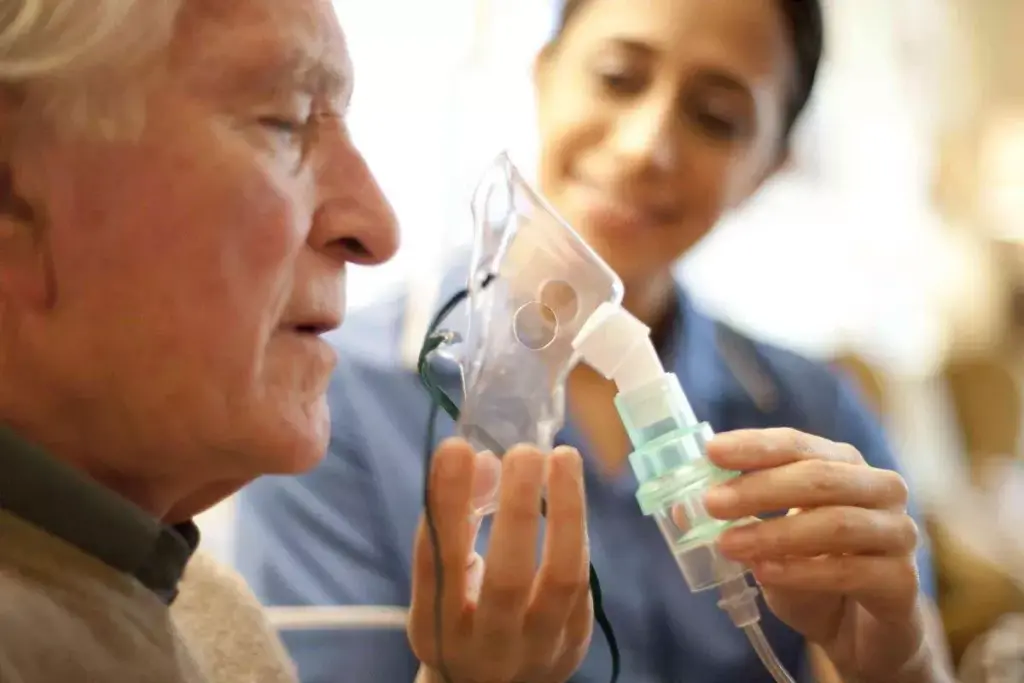
COPD affects breathing in many ways, changing how lungs work. It’s a lung disease that makes breathing hard. It includes emphysema and chronic bronchitis.
It traps air and mucus in the lungs, causing shortness of breath. Knowing how COPD impacts lung function and health is key.
What Happens to Your Lungs with COPD
COPD makes airways narrow and inflamed. This makes breathing harder. The air sacs in the lungs lose shape, trapping stale air.
Studies show breathing exercises can boost exercise capacity in COPD patients. This is vital for managing the disease and improving life quality.
– American Lung Association
How Breathing Exercises Improve Lung Function
Breathing exercises can greatly help COPD patients. They can increase lung capacity and ease breathing. These exercises help clear out stale air and mucus.
Techniques like pursed-lip breathing and diaphragmatic breathing are very helpful. They slow down breathing and keep airways open, making breathing easier.
By doing these exercises daily, COPD patients can see better lung function and quality of life. It’s about working to strengthen lungs and improve breathing.
Essential Breathing Exercises for Emphysema
[Add image here]
Managing emphysema well means learning key breathing exercises. These can greatly improve life quality. Emphysema damages lung air sacs, making breathing hard. By doing specific breathing exercises daily, people with emphysema can better their lung function and health.
Pursed-Lip Breathing Technique and Benefits
The pursed-lip breathing method is easy yet very helpful for emphysema patients. To do it, inhale slowly through the nose and then exhale slowly through pursed lips, like blowing on hot food. This keeps airways open longer, making breathing easier and improving oxygen use.
Practicing pursed-lip breathing brings many benefits. It reduces shortness of breath and boosts breathing efficiency. We suggest doing this exercise often for the best results.
Diaphragmatic (Belly) Breathing Method
Diaphragmatic breathing, or belly breathing, uses the diaphragm, the main breathing muscle. To do it, lie on your back with knees bent, put one hand on your belly and the other on your chest, and inhale deeply through the nose. Let your belly rise while your chest stays steady.
This method strengthens the diaphragm, leading to better oxygen exchange and less breathing effort. Regular diaphragmatic breathing practice can improve lung function and respiratory health.
Advanced Respiratory Techniques for COPD Patients
For those with COPD, advanced breathing methods can greatly improve lung health and life quality. These methods aim to manage symptoms and boost breathing efficiency.
Deep Breathing with Controlled Coughing
Deep breathing and controlled coughing are key for clearing lung mucus. Controlled coughing prevents exhaustion and ensures mucus is removed from airways. Huff coughing is a method that gently breaks up mucus, making it simpler to expel.
- Start by taking a deep breath in through your nose.
- Hold your breath for a few seconds.
- Exhale slowly through pursed lips.
- Follow with a huff cough to help loosen mucus.
For more detailed breathing exercises, check out Three Simple Breathing Exercises for COPD. It offers more tips on managing COPD symptoms.
Strengthening Inspiratory Muscles
Strengthening the muscles used for breathing can enhance lung function. Inspiratory muscle training focuses on exercises for the diaphragm and other breathing muscles. Devices that offer resistance during inhalation can help.
- Use an inspiratory muscle training device as recommended by your healthcare provider.
- Perform the exercises daily, gradually increasing resistance.
- Monitor your progress and adjust the training as needed.
By adding these advanced breathing techniques to your daily routine, you can see big improvements in lung function and health.
Implementing a Daily Breathing Exercise Routine
Being consistent is important for breathing exercises when you have COPD. Doing copd deep breathing and other exercises every day can help you breathe better. It also improves your overall life quality.
To add breathing exercises for people with copd to your daily routine, pick a specific time each day. It’s best to do both pursed-lip and diaphragmatic breathing exercises for 5 to 10 minutes a day.
Start by sitting comfortably with your back straight. Relax your neck and shoulder muscles. Then, focus on your breath. For exercise for copd breathing, breathe in slowly through your nose. Let your belly rise as you inhale. Then, exhale slowly through pursed lips.
As you keep up with your copd breathing exercise routine, breathing will get easier. You’ll also manage shortness of breath better. Regular practice helps you form a new habit. This makes it easier to keep up over time.
FAQ.
What are the best breathing exercises for COPD?
The most effective techniques are pursed-lip breathing and diaphragmatic (belly) breathing, which help regulate breathing patterns and improve gas exchange.
Can breathing exercises improve lung function in COPD patients?
While they cannot fix the structural damage of the lungs, breathing exercises improve the efficiency of the respiratory muscles and increase oxygen levels, making breathing feel significantly easier.
How often should I practice breathing exercises for COPD?
For the best results, clinicians typically recommend practicing these techniques for 5 to 10 minutes, approximately 3 to 4 times per day.
What is pursed-lip breathing and how does it help COPD?
Pursed-lip breathing involves inhaling through the nose and exhaling slowly through puckered lips, which creates back-pressure that keeps airways open longer and releases trapped air.
Can diaphragmatic breathing help with emphysema?
Yes, diaphragmatic breathing helps patients with emphysema use their primary breathing muscle more effectively, reducing the work of the chest and neck muscles and decreasing the feeling of breathlessness.
How can I incorporate breathing exercises into my daily routine?
You can integrate them by practicing during sedentary activities like watching TV or by using the techniques specifically during moments of physical exertion, such as climbing stairs.
Are there any specific tips for maintaining a daily breathing exercise routine?
Setting daily reminders on your phone, practicing at the same time each morning, and keeping a “breath diary” to track how you feel can help build a sustainable habit.
Can breathing exercises help reduce COPD symptoms?
Yes, regular practice reduces the frequency of shortness of breath, lowers anxiety levels associated with breathing difficulties, and improves overall exercise tolerance.
Are there any advanced breathing techniques for COPD patients?
Advanced techniques include coordinated breathing, where you time your breaths with physical movements, and huff coughing, which helps clear mucus without causing airway collapse.
How can I overcome challenges in maintaining a breathing exercise routine?
To overcome challenges, start with very short sessions, practice with a partner or support group, and focus on the immediate “calming” effect the exercises have on your nervous system.
References
National Center for Biotechnology Information. Evidence-Based Medical Insight. Retrieved from https://pubmed.ncbi.nlm.nih.gov/36167564/