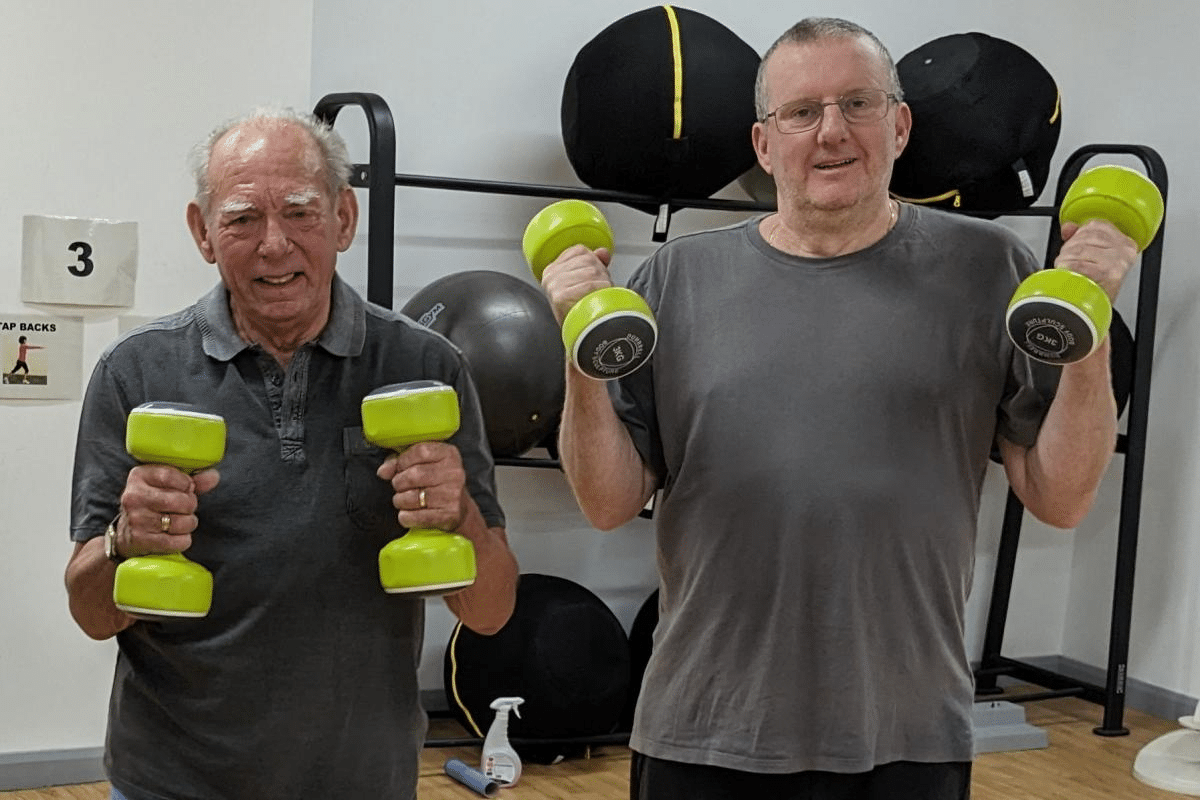
Learn how to increase balance safelyHow to Increase Platelet Count: Amazing Methods. This essential guide explains the best exercises for seniors to improve stability and coordination.
Maintaining balance is key for seniors. Falls are a big cause of injury and death for those 65 and older. We know how important it is to tackle this health issue.
Every year, over 3 million older Americans end up in the emergency room because of falls. This shows we need good ways to prevent falls. Studies show that balance training programs can really help lower fall risks and boost stability.
At Liv Hospital, we have detailed and tailored balance checks and rehab plans. We follow the latest research. Our aim is to help seniors stay independent and feel confident moving around.
Key Takeaways
- Structured balance training programs can reduce fall risk in seniors.
- Balance exercises improve overall stability and confidence.
- Personalized balance assessment is key for effective rehab.
- Liv Hospital offers complete balance training programs.
- Improving balance helps seniors stay independent.
The Importance of Balance for Seniors
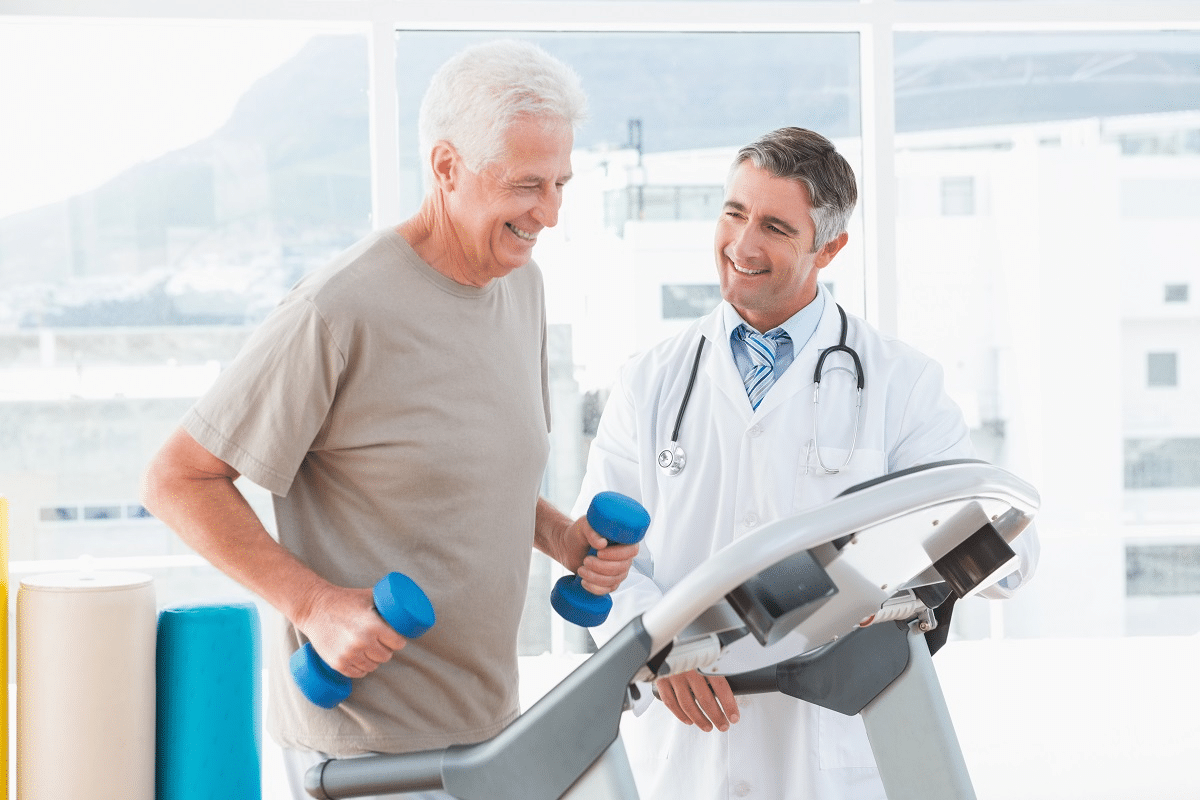
As we get older, keeping our balance is key to staying healthy and independent. Balance isn’t just about standing up straight. It’s about feeling stable and secure while moving. This is important for doing everyday tasks without getting hurt.
Why Balance Deteriorates with Age
Our bodies change as we age, affecting our balance. Muscle strength, flexibility, and reflexes decrease. Vision and inner ear changes also play a role. Some medical conditions and medicines can make balance worse too.
The Connection Between Balance and Falls
Poor balance is a big risk for falls, which are a major cause of injury in seniors. Falls can lead to broken bones, head injuries, and other serious problems. They can also take away our independence and lower our quality of life. This shows how important it is to keep our balance to avoid falls.
Statistics on Balance-Related Injuries
Falls are a big problem for older adults in the U.S. Every year, over 14 million seniors fall, causing more than 38,000 deaths. The cost of these falls is also huge, with medical expenses expected to hit $101 billion by 2030.
|
Year |
Number of Falls |
Medical Costs |
|---|---|---|
|
2020 |
12 million |
$50 billion |
|
2025 |
13.5 million |
$75 billion |
|
2030 |
14 million |
$101 billion |
The numbers show how urgent it is for seniors to work on balance and fall prevention. By understanding the importance of balance and taking steps to improve it, seniors can lower their risk of falls and injuries.
Understanding Balance Systems in the Body
Our ability to stay balanced is a complex process. It involves several key bodily systems working together. It’s not just about having strong muscles. It’s about how our body integrates information from various sources to keep us upright and stable.
Visual System
The visual system is key in balance. It gives us info about our surroundings and how we’re positioned. Our eyes help detect movement and changes in the visual field. The brain uses this info to adjust our posture and prevent falls.
Vestibular System
The vestibular system is in the inner ear. It detects changes in head position, movement, and acceleration. It works with the visual system to keep us balanced and oriented.
Proprioceptive System
The proprioceptive system involves sensory receptors in muscles, tendons, and joints. It provides info about the position and movement of our body parts. This system helps us understand where our body is in space and make necessary adjustments to maintain balance.
The interplay between these three systems is vital for balance. If one system is compromised, the others can help out. But overall balance is affected.
|
System |
Function |
Key Components |
|---|---|---|
|
Visual System |
Provides information about surroundings and body position |
Eyes, visual pathway to the brain |
|
Vestibular System |
Detects changes in head position and movement |
Inner ear structures (otolith organs and semicircular canals) |
|
Proprioceptive System |
Provides information about body position and movement |
Sensory receptors in muscles, tendons, and joints |
Understanding how these systems work together to maintain balance is fascinating. It shows the complexity of this function. It also highlights the importance of balance training that covers all these systems.
Benefits of Regular Balance Training
Balance training is key for seniors, leading to better stability, fewer falls, and a higher quality of life. It helps seniors stay physically stable, lowering the chance of falls and injuries.
Improved Standing Stability
One major benefit of balance training is better standing stability. Seniors get stronger legs and become steadier through balance exercises.
- Enhanced proprioception (awareness of body position)
- Better muscle strength in the lower extremities
- Improved overall balance control
Reduced Fall Risk
Balance training lowers the risk of falls for seniors. Studies show it can cut fall risk by 23-24%. Falls are a big cause of injury and disability in older adults.
- Improved reaction time to prevent falls
- Better ability to navigate uneven surfaces
- Enhanced confidence in mobility
Enhanced Quality of Life
Balance training boosts standing stability and lowers fall risk, improving life quality for seniors. Seniors who feel more stable are more active, independent, and happy.
- Increased independence in daily activities
- Greater participation in social and recreational activities
- Improved mental health due to reduced fear of falling
In summary, balance training is vital for seniors. It improves stability, reduces falls, and enhances life quality. Balance exercises help seniors stay healthy and independent as they age.
How to Increase Balance Through Simple Daily Activities
Making small changes to our daily routines can greatly help older adults improve their balance. By adding specific exercises and challenges to our daily tasks, we can lower the risk of falls. This helps us stay independent and active.
Incorporating Balance Challenges into Daily Routines
Adding balance challenges to our daily activities is a smart move. Try standing on one leg while brushing your teeth or walking a few steps with your eyes closed. Standing on a soft surface, like a cushion, can also boost your balance.
Tips for incorporating balance challenges:
- Hold onto a chair or countertop for support when needed.
- Start with small challenges and gradually increase difficulty.
- Practice regularly to see improvement.
Walking Exercises for Balance
Walking is an excellent way to enhance balance. Try walking heel-to-toe, which simulates a balance beam walk. Walking on different surfaces also challenges our balance.
“Walking is a simple yet effective way to improve balance and overall health.”
Household Activities That Improve Balance
Many household tasks can be modified to improve balance. For example, stand on one leg while doing dishes or vacuuming. Marching in place or standing up and sitting down without hands also works.
Examples of household activities that improve balance:
- Vacuuming or mopping while standing on one leg.
- Marching in place while holding onto a stable object.
- Standing up and sitting down without using hands.
By adding these simple activities to our daily routines, we can enhance our balance. This reduces the risk of falls and helps us maintain our independence. It’s a step towards a better quality of life.
Standing Balance Exercises for Seniors
Keeping balance is key for seniors to stay independent and avoid falls. Standing balance exercises are great for improving stability and lowering injury risks. We’ll look at exercises like heel stands, toe stands, single-leg stance progressions, and weight shifting.
Heel Stands and Toe Stands
Heel stands and toe stands are easy to do while holding onto a chair or wall. For a heel stand, stand with feet apart and lift toes off the ground, balancing on heels. Hold for a few seconds, then lower. For a toe stand, lift heels off the ground, balancing on toes. These exercises strengthen ankle muscles and boost balance.
Single-Leg Stance Progressions
Standing on one leg is tough but great for balance. Start by standing on one leg while holding onto a chair or wall. Lift one foot off the ground, keeping the other foot down. Hold for a few seconds, then switch legs. As you get better, try standing on one leg without support. This exercise enhances balance and stability.
Weight Shifting Exercises
Weight shifting exercises involve moving your weight from one foot to the other or side to side. Stand with feet apart and slowly shift weight onto one leg, then back to the center, and onto the other leg. You can also move weight from side to side, keeping hips and body controlled. These exercises improve balance and adjusting to different positions.
Adding these standing balance exercises to your daily routine can greatly improve stability and lower fall risks. Start slow and progress at your own pace. Always hold onto something stable if you need support.
Seated Balance Exercises for Limited Mobility
Seated balance exercises are safe and effective for seniors with limited mobility. They can be done at home, reducing the risk of falls and injuries.
Chair-Based Balance Activities
Chair-based exercises are great for seniors who find it hard to stand or walk. Marching while seated is a simple exercise. Hold the chair arms, lift your legs, and march in place. It improves balance and strengthens the legs.
Seated leg lifts are another effective exercise. Lift one leg straight up, hold for a few seconds, and then lower it. Repeat on the other side. This exercise boosts balance and strengthens the legs.
Core Strengthening While Seated
Core strength is key for good balance. Seated exercises can target the core muscles. The seated torso twist is one such exercise. Hold the chair arms, twist to one side, and then back to the start. Repeat on the other side.
Seated arm raises are also good for the core. Lift your arms straight out to the sides until they reach shoulder height, then lower them. This exercise enhances stability and balance.
Ankle and Foot Exercises
Ankle and foot exercises are vital for balance and fall prevention. Seated ankle rotations involve lifting your feet and rotating your ankles in a circle.
Toe curls are another effective exercise. Lift your feet, curl your toes under, and then release. This strengthens the muscles in your feet and ankles, improving balance.
|
Exercise |
Benefits |
Repetitions |
|---|---|---|
|
Marching while seated |
Improves balance, strengthens legs |
10-15 repetitions |
|
Seated leg lifts |
Improves balance, strengthens leg muscles |
5-10 repetitions per leg |
|
Seated torso twist |
Improves core strength, enhances balance |
5-10 repetitions per side |
By adding these seated balance exercises to their daily routine, seniors with limited mobility can greatly improve their stability. This reduces their risk of falls.
Balance and Coordination Exercises
As we get older, keeping our balance and coordination is key for staying healthy and independent. These exercises help us stay stable, lower the chance of falls, and make life better for seniors. They can be done by people of all fitness levels and mobility.
Tai Chi for Seniors
Tai Chi is a gentle, slow exercise that boosts balance, flexibility, and strength in seniors. Studies show it can cut falls by 23% in older adults. Its slow movements help improve balance by challenging the body’s balance systems.
Start with simple Tai Chi routines that focus on basic moves and breathing. As you get more comfortable, you can move on to more complex sequences.
Modified Yoga Poses for Balance
Yoga is great for improving balance and coordination. Seniors can do modified yoga poses that are gentle and focus on balance. Poses like Tree Pose and Eagle Pose are good for balance.
Make sure to practice yoga for balance with proper alignment and support. Using chairs or walls can help seniors stay balanced while doing yoga poses.
Dance-Based Movement Exercises
Dance-based exercises are fun and effective for improving balance and coordination. They add rhythm and movement, helping seniors get better balance and fitness.
These exercises are not just good for the body but also for the mind. They offer a social aspect that’s important for mental health. Many places offer dance classes for older adults.
|
Exercise Type |
Benefits |
Adaptability |
|---|---|---|
|
Tai Chi |
Improves balance, flexibility, and strength |
Can be modified to suit different fitness levels |
|
Modified Yoga |
Enhances balance, flexibility, and core strength |
Poses can be adapted with support for seniors |
|
Dance-Based Exercises |
Improves balance, coordination, and cardiovascular health |
Can be modified based on mobility and fitness level |
Adding these exercises to your routine can greatly improve your health and lower fall risks. Always talk to a healthcare professional before starting any new exercise program.
Physical Therapy Balance Exercises
A physical therapist can help you create a balance program. They will guide you through each exercise. This makes sure the exercises fit your needs and abilities.
Professional Assessment and Personalized Programs
When you see a physical therapist for balance issues, they start with a detailed assessment. This might include tests of your strength, flexibility, balance, and how you walk. Based on these results, they’ll make a personalized balance program just for you.
For example, they might use the Berg Balance Scale to check your balance. This test looks at your ability to do things like stand on one foot or walk stairs. The results help them create a program that’s both challenging and safe for you.
“Physical therapy can be a game-changer for seniors struggling with balance issues. A well-designed program can significantly reduce the risk of falls and improve overall quality of life.”
Common Physical Therapy Balance Techniques
Physical therapists use many techniques to improve balance. Some common ones include:
- Balance Training Exercises: These might involve standing on different surfaces, using balance boards, or doing single-leg stands.
- Gait Training: This is about practicing walking the right way and with the right stride.
- Strengthening Exercises: These exercises help make your legs, core, and ankles stronger. This can improve your balance.
|
Technique |
Description |
Benefit |
|---|---|---|
|
Single-Leg Stance |
Standing on one leg while holding onto a stable object for support |
Improves balance and stability |
|
Heel-To-Toe Walking |
Walking along a straight line, placing the heel of one foot directly in front of the toes of the other foot |
Enhances balance and coordination |
|
Balance Boards |
Standing on a balance board or wobble board |
Challenges balance and improves stability |
When to Seek Professional Help
If you’re falling a lot or worried about your balance, get help. A physical therapist can check your condition and create a program to help you. This can make your balance better and lower your fall risk.
Also, if you have a condition like Parkinson’s disease or vestibular disorders, a physical therapist can help. They can work with you to manage your symptoms and improve your balance.
Strength Training to Support Balance Improvement
Strengthening muscles, mainly in the lower body and core, is key for balance. As we get older, our muscles weaken, which can make us more likely to fall. Adding strength training to our workouts can boost our balance and lower fall risks.
Lower Body Strengthening Exercises
Keeping the lower body strong is vital for balance. Exercises focusing on the glutes, hamstrings, and quads are very effective. Here are some examples:
- Squats: Strengthens the glutes, hamstrings, and quads.
- Lunges: Targets the glutes, hamstrings, and quads, while also improving balance.
- Leg Press: Strengthens the glutes, hamstrings, and quads.
- Calf Raises: Strengthens the calf muscles, which are essential for ankle stability.
|
Exercise |
Muscle Group |
Benefits |
|---|---|---|
|
Squats |
Glutes, Hamstrings, Quads |
Improves overall lower body strength and balance. |
|
Lunges |
Glutes, Hamstrings, Quads |
Enhances balance and strengthens lower body muscles. |
|
Leg Press |
Glutes, Hamstrings, Quads |
Strengthens lower body muscles, supporting balance. |
Core Stability Exercises
A strong core is essential for good balance. Core exercises improve the strength and coordination of our abdomen and back. Here are some examples:
- Planks: Strengthens the core muscles, improving overall stability.
- Russian twists: Targets the obliques, improving rotational strength.
- Leg raises: Strengthens the lower abs.
Upper Body Support Exercises
Upper body exercises also support balance. They improve muscle coordination and help prevent falls by enabling better reactions to loss of balance. Here are some examples:
- Push-ups: Strengthens the chest, shoulders, and triceps.
- Dumbbell rows: Targets the back and arm muscles.
- Shoulder press: Strengthens the shoulder muscles.
By adding these strength training exercises to our routine, we can greatly improve our balance and physical stability. It’s important to start slowly and gradually increase to avoid injury and keep exercising long-term.
Balance Exercise Progression and Intensity
Effective balance training is not just about doing exercises. It’s also about knowing when to make them harder. As we keep practicing, we need to push ourselves to get better at staying stable.
Starting with Basic Exercises
Beginners should start with simple exercises that are easy and safe. These exercises help build confidence and prepare us for harder ones. Examples include standing, heel stands, and toe stands.
- Stand with feet hip-width apart
- Hold onto a chair or wall for support if needed
- Gradually increase the duration of standing
When and How to Increase Difficulty
It’s important to move to harder exercises slowly. We should only try more challenging exercises when we feel ready. This can mean changing the exercise slightly, like standing without support or on a soft surface.
For example, you can start by standing with your eyes open and then with them closed. Or, you can move from standing on a solid floor to a foam pad. Increasing the difficulty level keeps challenging your balance and improves stability.
Signs of Progress in Balance Training
Seeing progress is motivating and helps us adjust our training. Some signs of getting better include:
- Improved ability to stand on one leg
- Increased confidence in daily activities
- Reduced feeling of dizziness or unsteadiness
Remember to be patient and keep practicing, as progress may take time. Regularly checking and changing your balance exercises helps keep improving and avoids getting stuck.
Creating a Weekly Balance Exercise Routine
It’s key for seniors to have a regular balance exercise routine. This helps improve stability and lowers the chance of falls. We suggest adding balance exercises to your weekly plan.
Recommended Frequency and Duration
Studies show that doing balance exercises three times a week is best. Each session should last 10 to 15 minutes, based on your fitness level. Begin with short sessions and gradually make them longer and harder as you get better.
Being consistent is vital. Pick specific days and times for your balance workouts. For instance, you could do them on Monday, Wednesday, and Friday mornings.
Sample 7-Day Balance Exercise Plan
Here’s a 7-day plan to start your balance exercises:
- Monday: Standing balance exercises (5 minutes) + walking exercises (5 minutes)
- Tuesday: Seated balance exercises (5 minutes) + ankle and foot exercises (5 minutes)
- Wednesday: Single-leg stance progressions (5 minutes) + heel stands (3 sets of 10 reps)
- Thursday: Rest day or light stretching
- Friday: Tai Chi or modified Yoga poses for balance (10 minutes)
- Saturday: Balance challenges during daily activities (e.g., standing on one leg while brushing teeth)
- Sunday: Review and practice exercises from the week (10 minutes)
Always listen to your body and adjust the plan if needed. If you feel pain or discomfort, stop and talk to a healthcare professional.
Tracking Progress and Adjusting Your Routine
Keep track of your balance exercises. Use a log to note the exercises, how long you did them, and any challenges. Looking at your log regularly helps you see what you need to work on and make changes.
As you get better, add new challenges or change your exercises. For example, you could move from standing on both feet to standing on one leg, or from eyes open to eyes closed.
By sticking to your weekly balance routine, you’ll improve your balance and lower your fall risk.
Conclusion
Improving balance is key to staying healthy and independent as we get older. We’ve talked about why balance exercises are important for seniors. We’ve also looked at different ways to get better balance.
Simple daily activities like walking, chair yoga, and Tai Chi can help. These exercises boost our standing stability. They also lower the chance of falls, making life better.
It’s never too late to start or improve your exercise routine. Adding balance exercises to our daily lives is a big step. It helps us stay independent and avoid injuries related to balance.
We urge seniors to start or keep up with their balance training. Using the exercises and techniques we’ve discussed can lead to a more stable and healthy life.
FAQ
What are the most effective balance exercises for seniors?
Seniors can try standing on one leg, heel-to-toe walking, and Tai Chi. These exercises boost standing stability and lower fall risks.
How often should seniors practice balance exercises?
Seniors should do balance exercises three times a week. Each session should last at least 10-15 minutes. Being consistent is key to better balance and fewer falls.
Can balance exercises be done while seated?
Yes, seniors with limited mobility can do seated balance exercises. Chair-based activities, core strengthening, and ankle and foot exercises can improve balance and stability.
How does strength training support balance improvement?
Strength training, focusing on the lower body, core, and upper body, is vital. It enhances balance and reduces fall risks.
What is the role of physical therapy in improving balance?
Physical therapy offers a professional assessment and tailored exercise plans. It uses balance training and strength exercises to improve balance.
How can I progress from basic to more challenging balance exercises?
Start with simple exercises and then increase the challenge. You can change the base of support, remove visual cues, or add movement.
What are some simple daily activities that can help improve balance?
Daily activities like balance challenges in routines, walking, and standing on one leg while brushing teeth can help. These activities improve balance.
How can I track progress and adjust my balance exercise routine?
Monitor balance improvements and fall risk reductions. Adjust your routine by increasing difficulty, changing exercises, or adding new activities.
Are there any alternative balance and coordination exercises suitable for seniors?
Yes, seniors can try Tai Chi, modified yoga, and dance-based movements. These activities improve balance, flexibility, and overall well-being.
How can I create a weekly balance exercise routine?
Choose a variety of exercises and schedule them in your daily routine. Use a sample 7-day plan as a starting point.
What are the benefits of regular balance training for seniors?
Regular balance training improves standing stability, reduces fall risk, and enhances quality of life for seniors.
How does age affect balance, and what are the risks associated with poor balance?
Age-related changes reduce muscle mass, flexibility, and sensory input, affecting balance. Poor balance increases fall risks, leading to injuries, disability, and death.
References
National Center for Biotechnology Information. Evidence-Based Medical Guidance. Retrieved from https://www.ncbi.nlm.nih.gov/pmc/articles/PMC10435089/



 Departments
 Related Videos
 Our Doctors
 News
News