
Learn how to lose weight after 60. This practical guide explains diet and exercise tips specifically for senior women and men.
Losing weight after 60 can be tough because our metabolism slows down. But, recent studies show age isn’t a limit to losing weight. Adults over 60 can get great results from structured weight loss programs, just like younger people.
Metabolism starts to slow down at about 0.7 percent every year after 60, a Science journal study found. But, eating well, staying active, managing stress, and getting enough sleep can help keep a healthy weight. At Liv Hospital, we use international best practices and focus on each patient’s needs to tackle aging’s metabolic and hormonal changes.
We help people reach their weight loss goals with a detailed guide. It covers the basics of nutrition, exercise, and making lifestyle changes.
Key Takeaways
- A structured weight management program can lead to successful weight loss after 60.
- Metabolic decline can be mitigated with a healthy lifestyle.
- Good nutrition, regular physical activity, stress management, and sufficient sleep are key for weight loss.
- Liv Hospital offers patient-centered care tailored to the needs of individuals over 60.
- A complete approach to weight loss includes nutrition, exercise, and lifestyle changes.
Understanding Age-Related Body Changes
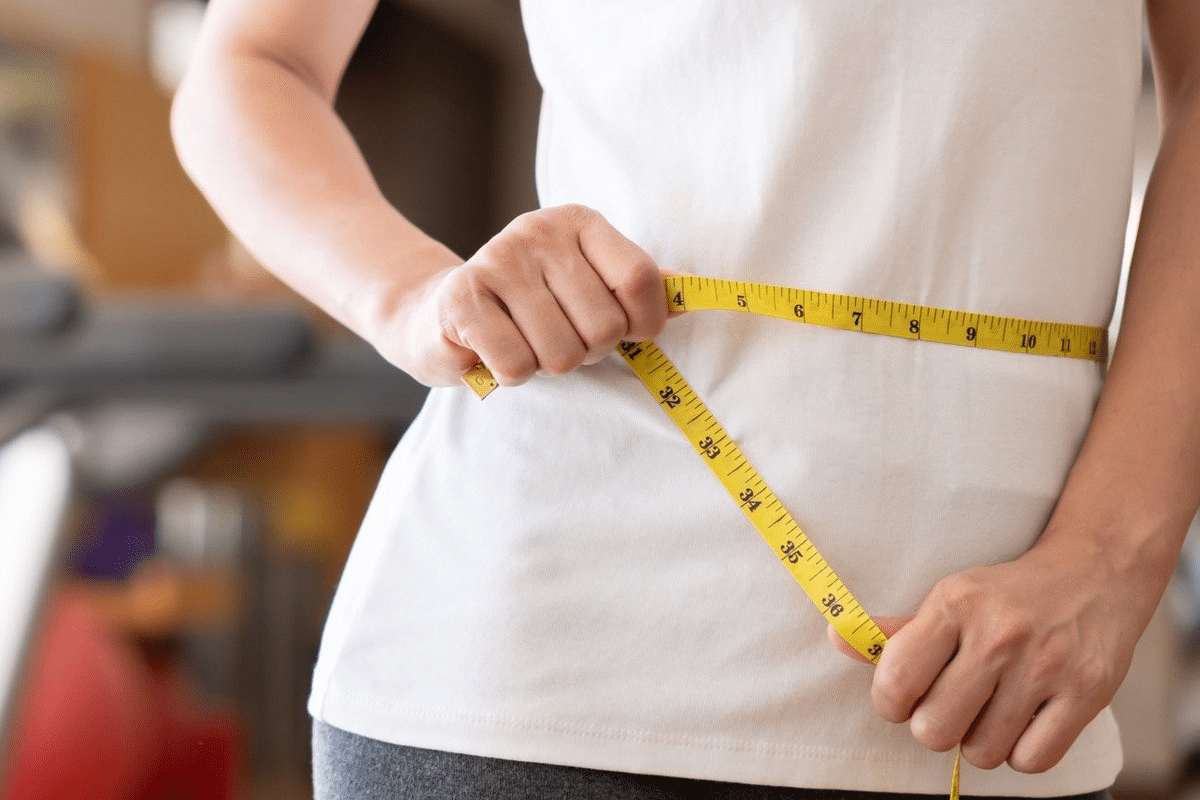
Aging brings changes that make losing weight harder, after 60. Our bodies change in ways that affect how we burn calories and our overall health.
Two big changes are a slower metabolism and less muscle. Knowing about these changes helps us find better ways to lose weight for people over 60.
Metabolic Slowdown After 60
Our metabolism slows down with age, making it harder to lose weight. This means we need fewer calories to stay alive. It’s easier to gain weight and harder to lose it.
Experts say, “After 60, our metabolic rate drops a lot, making it tough to manage weight.”
“The decline in metabolic rate with age is a well-documented phenomenon, and it’s a major contributor to weight gain in older adults.”
|
Age Group |
Average Metabolic Rate Decline |
|---|---|
|
40-50 |
5-10% |
|
50-60 |
10-15% |
|
60+ |
15-20% |
Muscle Mass Reduction
As we age, we lose muscle mass, or sarcopenia. Muscle burns more calories than fat, even when we’re not moving. Losing muscle makes it harder to lose weight.
Factors Contributing to Muscle Mass Reduction:
- Reduced physical activity
- Hormonal changes
- Aging-related changes in muscle protein synthesis
Resistance training helps fight muscle loss. People over 60 can keep their muscle mass by doing strength training exercises. This supports their metabolic health.
Why Weight Loss Becomes More Challenging

Weight loss after 60 is tough, mainly because of changes in how our body works. As we get older, our body changes in ways that make losing weight harder. Knowing these changes helps us find better ways to lose weight.
The 0.7% Annual Metabolic Decline
One big reason weight loss is hard after 60 is our metabolism slows down. Studies show our metabolism drops by about 0.7% every year after 40. This means we burn fewer calories, making it easier to gain weight and harder to lose it. To fight this, we need to eat fewer calories and move more.
A well-known expert in aging and metabolism says, “The secret to losing weight in older adults isn’t just eating less. It’s also keeping muscle through strength training.”
“Aging is not just about the number of years lived, but about the quality of those years. Keeping fit through exercise and good food is key.”
Increased Body Fat Percentage
Another hurdle for those over 60 is gaining more body fat. As we age, we lose muscle and gain fat, often around the belly. This not only changes how we look but also raises the risk of serious health problems like diabetes and heart disease. Regular exercise, like strength training, can help fight this.
To tackle these challenges, we need a complete plan. This includes eating right, staying active, and making lifestyle changes. By understanding why we gain weight after 60, we can find ways to beat it.
A study on older adults and weight loss showed that diet and exercise together can lead to big weight loss and better health. Important parts were eating fewer calories, more protein, and staying active.
- Adjust caloric intake according to metabolic changes
- Incorporate strength training to maintain muscle mass
- Increase physical activity levels
Setting Realistic Weight Loss Goals
Setting achievable weight loss goals is key for those over 60. Our bodies change with age, affecting our metabolism and health. Knowing how to set realistic goals is essential for successful weight loss.
Determining Your Healthy Weight Range
To set realistic goals, first find your healthy weight range. A healthcare provider can help by considering your health and body composition. The body mass index (BMI) is often used, but it might not be perfect for seniors.
Women over 60 face challenges in losing weight due to menopause and aging. But, with the right advice, reaching a healthy weight is possible. It’s important to talk to a healthcare provider about your goals.
Creating Achievable Milestones
After finding your healthy weight range, set achievable milestones. Break down your goal into smaller, manageable targets. Losing 1-2 pounds a week is a good guideline. This makes your goal less overwhelming and more achievable.
- Set specific weight loss targets
- Create a timeline for achieving these targets
- Monitor your progress regularly
- Adjust your plan as needed based on your progress
By setting realistic goals and milestones, seniors can successfully lose weight. It’s about making lasting lifestyle changes, not quick fixes. Work with your healthcare provider to create a weight loss plan that fits your needs.
Nutrition Fundamentals for Seniors
Proper nutrition is key for seniors to tackle aging challenges, like weight loss after 60. Our bodies change with age, affecting our nutritional needs. Knowing these changes helps keep us healthy and reach weight loss goals.
Caloric Needs After 60
After 60, we need fewer calories because of less muscle and more fat. This can lead to weight gain if not managed. It’s essential to adjust our caloric intake to meet our new energy needs. Quality calories are more important than quantity.
To find the right caloric intake, consider activity level, health, and weight loss goals. A healthcare professional or a registered dietitian can offer personalized advice.
|
Age Group |
Activity Level |
Recommended Daily Caloric Intake |
|---|---|---|
|
60-70 |
Sedentary |
1,600-2,000 calories |
|
60-70 |
Moderately Active |
2,000-2,400 calories |
|
70+ |
Sedentary |
1,400-1,800 calories |
|
70+ |
Moderately Active |
1,800-2,200 calories |
Essential Nutrients for Aging Bodies
Aging bodies need a balanced mix of nutrients to stay healthy. Protein helps keep muscle mass, while fiber aids digestion. Seniors also need vitamins D and B12, calcium, and healthy fats.
Eat a variety of whole foods like fruits, vegetables, whole grains, lean proteins, and healthy fats. This ensures you get all the necessary nutrients.
By understanding and addressing our changing nutritional needs, we can better support our overall health and achieve our weight loss goals after 60.
Creating a Sustainable Eating Plan
Making smart food choices is key for seniors. As we get older, our bodies change, and we need different nutrients. A balanced diet is important for losing weight, which is harder after 60.
We should focus on foods that are full of vitamins, minerals, and proteins. For seniors, it’s important to eat foods high in protein and fiber.
Protein-Rich Foods for Muscle Preservation
Protein helps keep muscle mass, which decreases with age. Eating foods high in protein helps seniors keep their strength and health. Good sources include:
- Lean meats like chicken, turkey, and lean beef
- Fish and seafood, rich in omega-3 fatty acids
- Eggs and dairy products
- Legumes such as lentils, chickpeas, and black beans
- Nuts and seeds, including almonds and chia seeds
Seniors should aim for 1.0 to 1.2 grams of protein per kilogram of body weight daily. For example, a 70 kilogram senior needs 70 to 84 grams of protein each day.
|
Food |
Protein Content per Serving |
|---|---|
|
Chicken breast |
31 grams per 3 oz serving |
|
Lentils |
18 grams per 1 cup cooked |
|
Greek yogurt |
20 grams per 1 cup |
Fiber Sources for Digestive Health
Fiber is vital for good digestion and preventing constipation, common in seniors. It also helps control blood sugar and makes you feel full, aiding in weight loss.
Great fiber sources include:
- Whole grains like brown rice, quinoa, and whole-wheat bread
- Fruits such as apples, berries, and pears
- Vegetables like broccoli, carrots, and Brussels sprouts
- Legumes, including beans, lentils, and peas
Seniors should aim for 25-30 grams of fiber daily. A diet rich in fiber boosts digestive health and overall well-being.
By adding protein-rich foods and fiber to their diet, seniors can make a plan that helps with weight loss and health. It’s also important to drink plenty of water and avoid processed foods and added sugars.
How to Lose Weight After 60 Through Exercise
Exercise is key for managing weight after 60. It boosts both physical and mental health. As we age, our metabolism and muscle mass change, making exercise vital for weight loss.
Strength Training to Combat Muscle Loss
For those over 60, muscle loss is a big worry. Strength training helps fight this. It builds and keeps muscle, boosting metabolism. Activities like weightlifting, resistance bands, or squats and lunges are good.
A simple strength training routine might include:
- Lifting light weights or resistance bands
- Exercises targeting major muscle groups
- 2-3 sets of 8-12 repetitions
Low-Impact Cardio Options
Low-impact cardio is also key for heart health without joint strain. Brisk walking, swimming, cycling, or elliptical machines are great. They burn calories, improve heart health, and boost endurance.
Seniors should pick low-impact cardio to avoid injuries. Swimming is excellent for a full-body workout without joint stress.
Combining strength training with low-impact cardio is a good plan for over 60s. It supports weight loss and health. Always talk to a healthcare provider before starting any new exercise to make sure it fits your needs.
Managing Health Conditions During Weight Loss
For people over 60, losing weight means managing health conditions well. As we age, our bodies change, affecting our health and weight loss. It’s key to think about these changes when planning to lose weight.
Working With Your Healthcare Provider
Always talk to your healthcare provider before starting a weight loss plan, if you have health issues. They can:
- Help you understand your health
- Spot risks in weight loss
- Create a plan that fits you
Your healthcare provider will also watch your progress and adjust your plan if needed. This teamwork helps you lose weight safely and well.
Adapting Strategies for Arthritis and Joint Pain
If you have arthritis or joint pain, adjust your weight loss plan to avoid pain and injury. Here’s how:
- Low-Impact Exercises: Try swimming, cycling, or yoga, which are easy on your joints.
- Pain Management: Work with your doctor to manage pain, so you can stay active.
- Nutritional Adjustments: Eat foods that fight inflammation, like omega-3s and antioxidants.
By changing your weight loss plan for arthritis and joint pain, you can reach your goals and stay healthy.
Addressing Sleep and Stress
Weight loss after 60 is more than just cutting calories. It’s also about managing sleep and stress. As we age, our bodies change, affecting our sleep and stress levels. Both are key for losing weight.
The Connection Between Sleep and Weight
Sleep is vital for weight management. Poor sleep can mess with hunger hormones, leading to overeating and weight gain. Adequate sleep helps keep a healthy metabolism and aids in weight loss.
Studies show that less sleep means more hunger hormone and less fullness hormone. This imbalance can increase appetite and calorie intake. It makes losing weight harder.
Stress Management Techniques
Chronic stress can stop weight loss by increasing belly fat. Effective stress management is key for losing weight after 60.
Several stress management techniques are helpful, including:
- Meditation and mindfulness practices
- Yoga and tai chi
- Deep breathing exercises
- Progressive muscle relaxation
|
Technique |
Description |
Benefits |
|---|---|---|
|
Meditation |
Practice focusing your mind on a single point |
Reduces stress, improves mental clarity |
|
Yoga |
Combine physical postures, breathing techniques, and meditation |
Enhances flexibility, reduces stress, improves balance |
|
Deep Breathing |
Focus on slow, deep breaths to calm the mind and body |
Reduces anxiety, promotes relaxation |
By tackling sleep and stress, people over 60 can greatly improve their health. Adding stress management to daily routines can improve sleep and reduce stress. This leads to a more successful weight loss journey.
Medication Considerations
Medications can play a big role in weight loss for people over 60. As we get older, we might take medicines for health issues. Some of these can change how much we weigh.
Common Medications That Affect Weight
Many medicines can impact our weight loss goals. Here are some examples:
- Corticosteroids: These are for inflammation and autoimmune diseases. They can make us gain weight.
- Antidepressants: Some, like SSRIs, can cause weight gain in people.
- Antipsychotics: Some of these medicines can lead to a lot of weight gain.
- Beta-blockers: These are for heart issues and high blood pressure. They can slow down our metabolism.
Discussing Alternatives With Your Doctor
If you’re gaining weight or having trouble losing it because of your medicine, talk to your doctor. Here’s how to start:
- Review your medications: List all your medicines and how much you take.
- Discuss your concerns: Tell your doctor about your weight loss problems.
- Explore alternatives: Ask if there are other medicines that might not affect your weight as much.
- Monitor your progress: Work with your doctor to keep an eye on your weight. Change your treatment plan if needed.
Understanding how medicines affect our weight and talking to our doctors can help us make better choices. This way, people over 60 can find the right balance for their health and weight loss goals.
Building a Support System
A good support system is key for seniors to lose weight and keep it off. Having people who get and support your goals can really help. It makes your weight loss journey easier.
Finding Workout Partners Your Age
Working out with people your age is very helpful. You can share experiences and understand each other’s challenges better. For example, SilverSneakers offers classes and events for seniors.
It’s easy to find workout buddies by joining a local fitness class or gym for seniors. Many community centers have programs for older adults. This is a great way to meet others who are like you.
Online Communities for Senior Weight Loss
Online communities are great for seniors today. Websites and forums focused on senior weight loss offer support and advice. For instance, AARP has forums and resources for seniors wanting to lose weight and get healthier.
Online communities have many benefits:
- Access to lots of experiences and advice
- Connecting with others who face similar challenges
- Flexibility to join in anytime, from home
One senior said in an online forum, “Finding others on the same journey is very motivating. It’s comforting to know I’m not alone.”
|
Support System Element |
Benefits |
|---|---|
|
Workout Partners |
Shared experience, mutual motivation, social interaction |
|
Online Communities |
Accessibility, diverse advice, flexible participation |
Seniors can build a strong support system by combining workout buddies and online communities. This way, they meet their unique needs and preferences.
Success Stories: Weight Loss After 60
Many people have lost weight after 60 and changed their lives for the better. We’re inspired by those who have made this journey. We’re excited to share some of these amazing stories with you.
Real-Life Transformations
People have lost a lot of weight after 60 by changing their diet, exercising, and adjusting their lifestyle. For example, John, a 65-year-old retiree, lost 30 pounds in six months. He did this by adding strength training and eating more protein.
Mary, a 62-year-old grandmother, lost 25 pounds by eating healthier and walking briskly. These stories show that it’s possible to lose weight at any age.
Common Success Factors
While everyone’s journey is different, some common factors help with weight loss after 60. These include:
- Consistency: Sticking to a healthy diet and exercise plan.
- Support: Having family, friends, or a weight loss group for motivation.
- Professional Guidance: Getting advice from healthcare professionals to create a weight loss plan.
|
Success Factor |
Description |
Benefit |
|---|---|---|
|
Consistent Exercise |
Regular physical activity tailored to age and health |
Improved overall health and weight management |
|
Balanced Nutrition |
Eating a diet rich in essential nutrients |
Supports weight loss and overall well-being |
|
Professional Support |
Guidance from healthcare professionals |
Personalized advice for safe and effective weight loss |
These success stories and factors show that losing weight after 60 is possible. With the right mindset and support, it can be a life-changing experience.
Conclusion: Maintaining Your Progress
Keeping up with weight loss is key for lasting success. By using the tips from this guide, you can not only hit your weight loss targets. You can also keep a healthy lifestyle going.
It’s vital to keep up with the diet and workout habits that helped you lose weight. Watching your progress and tweaking your plan as needed will keep you on the right path.
Make sure to keep eating protein, fiber, and doing strength training. This helps keep your muscles strong and your health good. It also prepares you for the ups and downs of keeping weight off.
Stick to these tips and stay focused on your goals. This way, you can keep losing weight and enjoy a healthier life for a long time.
FAQ
What are the biggest challenges to losing weight after 60?
Losing weight after 60 is tough. It’s because of a slower metabolism, less muscle, and hormonal changes. Health issues and some medicines can also make it harder.
How can I determine a healthy weight range for myself after 60?
To find a healthy weight, think about your height, body type, and health. Talk to your doctor to set a weight loss goal that’s right for you.
What nutritional changes can help support weight loss after 60?
Eating foods rich in nutrients is key. Focus on protein, fiber, and healthy fats. Also, watch your calorie intake and adjust your diet as needed.
What types of exercise are most effective for weight loss after 60?
Combining strength training and low-impact cardio works well. Choose exercises you enjoy and can do, even with physical limits.
How can I manage health conditions, such as arthritis, during weight loss?
Work with your doctor to adjust your weight loss plan for health issues. This might mean changing your workout or medicine.
Why is sleep important for weight loss after 60?
Good sleep helps control hunger and metabolism. Aim for 7-9 hours a night to aid in weight loss.
How can stress impact weight loss, and what can I do to manage it?
Stress can make it hard to lose weight by raising cortisol levels. Try stress-reducing activities like meditation or yoga.
Can certain medications affect weight loss after 60?
Yes, some medicines, like steroids and antidepressants, can affect weight. Talk to your doctor about this and find other options if needed.
How can I stay motivated and accountable during my weight loss journey?
Having a support system is key. Celebrate small wins and track your progress to stay on track.
Is it possible to maintain weight loss after 60, and how can I do it?
Keeping weight off after 60 takes ongoing effort. Stick to healthy eating and exercise. Sustainable lifestyle changes and support help keep you on track.
Government Health Resource. Evidence-Based Medical Guidance. Retrieved from https://www.nejm.org/doi/full/10.1056/NEJMoa1616338