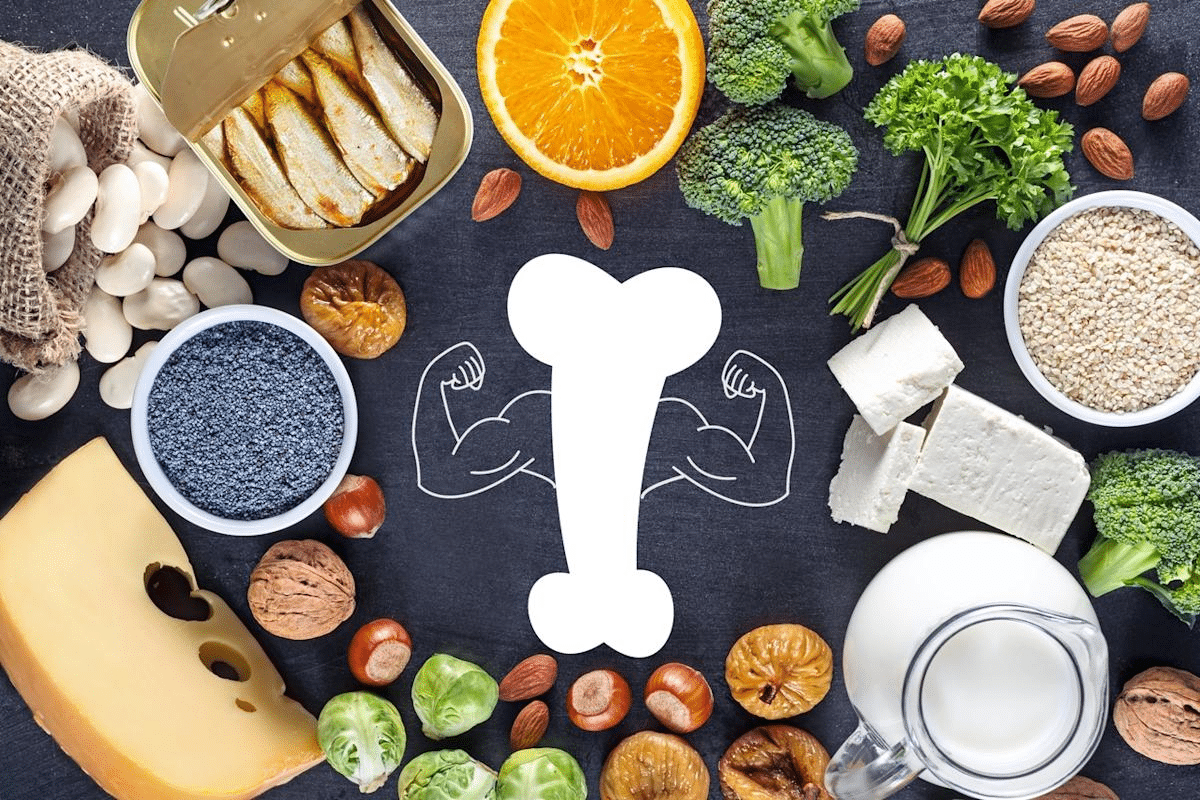
Osteoporosis is a big health problem worldwide, hitting over 200 million people. Our bones are key to our health, giving us structure and protecting our organs. But, many of us don’t think about strong bones until we get a fracture.Wondering how to make your bones stronger? This essential guide covers the top foods and nutrients needed for optimal bone health.
Eating well is essential for bone health. At Liv Hospital, we focus on keeping bones strong. Knowing how diet helps bones is the first step to avoiding osteoporosis and fractures.
Key Takeaways
- Understanding the importance of bone health is vital for overall well-being.
- A diet rich in essential nutrients is vital for maintaining strong bones.
- Osteoporosis affects over 200 million people worldwide, making prevention key.
- Including the right foods in your diet can help strengthen your bones.
- A well-balanced diet is a critical component of maintaining bone health.
The Silent Epidemic: Understanding Bone Health
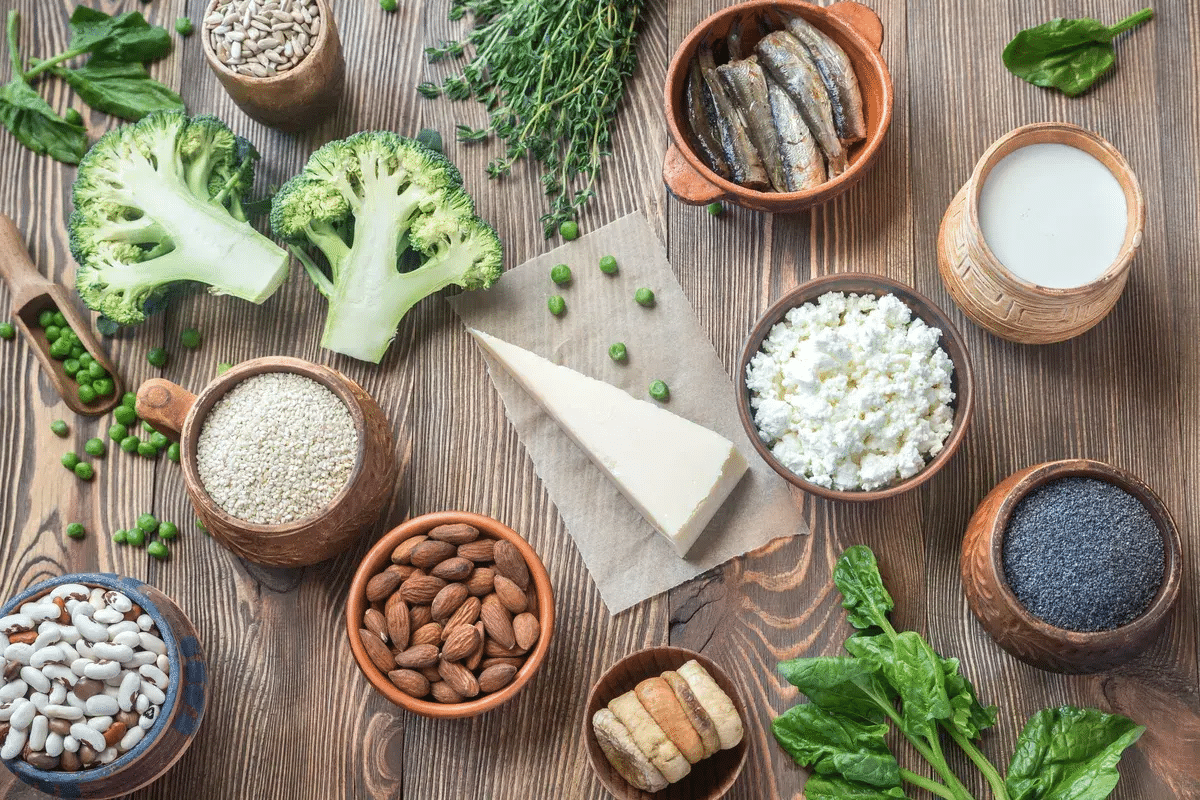
Osteoporosis is a big problem worldwide, affecting millions. It makes bones weak, leading to more fractures. Knowing about it and how bones grow is key to keeping them strong.
Global Statistics on Osteoporosis
In the U.S., 12.6 percent of adults over 50 have osteoporosis. Every year, over 8.9 million fractures happen because of it. The World Health Organization says one in three women and one in five men over 50 will break a bone because of it.
|
Age Group |
Prevalence of Osteoporosis |
|---|---|
|
50-59 years |
4.4% |
|
60-69 years |
12.1% |
|
70-79 years |
23.4% |
|
80 years and over |
34.9% |
How Bones Develop and Change Throughout Life
The body always changes bone tissue. Young people make new bone faster than they lose it. But, as we get older, losing bone tissue can happen faster than making new one.
To keep bones strong, eat foods with calcium and vitamin D, exercise, and live healthily. Foods like dairy, leafy greens, and fortified foods help. Knowing how bones change helps us see why keeping them healthy is so important.
The Science of Bone Strength and Density

The science behind bone strength and density is complex. It shows how our bones stay healthy. Bone strength comes from two main things: bone mineral density and bone microarchitecture.
Bone Mineral Density Explained
Bone mineral density (BMD) measures the minerals in your bones, like calcium. High BMD means strong bones. Low BMD means a higher risk of osteoporosis and fractures. Bone mineral density tests check BMD in places like the hips, spine, or forearm.
Calcium and vitamin D are key for strong bones, mainly in young adulthood. Eating enough of these nutrients helps keep bones strong as we age.
Microarchitecture and Fracture Risk
Bone microarchitecture is the inside of bone tissue. It includes the shape of small bones and how porous the bone is. A good microarchitecture helps bones handle stress. Poor microarchitecture can lead to fractures, even with normal BMD.
How Diet Affects Bone Remodeling
Diet is very important for bone health. It affects bone remodeling, the process of bone breaking down and building up. Foods rich in calcium, vitamin D, magnesium, and vitamin K help keep this balance right.
|
Nutrient |
Role in Bone Health |
Food Sources |
|---|---|---|
|
Calcium |
Essential for bone mineralization |
Dairy products, leafy greens, fortified foods |
|
Vitamin D |
Regulates calcium absorption |
Fatty fish, fortified dairy, sunlight exposure |
|
Magnesium |
Involved in bone mineralization and density |
Nuts, seeds, whole grains |
|
Vitamin K |
Helps activate proteins involved in bone mineralization |
Leafy greens, fermented foods |
Knowing how bone strength and density work helps us make better choices. We can support our bone health through diet and lifestyle choices.
Risk Factors That Compromise Bone Health
Bone health can be affected by many things, like genetics, lifestyle, and medical conditions. Knowing these risks helps us take steps to keep our bones strong.
Genetic and Demographic Factors
Genetics play a big role in bone health. If your family has osteoporosis, you might get it too. Age, gender, and ethnicity also matter. Women, for example, are more at risk after menopause because of lower estrogen levels.
Lifestyle Impacts: Smoking Increases Risk 2.46 Times
Our lifestyle choices affect our bones. Smoking weakens bones and raises osteoporosis risk by 2.46 times. It harms bone health by cutting off blood flow and reducing calcium absorption. Drinking too much alcohol also hurts bone health by messing with calcium and bone formation.
Medical Conditions: Diabetes Increases Risk 3.78 Times
Some health issues can harm bone health. Diabetes makes osteoporosis risk go up by 3.78 times. High blood sugar can damage nerves and circulation, affecting bones. Other conditions like thyroid problems and rheumatoid arthritis can also lower bone density.
Knowing these risks helps us protect our bones. We can make better lifestyle choices and manage our health better.
How to Make Your Bones Stronger Through Nutrition
To make your bones stronger, focus on foods that help bone density. About 69 percent of people don’t get enough calcium. We’ll look at key nutrients for bone health and how to get them right.
The Foundation: Calcium and Vitamin D
Calcium and vitamin D are key for strong bones. Calcium builds and keeps bones dense. Vitamin D helps your body use calcium. You can find calcium in dairy, greens, salmon, and soy products. Vitamin D comes from sunlight, supplements, and fatty fish.
Key calcium-rich foods include:
- Dairy products like milk and cheese
- Leafy greens such as kale and broccoli
- Fortified plant-based milk and tofu
- Salmon and sardines with bones
Supporting Nutrients: Magnesium, Vitamin K, and Phosphorus
Other nutrients are also vital for bone health. Magnesium helps with calcium use, vitamin K directs calcium to bones, and phosphorus is key for bone structure.
Foods rich in these supporting nutrients include:
- Magnesium-rich foods: dark leafy greens, nuts, and whole grains
- Vitamin K-rich foods: leafy greens, fermented foods like sauerkraut
- Phosphorus-rich foods: meat, fish, eggs, and dairy products
Balancing Nutrient Intake for Optimal Absorption
It’s not just about eating the right foods. It’s also about getting the right mix for your body. Too much of one nutrient can block others. Eating a variety of whole foods helps get this balance right.
Tips for balancing nutrient intake:
- Eat a diverse diet that includes a wide range of foods.
- Be mindful of the ratio of calcium to magnesium intake.
- Ensure adequate vitamin D levels to support calcium absorption.
- Limit excessive intake of phosphorus from processed foods.
Calcium-Rich Dairy Foods for Bone Health
Calcium-rich dairy foods are key for strong bones. They are packed with calcium, a mineral we need for bone health.
Dairy products help us meet our daily calcium needs. For example, three servings a day give us about 900mg of calcium. This is a big help for our bones.
Milk, Yogurt, and Kefir Benefits
Milk, yogurt, and kefir are great for calcium. Milk is known for its calcium. Yogurt also has probiotics, which are good for our gut. Kefir is fermented milk with lots of calcium and probiotics, making it great for bones.
- Milk: Rich in calcium and vitamin D
- Yogurt: Provides calcium and probiotics for gut health
- Kefir: Offers calcium and a diverse range of probiotics
Cheese Varieties and Their Bone-Building Properties
Cheese is also full of calcium. Each type has its own benefits. For instance, parmesan cheese has a lot of calcium. Feta cheese has calcium and other minerals too.
|
Cheese Type |
Calcium Content per Ounce |
|---|---|
|
Parmesan |
331 mg |
|
Feta |
200 mg |
|
Mozzarella |
143 mg |
Fortified Dairy Alternatives for Lactose Intolerance
For those with lactose intolerance, fortified dairy alternatives are a good choice. Fortified soy beverages and other plant-based milks have calcium and vitamin D.
Adding these products to our diet helps our bones. It’s important to pick ones high in calcium and other nutrients good for bones.
Plant-Based Powerhouses for Strong Bones
Plant-based foods are key for strong bones. They are packed with minerals and vitamins needed for bone health. These nutrients help keep bones strong throughout life.
Dark Leafy Greens: Kale, Collards, and Bok Choy
Dark leafy greens are great for bones. Kale, collard greens, and bok choy are full of calcium and vitamin K. Adding them to salads or smoothies is easy.
For example, one cup of cooked kale has about 200 mg of calcium. This is 20% of what we need daily. Collard greens also have a similar amount, making them good for bones.
Calcium-Set Tofu and Soy Products
Calcium-set tofu and soy products are good for plant-based diets. They are made with calcium salts, making them rich in calcium and protein.
A 3-ounce serving of calcium-set tofu has up to 250 mg of calcium. Many soy products also have vitamin D, which helps bones.
Nuts and Seeds: Almonds, Chia, and Sesame
Nuts and seeds are also good for bones. Almonds, chia seeds, and sesame seeds are full of minerals. Almonds have calcium and magnesium, while chia seeds have calcium and phosphorus. Sesame seeds have a lot of calcium too.
|
Nut/Seed |
Calcium Content per Serving |
Additional Minerals |
|---|---|---|
|
Almonds (1 oz) |
75 mg |
Magnesium, Phosphorus |
|
Chia Seeds (1 oz) |
179 mg |
Magnesium, Phosphorus |
|
Sesame Seeds (1 tbsp) |
88 mg |
Phosphorus, Magnesium |
Beans and Legumes: Protein-Mineral Combinations
Beans and legumes are full of protein and minerals. They have calcium, magnesium, and phosphorus. Eating a variety of them helps get all the needed nutrients.
Beans like white beans, lentils, and chickpeas are good for bones. They can be added to soups, stews, and salads.
Eating these plant-based foods helps keep bones strong. It also prevents bone disorders.
Protein and Omega-3 Sources for Bone Structure
A diet rich in protein and omega-3 fatty acids is key for strong bones. Protein helps build and keep bones strong. Omega-3 fatty acids also support bone health.
Fatty Fish: Salmon, Mackerel, and Sardines
Fatty fish like salmon, mackerel, and sardines are full of omega-3s. These nutrients help keep bones dense and fight inflammation. Adding fatty fish to your meals a few times a week is easy.
Omega-3s in fatty fish are good for bones and overall health. Studies show they can lower the risk of osteoporosis and fractures.
Lean Meats and Their Role in Collagen Formation
Lean meats are important protein sources for bone health. They help build collagen, which is key for strong bones. Collagen is a protein found in bones, skin, and connective tissue.
Eating lean meats like chicken, turkey, and lean beef helps bones. It’s also good to mix up your protein sources for all essential amino acids.
Plant Protein Options for Vegetarians and Vegans
Vegetarians and vegans have many plant-based protein options. Beans, lentils, tofu, and tempeh are high in protein and good for bones.
Nuts and seeds, like almonds and chia seeds, are also great. They’re full of protein and minerals like calcium and magnesium. These are important for bone density. Adding these to your meals supports bone health.
By eating a variety of protein sources and omega-3 rich foods, you can help keep bones strong. This reduces the risk of bone-related problems.
Foods and Beverages That May Harm Bone Density
What we eat is key to keeping our bones strong. But, some foods and drinks can actually harm our bones. Knowing which ones to avoid is important for our bone health.
High-Sodium Foods and Calcium Excretion
High-sodium foods can make our bodies lose calcium. This is bad for our bones. When we eat too much sodium, our bodies get rid of more calcium than they should.
A study in the Journal of Bone and Mineral Research showed that too much sodium can lead to bone loss. To avoid this, it’s best to keep sodium intake under 2,300 milligrams a day.
|
Food Item |
Sodium Content (mg) |
Calcium Excretion Effect |
|---|---|---|
|
Processed Frozen Meal |
800-1000 |
High |
|
Canned Soup |
900-1200 |
High |
|
Fresh Vegetable |
10-50 |
Low |
Caffeine, Alcohol, and Carbonated Beverages
Caffeine, alcohol, and fizzy drinks can also harm our bones. Too much caffeine can stop our bodies from absorbing calcium. Alcohol can hurt the cells in our bones, making them weaker.
“Moderate consumption of caffeine and alcohol is key to minimizing their negative impacts on bone health.”
Nutritional Guidelines for Bone Health
Drinks with phosphoric acid, like some sodas, can mess up our calcium and phosphorus levels. This can weaken our bones. Drinking less of these can help keep our bones healthy.
Ultra-Processed Foods and Bone-Depleting Additives
Ultra-processed foods often have additives that are bad for our bones. These foods are usually high in sodium, sugar, and unhealthy fats but low in good nutrients.
Additives like phosphates can upset our mineral balance, leading to weaker bones. Paying attention to what’s in our food can help us choose better options.
- Limit ultra-processed foods
- Choose whole, nutrient-dense foods
- Read labels carefully to avoid harmful additives
Knowing which foods and drinks can harm our bones helps us make better choices. This way, we can protect our bone health.
Practical Meal Planning for Stronger Bones
Adding bone-friendly foods to your meals is a great way to strengthen your bones. We’ll show you how to make a meal plan that boosts bone health. This way, you’ll get all the nutrients you need for strong bones.
Bone-Building Breakfast Ideas
Starting your day with a nutritious breakfast is key for bone health. Choose foods rich in calcium and vitamin D like fortified cereals, Greek yogurt, or scrambled eggs with spinach.
Try oatmeal with almonds, dried figs, and low-fat milk for breakfast. It’s packed with calcium, fiber, and protein. Medical Expert, a top nutritionist, says, “A healthy breakfast sets the day right, boosting health and well-being.”
“The way we eat our breakfast can have a significant impact on our bone health throughout the day.”
Medical Expert
Lunch and Dinner Combinations for Maximum Calcium
For lunch and dinner, mix protein with foods high in calcium. Grilled salmon with broccoli and quinoa is a great choice. It gives you omega-3s, calcium, and protein.
Another good idea is a bean salad with greens, tomatoes, and sesame seeds. This mix boosts calcium absorption and strengthens bones.
Nutrient-Dense Snacks and Smoothies
Snacks are a chance to add more nutrients to your diet. Opt for almonds, cheese, or edamame. For smoothies, blend yogurt, spinach, banana, and chia seeds for a drink full of nutrients.
Nutrient-rich snacks keep energy up and support bone health. Make snacks ahead of time to always have healthy options.
Weekly Meal Plan Example
Here’s a weekly meal plan with bone-healthy foods:
- Monday: Breakfast – Greek yogurt with berries and walnuts; Lunch – Grilled chicken salad with kale and quinoa; Dinner – Baked salmon with roasted broccoli.
- Tuesday: Breakfast – Overnight oats with almond milk and chia seeds; Lunch – Turkey and avocado wrap with mixed greens; Dinner – Stir-fry with tofu, bok choy, and brown rice.
- Wednesday: Breakfast – Smoothie bowl with banana, spinach, and almond milk topped with almonds; Lunch – Lentil soup with whole-grain bread; Dinner – Grilled turkey breast with Brussels sprouts.
By following these meal ideas, you can improve your bone health. Remember, a good diet is just part of the equation. Exercise and a healthy lifestyle are also key for strong bones.
Beyond Diet: Complementary Approaches to Bone Health
There’s more to bone health than just what we eat. A balanced diet is key, but other lifestyle choices matter too. They help keep our bones strong.
Weight-Bearing and Resistance Exercises
Exercise is vital for strong bones. Activities like walking, running, and dancing are great. They help bones grow and get stronger.
Using weights or bands for resistance training also boosts bone density. This is very helpful for older adults.
Safe Sun Exposure for Vitamin D Synthesis
Vitamin D is important for bone health. Getting some sun is a natural way to get more of it. Just 10-15 minutes outside during the day can help.
But, we must protect our skin from too much sun. Use sunscreen and wear clothes that cover skin after a short sun exposure.
Supplements: When and How to Use Them Effectively
Even with a good diet, supplements can help. Calcium and vitamin D are often recommended for bones.
Always talk to a doctor before taking supplements. They can help figure out what’s best for you.
|
Approach |
Benefits |
Recommendations |
|---|---|---|
|
Weight-Bearing Exercises |
Improves bone density, stimulates bone growth |
Engage in activities like walking, running, or dancing regularly |
|
Safe Sun Exposure |
Boosts vitamin D synthesis |
Spend 10-15 minutes outside during peak sun hours without sunscreen |
|
Supplements |
Fills nutritional gaps, supports bone health |
Consult with a healthcare provider to determine the best supplements and dosages |
Conclusion: Building a Lifetime of Bone Health
Maintaining strong bones is a lifelong journey. It needs a balanced diet, regular exercise, and healthy choices. By following the tips in this article, you can help keep your bones strong and lower osteoporosis risk.
Eating right is key for bone health. We talked about foods like dairy, dark leafy greens, and fortified foods. They are great for your bones.
Exercise and vitamin D from the sun are also important. They help keep your bones strong. By choosing healthy habits, you can keep your bones strong for life. This reduces the chance of fractures and osteoporosis.
By focusing on bone health, we help people take charge of their bones. They can make smart choices for their overall health.
FAQ
What are the best foods for bone health?
For strong bones, eat foods rich in calcium like milk, yogurt, and cheese. Dark leafy greens and calcium-set tofu are also good. Nuts, seeds, and beans are great too. Fatty fish, lean meats, and plant-based proteins are also beneficial.
How does diet affect bone remodeling?
Diet is key for bone health. It gives bones the nutrients they need, like calcium and vitamin D. A balanced diet keeps bones strong.
What are the risk factors that compromise bone health?
Several factors can harm bone health. These include genetics, lifestyle choices like smoking, and medical conditions like diabetes. Knowing these risks helps protect your bones.
How can I make my bones stronger through nutrition?
To strengthen bones, eat a diet full of calcium, vitamin D, and other nutrients. Include dairy, dark leafy greens, nuts, seeds, and beans in your meals.
What foods should I avoid to maintain strong bones?
Avoid foods that can harm bones, like high-sodium foods and caffeine. Also, limit alcohol and carbonated drinks. These can weaken bones.
Are there any plant-based options for maintaining strong bones?
Yes, plant-based foods like dark leafy greens and nuts are great for bones. Fortified dairy alternatives are also good for those with lactose intolerance.
How can I plan meals to support stronger bones?
Plan meals with bone-building foods. Include calcium-rich foods for breakfast, lunch, and dinner. Snack on nutrient-dense foods. A weekly meal plan can guide your choices.
Are there any complementary approaches to bone health beyond diet?
Yes, exercises like weight-bearing and resistance training help bones. Safe sun exposure boosts vitamin D. Supplements can also support bone health.
What is the importance of calcium and vitamin D for bone health?
Calcium and vitamin D are vital for bones. Calcium helps bones grow strong, and vitamin D regulates calcium levels. Both are essential for bone health.
How do protein and omega-3 sources contribute to bone structure?
Protein and omega-3 sources are important for bones. Fatty fish, lean meats, and plant-based proteins provide nutrients that support bone health.
References
World Health Organization. Evidence-Based Medical Guidance. Retrieved from https://www.who.int/news-room/fact-sheets/detail/osteoporosis