
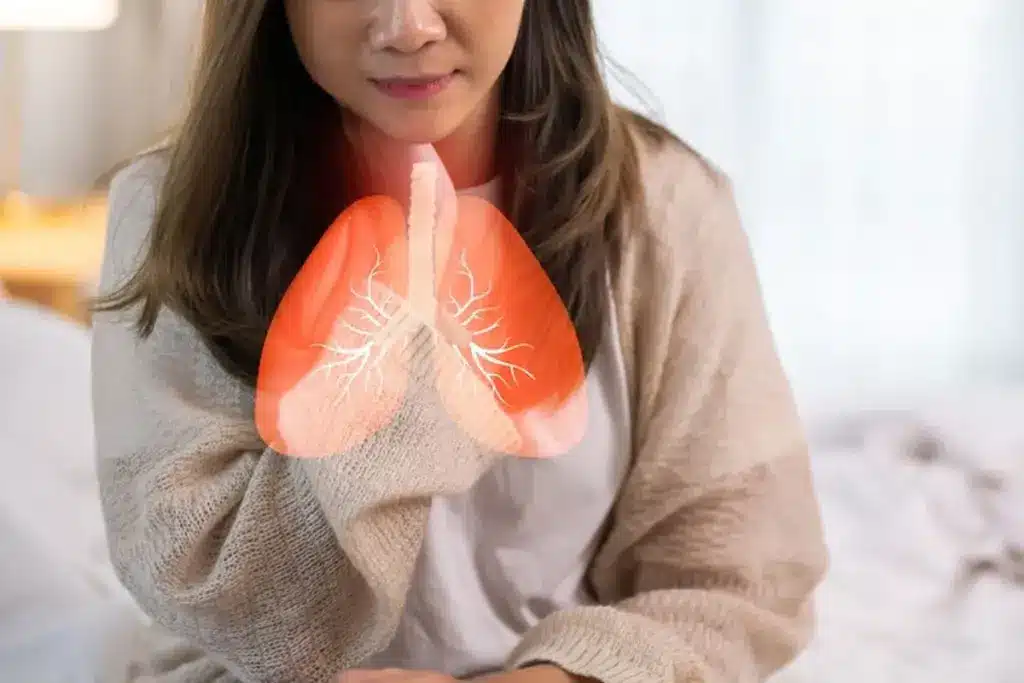
If you cough a lot, wheeze, or feel tight in your chest, it might be an outdoor mold allergy. This allergy can harm your lungs.
Mold allergies are a big health issue. They affect 3 to 10 percent of people. For those with asthma, it can be as high as 80 percent.
The American Academy of Allergy, Asthma & Immunology says mold allergies make the immune system react to harmless molds. This can cause lung allergy symptoms. These symptoms can be mild or very severe.
At Liv Hospital, we offer trusted care to help you deal with outdoor mold allergy symptoms.
Key Takeaways
- Outdoor mold allergy is a significant respiratory health concern.
- Mold allergies affect 3 to 10 percent of the general population.
- Prevalence is as high as 80 percent in individuals with asthma.
- Mold allergies trigger a range of respiratory symptoms.
- Liv Hospital offers expert care for managing outdoor mold allergy symptoms.
Understanding Outdoor Mold and Its Impact on Lungs Allergy Symptoms

It’s important to know where outdoor mold comes from and how it affects our lungs. For people with allergies, outdoor mold can make breathing harder. It can also make managing symptoms more challenging.
Common Sources of Outdoor Mold Exposure
Outdoor mold thrives on rotting logs, fallen leaves, and compost piles. It also grows on decomposing plants. These places are perfect for mold to grow, thanks to damp and humid weather. The Centers for Disease Control and Prevention says mold is a natural part of our world.
Too much mold can be bad, even for those with lung diseases like asthma or COPD. For more info on mold allergy, check out the Asthma and Allergy Foundation of America’s website.
Seasonal Patterns and Geographic Variations
Mold spores grow and spread more in certain seasons. In northern areas, this usually happens from July to early fall. Places with more rain and humidity tend to have more mold spores.
Knowing these patterns helps us avoid mold better. When mold is most active, people with allergies should be extra careful.
How Mold Spores Affect Respiratory Health
Inhaling mold spores can cause allergic reactions. This can lead to various respiratory symptoms. For those with asthma, mold spores can make symptoms worse, leading to serious health problems.
Mold spores are everywhere outside and can get inside on our clothes, pets, and through open windows. By understanding where mold comes from and how it affects us, we can find ways to protect our respiratory health.
Recognizing Outdoor Mold Allergy Symptoms

Many people react to outdoor mold with allergic symptoms. These symptoms can differ from person to person. They depend on how much mold someone is exposed to and their own health.
Common Respiratory Reactions to Mold Spores
Mold spores inhaled can lead to various respiratory issues. The Medical organization Staff notes symptoms like coughing, wheezing, and shortness of breath. These happen because the body sees mold spores as threats, causing allergic reactions.
Common symptoms include:
- Coughing and wheezing
- Nasal congestion and sinus pressure
- Shortness of breath
- Sore throat
- Worsening of asthma and COPD symptoms
High-Risk Groups and Prevalence
Some groups face a higher risk of mold allergy symptoms. This includes people with asthma, COPD, and weakened immune systems.
| High-Risk Group | Prevalence of Mold Allergy Symptoms |
| Asthma Patients | Higher risk of exacerbated symptoms |
| COPD Patients | Increased risk of complications |
| Immunocompromised Individuals | Higher susceptibility to infections |
Winter Allergies: How Dormant Mold Stays Active
Mold spores can stay in the air even in winter, causing allergies. Poor ventilation and heating systems can spread mold indoors.
To manage mold allergy symptoms, it’s key to know the signs and reduce exposure. This means watching mold counts, using air purifiers, and keeping homes clean.
Effective Management Strategies for Mold Allergy Relief
Managing mold allergy symptoms needs a mix of medical treatments, controlling the environment, and self-care. Knowing these strategies helps people feel better and live better lives.
Medical Approaches and Treatments
Medical treatments are key in fighting mold allergy symptoms. The Asthma and Allergy Foundation of America says treatments include nasal corticosteroids, antihistamines, oral decongestants, and immunotherapy. These help reduce swelling, clear congestion, and make people less sensitive to mold.
“Immunotherapy is a long-term treatment that can provide significant relief for individuals with severe mold allergies,” says an expert in the field. “It’s a game-changer for those who suffer from persistent symptoms despite other treatments.”
Asthma and Allergy Foundation of America
Environmental Controls to Minimize Exposure
It’s important to limit mold exposure to manage allergy symptoms. This can be done by controlling humidity, using HEPA filters, and staying indoors when mold counts are high. Lowering exposure helps reduce symptoms.
- Keep indoor humidity levels low to prevent mold growth.
- Use HEPA filters to remove mold spores from the air.
- Avoid outdoor activities when mold counts are high.
Self-Care Practices for Symptom Relief
Self-care is also vital for managing mold allergy symptoms. This includes living a healthy lifestyle, managing stress, and knowing about mold risks. Adding these habits to daily life helps manage symptoms.
Dealing with mold allergy requires a full approach. Combining medical treatments, environmental controls, and self-care leads to better relief from mold allergy symptoms.
Conclusion
It’s important to know about outdoor mold and how it affects lung health. This knowledge helps in managing lung allergy symptoms better. By understanding where mold comes from and when, we can reduce our exposure and feel better.
Dealing with mold allergy needs a few steps. This includes getting medical help, controlling the environment, and taking care of ourselves. The Environmental Protection Agency suggests fixing leaks, lowering humidity, and cleaning mold to stop it from growing indoors. This helps lower the chance of mold allergy symptoms.
By using these methods and watching out for mold allergy symptoms, we can keep our lungs healthy. This is important for a better life. Managing mold allergy well helps avoid serious problems and keeps us feeling good.
FAQ:
What are the common sources of outdoor mold exposure?
Soil, compost piles, fallen leaves, decaying plants, and damp outdoor areas are common sources.
How do seasonal patterns affect outdoor mold growth?
Mold thrives in warm, humid, and rainy seasons, increasing spore counts in spring and fall.
What are the symptoms of outdoor mold allergy?
Sneezing, runny or stuffy nose, itchy eyes, coughing, wheezing, and sinus congestion.
Can outdoor mold cause problems during winter?
Mold exposure is usually lower in winter, but damp outdoor areas can still release spores.
How can we minimize exposure to outdoor mold?
Avoid damp areas, wear masks when gardening, keep windows closed on high-spore days, and monitor pollen/mold forecasts.
What are the effective treatments for mold allergy?
Antihistamines, nasal corticosteroids, decongestants, and allergy immunotherapy are effective treatments.
How can we alleviate mold allergy symptoms through self-care practices?
Showering after outdoor activities, washing clothes, using HEPA filters, and keeping indoor humidity low help reduce symptoms.
Are there any specific groups more prone to mold allergy?
People with asthma, other allergies, or weakened immune systems are more susceptible.
Can mold allergy be managed without medical treatment?
Mild cases can be managed with avoidance and lifestyle measures, but persistent symptoms may require medication.
References:
National Center for Biotechnology Information. Evidence-Based Medical Insight. Retrieved from https://pmc.ncbi.nlm.nih.gov/articles/PMC4397360/