
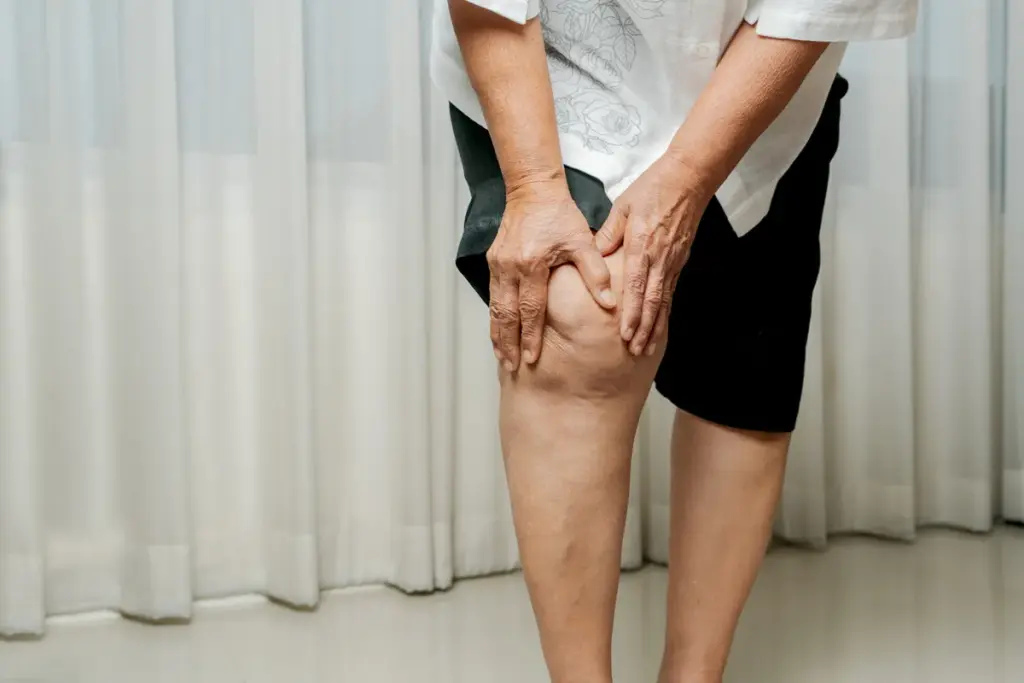
Living with osteoarthritis can make everyday tasks hard. It affects over 365 million people worldwide. Finding relief is a top priority, whether it’s mild or severe.
At Liv Hospital, our team offers patient-centered care with the latest medical knowledge. We want everyone to move freely and easily. Our care combines medical expertise with caring support for each patient.
We aim to provide top-notch medical care for those seeking advanced support. Finding the right treatment is key for your long-term health. These five strategies will help you live more actively and comfortably.
Let’s look at the best ways to manage your symptoms and improve your health. Our goal is to give you the knowledge to take control of your joints. We’re here to support you with proven clinical methods and caring guidance.
Key Takeaways
- Degenerative joint disease affects millions of people globally every year.
- We provide specialized care using the latest academic and medical protocols.
- Understanding effective management is the first step toward better mobility.
- Our team focuses on your comfort and long-term physical wellness.
- Applying these five methods can help restore your daily routine.
- International patients receive complete support at our modern facility.
Understanding Knee Joint Osteoarthritis and Its Impact
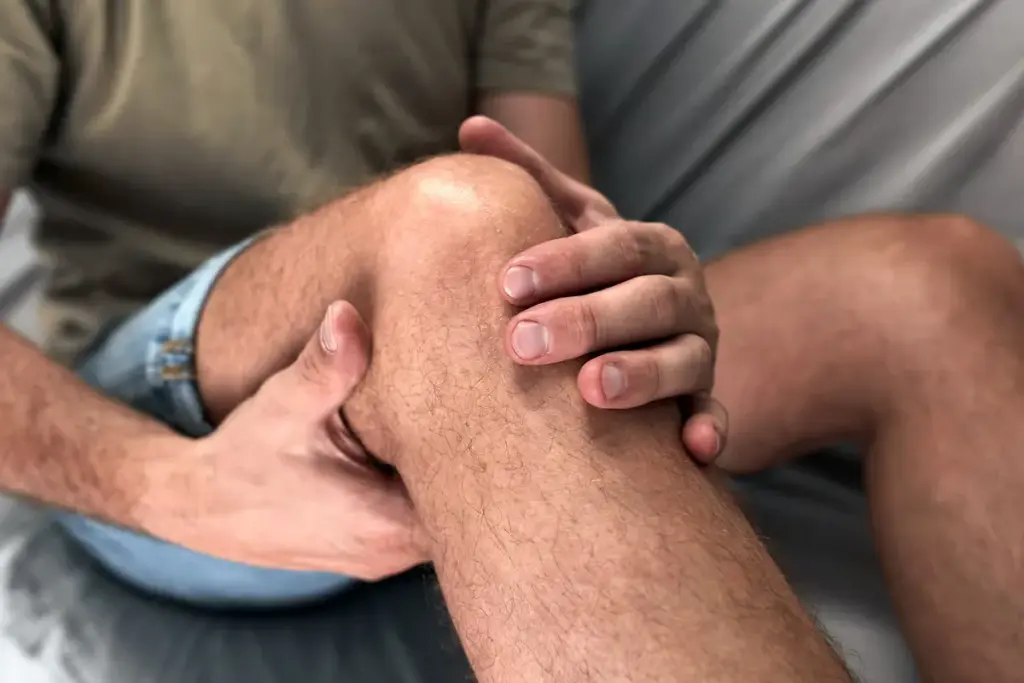
It’s important to know what causes and symptoms of knee osteoarthritis. This condition affects the knee joint, leading to pain, stiffness, and less mobility.
What Causes Osteoarthritis of the Knee
Knee osteoarthritis happens when the cartilage in the knee joint wears down. Medical Expert, injuries, repetitive stress, obesity, and genetics.
Many factors contribute to knee joint wear and tear. These include:
- Aging: Cartilage in joints naturally wears down as we age.
- Previous injuries: Fractures or sprains can increase the risk.
- Repetitive stress: Activities that stress the knee can lead to osteoarthritis.
- Obesity: Extra weight strains the knee joint.
- Genetics: Some people are more likely to get osteoarthritis due to genetics.
Recognizing Degenerative Joint Disease Symptoms
It’s key to recognize symptoms of degenerative joint disease early. Common signs include:
- Pain and stiffness in the knee, often after rest or inactivity.
- Swelling and redness around the knee.
- A grinding or crunching feeling when moving the knee.
- Less mobility and flexibility.
| Causes | Symptoms |
| Aging | Pain and stiffness |
| Previous joint injuries | Swelling and redness |
| Repetitive stress | Grinding or crunching sensation |
| Obesity | Reduced mobility |
| Genetic predisposition |
Knowing the causes and symptoms helps people get the right medical care. This way, they can manage their condition well.
Evidence-Based Strategies to Reduce Osteoarthritis Knee Pain
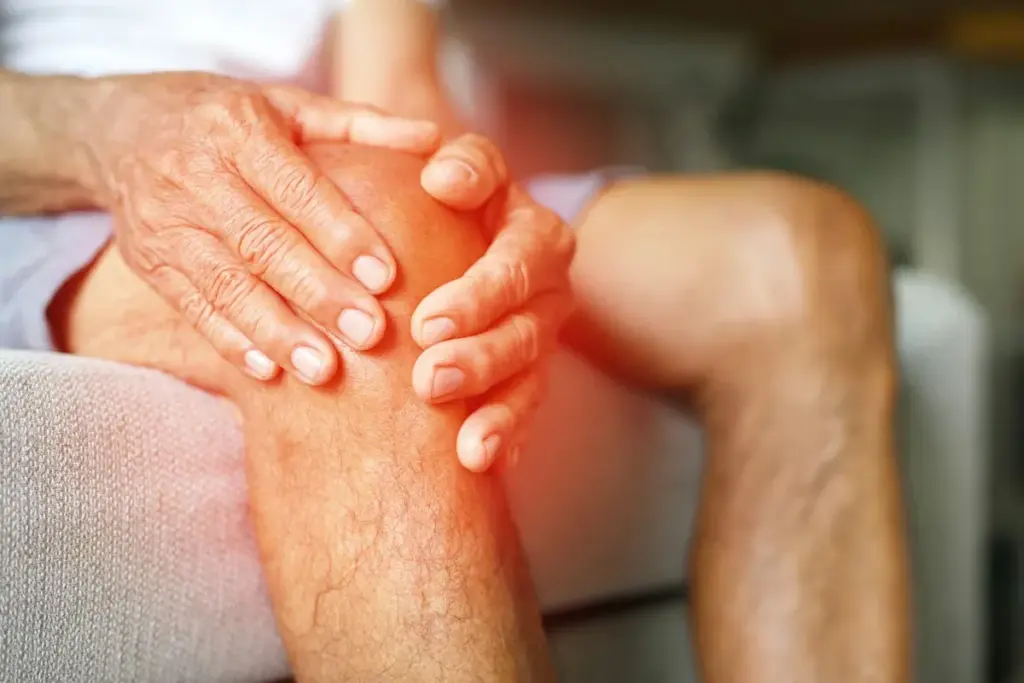
To manage osteoarthritis in knees, a detailed plan is needed. This plan should include lifestyle changes and treatments. It’s important to tackle knee joint wear and tear in a way that improves life quality. By using proven methods, people can handle arthritic knees better.
“Managing osteoarthritis means making lifestyle changes, doing physical therapy, and sometimes getting medical help,” say doctors. This all-around strategy helps lessen the effects of arthritic knees and boosts function.
1. Incorporate Low-Impact Exercise and Targeted Physical Therapy
Low-impact activities like swimming, cycling, or elliptical workouts keep joints moving. They also strengthen knee muscles without making the condition worse. Experts at LiveWell Pain Management and Orthopedic Specialists say these exercises help with OA symptoms. Targeted physical therapy can also be customized to enhance knee function and cut down pain.
2. Achieve and Maintain a Healthy Weight
Keeping a healthy weight is key to easing knee joint pressure from djd knees (degenerative joint disease). Extra weight speeds up knee wear and tear, making OA symptoms worse. Eating right and exercising regularly can help keep a healthy weight and lessen knee pressure.
3. Apply Hot and Cold Therapy for Immediate Relief
Hot and cold therapy is a straightforward yet effective way to manage oa knee pain. Cold packs reduce swelling and numb pain, while heat relaxes muscles and boosts blood flow. Switching between hot and cold can offer quick relief and is a good addition to other treatments.
Additional Treatment Options for Managing OA of Knee Joint
For those with severe osteoarthritis in knees, more treatment options can help a lot. Managing osteoarthritis of the knee joint needs a mix of strategies. These aim to ease pain and boost function.
4. Use Medications and Supplements Strategically
Medications and supplements are key in managing knee osteoarthritis. Commonly used medications include:
- Nonsteroidal anti-inflammatory drugs (NSAIDs) to reduce pain and inflammation
- Analgesics such as acetaminophen for pain relief
- Corticosteroid injections to reduce inflammation
Supplements like glucosamine and chondroitin sulfate may also help. But, their effects can differ for each person.
5. Support Your Knees with Assistive Devices and Braces
Assistive devices and braces are great for knee health. Using the right devices can help spread out weight and ease knee stress. Examples include:
- Canes or walkers to reduce weight-bearing stress
- Knee braces to provide stability and support
- Shoe inserts or orthotics to improve alignment and reduce strain
In advanced cases of degenerative arthritis knee, surgery might be needed. Potential surgical interventions include:
| Surgical Option | Description |
| Knee Replacement | Replacing the damaged knee joint with an artificial one |
| Osteotomy | Realignment of the bone to redistribute weight |
| Arthroscopy | Minimally invasive surgery to repair or remove damaged tissue |
Conclusion
Managing osteoarthritis knee pain needs a mix of lifestyle changes, specific therapies, and the right use of medicines and devices. Knowing about osteoarthritis of the knee joint helps people take action early. This can lessen its effects.
We’ve shared five ways to handle osteoarthritis knee pain. These include doing low-impact exercises, staying active with physical therapy, keeping a healthy weight, using hot and cold therapy, and choosing the right medicines and supplements. Also, using knee supports and braces can help.
People with knee pain from osteoarthritis should team up with doctors to create a plan just for them. This way, they can live better and keep their joints working well, even with degenerative knee issues.
FAQ
What is the difference between primary and secondary osteoarthritis of the knee?
Primary knee osteoarthritis develops gradually without a clear cause, usually related to aging and natural joint wear. Secondary knee osteoarthritis occurs due to an identifiable factor such as injury, deformity, infection, or underlying medical conditions.
Can weight loss really stop the progression of degenerative knee joint disease?
Weight loss cannot completely stop osteoarthritis, but it can significantly slow its progression by reducing pressure on the knee joints and decreasing pain during movement.
Is surgery the only option for severe osteoarthritis in knees?
No, surgery is not the only option. Severe cases may also be managed with medications like Ibuprofen, injections, physical therapy, and lifestyle changes, although surgery may be considered when other treatments fail.
What are the earliest signs of what is osteoarthritis of the knee joint?
Early signs include mild knee pain during activity, stiffness after rest, slight swelling, and reduced flexibility, especially after prolonged inactivity.
Why is low-impact exercise recommended for osteoarthritis in knee?
Low-impact exercises help strengthen muscles around the knee without putting excessive stress on the joint, improving stability, reducing pain, and maintaining mobility.
References
National Center for Biotechnology Information. Evidence-Based Medical Insight. Retrieved from https://pmc.ncbi.nlm.nih.gov/articles/PMC11790583/



 Departments
 Related Videos
 Our Doctors
 News
News