Many of us don’t think about the dangers in our daily tasks. But, touching materials with asbestos can harm our health badly. Asbestos exposure through hand contact is a big worry, mainly for those who work with materials that might have asbestos.
In the UK, asbestos was used a lot for insulation and building in the past. By the 1960s and 70s, its dangers were clear. Now, we know that even a little bit of asbestos can cause serious health problems. These can include lung diseases that show up years later.
Key Takeaways
- Asbestos exposure through hand contact poses significant health risks.
- Workers in certain industries are at higher risk of asbestos exposure.
- Protective measures are key to reducing asbestos exposure risks.
- Being aware and preventing exposure can lower the risk of asbestos diseases.
- Even a small amount of asbestos can lead to serious health issues later on.
Understanding Asbestos Exposure Risks
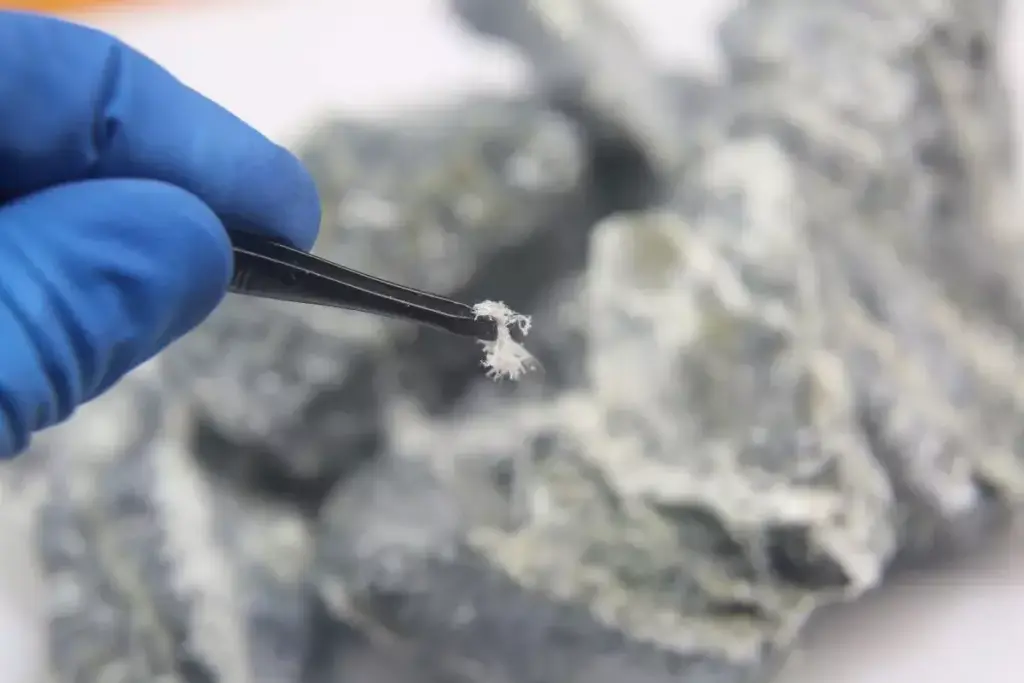
Asbestos is a group of minerals found naturally. It has been used in many industries, but it’s dangerous. We need to know what asbestos is, how it harms our bodies, and who is most at risk.
What is Asbestos and How it Affects the Body
Asbestos was used because it’s fire-resistant. But when disturbed, it releases fibers that can be breathed in. This leads to serious health problems like asbestosis, lung cancer, and mesothelioma.
Asbestos exposure is dangerous. It can damage lungs and other organs. These diseases can take decades to show up after exposure.
High-Risk Occupations and Settings
Some jobs are riskier for asbestos exposure. This includes construction workers, shipbuilders, and those making products with asbestos. Firefighters are also at risk during rescue missions.
Every year, over 5,000 people in the UK die from asbestos-related illnesses. This shows we need strong rules and safety measures to protect workers.
Distinguishing Between “Asbestos Hands” in Culinary Terms and Actual Exposure
The term “asbestos hands” is used in cooking to mean chefs can handle heat. But it’s different from real asbestos exposure, which is dangerous. Chefs may get used to heat, but asbestos exposure is about their work environment, not cooking skills.
In older kitchens, asbestos might be in insulation or materials. If these are disturbed, they can release fibers. This is a risk to chefs and kitchen staff. It’s important to know the difference to prevent exposure.
Preventing “Asbestos Fingers” and Hand Exposure

Working with asbestos requires protecting your hands. Asbestos can cause serious health problems. Hands are at high risk because they touch contaminated surfaces.
Proper Protective Equipment for Hands
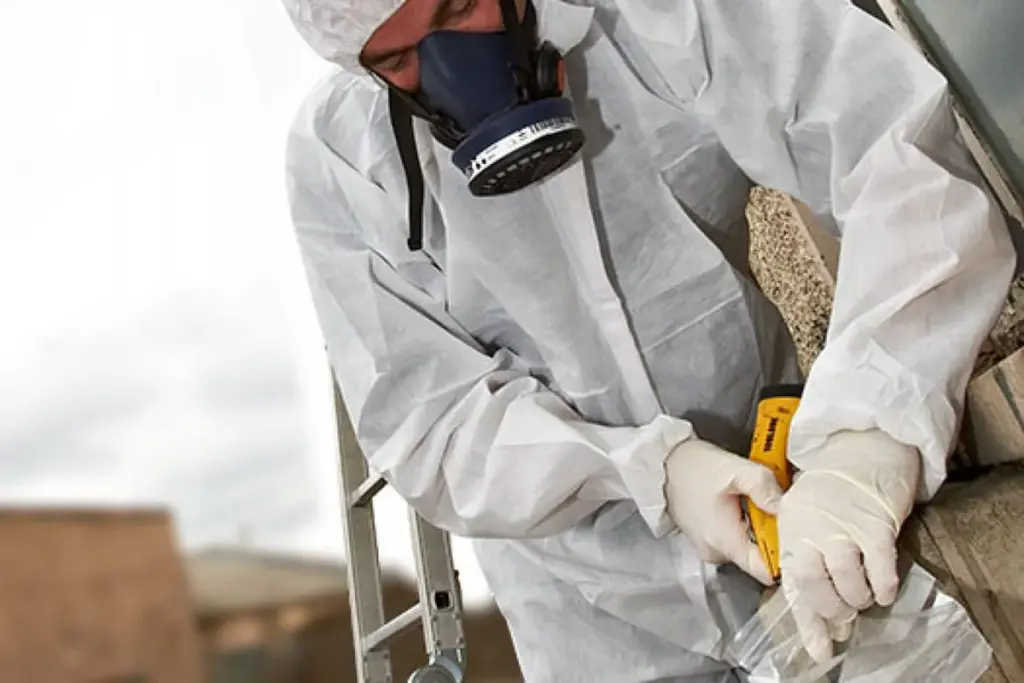
Wearing the right protective gear is key to avoiding asbestos exposure. Gloves made from durable, impermeable materials are essential. They prevent skin contact with asbestos fibers. Choose gloves that are comfortable and flexible to avoid slowing you down.
Think about the job and risk level when picking gloves. For risky tasks, wearing two pairs of gloves can offer extra protection.
Safe Work Practices to Minimize Hand Contact
Safe work practices also play a big role in avoiding hand contact with asbestos. Try to avoid touching potentially contaminated surfaces. Use tools to handle materials instead of touching them directly. This can greatly lower your exposure risk.
- Use tongs or clamps to handle asbestos-containing materials.
- Avoid touching your face or other parts of your body when working with asbestos.
- Keep work areas clean and well-maintained to reduce the accumulation of asbestos dust.
Decontamination Procedures After Possible Exposure
Even with precautions, accidents can happen. So, it’s vital to have good decontamination procedures. This includes proper cleaning and disposal of contaminated clothing and equipment.
After exposure, wash your hands well with soap and water. If you’ve been in a high-risk area, shower and change into clean clothes quickly. This helps prevent asbestos fibers from spreading.
By following these steps, we can greatly lower the risk of asbestos exposure through hand contact. This protects our health and the health of those around us.
Conclusion: Long-term Hand Protection Strategies
Keeping hands safe from asbestos is key for workers who handle it. We stress the need for long-term plans to avoid “asbestos hands” and “asbestos fingers.” Regular health checks, like physical exams and chest X-rays, help catch asbestos-related illnesses early.
Employers must give the right Personal Protective Equipment (PPE) and keep the work area safe. Workers should always wear PPE, like strong gloves, when working with asbestos. For more on stopping long-term health problems from asbestos, check out asbestos safety guidelines.
By using these long-term plans, we can keep workers’ health safe and avoid the bad effects of asbestos. It’s important to keep educating and training workers who deal with asbestos. This helps keep the work area safe and protects hands from asbestos.
FAQ:
What is asbestos and how does it affect the body?
Asbestos is a fibrous mineral that, when inhaled or ingested, can cause lung scarring, cancer, and other respiratory diseases.
What are “asbestos hands” or “asbestos fingers”?
This term refers to skin irritation, itching, or rash on the hands caused by direct contact with asbestos fibers.
What are the high-risk occupations and settings for asbestos exposure?
Construction, shipbuilding, demolition, insulation work, and manufacturing of asbestos-containing products are high-risk settings.
How can I protect my hands from asbestos exposure?
Wear protective gloves, avoid direct contact, and follow safety protocols when handling asbestos materials.
What are the proper decontamination procedures after asbestos exposure?
Remove and safely dispose of contaminated clothing, wash exposed skin thoroughly, and clean tools and surfaces with proper methods.
Can asbestos fibers penetrate the skin on my hands?
Yes, fibers can embed in the skin, causing irritation, rash, or itching, though serious systemic effects occur mainly via inhalation.
What are the long-term strategies for protecting hands from asbestos exposure?
Consistently use gloves, follow safety protocols, and avoid touching contaminated surfaces to prevent skin irritation and contamination.
Do professional chefs feel heat in their hands when handling hot dishes?
Yes, chefs rely on tactile sensitivity to gauge heat, and can feel temperature through protective mitts or bare hands.
What does “hands” mean in a kitchen context?
In kitchens, “hands” refers to workers or staff performing manual cooking and prep tasks.
References:
National Center for Biotechnology Information. Evidence-Based Medical Insight. Retrieved from https://pmc.ncbi.nlm.nih.gov/articles/PMC1262768/