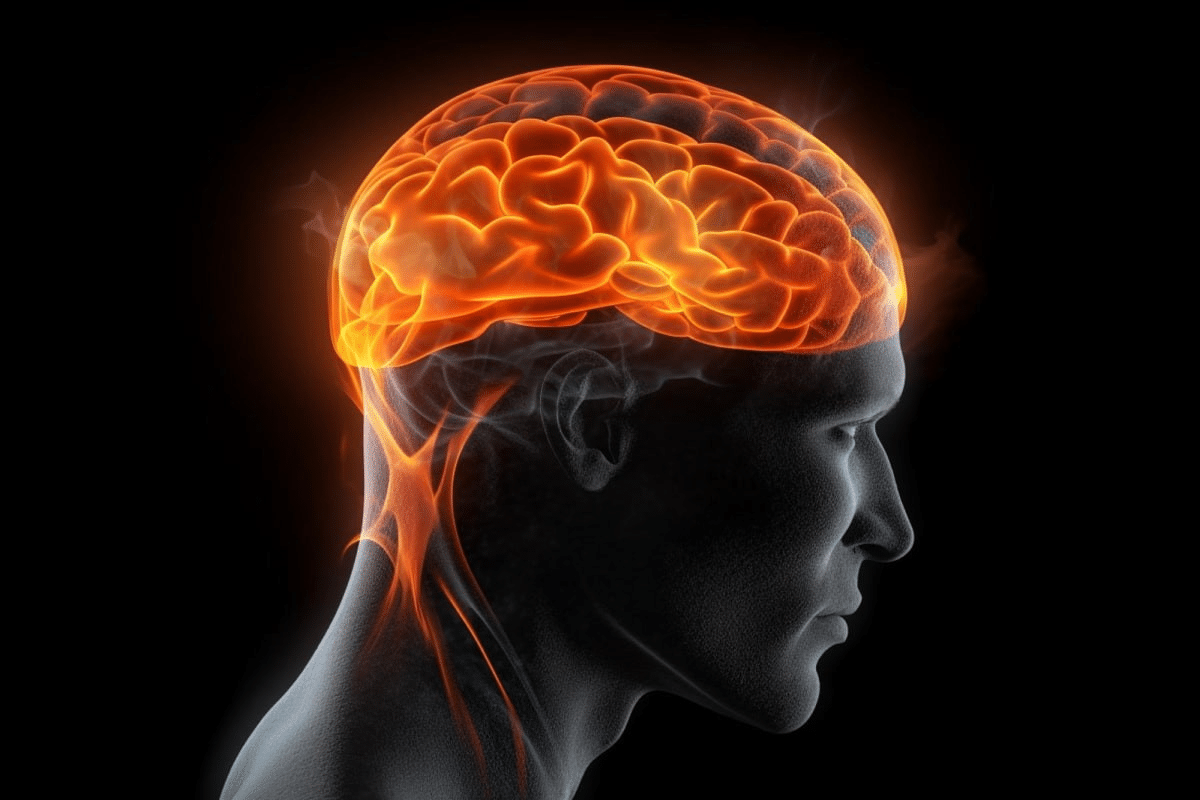
Traumatic brain injury, or TBI, is a serious condition that affects millions in the U.S. each year. It happens when a bump, blow, or jolt to the head damages brain function. Car accidents, falls, and sports impacts are common causes.
Knowing the TBI symptoms is key for early treatment. Liv Hospital’s neurology team is expert in treating TBI. Spotting TBI signs is vital, as it leads to many deaths and disabilities in the U.S.
Key Takeaways
- Traumatic brain injury (TBI) is a serious condition caused by external forces to the head or body.
- TBI is a major cause of death and disability in the United States.
- Recognizing TBI symptoms is critical for timely medical help.
- Liv Hospital’s neurology team offers top-notch care for TBI diagnosis and treatment.
- Early diagnosis and recovery are essential for TBI patients.
Understanding Traumatic Brain Injury (TBI)
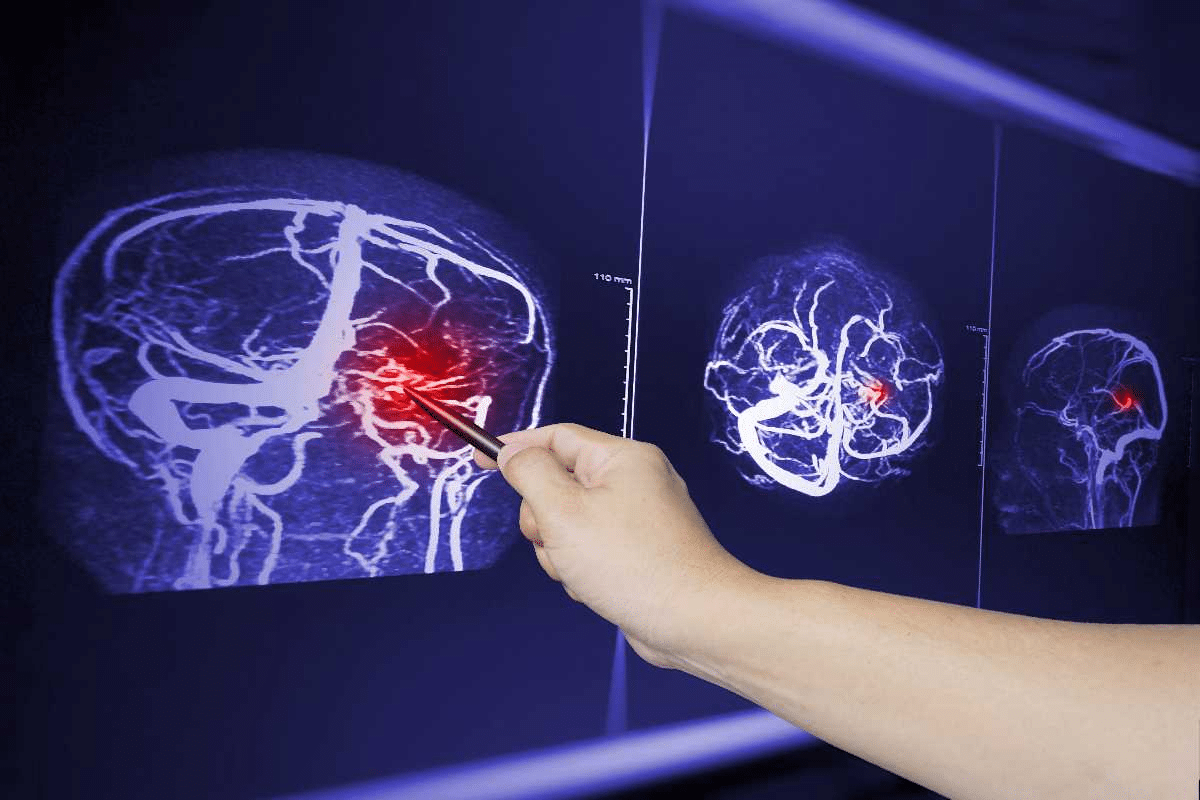
It’s important to understand Traumatic Brain Injury (TBI) to tackle its effects on people and society. TBI happens when a force like a bump or jolt hits the head or body. This can lead to short-term or long-lasting brain function problems.
Definition and Medical Significance of TBI
Traumatic Brain Injury (TBI) is when a head or body injury disrupts brain function. It can cause many symptoms, affecting how well someone lives and works. This injury is serious because it can change a person’s life in many ways.
Doctors use the Glasgow Coma Scale (GCS) to check how severe a TBI is. They also look at the symptoms and how the injury has changed someone’s life. Knowing what is TBI diagnosis helps doctors use the right tools and tests to help patients.
How TBI Affects Normal Brain Function
TBI can change how the brain works in different ways. It depends on how bad the injury is and where it is. Some common problems include:
- Memory issues and trouble focusing
- Mood changes like depression and anxiety
- Physical symptoms like headaches, dizziness, and tiredness
- Problems with thinking and making decisions
Knowing how TBI affects the brain is key to helping people get better. Doctors can then create better treatment plans and ways to help people recover. This helps those with TBI live better lives.
The Epidemic of TBI in the United States
The United States is facing a big problem with TBI. Every year, many people die and get hospitalized because of it. This issue affects not just the person but also their family and the healthcare system.
Annual Statistics: 69,000 Deaths and 214,000 Hospitalizations
Each year, about 69,000 people die from TBI in the U.S. Over 214,000 are also hospitalized because of it. These numbers show how serious the TBI problem is.
- TBI is a major cause of death and disability in America.
- Most TBI deaths come from falls, car accidents, and assaults.
- Young kids, teens, and older adults are most at risk for TBI.
Economic and Healthcare Burden
The economic burden of TBI is huge. It includes both direct medical costs and indirect costs like lost work time. The total cost of TBI in the U.S. is in the tens of billions every year.
- Direct medical costs include emergency visits, hospital stays, and rehab.
- Indirect costs come from lost wages, less productivity, and long-term care needs.
The healthcare cost of TBI is also very high. Many people need ongoing medical care and rehab. This shows we need better ways to prevent and treat TBI.
Common Causes of Traumatic Brain Injury
Knowing why TBI happens is key to staying safe and getting help fast. TBI can come from many things, like accidents or falls. Knowing these causes helps us avoid them and get medical help when we need it.
Falls and Workplace Accidents
Falls are a big reason for TBI, mainly in older people and kids. Slippery floors and uneven ground can cause head injuries. Workplaces, like construction sites, also see a lot of TBI cases. Staying safe and getting the right training can help prevent these.
Prevention strategies include putting up handrails, using non-slip mats, and checking for safety in workplaces.
TBI from Car Accidents and Vehicle Collisions
Car crashes are another big cause of TBI. When cars crash, the brain can hit the skull, causing injury. Wearing seatbelts and following traffic rules can help avoid TBI in car accidents.
Sports-Related Injuries and Concussions
Sports injuries, like concussions, are a big worry for athletes. Sports like football, hockey, and soccer can lead to head injuries. Proper helmet use and following game rules can help lower the risk of TBI.
It’s important to know the signs of concussion and get help right away. This can prevent more serious injuries.
Violence and Combat-Related Brain Trauma
Violence, like domestic abuse and assault, can cause TBI. Military people also face head injuries from combat. It’s important to know the signs of TBI and support those affected by violence.
Support systems for victims of violence and veterans with TBI are key for their recovery and healing.
How to Tell If You Have Brain Damage: Physical Symptoms
The physical signs of brain damage can differ a lot. They depend on how severe the injury is. Traumatic Brain Injury (TBI) can cause many physical signs. Some show up right after the injury, while others take longer.
Immediate Physical Manifestations After Injury
Right after a TBI, people might show several physical signs. These include:
- Headache: A headache is one of the most common symptoms, ranging from mild to severe.
- Dizziness or Loss of Balance: Feeling dizzy or having trouble maintaining balance is another frequent symptom.
- Nausea and Vomiting: Many people experience nausea or vomiting after a head injury.
- Fatigue: Feeling extremely tired or lacking energy is common.
Delayed Physical Symptoms That May Appear Days Later
Some signs of TBI might not show up right away. They can appear days or weeks later. These delayed signs include:
- Sleep Disturbances: Difficulty sleeping or sleeping more than usual.
- Sensitivity to Light or Sound: Increased sensitivity to light or noise.
- Blurred Vision: Changes in vision, including blurriness or double vision.
When Physical Symptoms Require Emergency Medical Attention
It’s very important to get medical help right away if you have severe symptoms. These include:
- Severe Headache: A headache that worsens over time or is extremely severe.
- Confusion or Disorientation: Difficulty staying awake, confused, or disoriented.
- Seizures: Experiencing a seizure or convulsion.
- Weakness or Numbness: Weakness, numbness, or paralysis in any part of the body.
Medical experts say, “Early recognition of TBI symptoms is critical for effective management and treatment.” Knowing these signs is key for both patients and doctors to get the right care on time.
Cognitive Symptoms of TBI
TBI can cause a wide range of cognitive symptoms. These include memory problems, attention deficits, and issues with processing speed. These symptoms can greatly affect a person’s daily life and overall well-being.
Memory Problems and Attention Deficits
Memory issues are common in TBI. People might find it hard to remember recent events, learn new things, or recall names and words. Attention deficits also occur, making it tough to stay focused on tasks or conversations.
Common memory-related issues include:
- Forgetting appointments or important dates
- Repeating questions or statements
- Struggling to learn new skills or routines
Attention deficits can manifest as:
- Difficulty in completing tasks due to easy distractibility
- Struggling to follow conversations or instructions
- Feeling disoriented or confused
Processing Speed and Executive Function Impairments
TBI can slow down processing speed. This makes it hard for individuals to quickly understand or react to information. It also affects executive functions, impacting planning, decision-making, and solving problems.
|
Cognitive Domain |
Common Symptoms |
|---|---|
|
Processing Speed |
Slow reaction times, difficulty with rapid information processing |
|
Executive Function |
Impaired planning, decision-making challenges, problem-solving difficulties |
Language and Communication Challenges
Language and communication issues are also symptoms of TBI. People might struggle to find the right words, join in conversations, or understand written or spoken language.
Strategies to improve communication include:
- Using simple language and clear instructions
- Providing written information to supplement verbal communication
- Allowing extra time for the individual to process and respond
It’s important to understand these cognitive symptoms to help those with TBI. By recognizing the challenges they face, we can offer better support and rehabilitation. This helps improve their quality of life.
Emotional and Behavioral Changes After Brain Injury
Traumatic brain injuries (TBI) can lead to big changes in emotions and behavior. These changes can make daily life and relationships tough. It’s hard for the person with TBI and their loved ones.
Depression, Anxiety, and Mood Disorders Following TBI
People with TBI are more likely to get depression, anxiety, and mood disorders. These feelings can show up as frustration, irritability, and mood swings. They can really hurt their quality of life.
Studies show that almost one in three TBI survivors get depressed. Anxiety disorders are also common, making recovery harder.
Personality Changes and Impulse Control Issues
TBI can cause big changes in personality, like being more impulsive and aggressive. These changes can upset both the person and their family.
- Impulsivity can lead to reckless choices or actions.
- Aggression might show up as yelling or hitting.
- Emotional lability can cause quick mood changes.
These changes can make it hard to keep friends and have social interactions.
Social Functioning and Relationship Challenges
The emotional and behavioral changes after TBI can really affect social life and relationships. People might find it hard to:
- Keep friends because of changed behavior or interests.
- Have close relationships because emotional closeness is affected.
- Do well at work because of cognitive and behavioral changes.
Getting support from family, friends, and mental health experts is key to dealing with these issues.
Mild TBI vs. Severe TBI: Understanding the Spectrum
It’s key to know the range of TBI to help treat people right. Traumatic Brain Injury (TBI) can be mild or severe. Each level has its own symptoms, treatments, and outcomes.
Concussion Symptoms and Recovery Timeline
Mild TBI, or concussion, shows symptoms like headaches and dizziness right away. These signs usually go away in days to weeks. How fast someone recovers depends on the injury and treatment.
Common symptoms of mild TBI include:
- Headache
- Dizziness or loss of balance
- Confusion or disorientation
- Memory problems
Moderate TBI Manifestations and Prognosis
Moderate TBI falls between mild and severe. It has more serious symptoms like long-term memory loss and big cognitive and physical problems. Recovery can vary, with some doing well and others facing lasting issues.
Early diagnosis and treatment are critical for moderate TBI. They can greatly improve recovery and future outcomes.
Severe TBI Indicators and Long-term Complications
Severe TBI has long unconsciousness, big cognitive and physical issues, and serious risks. People with severe TBI need a lot of medical care and rehab. Recovery can be very different for everyone.
Potential long-term complications of severe TBI include:
- Persistent cognitive and physical disabilities
- Emotional and behavioral changes
- Increased risk of neurodegenerative diseases
Knowing the full range of TBI is vital for doctors to make good treatment plans. It also helps people understand their recovery journey.
Closed Craniocerebral Trauma: A Serious Form of TBI
Blunt trauma to the head can cause closed craniocerebral trauma, a severe TBI. This injury happens when the head hits something hard, damaging the brain inside. But the skull doesn’t break.
Mechanisms of Injury
Closed craniocerebral trauma happens when the brain meets the skull in a bad way. This can happen from a sudden stop or a blow to the head. The brain can get hurt from the force of the hit.
Acceleration-deceleration forces happen when the head moves fast and then stops. This can make the brain hit the skull, causing damage. This can lead to bruises, bleeding, or tears in the brain.
Unique Symptoms and Possible Complications
The symptoms of closed craniocerebral trauma can vary. They might include headaches, dizziness, confusion, and memory issues. In serious cases, people might have seizures, weakness, or numbness in their limbs.
Complications can include post-traumatic epilepsy, hydrocephalus, and changes in thinking and behavior. Getting medical help quickly is key to managing these risks.
Diagnosis and Treatment Considerations
Doctors use several methods to diagnose closed craniocerebral trauma. They look at the patient’s symptoms, use Computed Tomography (CT) scans and Magnetic Resonance Imaging (MRI) to see the injury. They also do neuropsychological tests.
Treatment aims to keep the patient stable and manage symptoms. This might include medications for seizures, to lower pressure in the brain, or to help with thinking and behavior problems.
Rehabilitation is very important for recovery. A team of experts helps with physical, cognitive, and emotional challenges.
Diagnosing TBI in Medical Settings
Diagnosing Traumatic Brain Injury (TBI) needs a detailed approach. Doctors must check the brain damage’s extent. This helps in giving the right care and treatment.
Initial Assessment and Neurological Examination
The first step for a TBI suspect is a detailed neurological check. Doctors look at consciousness, thinking skills, and physical strength. Experts say, “A quick and accurate check is key to knowing TBI’s severity and what care is needed.”
“The Glasgow Coma Scale (GCS) is a neurological scale intended to give a reliable, objective way of recording the conscious state of a person for initial as well as subsequent assessment.”
The GCS checks eye opening, talking, and movement. It gives a score that shows how bad the brain injury is. A lower score means a more serious injury.
Imaging Studies: CT, MRI, and Advanced Neuroimaging
Imaging tests are key in finding TBI. Computed Tomography (CT) scans quickly spot bleeding or other injuries in emergencies. Magnetic Resonance Imaging (MRI) shows more details and finds small injuries or changes in the brain.
Advanced tests like diffusion tensor imaging (DTI) look at brain connections. They help see how much damage there is. These tests are important for comparing a normal brain to one with TBI, helping in diagnosis and predicting recovery.
Cognitive and Functional Assessments in TBI Diagnosis
Checking thinking and daily skills is important in TBI diagnosis. These tests look at memory, focus, speed, and planning. They show how TBI affects daily life and thinking.
Doctors use special tests to check thinking and watch for changes. These tests help plan rehabilitation and set realistic goals for recovery.
TBI in Vulnerable Populations
Traumatic Brain Injury (TBI) is a big health issue that hits different groups hard. Kids and the elderly are hit the hardest. It’s key to know their special needs and risks to help them.
Children and TBI: Developmental Considerations
Children are very vulnerable to TBI because their brains and bodies are growing. The impact of TBI on children’s cognitive, emotional, and physical development can be significant. The Centers for Disease Control and Prevention (CDC) says TBI is a top cause of disability in kids in the U.S. “The effects of TBI on children’s developing brains can be long-lasting and far-reaching,” as noted by the CDC.
Elderly Patients and Increased Risk Factors
The elderly face a high risk of TBI, mainly from falls and brain changes with age. Older adults are more susceptible to subdural hematomas and other complications after a TBI. The CDC says adults over 75 have the highest TBI hospitalization and death rates.
“Older adults with TBI often present with unique challenges, including comorbidities and polypharmacy, which can complicate diagnosis and treatment.”
Athletes and Repetitive Head Trauma Concerns
Athletes, mainly in contact sports, risk TBI from repeated head hits. Concussions and subconcussive hits can lead to long-term brain damage, like chronic traumatic encephalopathy (CTE). The sports world is working hard to reduce these risks and protect athletes.
As we learn more about TBI in different groups, we need to tailor how we prevent and treat it. By understanding the special challenges of kids, the elderly, and athletes, doctors can help them better.
Treatment and Rehabilitation After Brain Injury
Comprehensive care for TBI patients includes both immediate medical help and ongoing rehabilitation. Effective treatment for Traumatic Brain Injury (TBI) is key for recovery. It focuses on easing symptoms and helping with rehabilitation.
Acute Medical Interventions for TBI
Acute medical care is vital in the first stages after a brain injury. These steps may include:
- Emergency surgery to relieve pressure on the brain or repair damaged blood vessels.
- Medications to manage symptoms such as seizures, pain, or agitation.
- Monitoring of vital signs and neurological status to prevent further injury.
Comprehensive Rehabilitation Approaches
Rehabilitation after a brain injury is a detailed process. It needs careful planning and execution. Some rehabilitation approaches include:
- Physical therapy to regain motor skills and mobility.
- Occupational therapy to relearn daily living skills.
- Speech therapy to improve communication.
Medications and Symptom Management Strategies
Medications are key in managing TBI symptoms. Strategies may include:
- Antidepressants for mood disorders.
- Anti-anxiety medications for anxiety.
- Pain management medications for chronic pain.
Post-TBI Support Systems and Resources
Support systems are essential for those recovering from TBI. Resources include:
- Support groups for patients and families.
- Counseling services to address emotional and psychological challenges.
- Community resources to help with daily life integration.
Understanding TBI treatment and rehabilitation helps individuals recover better. It leads to the best possible outcomes.
Conclusion: Living with TBI and Advancing Research
Knowing what TBI stands for – Traumatic Brain Injury – is key to tackling this complex issue. Living with TBI comes with many challenges. But, thanks to ongoing research and care improvements, there’s hope for better lives.
The medical field is working hard to improve TBI care. This effort aims to enhance the lives of those dealing with TBI. It’s all about making a positive change.
Research into TBI is vital for better understanding and treatment. By studying TBI, we can find new ways to help those affected. This research brings us closer to finding effective treatments.
The main goal is to improve the lives of those with TBI. By advancing TBI research and care, we can make a real difference. Together, we can help those living with TBI have better lives.
FAQ
What is Traumatic Brain Injury (TBI)?
Traumatic Brain Injury (TBI) is a complex condition. It affects brain function due to external forces. This leads to physical, cognitive, and emotional symptoms.
What are the common causes of TBI?
TBI can happen from falls, car accidents, sports injuries, and violence. These incidents are major causes of TBI and need quick action.
What are the symptoms of TBI?
Symptoms of TBI include physical, cognitive, and emotional issues. These can be immediate or delayed. Examples are memory problems, attention deficits, and mood disorders.
How is TBI diagnosed?
Diagnosing TBI involves a detailed assessment. This includes a neurological exam, imaging studies like CT and MRI, and cognitive and functional tests.
What is the difference between mild, moderate, and severe TBI?
TBI severity ranges from mild (concussion) to severe. The severity affects recovery and long-term outcomes. Symptoms and prognosis vary.
What are the emotional and behavioral changes after TBI?
TBI can cause emotional and behavioral changes. These include depression, anxiety, mood disorders, and changes in personality. It can also lead to impulse control issues, affecting relationships.
How is TBI treated and rehabilitated?
Treating and rehabilitating TBI requires a detailed approach. This includes medical interventions, rehabilitation therapies, medications, and support systems after TBI.
What is closed craniocerebral trauma?
Closed craniocerebral trauma is a type of TBI. It’s caused by blunt trauma to the head. It needs quick diagnosis and treatment to manage complications.
Who is at risk for TBI?
Certain groups are at higher risk for TBI. These include children, the elderly, and athletes. They have unique needs and risk factors that require effective prevention and treatment.
What is the economic and healthcare burden of TBI?
TBI is a significant public health concern. It has high mortality and morbidity rates. This results in a big economic and healthcare burden on individuals, families, and the healthcare system.
What are the annual statistics for TBI-related deaths and hospitalizations?
About 69,000 TBI-related deaths happen each year. This is about 190 deaths daily. Over 214,000 TBI-related hospitalizations occur annually.
Reference
National Center for Biotechnology Information. Traumatic Brain Injury: Symptoms and Common Causes. Retrieved from https://www.ncbi.nlm.nih.gov/books/NBK557861/