

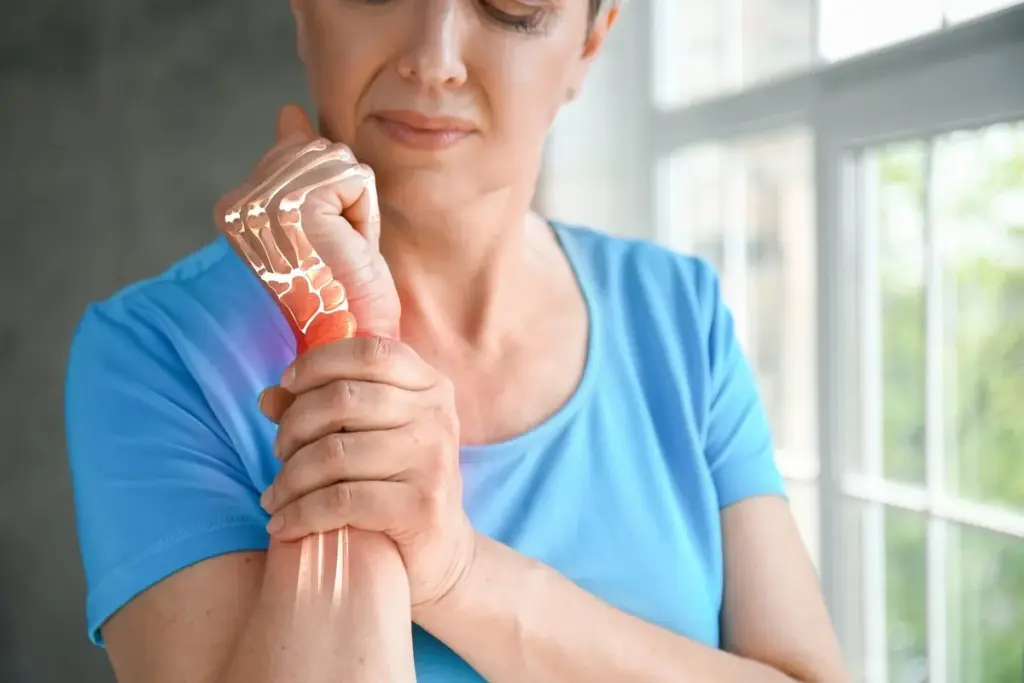
Discovering that your bones are thinning can be shocking. Many patients fear it means their active years are over. But, this stage is a critical warning sign, not a final verdict.
In the United States, many face this challenge daily. It often signals a risk of more serious bone problems. We aim to help you regain your strength.
Learning how to treat osteopenia is key to keeping your mobility. We advocate for natural remedies and lifestyle changes. These methods help you regain confidence in your physical health.
Even with osteipenia or osreopenia, you can stop it from getting worse. We empower you with knowledge to reverse these trends. Taking action now can prevent serious problems later.
Your journey starts with daily choices. We focus on nutrition rich in calcium and vitamin D. These nutrients are vital for your bone health.
Weight-bearing activities also help keep bones dense. By managing osteopenia with these methods, we help you stay independent. Our goal is to keep you moving with ease and strength.
Key Takeaways
- Early detection of low bone density provides a vital chance to reverse the condition.
- Nutrition rich in calcium and vitamin D forms the essential foundation of bone health.
- Regular weight-bearing exercises naturally stimulate the body to maintain bone density.
- Holistic lifestyle strategies can effectively prevent the progression to osteoporosis.
- Natural interventions offer a safe and sustainable way to manage skeletal strength.
- Consistent daily habits are the most powerful tools to maintain long-term mobility.
Understanding Osteopenia and Its Impact on Bone Health
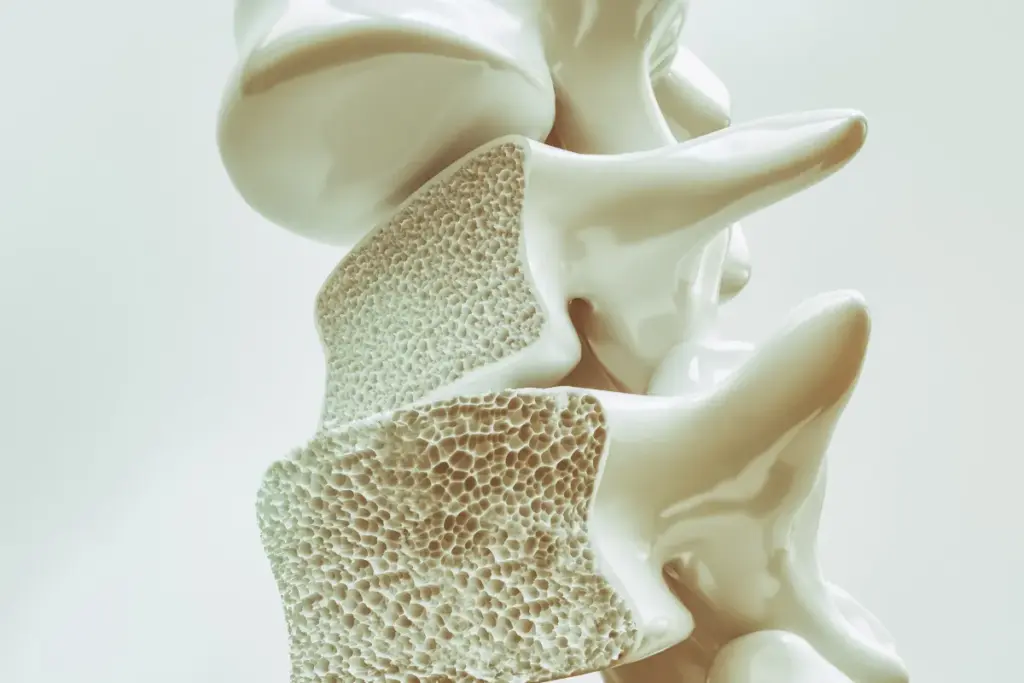
Starting to keep bones strong means knowing about osteopenia. It’s a condition that lowers bone density and can lead to osteoporosis. It’s key to grasp how it affects bone health.
Osteopenia is a big health issue, mainly for older people and women after menopause. It shows a drop in bone density, raising the chance of fractures.
What Is Osteopenia and How It Differs from Osteoporosis
Osteopenia is a step before osteoporosis but is less severe. Osteoporosis has very low bone density and a high fracture risk. Osteopenia has lower bone density but not as low as osteoporosis. Osteopenia is found through bone density tests, like DEXA scans.
Knowing the difference between osteopenia and osteoporosis is key. It helps find the right treatment and ways to prevent bone loss.
Risk Factors and Warning Signs to Watch For
Many things can lead to osteopenia, like age, gender, family history, and lifestyle. Women, mainly after menopause, are at higher risk because of lower estrogen levels. Estrogen helps protect bones.
Other risk factors include:
- Advanced age
- Low body weight
- Smoking and too much alcohol
- A sedentary lifestyle
Knowing these risk factors and signs can help catch osteopenia early. This makes it easier to manage.
Natural Remedies for Osteopenia: Evidence-Based Treatments
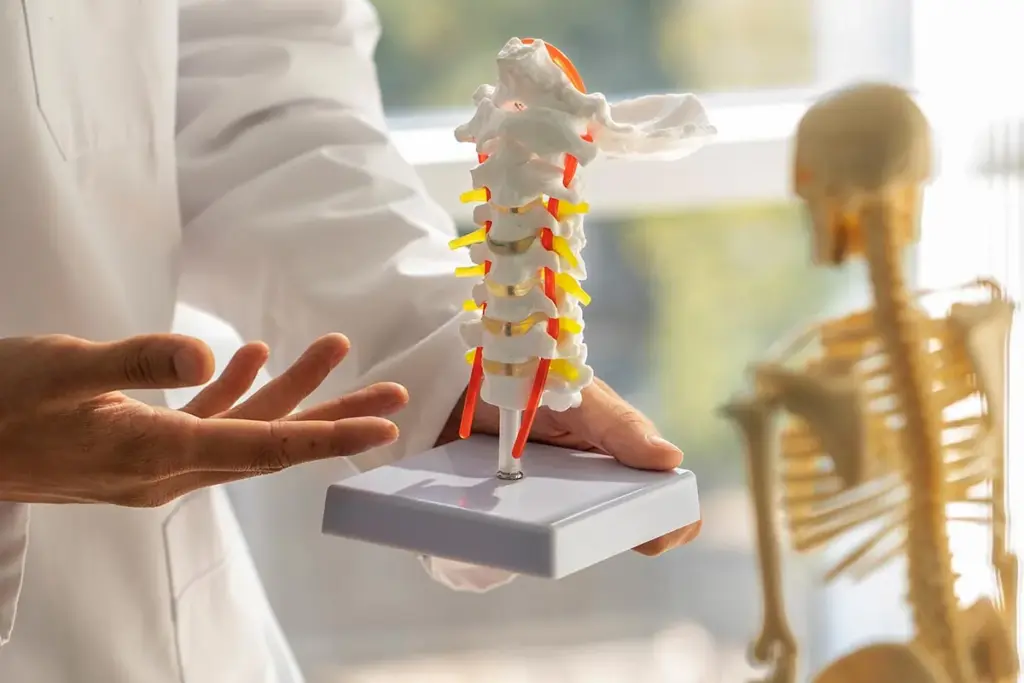
Natural remedies can help manage osteopenia and boost bone density. They work well alongside traditional treatments to improve bone health.
Dietary Changes to Strengthen Bones
Eating a balanced diet is key for strong bones. Calcium and vitamin D are essential for bone formation and density.
- Eat more calcium-rich foods like dairy, leafy greens, and fortified plant-based milk.
- Get enough vitamin D from sunlight, supplements, or fortified foods.
- Add magnesium, vitamin K, and omega-3 fatty acids to your diet for bone support.
Weight-Bearing and Resistance Exercises for Bone Density
Exercise is vital for osteopenia management. Weight-bearing and resistance exercises boost bone density and lower fracture risk.
- Do weight-bearing activities like walking, jogging, or dancing.
- Use weights or resistance bands for resistance training to strengthen bones and muscles.
- Try low-impact exercises like yoga or Pilates for flexibility and balance.
Lifestyle Modifications and Natural Support
Changing your lifestyle can also support bone health. Quitting smoking and cutting down on alcohol are important steps to protect your bones.
- Keep a healthy weight to ease bone strain.
- Limit caffeine to avoid calcium absorption issues.
- Try stress-reducing activities like meditation or deep breathing.
Conclusion
It’s important to catch osteopenia early to stop it from getting worse. Making smart lifestyle choices and using natural remedies can help. This is true for mild diffuse osteopenia and other types like osteo penia and ostiopina.
We talked about how diet and exercise can strengthen bones. These changes help keep bones dense. By doing these things, people can stop bone loss and lower their risk of osteoporosis.
Starting treatment early is essential. Using both traditional and alternative treatments can manage the condition well. This way, people with oateopenia or similar conditions can control their health and feel better.
FAQ
What is the main difference between osteo penia and osteoporosis?
Osteopenia is mild bone loss; bone density is lower than normal but not low enough to be classified as osteoporosis. Osteoporosis is more severe bone loss, with fragile bones that have a significantly higher risk of fractures.
Is it possible to learn how to cure osteopenia through natural methods?
While osteopenia cannot be “cured” in the sense of fully reversing bone loss, it can often be managed and improved naturally
What are the most common risk factors for developing steopenia or oateopenia?
Aging, especially after 50 Being female (postmenopausal women have higher risk) Family history of osteoporosis
Are there specific supplements we should consider for osteopeniua management?
Calcium: Essential for maintaining bone density Vitamin D: Improves calcium absorption and supports bone strength
How important is early intervention for someone with mild osteopenia?
Helps prevent progression to osteoporosis Reduces risk of fractures later in life
References
National Center for Biotechnology Information. Evidence-Based Medical Insight. Retrieved from https://pubmed.ncbi.nlm.nih.gov/17909920/


 Departments
 Related Videos
 Our Doctors
 News
News


