Millions of people worldwide live with Chronic Obstructive Pulmonary Disease (COPD). Oxygen therapy is a key lifeline for them. It helps with shortness of breath, boosts energy, and improves life quality. At Liv Hospital, we offer top-notch respiratory care, ensuring treatments are backed by science.
COPD is a serious lung issue that makes it hard to breathe and absorb oxygen. Supplemental oxygen therapy is a key treatment, mainly for those with severe breathing problems. Our guide will explain why oxygen therapy is vital, its benefits, and how to use it effectively.
Key Takeaways
- Understanding the role of oxygen therapy in managing COPD.
- Benefits of supplemental oxygen for COPD patients.
- How to properly administer oxygen therapy.
- The importance of evidence-based treatment for COPD.
- Improving quality of life with oxygen therapy.
Understanding COPD Oxygen Therapy Benefits

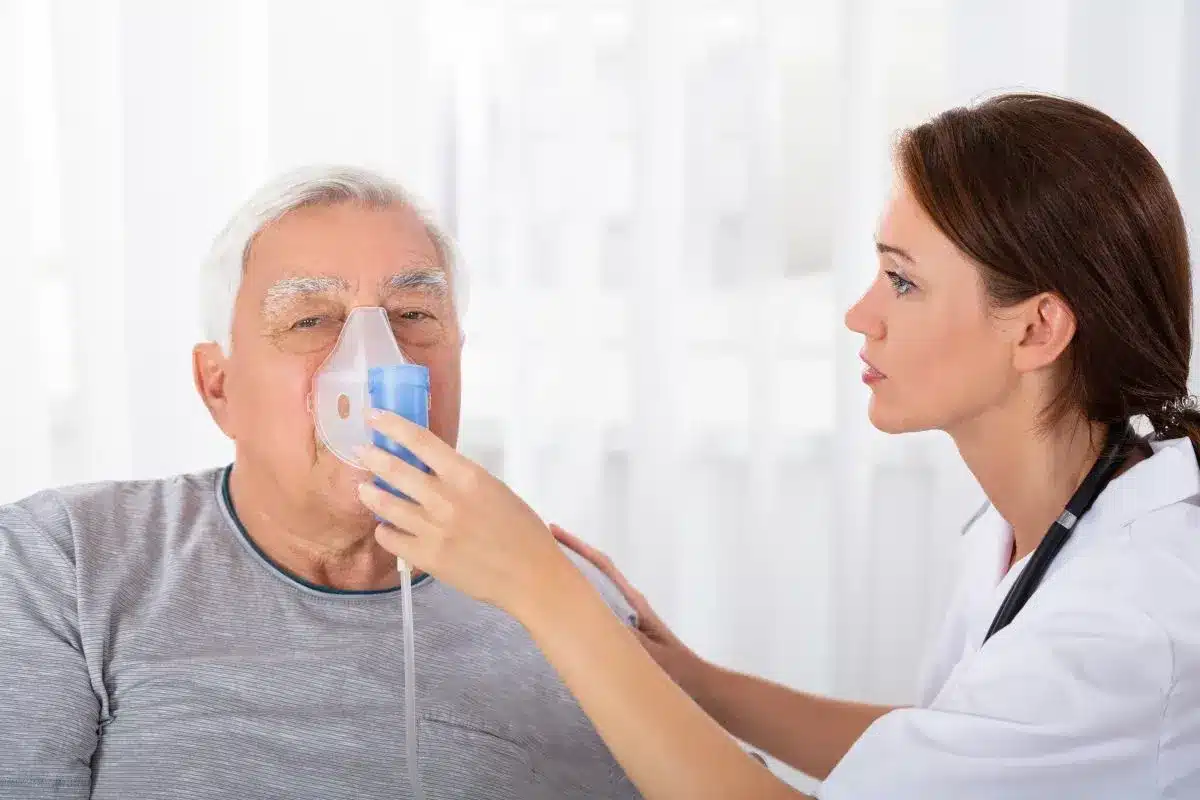
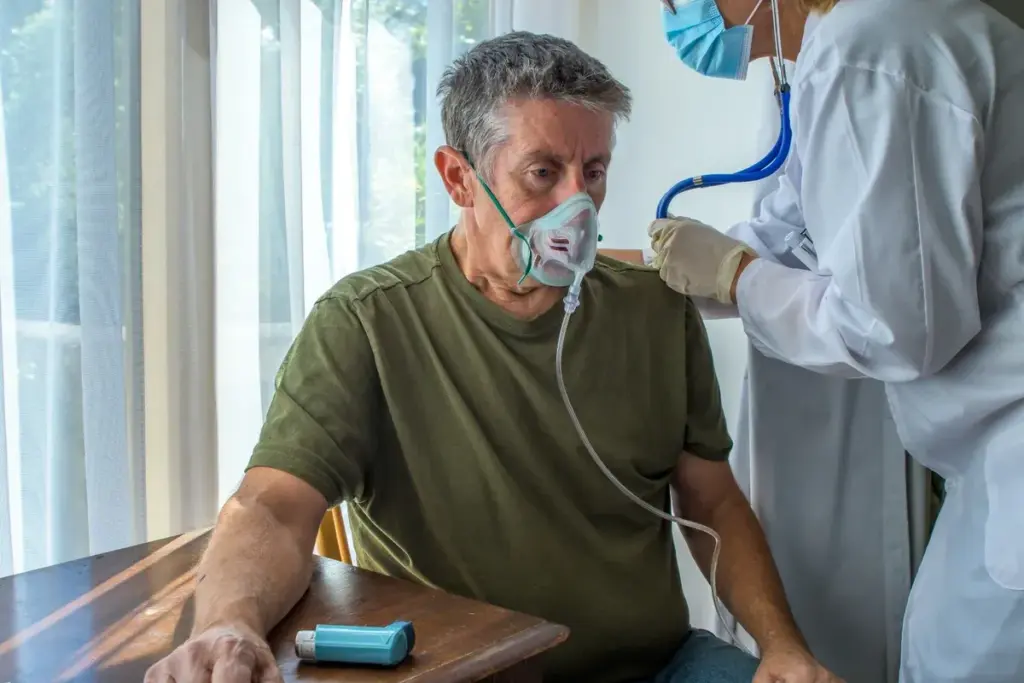
Oxygen therapy is key for COPD patients to manage their condition well. It delivers medical-grade oxygen directly to the lungs. This can be through a nasal cannula, mask, or portable device.
This treatment raises blood oxygen levels and lessens symptoms like breathlessness.
What Is Supplemental Oxygen for COPD
Supplemental oxygen is a common treatment for COPD, mainly for those with low blood oxygen. The Medical organization says oxygen therapy is often needed when blood oxygen levels drop below 88%. It helps increase oxygen levels, easing the heart and other organs’ strain.
How Oxygen Therapy Improves COPD Outcomes
Oxygen therapy greatly improves COPD outcomes. It boosts oxygen saturation, cuts down on shortness of breath, and enhances life quality. By increasing oxygen levels, it lowers the risk of complications like pulmonary hypertension and heart failure.
Studies have shown that long-term oxygen therapy can improve survival rates in patients with severe COPD.
The benefits of oxygen therapy for COPD are many. They include better exercise tolerance, reduced symptoms, and improved overall well-being. By understanding and using these benefits, COPD patients can live more active and fulfilling lives.
When Oxygen Therapy Is Prescribed for COPD
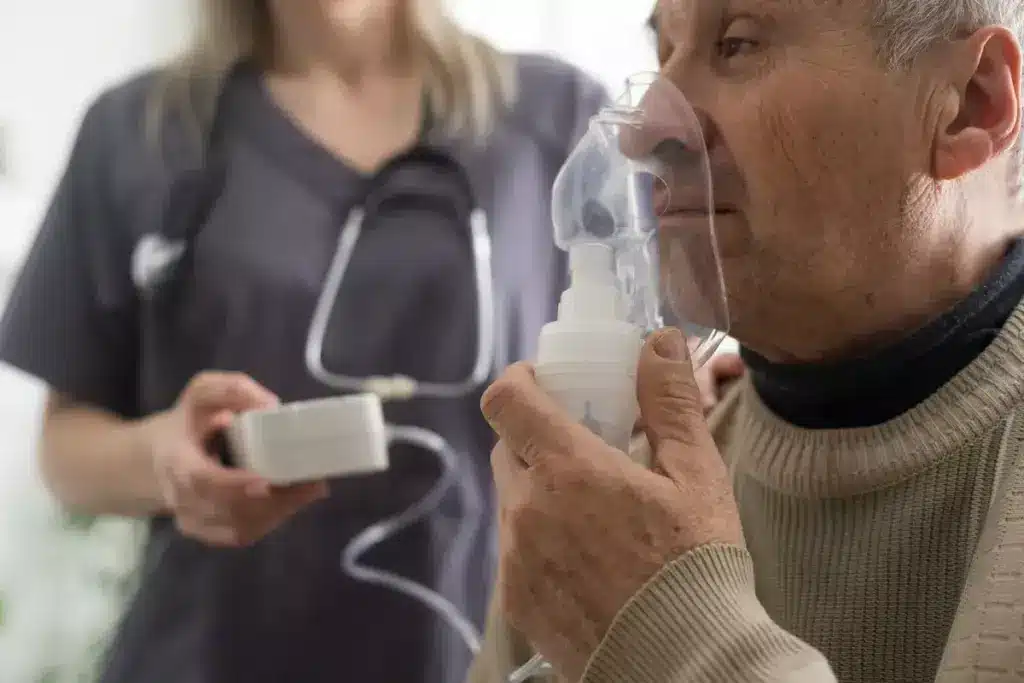
Oxygen therapy for COPD is based on certain clinical criteria. Healthcare providers check these criteria to see if a patient needs oxygen. This treatment greatly improves the quality of life for COPD patients.
Clinical Criteria for Oxygen Supplementation
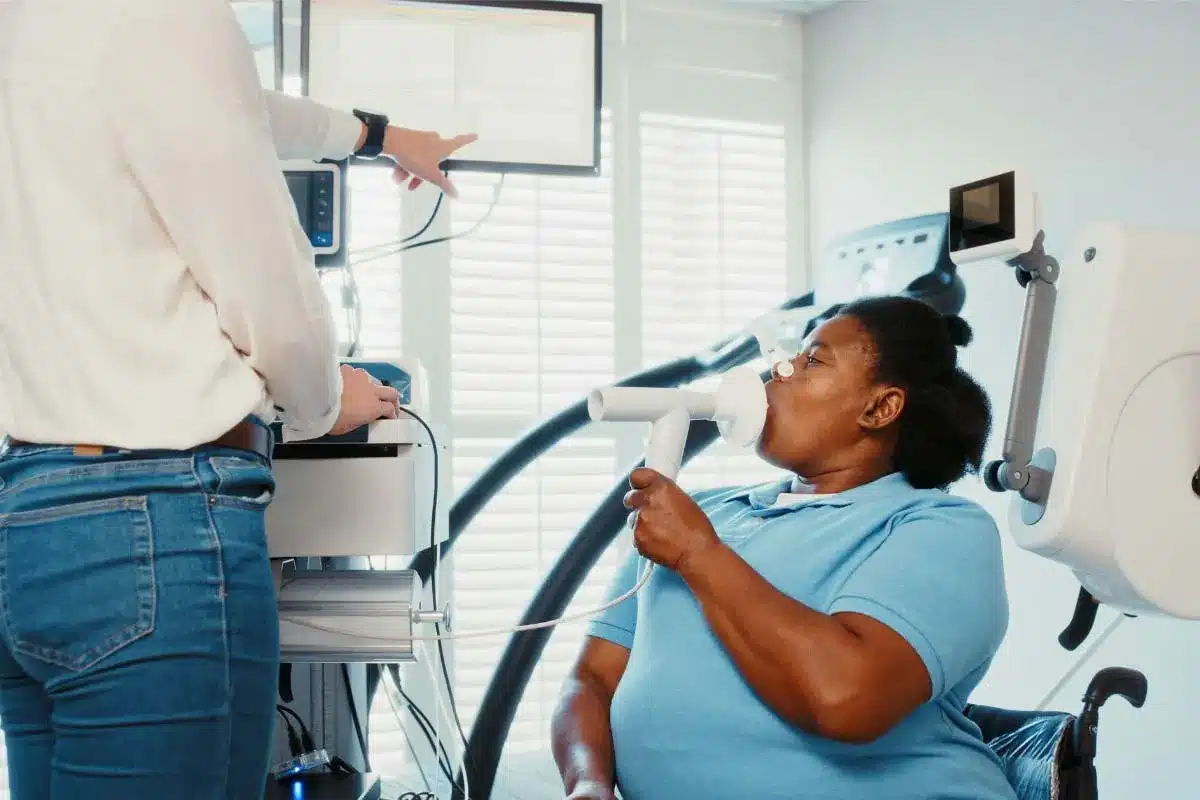
Doctors use pulse oximetry and arterial blood gas (ABG) tests to check oxygen levels. These tests help decide if a patient needs oxygen all the time, only at night, or during exercise. The decision to prescribe oxygen therapy is based on how severe the hypoxemia is.
Key indicators for oxygen therapy include:
- Resting oxygen saturation (SpO2) ≤ 88% on room air
- Arterial partial pressure of oxygen (PaO2) ≤ 55 mmHg on room air
- PaO2 between 56-59 mmHg with evidence of pulmonary hypertension or polycythemia
These criteria help doctors find out who will benefit from supplemental oxygen.
Assessing Oxygen Needs: Resting vs. Exercise-Induced Hypoxemia
Oxygen needs can change based on the patient’s condition and activity level. It’s important to assess both resting and exercise-induced hypoxemia. This helps determine the right oxygen therapy plan.
| Condition | Description | Oxygen Therapy Consideration |
| Resting Hypoxemia | Low oxygen levels at rest | Continuous oxygen therapy may be prescribed |
| Exercise-Induced Hypoxemia | Oxygen levels drop during physical activity | Oxygen therapy during exertion may be recommended |
Knowing the difference between resting and exercise-induced hypoxemia helps doctors tailor oxygen therapy. This ensures it meets the patient’s specific needs.
By carefully assessing oxygen needs and applying clinical criteria, healthcare providers can ensure that COPD patients receive the most appropriate oxygen therapy.
Types of Oxygen Delivery Systems for COPD Management
Knowing about different oxygen delivery systems can really help with COPD treatment. Oxygen therapy is key for managing COPD. Choosing the right system is vital for better patient results.
Stationary Oxygen Concentrators
Stationary oxygen concentrators pull oxygen from the air for patients to breathe. They’re great for home use and offer a steady oxygen supply. They’re also energy-saving and can be cheaper than other options. These concentrators are strong and can give more oxygen, which is good for those with severe COPD.
Portable Oxygen Systems
Portable oxygen systems are for those who need oxygen when they’re out and about. They’re light and small, so patients can stay active. Portable oxygen concentrators (POCs) are favorite because they run on batteries, making them super handy. They’re perfect for people who need oxygen when they’re moving around, letting them travel and do things without being tied down.
Liquid Oxygen Systems
Liquid oxygen systems keep oxygen in liquid form, which turns to gas for breathing. They’re very dense with oxygen, making them good for both home and on-the-go use. Liquid oxygen is great for those needing lots of oxygen, like during exercise.
Oxygen Conserving Devices
Oxygen conserving devices give oxygen in bursts, not constantly. This saves oxygen, making it last longer and needing less refills. These devices are often part of portable oxygen systems, making them more efficient.
There are many ways to get oxygen, like nasal cannulas, masks, portable concentrators, tanks, and liquid systems. The right choice depends on the patient’s needs, lifestyle, and how severe their COPD is.
Practical Guidelines for Daily Oxygen Use
Oxygen therapy is key in managing COPD. It’s important to use it every day. Studies show it can help patients live longer if they have severe breathing problems.
We’ll share tips to help COPD patients use oxygen therapy well in their daily lives.
Setting Up Your Oxygen Equipment
Setting up your oxygen equipment right is the first step. Always follow the manufacturer’s instructions. Make sure all connections are tight to avoid leaks.
It’s also important to know how to use the equipment. This includes turning it on and off, adjusting flow rates, and fixing common problems.
- Ensure all connections are secure to prevent leaks.
- Familiarize yourself with the equipment’s operation manual.
- Regularly check the equipment for any signs of wear or damage.
For more detailed information on oxygen delivery systems, you can refer to our guide on 8 Considerations for Delivering Oxygen Therapy in.
Determining Proper Flow Rates
Finding the right flow rate is very important. A healthcare provider will set this based on your needs. Using oxygen when you’re active helps keep your oxygen levels steady.
Key considerations for determining flow rates include:
- Resting oxygen saturation levels.
- Oxygen saturation during exercise or activity.
- Individual tolerance to oxygen therapy.
Safety Considerations and Maintenance
Using oxygen therapy safely is a must. It’s important to keep your equipment in good shape and know the dangers. Oxygen can start fires if not handled right.
To ensure safety:
- Keep oxygen equipment away from heat sources and open flames.
- Regularly clean and maintain oxygen equipment according to the manufacturer’s instructions.
- Be cautious with oxygen tubing to avoid tripping hazards.
Living an Active Life with Oxygen Therapy
It’s possible to live an active life with oxygen therapy. Combining it with pulmonary rehab, breathing exercises, and a healthy lifestyle can slow COPD’s progress. We encourage patients to stay active and enjoy activities, adjusting their oxygen use as needed.
Tips for staying active with oxygen therapy include:
- Using portable oxygen systems to maintain mobility.
- Planning activities according to energy levels.
- Staying hydrated and taking regular breaks.
By following these guidelines, COPD patients can manage their condition well and improve their life quality with oxygen therapy.
Conclusion
Living with chronic obstructive pulmonary disease (COPD) can be tough. But, oxygen therapy can really help. It makes breathing easier, boosts energy, and is good for the heart.
Oxygen therapy is key for COPD patients. It can help them live longer and feel better. It’s important to work with doctors to get the most out of this therapy.
Knowing how oxygen therapy works can help patients manage their COPD better. It lets them exercise more and go to the hospital less. This therapy is a big part of managing COPD well.
Choosing the right oxygen system and using it right is important. This helps people with COPD feel better and live better lives. It’s all about taking care of your health.
FAQ
What is oxygen therapy and how does it help COPD patients?
Oxygen therapy provides supplemental oxygen to maintain adequate blood oxygen levels, reducing breathlessness and improving organ function.
How do I know if I need oxygen therapy for COPD?
You may need it if your SpO₂ is ≤88% at rest, during sleep, or exercise, or if arterial blood gases show low oxygen (PaO₂ ≤55 mmHg).
What are the different types of oxygen delivery systems available for COPD management?
Options include nasal cannula, simple mask, Venturi mask, oxygen concentrators, portable tanks, and liquid oxygen systems.
How do I determine the proper flow rate for my oxygen therapy?
Flow rate is prescribed by a physician based on blood oxygen levels, activity, and comorbidities, typically 1–5 L/min for nasal cannula.
Can I exercise and be active with oxygen therapy?
Yes, supplemental oxygen can enable safe exercise and daily activities while preventing hypoxemia.
Are there any safety considerations I should be aware of when using oxygen therapy?
Avoid open flames, smoking, flammable products, and ensure proper equipment handling and storage.
How do I manage my oxygen use during daily activities?
Plan portable oxygen for mobility, adjust flow for exertion, and follow your physician’s guidance on continuous vs intermittent use.
What is the role of oxygen-conserving devices in COPD management?
These devices extend oxygen supply, improve portability, and allow more efficient delivery during activity.
How many liters of oxygen per minute are typically prescribed for COPD patients?
Most COPD patients use 1–5 liters per minute, though some may require higher flow under medical supervision.
Can oxygen therapy improve survival rates for COPD patients?
Yes, long-term oxygen therapy in chronic hypoxemia has been shown to improve survival and reduce complications.
References
National Center for Biotechnology Information. Evidence-Based Medical Insight. Retrieved from https://pubmed.ncbi.nlm.nih.gov/16113461/