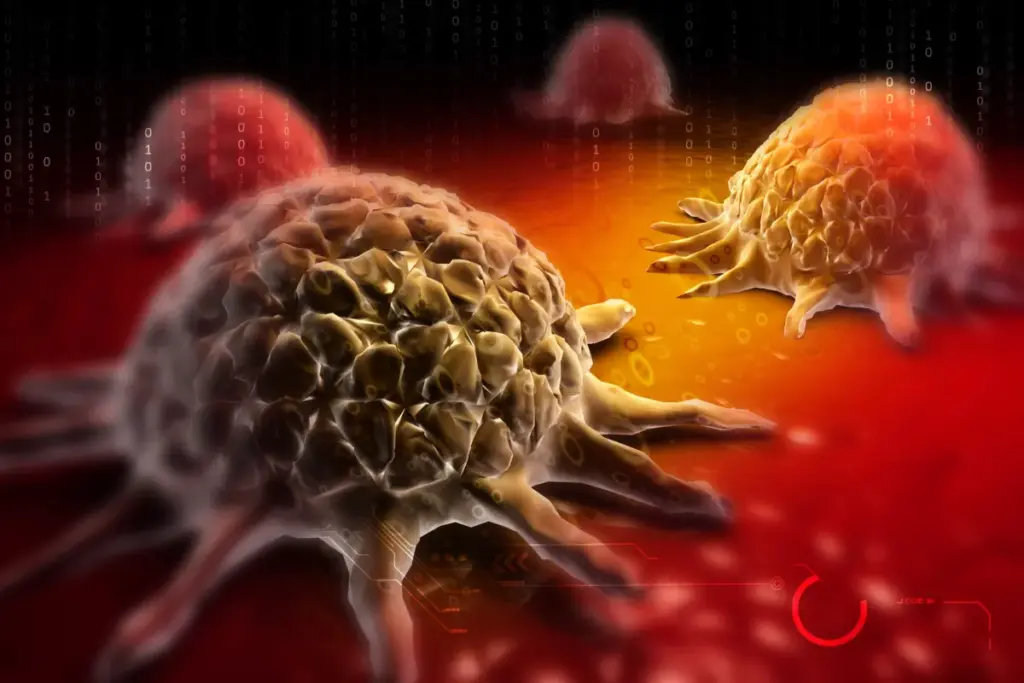
Spontaneous regression of cancer cells is a rare and fascinating phenomenon. Tumors can disappear without treatment. This happens in about 1 in every 60,000 to 100,000 cancer cases. It has led to groundbreaking research into the immune system’s amazing abilities.
I survived cancer without treatment: Read incredible stories of natural remission and the factors that contribute to miraculous healing.
We dive into the science of spontaneous regression and its connection to a strong immune response. At Liv Hospital, we aim to provide top-notch healthcare. We support international patients, uncovering the complex relationship between the immune system and cancer cells.
Key Takeaways
- Spontaneous regression of cancer occurs in about 1 in 60,000 to 100,000 cases.
- The immune system plays a key role in spontaneous regression.
- Understanding spontaneous regression can lead to new cancer therapies.
- Liv Hospital provides full support for international patients.
- Spontaneous regression is linked to a powerful immune response.
The Phenomenon of Spontaneous Cancer Regression
In oncology, spontaneous regression is when cancer just goes away on its own. This has happened before and has caught the attention of many in the field.
Defining Spontaneous Regression in Oncology
Spontaneous regression in oncology means a tumor gets smaller or goes away without treatment. This rare event has been seen in cancers like melanoma, kidney cancer, and neuroblastoma.
Studies show that changes in the tumor environment, the immune system, and genes might play a role. The exact reasons for this are not yet clear, leading to more research.
Historical Documentation of Cases
Records of spontaneous cancer regression go back to the early 1900s. William Coley was one of the first to notice that infections could make tumors shrink. Many more cases have been found, helping us understand this phenomenon better.
“The spontaneous regression of cancer is a reminder of the complex interplay between the tumor and the host’s immune system.”
Some examples of spontaneous regression include:
- Melanoma: Some melanoma tumors have disappeared on their own.
- Renal Cell Carcinoma: Spontaneous regression has been seen in kidney cancer patients.
- Neuroblastoma: This cancer has also shown spontaneous regression, mainly in children.
Studying spontaneous cancer regression helps us understand cancer better. This knowledge could lead to new ways to treat cancer.
How Common is Spontaneous Cancer Regression?
Spontaneous cancer regression is a rare but interesting topic in cancer research. It happens when cancer goes away on its own or with treatment that wouldn’t normally work. This is a big deal in the field of oncology.
We will explore how often spontaneous cancer regression happens. This will help us understand its impact on cancer patients and treatment options.
Statistical Prevalence
Spontaneous cancer regression is seen in about 1 in 60,000 to 100,000 cancer cases. It’s rare but important to study. It has been found in many types of cancer.
A study on found that the reasons behind it are not fully known. But it’s thought to involve the immune system, genetics, and the environment.
Documented Studies and Research Findings
Many studies have looked into spontaneous cancer regression. They’ve found common factors like a strong immune response and certain genetic changes in tumors.
Researchers keep working to understand how and why it happens. They hope to use this knowledge to make cancer treatments better. By learning from spontaneous regression, they aim to create new treatments that work in a similar way.
Cancer Types Most Prone to Spontaneous Regression
Some cancers are more likely to get better on their own. This has caught the eye of doctors. We’ll look at what makes these cancers more likely to get better without treatment.
Melanoma
Melanoma is a cancer that can get better by itself. Research shows that the immune system can fight off the cancer cells.
Renal Cell Carcinoma
Renal cell carcinoma can also get better by itself. Scientists are trying to figure out why, but they think the immune system is involved.
Neuroblastoma
Neuroblastoma, mainly in kids, can get better by itself. This cancer is special because it can turn into a harmless form or even disappear.
Certain Breast Cancers
Some types of breast cancer can also get better by themselves. Doctors are studying what makes this happen in breast cancer.
The following cancers are known to have a higher rate of spontaneous regression:
- Melanoma: Often associated with immune response.
- Renal Cell Carcinoma: Immunological factors are believed to play a key role.
- Neuroblastoma: Notably in children, with a chance for maturation or regression.
- Certain Breast Cancers: Subtypes that may regress spontaneously, with ongoing research.
The Role of the Immune System in Fighting Cancer
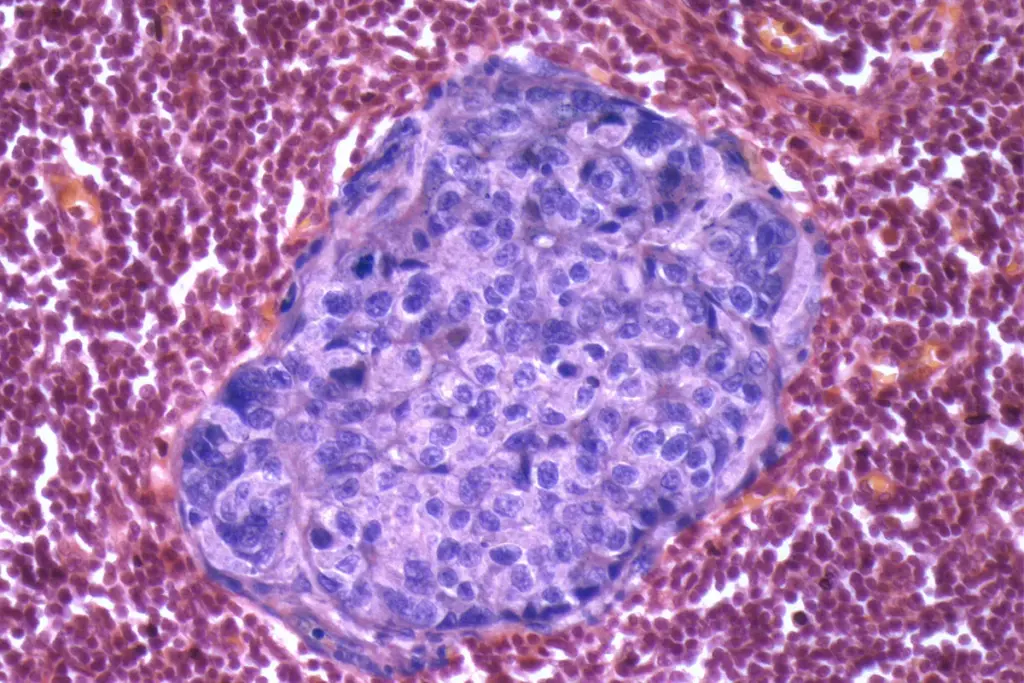
The body’s immune response is key to recognizing and destroying cancer cells. It has various cells and mechanisms that work together. These help identify and eliminate tumor cells, potentially leading to spontaneous cancer regression.
Natural Killer (NK) Cells
Natural Killer (NK) cells are a type of lymphocyte that plays a significant role in the innate immune response against cancer. These cells can recognize and destroy tumor cells without prior antigen exposure. NK cells are critical for immune surveillance, as they can detect and eliminate cancer cells that evade other immune components.
Cytotoxic T Lymphocytes
Cytotoxic T lymphocytes (CTLs) are another vital component of the immune system in fighting cancer. CTLs recognize specific antigens presented by cancer cells and induce cell death through various mechanisms. The activation of CTLs is a critical step in the adaptive immune response against tumors, providing targeted destruction of cancer cells.
Dendritic Cells
Dendritic cells (DCs) are antigen-presenting cells that play a key role in initiating and regulating the adaptive immune response. They capture and process tumor antigens, presenting them to T cells to activate an immune response against cancer. Dendritic cells are essential for priming the immune system to recognize and attack tumor cells.
Immune Surveillance Mechanisms
Immune surveillance refers to the process by which the immune system continuously monitors the body for cancer cells and other pathogens. This complex process involves the coordinated action of various immune cells, including NK cells, CTLs, and DCs. Effective immune surveillance is critical for early detection and elimination of cancer cells, potentially preventing tumor growth and progression.
In conclusion, the immune system plays a multifaceted role in fighting cancer through the actions of NK cells, CTLs, dendritic cells, and immune surveillance mechanisms. Understanding these components and their interactions can provide valuable insights into the phenomenon of spontaneous cancer regression.
Biological Mechanisms Behind Spontaneous Regression
Spontaneous cancer regression is a fascinating topic for researchers. They are discovering the complex biological processes behind it. This knowledge is key to creating new treatments and understanding cancer better.
Immunological Factors
Immunological factors are key in spontaneous cancer regression. The immune system can find and kill cancer cells. This is done through Natural Killer (NK) cells and Cytotoxic T Lymphocytes.
This shows how important a strong immune system is in fighting cancer. Studying this can help make better immunotherapies.
Genetic Mutations and Tumor Suppression
Genetic mutations that help tumor suppression are also important. Some genetic changes can turn on tumor suppressor genes. This can stop tumor growth and even cause regression. For example, changes in the p53 gene can affect this.
Learning about these genetic changes can help find new treatments. By finding the right genetic mutations, researchers can create targeted therapies.
Apoptosis (Programmed Cell Death)
Apoptosis, or programmed cell death, is essential for getting rid of damaged cells, including cancer cells. In spontaneous regression, apoptosis helps shrink tumors. Signals from the immune system and genetic changes can start apoptosis in cancer cells.
Many cancer treatments work by triggering apoptosis. Knowing how apoptosis works in spontaneous regression can lead to better treatments.
Changes in the Tumor Microenvironment
The tumor microenvironment is vital for cancer growth and regression. It includes blood vessels, immune cells, and the extracellular matrix. Changes here, like less angiogenesis or more anti-tumor immune responses, can lead to regression.
Studying the tumor microenvironment can reveal new therapy targets. By changing the microenvironment, treatments might work better and help with natural regression.
“I Survived Cancer Without Treatment”: Personal Stories
Many people have found hope in stories of cancer survival without treatment. These tales are not just inspiring. They also shed light on what might help some people recover naturally.
Documented Cases of Survival Without Conventional Treatment
There are documented cases of people beating cancer without traditional treatments. For example, a study in a top medical journal showed patients with different cancers who saw their tumors disappear on their own. These rare cases are a big interest for scientists trying to understand how this happens.
- A patient with melanoma whose tumor regressed completely without treatment.
- An individual with renal cell carcinoma who experienced spontaneous regression of the tumor.
- A child with neuroblastoma whose cancer went into remission without undergoing conventional treatment.
Common Factors Among Survivors
Researchers have found some common traits among those who survived cancer without treatment. These include:
- A strong immune system, with lots of natural killer cells and cytotoxic T lymphocytes.
- Big changes in lifestyle or diet, like eating healthier or exercising more.
- Less stress, often from practices like meditation or yoga.
It’s important to remember that these factors might help some people, but they don’t work for everyone. Also, these stories shouldn’t make you think you can skip traditional treatment. Cancer treatment is complex, and what works for one person might not work for another.
In summary, the stories of cancer survivors who didn’t get traditional treatment are very insightful. By looking into these cases and the common traits among them, scientists can learn more about how and why some people might recover naturally.
Can a Tumor Shrink on Its Own? The Science Explained
Tumors shrinking without treatment is a topic of great interest in cancer research. This natural process, known as spontaneous regression, has been seen in different cancers. It makes us wonder about the reasons behind it.
Mechanisms of Natural Tumor Shrinkage
Several biological processes can lead to tumors shrinking on their own. These include:
- Immunological Factors: The immune system can spot and fight cancer cells. Sometimes, this fight can make tumors smaller.
- Apoptosis: This is when cells die on their own. In cancer, it can help reduce tumor size.
- Changes in the Tumor Microenvironment: The area around a tumor can affect its growth. Things like less blood flow or hormonal changes can help tumors shrink.
Learning about these processes can help us understand how tumors can shrink naturally. It might also lead to new ways to treat cancer.
Is Tumor Shrinking Always a Good Sign?
While it’s good when tumors shrink, it doesn’t always mean the cancer is gone for good. Several things need to be looked at:
|
Factor |
Implication |
|---|---|
|
Tumor Type |
The type of cancer can affect how well it can be treated or if it will shrink on its own. |
|
Stage of Cancer |
The cancer’s stage at diagnosis can impact the chance of natural tumor shrinkage. |
|
Overall Health |
A person’s overall health and immune system can influence their ability to naturally fight off cancer. |
It’s key for patients to talk to their doctors about what tumor shrinkage means for them.
Will Cancer Go Away On Its Own? Medical Perspectives
Oncologists have found that sometimes, cancer can get better on its own. This is called spontaneous remission. It happens in rare cases, making doctors curious about what causes it.
What Oncologists Say About Spontaneous Remission
Some cancers, like melanoma and kidney cancer, might get better on their own. Doctors want to know why this happens.
The Difference Between Remission and Cure
It’s important to know the difference between remission and a cure. Remission means the cancer is controlled, and symptoms are gone. A cure means the cancer is gone for good.
Spontaneous remission can mean long-term survival. But, it’s not always a cure. Doctors must keep watching to make sure the cancer doesn’t come back.
Opposite of Cancer Remission: Understanding Progression
Cancer progression is when the disease gets worse. The tumor grows or spreads. Knowing why this happens helps doctors find better treatments.
Genetics, environment, and the immune system play big roles in cancer progression. Doctors use tests and scans to track the cancer’s growth. This helps them change treatment plans as needed.
By studying spontaneous remission and understanding remission, cure, and progression, we can learn more about cancer. This knowledge helps us create better treatments.
Factors That May Influence Natural Cancer Regression
The fight against cancer is complex, involving many factors. These include lifestyle, psychological, and environmental elements. Knowing these can help us understand how our bodies combat cancer and guide new treatments.
Lifestyle and Dietary Influences
Our lifestyle and diet greatly affect our health. They can also impact whether cancer can naturally regress. Eating lots of fruits, vegetables, and whole grains boosts our immune system. This can help prevent and even reverse cancer.
Being active and keeping a healthy weight are also good. They help our bodies fight off cancer better.
Some foods have been found to have anti-cancer properties. For instance, curcumin in turmeric and resveratrol in grapes have shown promise. Adding these to our diet might help our health.
Psychological and Stress Factors
Our mental state and stress levels can also affect cancer. High stress can weaken our immune system, which can let cancer grow. Practices like meditation, yoga, and mindfulness can help manage stress and improve our well-being.
Research is looking into how a positive mindset can help fight cancer. Some studies suggest it can lead to better health outcomes, including cancer regression.
Environmental Considerations
Our environment also plays a role in cancer. Exposure to pollutants and toxins can affect cancer development. Reducing these exposures and creating a healthy environment can help our bodies fight cancer naturally.
It’s important to understand how these factors interact with cancer biology. More research into lifestyle, psychological, and environmental impacts on cancer regression is needed. This could lead to new, more effective treatments.
Can Tumors Grow Overnight? Understanding Cancer Growth Patterns
Tumor growth rates can change a lot, depending on many factors. Knowing this is key for both patients and doctors. It helps decide the best treatment and how well a patient will do.
The Reality of Cancer Growth Rates
Cancer doesn’t grow at the same rate for everyone. Even people with the same cancer can grow tumors at different speeds. The growth rate depends on the cancer type, the tumor’s genes, and how well the body fights it.
Some tumors grow fast, while others stay small for a long time. For example, glioblastoma grows quickly, but other cancers grow slower.
Factors That Influence Rapid Tumor Growth
Many things can make tumors grow faster. These include:
- Genetic Mutations: Tumors with certain genetic changes can grow faster.
- Immune System Evasion: Tumors that avoid the immune system can grow quicker.
- Angiogenesis: New blood vessels help tumors get the nutrients and oxygen they need to grow.
- Hormonal Influences: Hormones can make some cancers, like hormone receptor-positive breast cancer, grow faster.
When to Be Concerned About Sudden Changes
It’s important to watch for sudden changes in tumor size or symptoms. Fast growth or new symptoms might mean the tumor is changing. This could mean the treatment plan needs to be updated.
Patients should tell their doctors right away if they notice any new or worse symptoms. Catching changes early can help improve treatment outcomes.
The Cancer Treatment That Makes Tumors Melt Away
Recent breakthroughs in cancer treatment have led to new therapies. These can make tumors disappear. This change has brought hope to patients all over the world.
Breakthrough Immunotherapies
Immunotherapies are a powerful tool against cancer. They use the body’s immune system to find and kill cancer cells. Checkpoint inhibitors help the immune system attack cancer cells better.
CAR-T cell therapy is another type. It changes a patient’s T cells to target cancer cells. This therapy has shown great promise in treating blood cancers.
Targeted Molecular Therapies
Targeted molecular therapies aim to hit cancer cells without harming healthy ones. They find and attack specific molecules cancer cells need to grow. Tyrosine kinase inhibitors are an example that works well against many cancers.
These treatments can mimic natural regression. They use the body’s own ways to fight cancer. By knowing how cancer grows, researchers can make therapies that stop tumors.
How These Treatments Mimic Natural Regression
These treatments boost the body’s fight against cancer. Immunotherapies, for example, make the immune system better at finding and killing cancer cells. This is like the body’s natural defense.
Understanding how these treatments work helps us improve cancer care. We aim to offer treatments that can make tumors disappear. This would greatly improve the lives of cancer patients.
Can You Beat Cancer Without Treatment? Risk Assessment
Knowing the risks of not treating cancer is key to making smart health choices. While some people have beaten cancer on their own, it’s important to look at the facts. We need to know when to seek medical help.
Statistical Realities
Spontaneous cancer regression happens in about 1 in 60,000 to 1 in 100,000 cases. Certain cancers, like melanoma and renal cell carcinoma, are more likely to go away on their own. But, counting on this happening alone is not a good plan for most people.
- Melanoma: A big part of spontaneous regression cases.
- Renal Cell Carcinoma: Sometimes goes away on its own.
- Neuroblastoma: Can go away on its own, mostly in babies.
Balancing Natural Approaches with Medical Treatment
Some people try natural ways to fight cancer. But, it’s important to mix these with doctor-approved treatments when needed. We should weigh the good and bad of each method. This helps us make choices based on the latest science and doctor advice.
When deciding between natural and medical treatments, consider these:
- The type and stage of cancer.
- The patient’s overall health and medical history.
- How natural remedies might affect other treatments.
When Medical Intervention is Necessary
Most of the time, medical help is needed to fight cancer well. Waiting too long or skipping standard treatment can make cancer worse and lower survival chances. It’s vital to talk with doctors to find the right treatment for each person.
By knowing the ups and downs of cancer treatment options, patients can make better choices. It’s important to stay up-to-date and work with doctors for the best results.
Does Cancer Always Come Back? Understanding Recurrence
Cancer recurrence worries both patients and doctors. After a cancer goes away on its own, people often fear it will come back. Knowing what can lead to recurrence is key for survival and managing the disease.
Factors Influencing Cancer Recurrence
Many things can affect if cancer will come back. The type of cancer, how far it has spread, and how well it was treated are important. Genetic mutations and micrometastases that weren’t killed by treatment also matter.
The immune system’s role in fighting cancer is also critical. A strong immune system can stop cancer from coming back. But, a weak immune system might make it more likely.
|
Factor |
Influence on Recurrence |
|---|---|
|
Cancer Type |
Certain types like melanoma and renal cell carcinoma have higher rates of spontaneous regression but also varying risks of recurrence. |
|
Stage at Diagnosis |
Early-stage cancers tend to have lower recurrence rates compared to late-stage cancers. |
|
Initial Treatment Effectiveness |
Effective initial treatment can reduce the risk of recurrence. |
|
Patient’s Overall Health |
Presence of comorbidities and overall immune function can impact recurrence risk. |
Monitoring and Prevention Strategies
Regular checks are key to catching recurrence early. This includes routine visits, scans, and tests for biomarkers. Changing your diet, exercising more, and managing stress can also help prevent recurrence.
It’s important for patients to work with their doctors to create a follow-up plan. This plan should fit the patient’s specific needs and risks.
Long-term Survival After Spontaneous Regression
Surviving long-term after cancer goes away on its own is possible. But, it requires staying vigilant. Patients who have seen their cancer go away should keep seeing their doctors regularly to watch for any signs of it coming back.
Knowing what can lead to recurrence and using good monitoring and prevention strategies can greatly improve outcomes for cancer patients.
Current Research on Harnessing Spontaneous Regression Mechanisms
Modern cancer research is focused on using spontaneous regression. Scientists aim to understand how some cancers can get better on their own. They want to create new treatments that work like these natural processes.
CAR-T Cell Therapy
CAR-T cell therapy is a new way to fight cancer. It uses a patient’s T cells to find and destroy cancer cells. This method has been very effective against blood cancers like leukemia and lymphoma.
This therapy is special because it only targets cancer cells. It doesn’t harm healthy cells as much as old treatments do.
Oncolytic Virus Therapies
Oncolytic virus therapies use viruses that kill cancer cells. These viruses can also make the immune system stronger against tumors. They are a hopeful tool in the fight against cancer.
One great thing about these therapies is they can make the whole body fight cancer. This is different from just treating one tumor.
Future Directions in Mimicking Natural Cancer Regression
As we learn more about how some cancers get better on their own, new treatments are being developed. Researchers are looking into combining CAR-T cell therapy with oncolytic virus therapies. This could lead to even better ways to fight cancer.
|
Therapy Type |
Mechanism |
Potential Benefits |
|---|---|---|
|
CAR-T Cell Therapy |
Engineered T cells target cancer cells |
Specific targeting, reduced side effects |
|
Oncolytic Virus Therapies |
Viruses selectively kill cancer cells |
Systemic immune response, potentially complete tumor eradication |
|
Combination Therapy |
Multi-faceted approach using both CAR-T and oncolytic viruses |
Enhanced efficacy, broader application across cancer types |
By studying how some cancers naturally get better, scientists are working on new treatments. These could greatly improve how we treat cancer in the future.
Conclusion: The Future of Understanding Spontaneous Cancer Regression
Looking into spontaneous cancer regression shows us a bright future for cancer treatment. More research is needed to understand how it works. This could lead to new ways to fight cancer.
Studying how our immune system and genes interact may help us discover new cancer treatment strategies. The goal is to use what we learn from spontaneous regression to make treatments better. This could mean more effective and targeted treatments for patients.
As we learn more about spontaneous cancer regression, we get closer to finding new ways to treat cancer. This knowledge could change how we fight cancer, giving patients and doctors new hope.
FAQ
Can cancer go away on its own?
Yes, it’s rare but possible. Sometimes, cancer cells can disappear without treatment. This happens when the body’s immune system fights hard.
What is spontaneous regression in oncology?
Spontaneous regression is when a tumor gets smaller or goes away without treatment. It’s not expected to happen with the usual treatments.
How common is spontaneous cancer regression?
It’s very rare, happening in about 1 in 60,000 to 100,000 cases. But, it’s hard to know the exact number because not all cases are reported.
Which types of cancer are most prone to spontaneous regression?
Some cancers like melanoma, kidney cancer, neuroblastoma, and certain breast cancers are more likely to go away on their own.
What role does the immune system play in fighting cancer?
The immune system is key in fighting cancer. It uses cells like natural killer cells and T lymphocytes to destroy cancer cells.
Can a tumor shrink on its own?
Yes, sometimes tumors can shrink or even disappear without treatment. This can happen due to the immune system, genetic changes, or other factors.
Is tumor shrinking always a good sign?
Not always. Tumor shrinkage can be good, but it depends on why it happened and the patient’s overall health.
Can you beat cancer without treatment?
While some cases of cancer have gone away on their own, it’s not recommended to rely only on natural methods. Most cancers need medical treatment.
Does cancer always come back after spontaneous regression?
Not always. Some people have stayed cancer-free for a long time after their cancer went away on its own. But, it’s important to keep an eye out for any signs of it coming back.
What are the latest breakthroughs in cancer treatment that can make tumors melt away?
New treatments like CAR-T cell therapy and oncolytic virus therapies are showing great promise. They work by boosting the body’s natural defenses against cancer.
Can tumors grow overnight?
Cancer can grow quickly, sometimes in just a day. This can happen due to genetic changes or other factors. If you notice sudden growth, see a doctor right away.
What is the opposite of cancer remission?
The opposite of remission is when cancer gets worse. This is called cancer progression, where the tumor grows or spreads.
Can lifestyle and dietary influences affect natural cancer regression?
Yes, what you eat and how you live can help your immune system fight cancer. But, more research is needed to understand how these factors work.
References
- Qureshi, A., Gollamudi, S., Qureshi, S., et al. (2023, December 5). The phenomenon of spontaneous tumor regression in breast cancer. Journal of Surgical Case Reports, 2023(12), rjad651. https://doi.org/10.1093/jscr/rjad651 PubMed
- Bryndin, E. (2025). Spontaneous regression of oncological necrotic tissue. Clinical Research and Studies, 4(4). DOI:10.31579/2835-2882/088 ClinicSearch
- Kannari, A., Kikuchi, M., et al. (2025). Spontaneous regression of locally advanced breast cancer following cardiopulmonary arrest: A case report. PMC. Retrieved from https://pmc.ncbi.nlm.nih.gov/articles/PMC11773369/ PMC
- Medicia, B., Caffaria, E., Salatia, M., Spallanzania, A., Garajova, I., Piacentinia, F., Gelsomino, F., et al. (2024). Spontaneous regression of an inflammatory myofibroblastic tumor: A case report and a review of the literature. Journal of Oncology. Iris Unimore
- Cui, Z., et al. (2003). Spontaneous regression of advanced cancer. Proceedings of the National Academy of Sciences, 100(21), 13267-13270. https://doi.org/10.1073/pnas.1031601100 PubMed+1
- Clinical Research and Studies. (n.d.). Elimination of cancerous tumors of different organs by intelligent cell therapy and spontaneous regression. Retrieved from https://clinicsearchonline.org/article/elimination-of-cancerous-tumors-of-different-organs-by-intelligent-cell-therapy-and-spontaneous-regression ClinicSearch
- Cancer Research UK. (n.d.). Can cancer go away on its own? Retrieved from https://www.cancerresearchuk.org/about-cancer/what-is-cancer/can-cancer-go-away-on-its-own
- S0959804922007694 article (n.d.). [Title Unknown]. Retrieved from https://www.sciencedirect.com/science/article/pii/S0959804922007694
National Center for Biotechnology Information. Evidence-Based Medical Insight. Retrieved from https://pubmed.ncbi.nlm.nih.gov/9891219/