It’s very important to know what an allergic reaction looks like in your baby. Babies can’t tell us how they feel, so we must watch for signs. This is key for their health and safety. Spot an infant allergic reaction fast. Learn 7 critical signs, including hives and facial swelling, that require immediate help.
The Centers for Disease Control and Prevention (CDC) says about 5.8% of kids from 0 to 5 have food allergies. At Liv Hospital, we help families learn to spot and handle infant allergic reactions.
Knowing the signs of an allergic reaction in babies is very important. We will look at the common signs and symptoms. This will help you know how to act fast when you see them.
Key Takeaways
- Approximately 5.8% of children ages 0 to 5 are diagnosed with food allergies.
- Infants cannot verbally communicate their symptoms, making visual recognition very important.
- Common symptoms include skin reactions, gastrointestinal issues, and respiratory problems.
- Early recognition is key to preventing severe reactions.
- Liv Hospital provides evidence-based education and compassionate care for families.
Understanding Infant Allergic Reactions
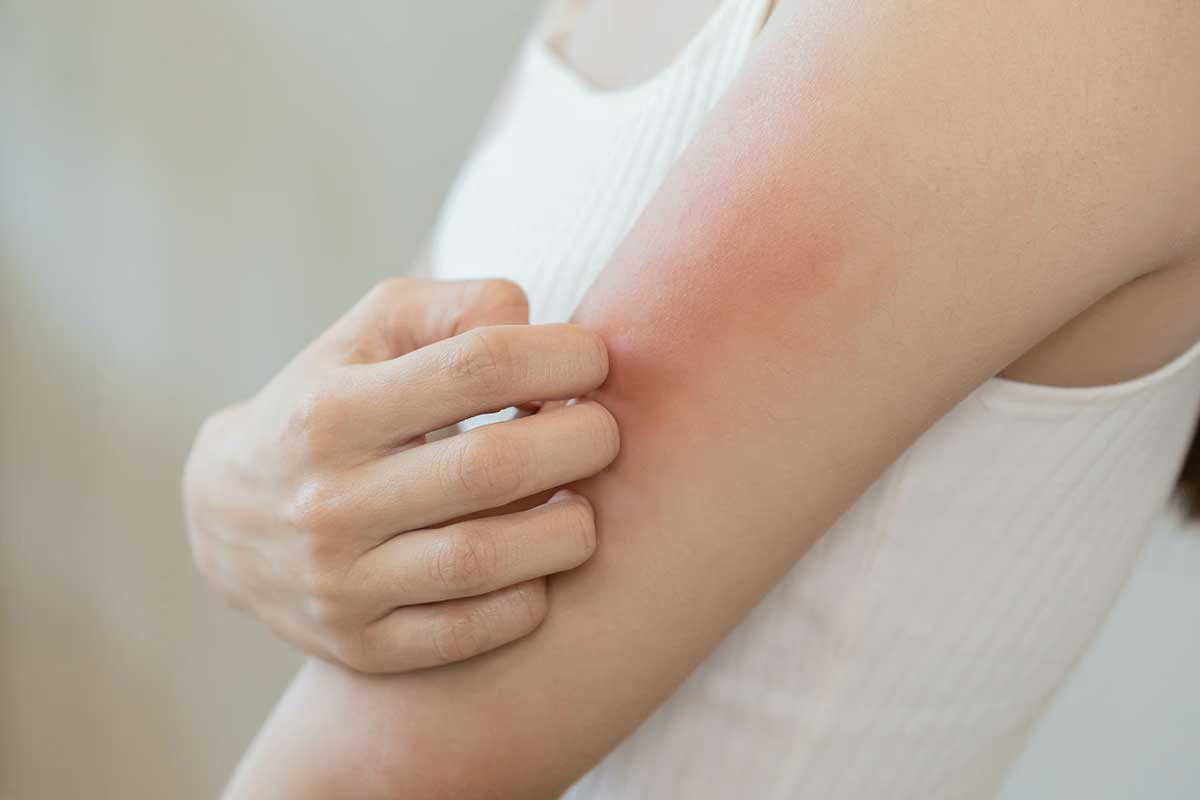
It’s important to know about allergic reactions in infants for their health. These reactions happen when an infant’s immune system reacts to something it shouldn’t, like certain foods or pollen. These reactions can be mild or very serious, even life-threatening.
Prevalence of Allergies in Babies Under 5
Allergies in babies under 5 are a big worry. Food allergies are a major problem. Cow’s milk and eggs are common allergens. About 6-8% of kids under 5 have food allergies, showing we need to be careful and take steps to prevent them.
Allergies can show up differently in babies than in older kids or adults. Babies’ immune systems are not fully grown, making them more likely to react to allergens. Things like family history, environment, and introducing new foods can lead to allergies.
Why Infants Are Vulnerable to Allergic Responses
Babies are more likely to have allergic reactions because their immune systems are not fully developed. The gut plays a big role in the immune system, and in babies, it’s not as ready to handle new things. This makes it harder for the body to tell the difference between safe and harmful substances.
Key factors contributing to infant vulnerability include:
- An immature gut microbiome
- Increased permeability of the gut lining
- Lack of exposure to a diverse range of antigens
- Genetic predisposition to allergies
Knowing these factors helps parents and caregivers protect their babies from allergies. By recognizing the signs of an allergic reaction and knowing how to act, we can keep our children safe from the dangers of allergies.
Common Triggers of Infant Allergic Reaction
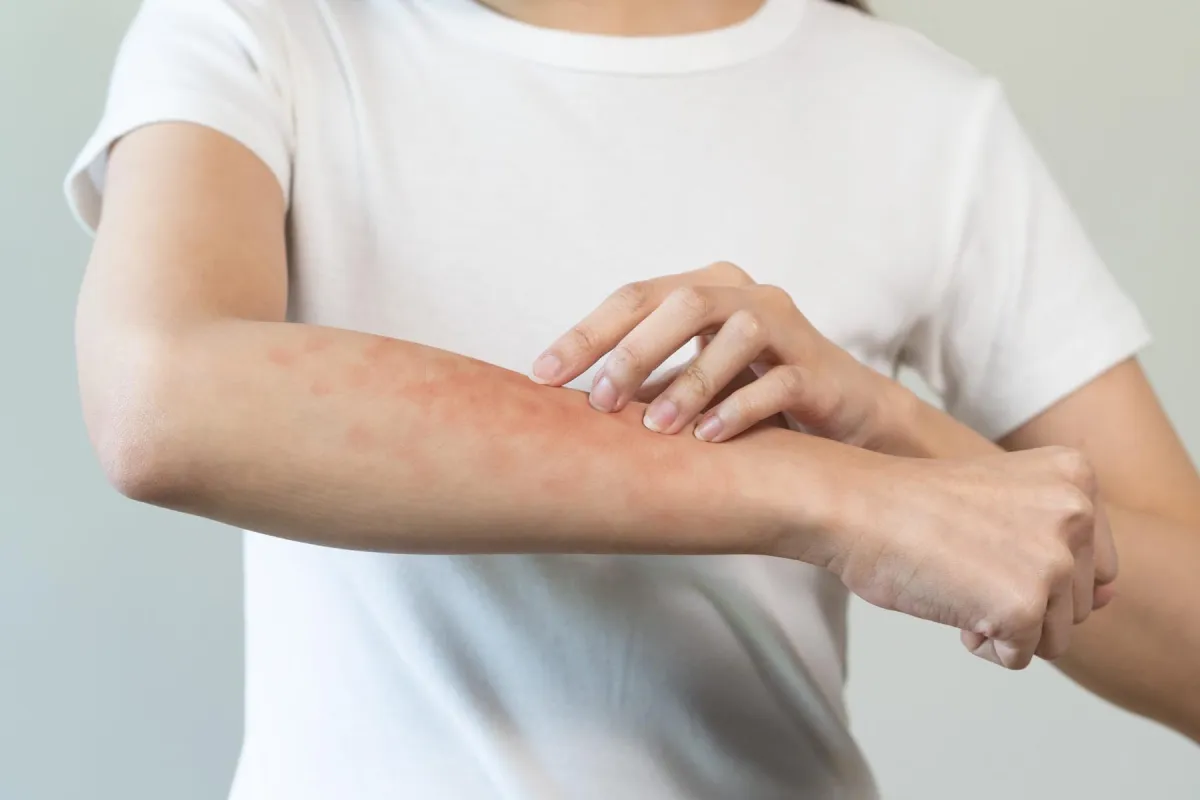
Knowing what causes allergic reactions in babies is important. These reactions can be due to foods, the environment, or medicines.
Cow’s Milk and Dairy Products
Cow’s milk is a big allergen for babies. Dairy in formula or breast milk can also cause issues. Symptoms include tummy troubles, skin rashes, and breathing problems. If you think your baby has a dairy allergy, talk to a doctor about other food options.
Eggs and Other Common Food Allergens
Eggs are another common allergen for babies. Foods like peanuts, tree nuts, fish, shellfish, wheat, and soy can also cause problems. Start introducing these foods slowly and watch for any signs of an allergy. Trying one food at a time helps find out what’s causing the reaction.
Environmental and Medication Triggers
Things like pollen, dust mites, and pet dander can also cause allergies in babies. Some medicines, like antibiotics, can trigger allergic reactions. It’s good to know about these and talk to your doctor if you’re worried.
Some common environmental triggers include:
- Pollen from trees, grasses, and weeds
- Dust mites in bedding and carpets
- Pet dander from cats and dogs
- Mold in damp environments
When introducing solid foods, watch for signs like rashes, vomiting, or changes in stool. Slowly introducing new foods can help find out what might cause an allergy.
Understanding these common triggers helps parents prevent allergic reactions in their babies. If you think your baby is having an allergic reaction, get medical help right away.
Skin Manifestations of Allergic Reactions
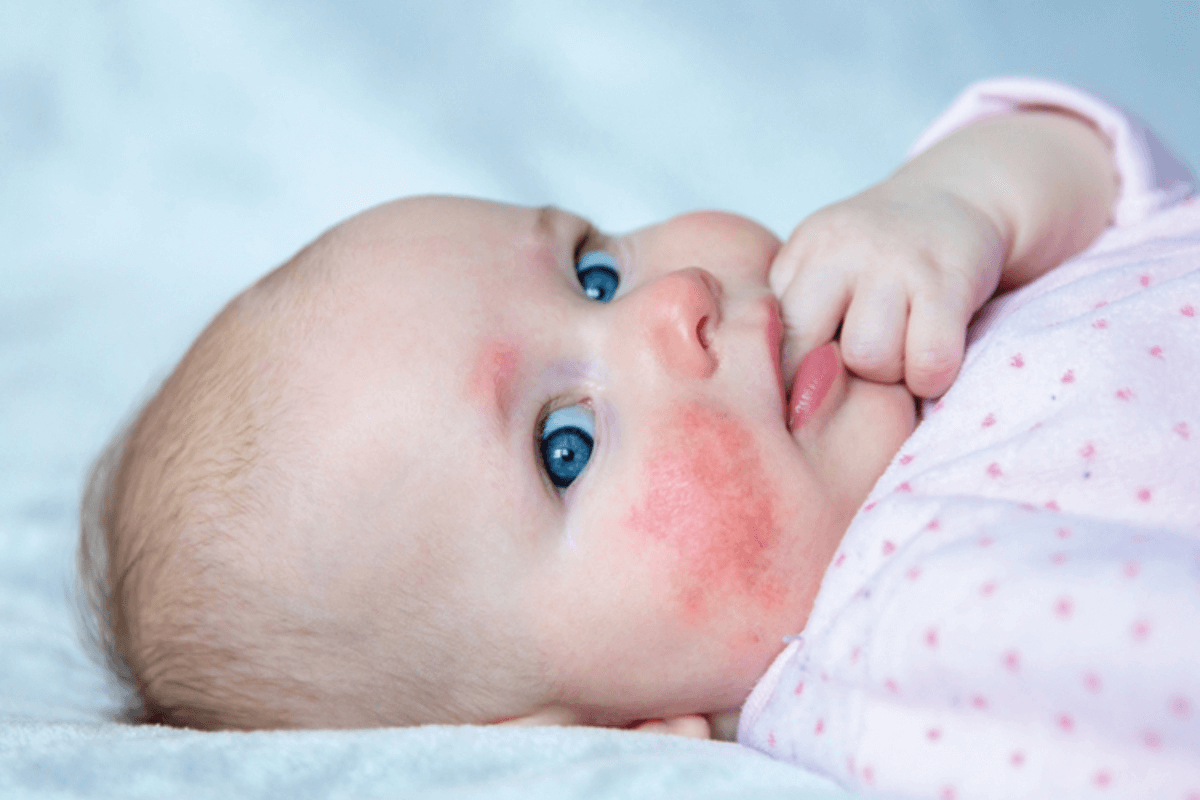
One of the most common signs of an allergic reaction in babies is a change in their skin. This can range from mild rashes to severe hives. It’s important for parents and caregivers to understand these signs.
Hives and Urticaria: Appearance and Characteristics
Hives and urticaria are common in infants with allergic reactions. These itchy, raised patches can vary in size and color. On lighter skin, hives may appear red or pink, while on darker skin tones, they might be more difficult to detect but can appear as patches that are slightly darker or lighter than the surrounding skin.
It’s essential to monitor these rashes closely, as they can be a sign of an allergic reaction that may require medical attention. Hives can appear anywhere on the body and may change shape or location over time.
How Rashes Appear on Different Skin Tones
Recognizing allergic rashes on infants with different skin tones can be challenging. On lighter skin, allergic reactions often appear as red or pink rashes. On darker skin tones, these reactions might be more subtle and can appear as darker or lighter patches.
|
Skin Tone |
Appearance of Allergic Rash |
Characteristics |
|---|---|---|
|
Light Skin |
Red or pink rashes |
May be itchy, raised, and warm to the touch |
|
Medium Skin |
Reddish or darker patches |
Can be itchy and may have a slightly different texture |
|
Dark Skin |
Darker or lighter patches |
May be itchy and can be more challenging to detect |
Facial Swelling and Eczema Flare-ups
Allergic reactions can cause facial swelling and make eczema worse. Facial swelling can be very concerning as it may affect the infant’s ability to breathe or feed. Eczema flare-ups, characterized by dry, itchy, and inflamed skin, can also be triggered by allergic reactions.
Understanding and identifying these skin manifestations is key for providing the right care. By recognizing the signs of allergic reactions, parents and caregivers can take prompt action. This helps alleviate their infant’s discomfort and prevents more severe reactions.
Gastrointestinal Signs of Allergies in Babies
Allergic reactions in infants often show up in their stomachs. These signs can be scary for both the baby and the parents. It’s important to know these signs early to help the baby.
Vomiting and Reflux Symptoms
Vomiting is a common sign of allergies in babies. It can be strong and happen often. This can lead to dehydration if not treated right away. Reflux can also get worse with allergies, making it key to watch for discomfort after eating.
It’s important to tell normal reflux from allergy-related reflux. If the baby seems uncomfortable or won’t eat, it might be an allergy.
|
Symptom |
Normal Reflux |
Allergic Reaction |
|---|---|---|
|
Vomiting Frequency |
Occasional |
Frequent or forceful |
|
Feeding Behavior |
Generally normal |
Refusal to feed or signs of distress |
Diarrhea and Stool Changes
Diarrhea and changes in stool are signs of allergies in babies. Allergies can make the digestive tract inflamed, causing loose or bloody stools. Watching for these changes is key to avoid dehydration and nutrient loss.
“Changes in stool, such as diarrhea or blood in the stool, can be indicative of an allergic reaction in infants.”
It’s important to watch for any changes in the baby’s stool. If there are persistent or severe changes, talk to a healthcare provider.
Signs of Abdominal Pain in Nonverbal Infants
Finding signs of abdominal pain in nonverbal infants can be hard. But, we can look for signs like fussiness, drawing up of the legs, or passing gas. These can mean the baby is uncomfortable or in pain.
Key signs to watch for include:
- Inconsolable crying
- Legs drawn up to the chest
- Swelling or tenderness in the abdomen
By spotting these signs, we can help manage the baby’s allergies. This can make the baby more comfortable and healthy.
Respiratory and Systemic Symptoms
It’s very important to know the signs of an allergic reaction in babies. These signs can be very serious and need quick action. Allergic reactions can affect many parts of the body, so it’s key to understand these signs to help your baby.
Wheezing, Coughing, and Nasal Congestion
Respiratory symptoms are very alarming in infants. Wheezing and coughing mean the airways are blocked. Nasal congestion is also a sign of an allergic reaction. These symptoms can get worse fast, so it’s important to watch them closely.
Doctors say it’s very important to spot these symptoms early. This helps manage allergic reactions better.
Prompt intervention can prevent the progression to more severe reactions, such as anaphylaxis.
Changes in Breathing Patterns
Babies might breathe differently if they’re allergic. They might breathe fast or with effort. This can be scary for both the baby and the person taking care of them. It’s very important to watch how they breathe to catch any problems early.
Systemic Reactions: Fever and Lethargy
Systemic reactions can also happen, showing as fever or being very tired. Fever means the body is fighting off something. Being very tired can mean a bigger problem. These symptoms need to be seen by a doctor right away to figure out what’s wrong and how to fix it.
Knowing the signs of allergic reactions in babies is very important. Being quick to act can really help your baby. Spotting these signs early can make a big difference in how well your baby does.
Behavioral Changes During an Infant Allergic Reaction
Behavioral shifts can be a key indicator of an allergic reaction in infants. Babies can’t tell us how they feel, so we must watch for changes in their behavior.
Increased Fussiness and Inconsolable Crying
One of the main signs is increased fussiness and crying that won’t stop. An allergic reaction can make a baby cry more than usual. This can be hard for both the baby and the parents.
Recognizing the signs: If the baby cries a lot and nothing seems to help, it might be an allergic reaction.
Sleep Disturbances and Irritability
Allergic reactions can also disrupt sleep and make babies irritable. The discomfort can make it hard for the baby to relax or sleep well.
Monitoring sleep patterns: Keep an eye on any changes in your baby’s sleep. Waking up a lot or trouble falling asleep could mean an allergic reaction.
Feeding Resistance and Changes in Appetite
Feeding resistance and changes in appetite are other signs. Infants might not want to eat or might refuse food altogether.
|
Behavioral Change |
Possible Indication |
|---|---|
|
Increased fussiness and crying |
Discomfort or pain due to allergic reaction |
|
Sleep disturbances |
Allergic reaction causing discomfort |
|
Feeding resistance |
Association of feeding with discomfort or pain |
It’s important to know these signs to catch allergic reactions early. If you think your baby is having an allergic reaction, see a healthcare professional right away.
Allergic Reactions When Introducing Solid Foods
Starting solid foods is more than just feeding. It’s about watching for allergic reactions too. We need to know the signs and how to introduce foods safely.
Timeline for Introducing Potentail Allergens
The American Academy of Pediatrics says to introduce possible allergens at 4-6 months. This is key to avoiding allergies. We’ll talk about how to do this safely and watch for any bad reactions.
Starting with these foods at the right time can help prevent allergies. Begin with small amounts and slowly increase them. This helps us spot any allergic signs early.
|
Food |
Age to Introduce |
Signs of Allergy |
|---|---|---|
|
Cow’s Milk |
4-6 months |
Rash, Vomiting, Diarrhea |
|
Eggs |
4-6 months |
Hives, Swelling, Abdominal Pain |
|
Nuts |
4-6 months |
Wheezing, Coughing, Rash |
Monitoring for Reactions During the 4-6 Month Stage
At 4-6 months, we must watch our babies closely for allergic signs. Look out for skin rashes, stomach problems, and breathing issues. If we see these signs, we should talk to a doctor.
Key signs to watch out for:
- Skin manifestations like hives or eczema flare-ups
- Gastrointestinal symptoms such as vomiting or diarrhea
- Respiratory issues like wheezing or coughing
Solid Starts: Best Practices for Allergy Prevention
To avoid allergies, introduce foods one at a time and in small amounts. This helps us find out if there’s an allergy. Keeping a food diary is also helpful for tracking what our babies eat and any reactions.
By following these tips and knowing the signs of an allergic reaction, we can make introducing solid foods safe and healthy for our babies.
Timing of Allergic Reactions in Infants
Allergic reactions in infants can happen at different times. This depends on the allergen and how the infant reacts. It’s important for parents and caregivers to watch closely.
Immediate Reactions Within Minutes to Hours
Some allergic reactions show up right away, within minutes to hours. These can include hives, itching, swelling, and stomach problems. In serious cases, it can lead to anaphylaxis. It’s vital to spot these signs quickly.
Common causes of these fast reactions are foods like peanuts, fish, and milk. Eggs, wheat, and soy can also trigger them.
Delayed Reactions and FPIES (1-4 Hours After Exposure)
Other reactions can take hours to show up. Food Protein-Induced Enterocolitis Syndrome (FPIES) is one example. It causes severe stomach issues in young kids. FPIES can be hard to spot because it starts slowly and looks like other problems.
Common FPIES triggers are cow’s milk and soy. But other foods can cause it too.
Chronic Symptoms from Ongoing Allergen Exposure
Chronic allergies mean symptoms keep coming back with ongoing exposure. Infants with these allergies might have eczema, stomach issues, or breathing problems. Getting rid of the allergen is the first step to managing these symptoms.
For example, if a baby has a milk allergy, using a special formula can help a lot.
Knowing when and how allergic reactions happen in infants is key. It helps in diagnosing and treating them. Parents and caregivers can protect their babies by recognizing these patterns and getting medical help when needed.
Recognizing Severe Allergic Reactions and Anaphylaxis
Anaphylaxis is a severe allergic reaction that can be life-threatening. It’s hard to spot in babies because they can’t tell us how they feel. We’ll talk about the signs to watch for and why quick medical help is vital.
Warning Signs of Anaphylaxis in Babies
Anaphylaxis in babies shows up in different ways. It can cause trouble breathing, a fast heartbeat, and low blood pressure. You might also see widespread hives or rash, swelling, and stomach problems.
Parents and caregivers need to know these signs. Anaphylaxis can get worse fast. Spotting these signs early is key to getting the right help fast.
When to Call 911 or Seek Emergency Care
If a baby shows signs of anaphylaxis, act fast. Call 911 or your local emergency number if you see trouble breathing, a fast or weak pulse, dizziness, or confusion or loss of consciousness.
Also, use an auto-injector with epinephrine if you have one. This is important while you wait for help to arrive.
Risk Factors for Severe Reactions in Infants
Some things can make babies more likely to have severe allergic reactions. These include a history of allergies, past anaphylaxis episodes, and known allergies to certain foods or things. Knowing these risks helps parents and caregivers stay alert and take steps to prevent problems.
By knowing the signs of anaphylaxis and when to get emergency help, we can help babies who are at risk. This can make a big difference in their health.
Conclusion: Managing and Preventing Allergic Reactions in Infants
To manage and prevent allergic reactions in infants, we need a detailed plan. This includes introducing new foods slowly, watching for allergy signs, and keeping things clean. Knowing the signs of an infant allergy is vital for parents and caregivers.
Being able to spot an allergic reaction in a baby is important. This way, caregivers can act fast to lessen the reaction. They should look out for skin issues, stomach problems, and breathing troubles.
To avoid allergic reactions, introduce new foods slowly and watch for bad reactions. Keeping things clean also helps lower the chance of exposure to allergens.
By following these steps, parents and caregivers can greatly lower the risk of allergic reactions in babies. Being alert and ready is essential for caring for infants with allergies.
FAQ
What are the common symptoms of an allergic reaction in infants?
Symptoms include skin issues like hives and eczema. They also have stomach problems like vomiting and diarrhea. Respiratory issues like wheezing and coughing are common too.
How do I identify an allergic reaction on my infant’s skin?
Look for hives, urticaria, or eczema flare-ups on your baby’s skin. The look can change based on skin tone. Always watch for any unusual skin changes.
What are the signs of an allergic reaction when introducing solid foods?
Signs include skin rashes and stomach issues like vomiting or diarrhea. Respiratory problems can also happen. Watch your baby closely when trying new foods.
Why are infants under 5 years old more vulnerable to allergic responses?
Young children have weaker immune systems. This makes them more likely to react to allergens. Exposure to allergens through diet or environment also plays a role.
What are the common triggers of allergic reactions in infants?
Common triggers are food allergens like cow’s milk, eggs, and nuts. Environmental factors and certain medications can also cause reactions.
How can I prevent allergic reactions when introducing new foods to my infant?
Start with single-ingredient purees. Introduce new foods one at a time, in small amounts. Watch for any signs of an allergic reaction.
What is FPIES, and how does it relate to delayed allergic reactions in infants?
FPIES is a condition causing delayed allergic reactions. It happens within 1-4 hours after exposure to a trigger food. Symptoms include severe vomiting, diarrhea, and lethargy.
What are the warning signs of anaphylaxis in infants?
Signs include difficulty breathing and rapid heartbeat. Dizziness and a drop in blood pressure are also warning signs. In infants, look for limpness, paleness, or a weak cry.
When should I seek emergency care for my infant’s allergic reaction?
Call for emergency care if your baby shows signs of anaphylaxis. This includes difficulty breathing, swelling, vomiting blood, or a rapid heartbeat.
How can I manage and prevent allergic reactions in my infant?
Understand the signs and symptoms of allergic reactions. Know the common triggers. Introduce new foods safely. Always be ready for emergencies.
References
National Center for Biotechnology Information. Infant Allergic Reaction Recognition: CDC Guidance. Retrieved from https://www.ncbi.nlm.nih.gov/pmc/articles/PMC6132214/



 Departments
 Related Videos
 Our Doctors
 News
News