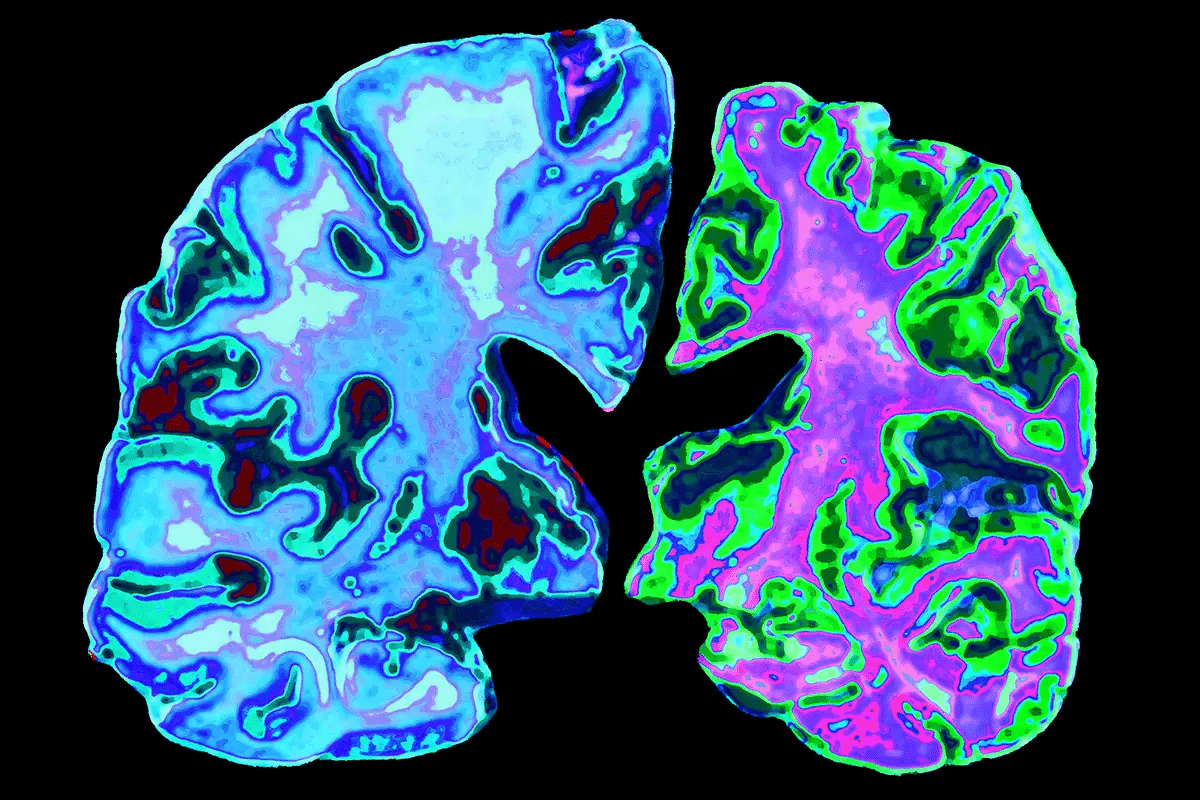
Understanding how the cerebrum controls and how Alzheimer’s affects the brain is key. It helps us grasp the complex nature of this disease.inside of a brainBrain Cyst: 9 Key Symptoms and Causes of Cysts Inside the Head
Alzheimer’s disease causes nerve cells to die and tissue to be lost. This leads to a huge shrinkage of the brain. It affects almost all brain functions.
The disease changes the brain’s cells in big ways. It hits Alzheimer’s and neurons hard.
Key Takeaways
- Alzheimer’s disease causes nerve cell death and tissue loss.
- The brain shrinks dramatically, affecting its functions.
- Understanding the cerebrum’s role is key.
- Alzheimer’s significantly impacts neurons.
- Knowing the brain’s structure is vital for understanding Alzheimer’s.
The Fundamental Structure of a Healthy Brain

To understand Alzheimer’s effects, knowing the brain’s normal structure is key. The human brain is complex, with a structure vital for body control and thinking.
Major Regions and Their Functions
The brain has several main areas, each with its own job. The cerebrum, the biggest part, handles important tasks like language, memory, and seeing. It has two sides: left and right, each dealing with different thinking and movement tasks.
The cerebellum at the brain’s back is key for moving and keeping balance. The brainstem, linking the cerebrum to the spinal cord, manages basic needs like breathing and heart rate.
Cellular Components: Neurons and Glia
The brain is made up of neurons and glia. Neurons send information through electrical and chemical signals. Glia help neurons by supporting and protecting them, keeping the brain environment right for them to work.
Neural Networks and Communication
Neural networks are complex systems of neurons that help the brain talk to itself. They mix information from different senses, leading to coordinated actions. Good communication in these networks is key for thinking, remembering, and solving problems.
Getting how the brain works means understanding its neural networks and the cells and areas that support them.
The Cerebrum: Command Center of Cognition
The cerebrum is at the core of our thinking. It’s a complex part of the brain that handles many important tasks. It’s the biggest part of the brain and has two halves: the left and the right.
What the Cerebrum Controls
The cerebrum manages many things like language, memory, and vision. It also controls our movements and handles complex thinking.
It’s in charge of making sense of what we see and hear. It helps us think and act, and it deals with our emotions too.
Lobes of the Cerebrum and Their Specializations
The cerebrum is split into four main parts: the frontal, parietal, temporal, and occipital lobes. Each part does something different:
- The frontal lobe helps us make decisions and solve problems. It also controls our movements.
- The parietal lobe deals with touch and knowing where things are.
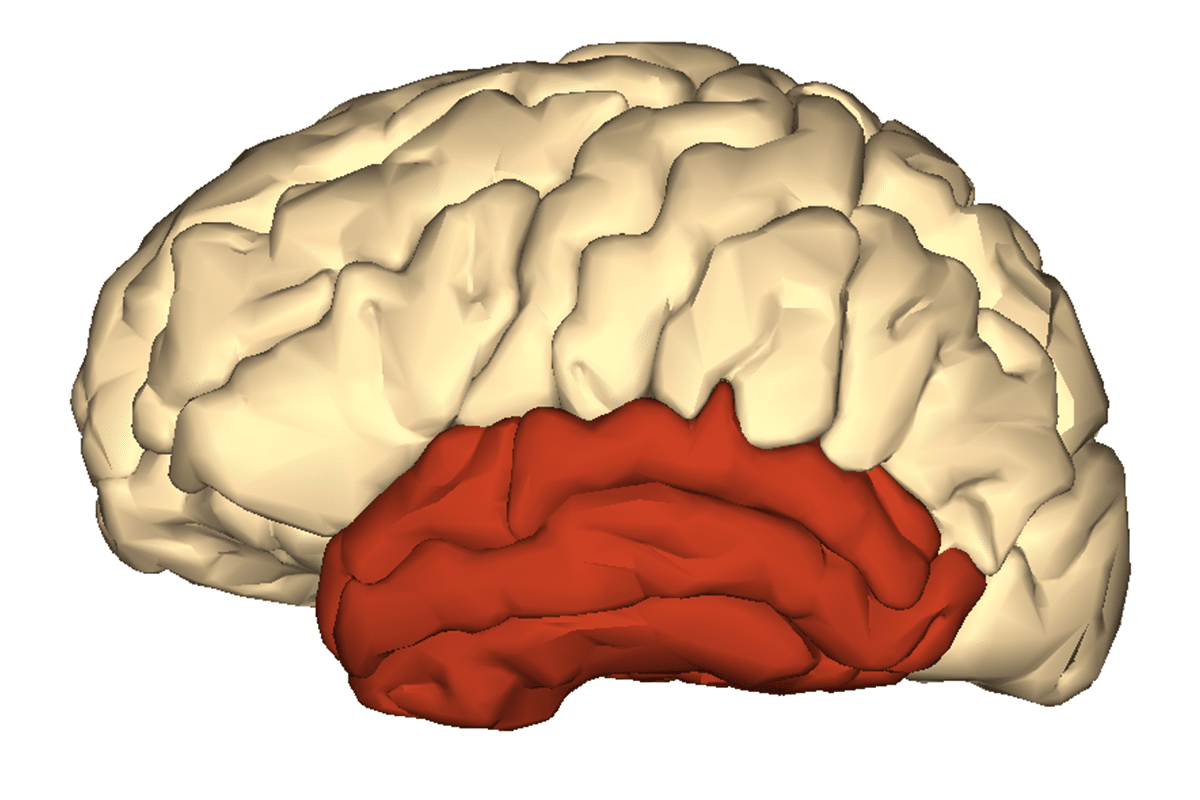
- The temporal lobe is key for hearing and remembering things.
- The occipital lobe focuses on seeing things.
The Cerebral Cortex and Higher Functions
The cerebral cortex is the outer layer of the cerebrum. It’s vital for complex thinking and being aware of our surroundings. It helps put together all the sensory information we get.
The cerebral cortex has different areas for different tasks. These areas work together to help us think and control our actions.
Understanding Alzheimer’s Disease Pathology
Alzheimer’s disease is a complex condition that affects the brain. It involves the buildup of beta-amyloid plaques and tau tangles. These disrupt brain function and cause neurons to die.
Definition and Prevalence
Alzheimer’s disease is a progressive disorder that harms the brain. It makes the brain shrink and kills brain cells. It’s the most common dementia, affecting 60-80% of cases.
Over 6 million Americans live with Alzheimer’s, says the Alzheimer’s Association. It gets more common with age. About 3% of those aged 65-69 have it, and nearly 33% of those 90 or older.
Risk Factors and Genetic Components
Several factors increase the risk of Alzheimer’s. These include age, family history, and genetics. Certain genetic mutations, like those in the APOE gene, raise the risk a lot.
Knowing these risk factors helps find people at high risk. This could help prevent or delay the disease. Here’s a table of key risk factors and their effects.
|
Risk Factor |
Description |
Impact |
|---|---|---|
|
Age |
Increasing age is the greatest risk factor. |
Risk increases significantly after 65. |
|
Family History |
Having a first-degree relative with Alzheimer’s. |
Increases risk, more so if the relative was young when diagnosed. |
|
Genetic Mutations |
Mutations in genes like APOE. |
Significantly increases risk, more for early-onset Alzheimer’s. |
The Progressive Nature of Neurodegeneration
Alzheimer’s disease causes a gradual decline in cognitive function. This is due to the degeneration of neurons and connections. The buildup of amyloid plaques and tau tangles leads to synaptic loss and neuronal death.
Understanding Alzheimer’s progression is key to finding treatments. Research aims to slow or stop the disease. It focuses on finding targets for treatment.
Inside of a Brain Affected by Alzheimer’s: Microscopic Changes
The brain of someone with Alzheimer’s changes a lot on a small scale. These changes are hard to see but are very important. They affect how the brain works.
Amyloid Plaques: Formation and Impact
Amyloid plaques are key signs of Alzheimer’s. They form when amyloid-beta peptides build up outside neurons. This creates dense deposits that mess with brain function.
The plaques cause inflammation and oxidative stress. This makes things worse for the neurons. They block normal communication between neurons, causing memory loss and cognitive decline.
Research shows amyloid plaques appear early in Alzheimer’s. They can show up years before symptoms start.
Neurofibrillary Tangles: Tau Protein Dysfunction
Neurofibrillary tangles are also common in Alzheimer’s. They happen when tau protein builds up inside neurons. In Alzheimer’s, tau protein gets too much phosphate, turning into insoluble fibrils that form tangles.
These tangles harm neurons, leading to their death. The more tangles there are, the worse the symptoms get. As the disease gets worse, tangles spread, causing more brain damage.
Synaptic Loss and Neural Circuit Disruption
Synaptic loss is a big part of Alzheimer’s. It’s when the connections between neurons, called synapses, break down. Synapses are key for thinking and learning.
When synapses disappear, the brain can’t process information well. This leads to the memory and thinking problems seen in Alzheimer’s. Finding ways to stop synaptic loss is key to fighting the disease.
Early Phase of Alzheimer’s Brain Changes
Early Alzheimer’s disease slowly changes the brain, leading to more noticeable memory loss. This early stage is critical to understanding how the disease grows.
Protein Accumulation Patterns
In the early stages, harmful proteins start to build up. Beta-amyloid plaques form outside neurons, messing with brain function. Researchers are trying to figure out why and how this happens.
Tau protein also builds up inside neurons. This causes neurofibrillary tangles, which harm neurons.
Microglia Activation and Neuroinflammation
Microglia, the brain’s immune cells, are key in early Alzheimer’s. They react to beta-amyloid plaques, but this can lead to chronic neuroinflammation. This inflammation damages neurons more.
Neuroinflammation is both a response to the disease and a factor in its growth. Finding the right balance in microglia activation is important for treatments.
Loss of Somatostatin-Expressing Neurons
Early Alzheimer’s also means losing somatostatin-expressing neurons. These neurons help control brain circuits. Their loss disrupts brain function.
The loss of these neurons is not just a side effect. It actually helps Alzheimer’s progress. Studying how to keep or restore these neurons could lead to new treatments.
The Critical Balance: Neural Excitation and Inhibition
Neural excitation and inhibition are two forces that must be balanced for the brain to work right. This balance is key for keeping neural circuits and brain health in check.
How Healthy Brains Maintain Neural Balance
In healthy brains, the balance between neural excitation and inhibition is kept through complex systems. Excitatory neurons release neurotransmitters like glutamate, which excite other neurons. On the other hand, inhibitory neurons release neurotransmitters like GABA, which calm or stop other neurons.
This balance is vital for brain functions like learning, memory, and making decisions. It helps the brain handle information well and react to different stimuli.
Disruption of Inhibitory Mechanisms in Alzheimer’s
In Alzheimer’s, the balance between neural excitation and inhibition is lost. This happens because inhibitory neurons degenerate and neurotransmitter systems fail. This loss makes neural excitation too strong, causing circuits to overact.
The loss of inhibitory neurons and GABAergic system dysfunction are big factors in this imbalance. This makes it hard for the brain to control neural activity, leading to cognitive decline and other symptoms of Alzheimer’s.
Consequences of Neural Circuit Imbalance
The imbalance between neural excitation and inhibition has serious effects on brain health. It can cause too much neural activity, leading to excitotoxicity where neurons get damaged or die.
This imbalance also messes with normal brain functions, leading to cognitive decline in Alzheimer’s. It can also cause neurodegeneration to worsen, as damaged circuits disrupt the balance further.
Vulnerable Brain Regions in Alzheimer’s Disease
Certain brain areas are more affected by Alzheimer’s disease. This neurodegenerative disorder causes specific brain areas to deteriorate. This leads to cognitive decline and memory loss.
The Middle Temporal Gyrus: Structure and Function
The middle temporal gyrus is in the cerebrum. It’s key for processing and storing auditory and visual info. It also helps with language and memory.
In Alzheimer’s disease, this area shows a lot of atrophy and neuron loss. This is why patients have trouble with memory and thinking.
The Hippocampus and Memory Formation
The hippocampus is vital for memory. It helps solidify new memories. It’s very sensitive to Alzheimer’s changes, often showing early damage.
The hippocampus degeneration is linked to Alzheimer’s memory problems. This shows its critical role in the disease.
Why Certain Brain Areas Are More Susceptible
Some brain areas are more vulnerable to Alzheimer’s disease due to their cells and connections. Areas with lots of synaptic plasticity, like the hippocampus, are more at risk.
Knowing why some areas are more vulnerable is key. It helps in creating better treatments for Alzheimer’s disease.
Late-Phase Alzheimer’s: Widespread Neural Degeneration
Late-phase Alzheimer’s causes widespread brain damage, leading to severe memory loss. As the disease gets worse, the brain changes a lot. These changes affect how we think and move.
Progression of Damage Throughout the Brain
Alzheimer’s disease spreads damage across the brain. At first, the damage is small. But as it gets worse, it affects more of the brain.
The spread of amyloid plaques and neurofibrillary tangles is key. These features harm brain connections and lead to memory loss.
- Amyloid plaques build up outside neurons, messing with cell function.
- Neurofibrillary tangles form inside neurons, causing cell damage.
- Synaptic loss makes it hard for neurons to talk to each other.
Cortical Atrophy and Ventricle Enlargement
Cortical atrophy means the brain’s outer layer shrinks. This happens because of lost neurons and their support structures.
Ventricle enlargement is another sign of brain shrinkage. When brain tissue is lost, the ventricles get bigger. This can be seen in scans.
Key effects include:
- Reduced cognitive abilities due to cortical atrophy.
- Increased intracranial pressure from ventricle enlargement.
- Impaired motor functions as a result of neural degeneration.
Functional Consequences of Advanced Neurodegeneration
The effects of advanced neurodegeneration in late-phase Alzheimer’s are huge. Patients lose memory, get confused, and struggle with talking.
Motor skills also get worse, making it hard to move and balance. This greatly affects their quality of life, needing lots of care and support.
The disease’s progression shows why early diagnosis and treatment are so important. They can slow down the disease.
Visualizing the Alzheimer’s Brain: Diagnostic Imaging
Diagnostic imaging has changed how we see and understand Alzheimer’s disease. Tools like MRI and PET scans are key to grasping the brain’s changes.
MRI Findings
MRI is a non-invasive tool that shows brain details. It spots changes in Alzheimer’s, like hippocampal atrophy and cortical thinning.
Research shows the hippocampus, vital for memory, is often hit first. Losing volume in this area links to memory problems.
|
Region |
Change in Alzheimer’s |
Clinical Significance |
|---|---|---|
|
Hippocampus |
Atrophy |
Memory Loss |
|
Cerebral Cortex |
Thinning |
Cognitive Decline |
|
Temporal Lobe |
Volume Reduction |
Language and Memory Issues |
PET Scans and Amyloid/Tau Imaging
PET scans are used to see the Alzheimer’s brain. They spot amyloid and tau proteins, signs of the disease.
Amyloid imaging with PET scans finds areas with amyloid buildup. Tau imaging shows where tau protein tangles are.
Comparing Healthy and Alzheimer’s Brain Images
Looking at images from healthy and Alzheimer’s brains shows big differences. These comparisons help us understand how the disease progresses and how treatments work.
Diagnostic imaging is key for diagnosing Alzheimer’s and for research. It helps us understand the disease better and find new treatments.
Conclusion: The Journey Through an Alzheimer’s-Affected Brain
Exploring a brain with Alzheimer’s disease shows us the brain’s inner workings. It highlights the brain’s structure and how the disease affects it. Alzheimer’s causes big changes in the brain, leading to problems with thinking and doing things.
The journey into an Alzheimer’s-affected brain is complex. It involves the buildup of amyloid plaques and neurofibrillary tangles. These disrupt neural circuits and cause the loss of connections between brain cells.
As Alzheimer’s gets worse, more brain cells die. This affects important areas like the hippocampus and the cerebral cortex. Thanks to MRI and PET scans, we can now see these changes. This helps doctors diagnose Alzheimer’s early.
More research is needed to understand Alzheimer’s. This is key to finding better treatments. It will help improve the lives of those living with the disease.
FAQ
What is Alzheimer’s disease and how does it affect the brain?
Alzheimer’s disease is a condition that makes memory and thinking hard. It causes the brain to lose connections between cells. This leads to problems with memory and thinking.
What are the major regions of the brain and their functions?
The brain has three main parts: the cerebrum, cerebellum, and brainstem. The cerebrum handles things like movement and thinking. It’s divided into areas that do different jobs.
How does the cerebrum control different functions?
The cerebrum has different parts for different tasks. The frontal lobe helps with planning and moving. The temporal lobe is important for hearing and remembering things.
What is the role of neurons and glia in the brain?
Neurons are the brain’s main workers, sending and getting information. Glia help neurons by giving them what they need to work well.
How does Alzheimer’s disease disrupt neural balance?
Alzheimer’s messes with how neurons talk to each other. It loses some neurons and messes up communication. This makes the brain work poorly.
What brain regions are most vulnerable to Alzheimer’s disease?
The middle temporal gyrus and hippocampus are hit hard by Alzheimer’s. The hippocampus is key for memory. Losing it leads to memory problems.
How is Alzheimer’s disease diagnosed using imaging techniques?
MRI and PET scans help spot Alzheimer’s in the brain. MRI shows brain shrinkage. PET scans find amyloid and tau buildup.
What are amyloid plaques and neurofibrillary tangles?
Amyloid plaques are protein clumps outside neurons. Neurofibrillary tangles are tau protein clumps inside neurons. Both are signs of Alzheimer’s.
How does Alzheimer’s disease progress throughout the brain?
Alzheimer’s starts in the hippocampus and spreads. It damages more brain areas, causing widespread damage and shrinkage.
What is the significance of understanding the inside of a brain with Alzheimer’s?
Knowing what Alzheimer’s does to the brain helps find better treatments. By studying the brain, researchers can find new ways to fight the disease.
Reference
Government Health Resource. Alzheimer’s: Cerebrum Control, Nerve Cell Death, and Tissue Loss. Retrieved from https://www.alz.org/alzheimers-dementia/what-is-alzheimers/brain-tour-part-2