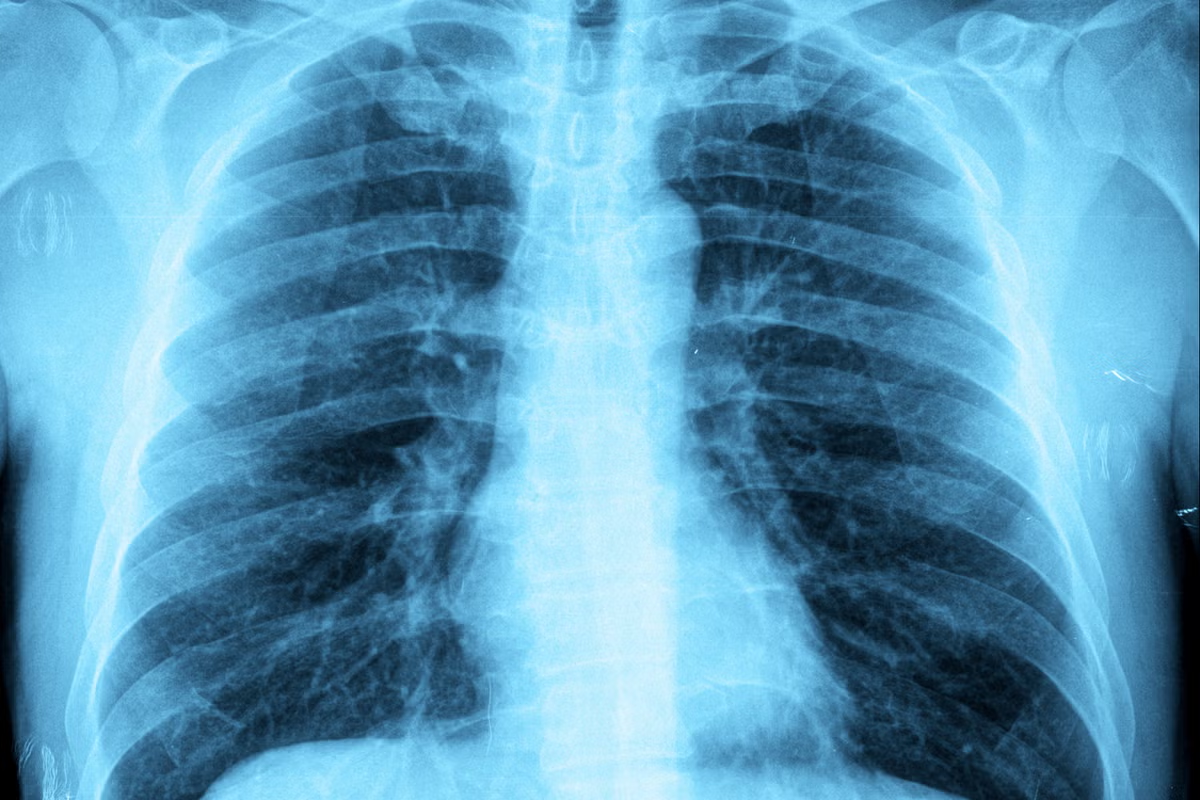
Millions of people worldwide suffer from lung congestion. This condition makes daily life hard and affects well-being. Inflamed air passages in the lungs cause discomfort, breathing problems, and fatigue. At Liv Hospital, we focus on effective management and care to improve respiratory health.Immediate steps and therapies to help quickly clear lung congestion caused by colds, bronchitis, or flu.
We’ll show you quick relief steps and long-term strategies for lung congestion. Our approach includes medical care, lifestyle changes, and patient-focused interventions. This helps you breathe better and enjoy a better quality of life.
Key Takeaways
- Understanding the causes and symptoms of lung congestion
- Effective quick relief steps for immediate comfort
- Long-term management strategies for sustained respiratory health
- The importance of a complete care approach
- Liv Hospital’s dedication to international best practices and patient-centered care
The Growing Problem of Respiratory Congestion

Respiratory congestion is a big health problem that needs our attention. It affects millions of people worldwide, making it hard to breathe and live normally. We must understand and tackle this issue to improve public health.
Statistics on Lung Congestion in the United States
In the United States, about 13.5 percent of adults have airway or lung problems. In 2023, these issues led to 141,733 deaths. These numbers show how serious the problem is and why we need better ways to manage it.
Lung congestion isn’t just for people with COPD. It also affects those with asthma, pneumonia, and other lung issues. Knowing how widespread it is helps us find better ways to help everyone.
Impact on Daily Functioning and Quality of Life
Respiratory congestion makes everyday life tough. It can make breathing hard, cause coughing, and make the chest feel tight. These symptoms can stop people from being active, disrupt sleep, and make them feel sad or anxious.
It’s not just about the body. It also affects the mind and how people connect with others. People with chronic congestion might feel lonely or depressed. So, treating congestion is not just about fixing symptoms. It’s about making life better overall.
Risk Factors and Vulnerable Populations
Some groups face a higher risk of respiratory congestion. Older adults and people with lung problems like asthma or COPD are more at risk. Pollution, smoking, and certain jobs can also increase the risk.
Knowing who is most at risk helps us focus on helping them. By targeting our efforts, we can lessen the impact of respiratory congestion.
Understanding Lung Congestion and Its Physiological Effects
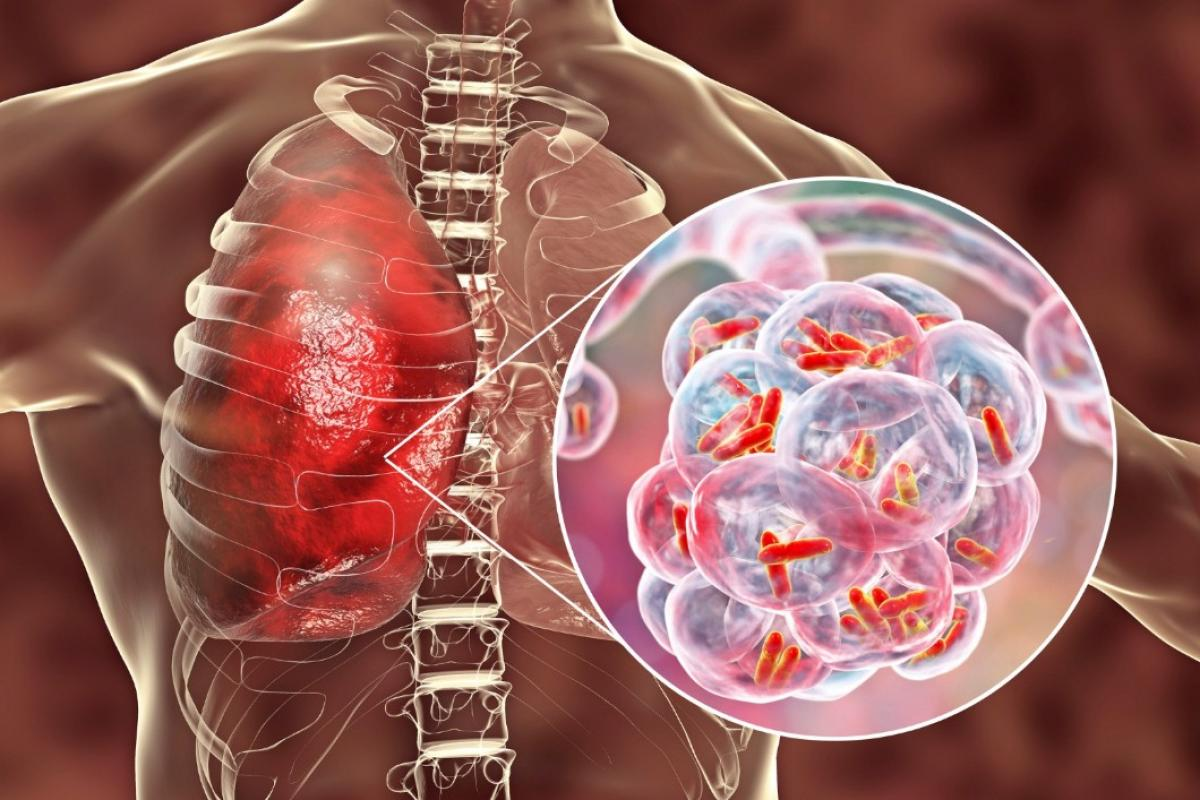
It’s important to understand lung congestion to tackle breathing problems effectively. Lung congestion happens when the bronchi swell and fill with mucus. This blocks airflow and makes breathing hard.
Mucus Formation in the Respiratory System
Mucus protects our respiratory system by trapping dust and bacteria. But, when we get sick or are exposed to irritants, we make too much mucus. This leads to congestion.
The process of mucus formation involves cells in the respiratory tract. They release substances that increase mucus production. This makes the mucus thick and hard to get rid of.
Effects on Forced Vital Capacity and Expiratory Volume
Lung congestion affects lung function, including Forced Vital Capacity (FVC) and Expiratory Volume. FVC is how much air we can force out after a deep breath. Mucus in the airways reduces FVC by blocking airflow.
|
Lung Function Parameter |
Normal Value |
Value with Congestion |
|---|---|---|
|
Forced Vital Capacity (FVC) |
4-5 liters |
Reduced by 20-30% |
|
Expiratory Volume |
High |
Decreased |
Distinguishing Between Different Types of Congestion
It’s key to know the type of congestion to treat it right. Congestion can be sudden or long-term, caused by different things. Acute congestion often comes from infections, while chronic congestion might be due to asthma or COPD.
Knowing the type of congestion helps choose the best treatment. This could be medication, lifestyle changes, or other methods.
Immediate Relief Techniques for Lung Congestion
There are ways to get quick relief from lung congestion. You can try controlled coughing, postural drainage, and steam inhalation. These methods can be done at home to help with congestion and breathing.
Controlled Coughing Techniques
Controlled coughing helps clear mucus from your lungs safely. Here’s how to do it:
- Sit comfortably with your back straight.
- Take a slow, deep breath in through your nose.
- Hold your breath for a couple of seconds.
- Cough gently but firmly.
Benefits of Controlled Coughing: It prevents fatigue and protects your lung tissues.
Postural Drainage Positions
Postural drainage uses gravity to drain mucus from your lungs. Each position targets different areas:
|
Position |
Target Area |
|---|---|
|
Lying on your back with a pillow under your hips |
Lower back areas of the lungs |
|
Lying on your side with a pillow between your knees |
Middle and lower lobe areas |
|
Lying on your stomach with a pillow under your hips |
Front parts of the lungs |
Steam Inhalation Methods
Steam inhalation loosens mucus and eases congestion. You can inhale steam by:
- Boiling water and inhaling the steam with a towel over your head.
- Using a steam humidifier in your room.
Using these techniques daily can help a lot with lung congestion. It can also improve your breathing.
Hydration Strategies to Thin Mucus
Drinking enough water is key to thinning mucus and easing breathing. It keeps our respiratory system working well. This makes it easier to breathe and get rid of mucus.
Optimal Daily Fluid Intake for Congestion Relief
Clear fluids are vital for staying hydrated and thinning mucus. We should aim for at least eight glasses a day. But, when we have lung congestion, we might need more to effectively loosen mucus.
Tips for optimal fluid intake:
- Drink fluids regularly throughout the day.
- Monitor the color of your urine; it should be pale yellow.
- Avoid caffeinated and sugary drinks that can dehydrate.
Best Types of Fluids for Breaking Up Mucus
Not all fluids are the same when it comes to breaking up mucus. Warm fluids are best because they help loosen thick mucus. This makes it easier to expel.
Some top fluids for congestion relief are:
- Water
- Clear broths
- Herbal teas
- Warm juice
Warm Beverages That Help Clear Airways
Warm drinks can quickly help by loosening and clearing mucus. Some good choices include:
- Hot tea, such as peppermint or chamomile
- Warm broth, like chicken or vegetable soup
- Ginger tea, known for its anti-inflammatory properties
These warm drinks not only thin mucus but also offer comfort and hydration. They’re great for anyone looking to relieve congestion.
Best Over-the-Counter Medications for Chest Congestion
Many OTC medications can help with chest congestion. They can ease symptoms and make breathing easier. Let’s look at the best options for chest congestion relief.
Strongest OTC Expectorants Available
Expectorants help break up mucus, making it easier to cough it out. The strongest one is guaifenesin, found in Mucinex. It adds water to airways, thins mucus, and helps expel it.
Guaifenesin Benefits: It loosens mucus well, is easy to use, and comes in many forms.
Comparing Mucinex and Robitussin Effectiveness
Mucinex and Robitussin are top choices for chest congestion. Both help loosen mucus but differ in how they work.
|
Medication |
Active Ingredient |
Effectiveness |
|---|---|---|
|
Mucinex |
Guaifenesin |
Highly effective in loosening thick mucus |
|
Robitussin |
Dextromethorphan/Guaifenesin |
Effective in relieving cough and loosening mucus |
Decongestant Options for Different Symptoms
Decongestants help with nasal congestion caused by chest congestion. They reduce swelling in nasal passages, improving breathing.
Decongestant Options: Pseudoephedrine and phenylephrine are common OTC decongestants. They’re available in tablets, liquids, and sprays.
Choosing the right OTC medication for chest congestion is key. Look at the ingredients, side effects, and your symptoms. Always follow the dosage and talk to a doctor if symptoms don’t improve.
Natural Remedies to Combat Lung Congestion
We look at natural ways to fight lung congestion. We focus on herbal teas, essential oils, and changing what we eat. These methods can help along with regular treatments to make breathing easier.
Herbal Teas and Supplements with Scientific Support
Some herbal teas and supplements might help with lung congestion. Thyme is known for helping to clear mucus. Echinacea is used to strengthen the immune system and fight off infections.
A study in Phytotherapy Research showed thyme and ivy leaf extract helped patients with bronchitis. This study backs using certain herbs for lung congestion.
Essential Oils for Respiratory Relief
Essential oils are strong plant extracts used for ages in medicine. Eucalyptus oil is great for breathing because it’s a decongestant. Other good oils are peppermint and tea tree oil, which fight inflammation and germs.
- Eucalyptus oil: Decongestant and anti-inflammatory properties
- Peppermint oil: Cooling effect, can help ease congestion
- Tea tree oil: Antimicrobial properties, can help combat infection
Food-Based Approaches to Reduce Congestion
What we eat can also help with lung congestion. Eating foods full of antioxidants like fruits and veggies can lower body inflammation. Drinking lots of fluids, like warm soups and teas, can also help clear mucus.
Some foods that might help with congestion include:
- Spicy foods: Can help clear mucus
- Garlic: Has antimicrobial properties
- Omega-3 rich foods: Can help reduce inflammation
Physical Techniques to Loosen Chest Congestion
To manage chest congestion, several physical techniques can help. These methods loosen mucus and improve breathing. They work best when used with medication and staying hydrated.
Chest Percussion and Vibration Methods
Chest physical therapy, like percussion and vibration, is helpful. Chest percussion uses clapping on the chest to remove mucus. Vibration uses a device to vibrate the chest wall. A healthcare professional or trained caregivers can do these.
- Chest percussion uses cupped hands for a gentle clapping motion.
- Vibration can be done with special devices or mechanical tools.
These methods work well with postural drainage. This positions the body to help mucus drain from the lungs.
Breathing Exercises for Mucus Clearance
Specific breathing exercises help clear mucus. Diaphragmatic breathing strengthens the diaphragm and improves lung function.
- Diaphragmatic breathing is done lying on the back with knees bent. Place one hand on the belly and the other on the chest. Breathe in slowly through the nose, letting the belly rise while the chest stays steady.
- The active cycle of breathing includes breathing control, deep breathing, and huffing (a forced expiration technique).
These exercises clear mucus and improve breathing health.
Gentle Exercise Approaches for Different Fitness Levels
Gentle exercise helps loosen chest congestion. Start slowly and increase intensity as fitness improves.
- For those with limited mobility, simple arm movements or gentle stretching are good.
- Brisk walking or swimming is better for those who are more fit.
Adding these physical techniques to daily routines can greatly improve chest congestion management. It also boosts respiratory health.
Environmental Modifications for Better Breathing
Making simple changes at home can help us breathe easier. People with lung congestion need ways to feel better. By changing our surroundings, we can improve our breathing.
Optimal Humidity Control
Keeping the right humidity in our homes is key for comfort. Too dry air can irritate the respiratory tract, and too humid can lead to mold. Use a humidistat to keep humidity between 30-50%.
Here are some tips for optimal humidity control:
- Use a humidifier during dry seasons.
- Employ a dehumidifier in humid climates.
- Regularly check and maintain your HVAC system.
Air Purification Solutions
Air purifiers can cut down on airborne pathogens and allergens. HEPA filters are great at catching small particles like dust, pollen, and smoke.
|
Air Purifier Type |
Filter Type |
Coverage Area |
|---|---|---|
|
Basic |
Pre-filter + HEPA |
Up to 200 sq. ft. |
|
Advanced |
Pre-filter + HEPA + Activated Carbon |
Up to 500 sq. ft. |
|
Smart |
Pre-filter + HEPA + Wi-Fi Connectivity |
Up to 1000 sq. ft. |
Allergen Reduction Strategies
Keeping our living spaces clean is important for clear airways. Regular cleaning, allergen-proof bedding, and no carpeting can help. This reduces dust mites and pet dander.
Some effective strategies include:
- Washing bedding in hot water weekly.
- Using allergen-proof mattress and pillow covers.
- Removing carpets and upholstered furniture.
By making these changes, we can make our homes healthier. This promotes better breathing and overall well-being.
Specialized Approaches for Chronic Conditions
Managing chronic respiratory conditions needs special methods to ease congestion and boost quality of life. People with COPD, long COVID, and asthma face unique challenges. They need to find ways to manage their symptoms effectively.
Managing Congestion in COPD Patients
COPD patients often have severe congestion due to chronic inflammation and mucus buildup. To manage this, they can try:
- Specific breathing exercises to improve lung capacity
- Medications like bronchodilators and mucolytics
- Pulmonary rehabilitation to enhance respiratory function
A study in the American Journal of Respiratory and Critical Care Medicine showed that pulmonary rehab improves exercise capacity and quality of life in COPD patients.
Relief Strategies for Long COVID-Related Congestion
Long COVID, or Post-Acute COVID-19, can cause persistent respiratory symptoms, including congestion. To find relief, long COVID patients can try:
- Nasal saline irrigations to clear nasal passages
- Steam inhalation therapy to loosen mucus
- Using humidifiers to keep indoor humidity levels right
A study in Journal of Infectious Diseases found that nasal saline irrigations help reduce COVID-19-related nasal congestion.
Approaches for Asthma-Related Mucus Production
Asthma often leads to too much mucus, causing airway obstruction. To manage asthma-related mucus, patients can:
- Use inhaled corticosteroids to reduce inflammation
- Take bronchodilators to open airways
- Avoid triggers that make mucus worse
The Global Initiative for Asthma says a detailed management plan, including medication and lifestyle changes, can greatly reduce asthma-related mucus.
By using these specialized methods, patients with chronic respiratory conditions can better manage their congestion. This can improve their overall quality of life.
Conclusion
Clearing lung congestion needs a full plan that includes medical help, lifestyle changes, and making the environment better. Knowing why and how lung congestion happens helps people take action to breathe better.
We looked at ways to handle lung congestion, like controlled coughing and steam inhalation. Drinking plenty of water, using medicines, and natural remedies can also help. Making the air cleaner and controlling humidity are important for lung health too.
People with long-term health issues have special ways to deal with lung congestion. By using these methods and getting help from doctors, people can manage lung congestion well. This helps keep lungs healthy and improves life quality.
FAQ
What is the best over-the-counter medication for chest congestion?
The best OTC for chest congestion varies by symptoms. Expectorants like Mucinex are good for loosening mucus. Decongestants help with nasal congestion.
How do expectorants like Mucinex and Robitussin compare in effectiveness?
Mucinex and Robitussin are both good expectorants. Mucinex has guaifenesin to thin mucus. Robitussin has guaifenesin or dextromethorphan, a cough suppressant. Choose based on your needs.
What are some natural remedies for lung congestion?
Natural remedies include thyme and eucalyptus teas to loosen mucus. Eucalyptus oil in steam inhalation clears airways. Eating foods rich in antioxidants and omega-3s also helps.
How can hydration help in managing lung congestion?
Hydration is key for lung congestion. It thins mucus for easier expulsion. Warm drinks like tea or broth keep the airways moist.
What are some immediate relief techniques for lung congestion?
Techniques for immediate relief include controlled coughing and steam inhalation. Postural drainage positions also help clear mucus.
How can environmental modifications help in managing lung congestion?
Modifying your environment helps manage lung congestion. Keep humidity levels right, use air purifiers, and reduce allergens. These steps reduce irritants and improve breathing.
Are there specialized approaches for managing congestion in chronic respiratory conditions?
Yes, for chronic conditions like COPD or asthma, there are specific strategies. These include tailored breathing exercises and medication plans to manage symptoms and improve life quality.
What is the role of physical techniques in loosening chest congestion?
Physical techniques like chest percussion and vibration help clear mucus. Gentle exercises also improve breathing. Tailor these to your fitness level.
References
National Health Service (NHS). Evidence-Based Medical Guidance. Retrieved from https://www.nhs.uk/conditions/bronchiectasis/treatment/