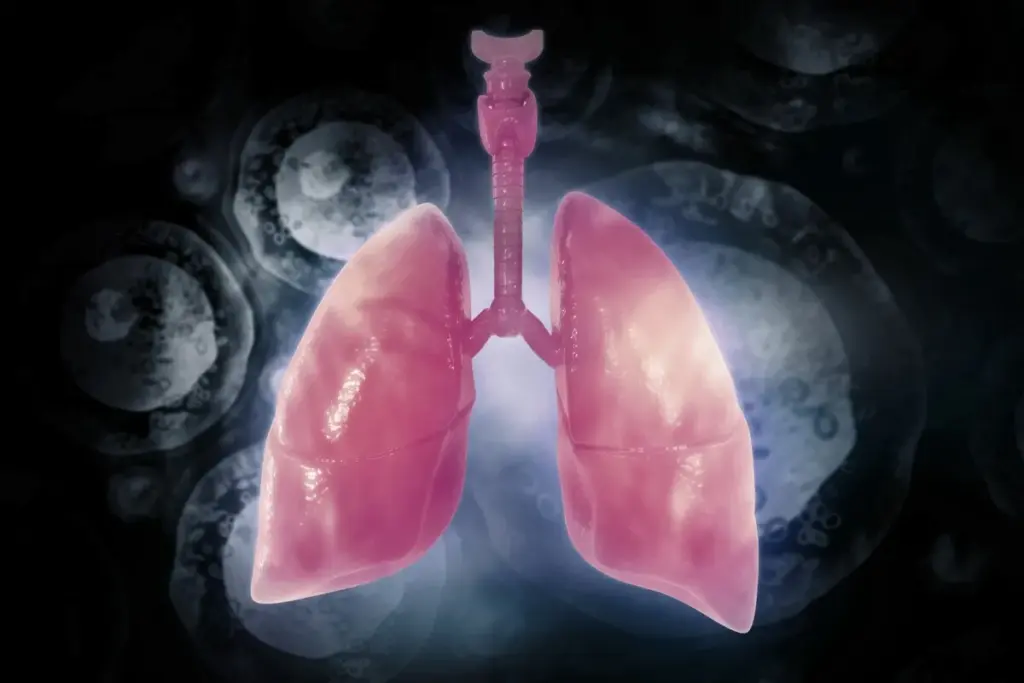
Mucus plugs in the lungs are a big deal and need to be understood and handled right. Mucus is good for us, helping keep airways safe and trapping bad stuff. But too much thick mucus can block air and hurt our breathing.
Studies reveal that mucus plugs can cause big problems. They can lead to air sacs collapsing and lower oxygen levels in small airways. Or, they can make it hard to breathe and feel like you’re choking in bigger airways. Knowing about the dangers of mucus plugs is key to keeping our lungs healthy.
Key Takeaways
- Mucus plugs can cause serious respiratory complications.
- Abnormal mucus accumulation can obstruct airflow.
- Understanding mucus plugs is critical for lung health.
- Mucus plugs can be a sign of an underlying condition.
- Proper management is essential for mitigating risks.
Understanding Mucus Plugs in the Respiratory System

Mucus is key to our respiratory system’s health. Sometimes, it can build up and form plugs, causing problems. Normally, it traps dust, allergens, and microbes, protecting our lungs.
Normal Lung Mucus and Its Protective Function
Lung mucus is more than just a barrier. It traps pathogens and foreign particles, keeping them from harming our lung tissue. This is vital for keeping our lungs healthy.
How and Why Mucus Plugs Form
Mucus plugs form when mucus production or clearance gets out of balance. This imbalance can be caused by respiratory infections, allergies, or chronic conditions like asthma or COPD. When mucus is too thick or there’s too much of it, it can block airways, creating mucus plugs.
The formation of mucus plugs involves complex interactions. These include the respiratory mucosa, the immune system, and environmental factors. Understanding these interactions is essential for tackling mucus plugging issues.
Common Causes of Excessive Mucus Production
Several factors lead to too much mucus production:
- Respiratory infections that increase mucus production as a defense.
- Allergic reactions that cause inflammation and more mucus.
- Chronic respiratory diseases like asthma, COPD, and cystic fibrosis, which cause ongoing mucus production.
- Environmental factors such as pollution, smoke, and dust that irritate the respiratory mucosa.
It’s important to identify and manage these causes to prevent mucus plugs and keep our respiratory system healthy.
Is a Mucus Plug in Lung Dangerous? Possible Complications

It’s important to know the risks of mucus plugs for lung health. If not cleared, mucus plugs can cause serious respiratory problems.
Effects on Small Airways and Oxygen Levels
Mucus plugs can block small airways, reducing oxygen in the blood. This can lead to shortness of breath and other breathing issues. More serious problems can happen if not treated, like aspiration pneumonia.
A medical expert said, “Mucus plugs can lower quality of life and increase death risk in COPD patients.” This shows why it’s key to deal with mucus plugs quickly.
Consequences in Larger Upper Airways
In the larger upper airways, mucus plugs can cause a lot of discomfort. This includes choking and constant coughing. If not managed, it can lead to infections and more serious issues.
Connection to Chronic Lung Diseases
Mucus plugs are often seen in chronic lung diseases like COPD and asthma. These conditions make airways more likely to get clogged with mucus. This can make symptoms worse and lead to health decline.
| Disease | Association with Mucus Plugs | Potential Complications |
| COPD | High mucus production | Increased exacerbations, mortality |
| Asthma | Mucus plugging in airways | Severe asthma attacks, respiratory distress |
Warning Signs That Require Medical Attention
It’s vital to know when to seek medical help. Look out for severe shortness of breath, constant coughing up mucus plugs, and signs of infection like fever and chest pain.
If you notice these symptoms, getting medical help is key. It helps avoid more serious problems and ensures the right treatment.
Treatment Options and Prevention Strategies
Managing mucus plugs needs a mix of medical help and home remedies. It’s important to know why the mucus plugs are there and how bad they are.
Medical Interventions for Mucus Plug Removal
When mucus plugs are serious or don’t go away, doctors might need to step in. Bronchoscopy lets doctors see inside the airways and take out mucus plugs. This is key for those with big blockages.
Medicines like mucolytics make mucus thinner, making it easier to cough up. Bronchodilators help open airways, making breathing better and helping to get rid of mucus plugs.
Home Remedies to Help Clear Airways
There are home remedies to help with mucus plugs and breathing. Drinking lots of water helps thin mucus. Using a humidifier adds moisture to the air, making it easier to cough up mucus.
Steaming up, either from hot water or a steam inhaler, is also good. Adding eucalyptus oil to the water can make it even better by breaking down mucus.
Preventive Measures for Those at Risk
To prevent mucus plugs, manage health issues like asthma or COPD. Stay away from things that irritate the lungs, like tobacco smoke and pollution.
Good hygiene, like washing hands often, can lower the chance of getting mucus plugs. Also, getting all your vaccinations on time can help stop infections that cause mucus plugs.
Conclusion
Knowing if a mucus plug in the lung is dangerous is key for good breathing. A lung mucus plug can block airways and lower oxygen levels. It’s important to know the causes and signs to get medical help fast.
Managing mucus plugs needs both doctor’s treatments and home care. By taking steps to prevent it and watching for signs, you can lower the risk. Taking care of your lungs can make you feel better overall.
Keeping your lungs healthy means knowing about mucus plug risks. By staying informed and acting early, you can protect your lungs and avoid serious problems.
FAQ
What is a mucus plug in the lungs?
A mucus plug is a thick, condensed accumulation of mucus that becomes stuck in the airways. Unlike normal thin secretions, these plugs are firm and rubbery, physically obstructing the passage of air.
What causes mucus plugs to form in the lungs?
They form when the body produces excess mucus that isn’t cleared effectively, often due to dehydration, inflammation, or impaired cilia (the tiny hairs that move mucus). Conditions like asthma, COPD, and cystic fibrosis are common culprits.
Is coughing up mucus plugs a sign of a serious condition?
It can be. While coughing them up is the body’s way of clearing the airway, their presence indicates that your lungs are struggling with significant inflammation or infection that needs to be addressed.
How do mucus plugs affect small airways and oxygen levels?
When a plug blocks a small airway, it prevents oxygen from reaching the alveoli (air sacs). This can lead to atelectasis (lung collapse in that area) and a drop in overall blood oxygen levels.
What are the warning signs that require medical attention for mucus plugs?
You should seek help if you experience sudden shortness of breath, a bluish tint to the lips or fingernails, chest pain, or a high fever accompanied by a “rattling” sensation in the chest that won’t clear with coughing.
What are the treatment options for managing mucus plugs?
Treatments include bronchodilators to open airways, mucolytics to thin the mucus, and airway clearance techniques like chest physiotherapy or the use of oscillating PEP devices.
How can mucus plugs be prevented?
Prevention focuses on staying hydrated to keep mucus thin, using a humidifier, practicing deep breathing exercises, and strictly following management plans for underlying respiratory conditions.
Can mucous plugging be a symptom of a chronic lung disease?
Yes, it is a hallmark symptom of several chronic diseases, particularly Bronchiectasis and Allergic Bronchopulmonary Aspergillosis (ABPA), where mucus clearance is permanently impaired.
What is the connection between mucus plugs and chronic lung diseases?
In chronic diseases, the airway walls are often damaged or produce more goblet cells (which make mucus). This creates a cycle of constant production and poor clearance, leading to frequent plugging and potential infections.
References
National Center for Biotechnology Information. Evidence-Based Medical Insight. Retrieved from https://pmc.ncbi.nlm.nih.gov/articles/PMC470246/