
specific is blood test needed for allergies facts. Learn why blood work is vital for certain groups, like those on antihistamines.
Deciding between a blood test and a skin test for allergies is a big choice. It affects how well you’re diagnosed and how comfortable you feel. At Liv Hospital, our skilled allergists use the latest testing methods. They focus on what’s best for you, based on your health needs.
Allergies happen when your immune system reacts too strongly to something called an allergen. Knowing the difference between blood tests and skin tests is key to making a good choice.
Our allergists will help you every step of the way. They make sure you get the right diagnosis and treatment plan.
Key Takeaways
- Understanding the differences between blood tests and skin tests is essential for accurate allergy diagnosis.
- Liv Hospital’s allergists use evidence-based testing protocols to determine the best testing method.
- Patient-centered care is prioritized to ensure comfort and accuracy in allergy testing.
- Blood tests and skin tests have different mechanisms for detecting allergen sensitivities.
- Choosing the right test depends on your unique health situation and medical history.
Understanding Allergy Testing Fundamentals
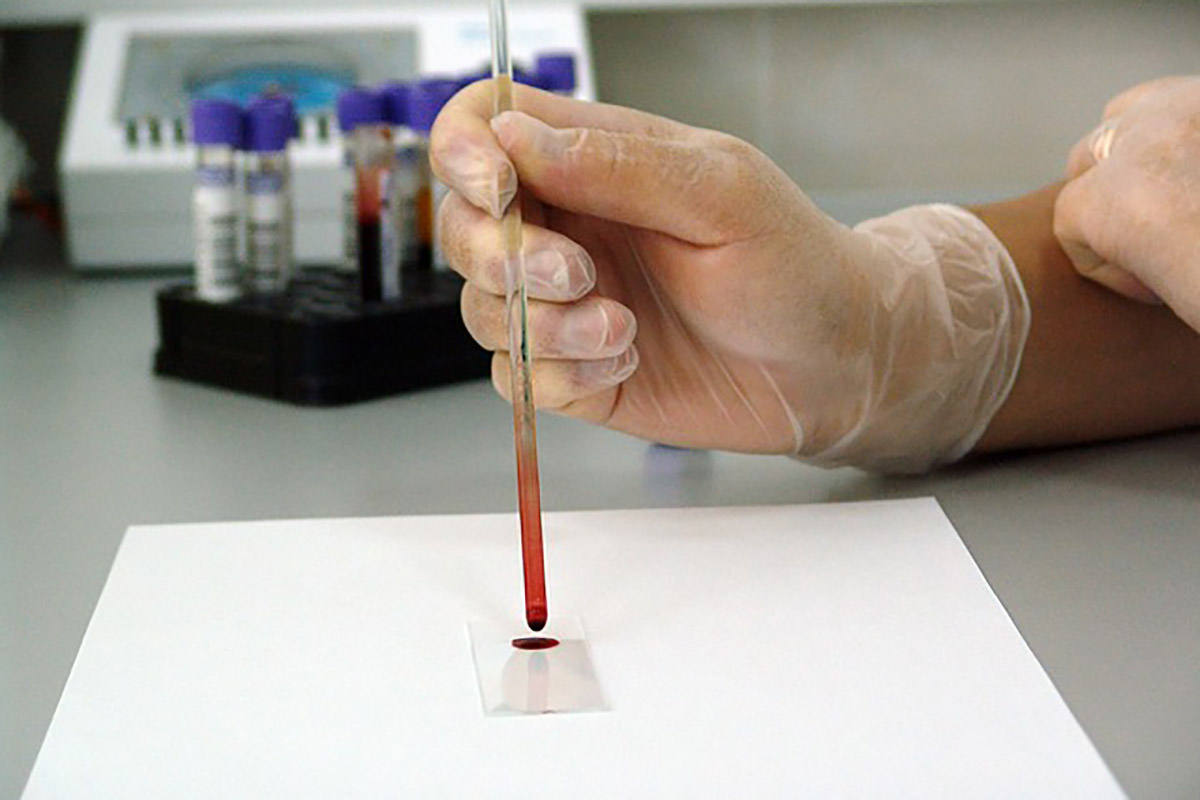
To understand the differences between blood tests and skin tests for allergies, we need to know the basics. Allergy testing is a key tool to find out what triggers allergic reactions in people.
What Are Allergies and How Do They Develop?
Allergies happen when the body’s immune system reacts to something it shouldn’t. This reaction can cause mild symptoms or serious problems. Allergies are shaped by genetics and the environment.
When someone with a tendency to allergies meets an allergen, their immune system might make IgE antibodies. These antibodies are key in starting allergic reactions.
The Role of IgE Antibodies in Allergic Reactions
IgE antibodies are very important in allergic reactions. When an allergen gets into the body, IgE antibodies recognize it. This leads to the release of chemicals like histamine.
These chemicals cause symptoms like itching, swelling, and more mucus. Both allergy blood tests and skin tests look for IgE antibodies but in different ways. Knowing how they work is key.
Why Accurate Allergy Testing Matters
Getting accurate allergy tests is very important. It helps find out what allergens to avoid and how to treat them. It also helps prevent severe reactions.
|
Testing Method |
Detecting IgE Antibodies |
Key Benefits |
|---|---|---|
|
Blood Test |
Measures IgE levels in blood |
No risk of allergic reaction during test, can test multiple allergens |
|
Skin Test |
Observes reaction on skin |
Immediate results, visual confirmation of allergy |
Knowing how allergy testing works, including the role of IgE antibodies, helps make better choices. Whether choosing a blood allergy test vs skin test, talking to a healthcare professional is key.
Skin Prick Testing: The Traditional Approach
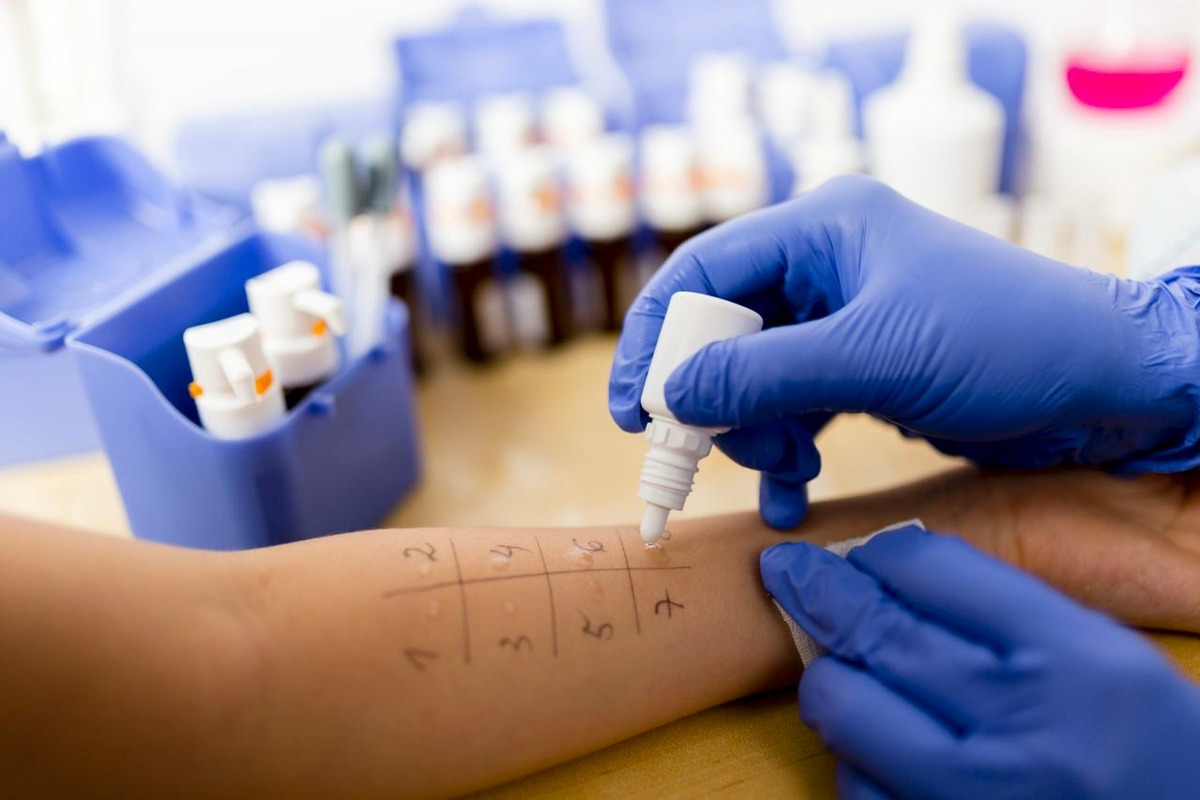
Diagnosing allergies often starts with skin prick testing. We’ll dive into this method, covering its process, procedure, and the allergens it can check.
How Skin Prick Tests Work
Skin prick testing is a common way to find allergies. It involves putting a small amount of an allergen on the skin, usually on the forearm or back. Then, a small needle pricks the skin to let the allergen in.
This lets us see how the body reacts to certain allergens. It helps find out what causes allergic reactions.
The Testing Procedure and Timeline
The skin prick test is quick. First, the skin is cleaned, and then small drops of allergen extracts are applied. A lancet pricks the skin through these drops, introducing the allergen.
After 15-20 minutes, the reaction is observed. The whole process, from start to finish, takes about 30-45 minutes.
Types of Allergens Testable via Skin Tests
Skin prick testing can find many allergies. It checks for airborne allergens like pollen and mold spores, as well as food allergies. Common tests include dust mites, pet dander, and foods like peanuts or shellfish.
By testing for these allergens, doctors can help patients understand their triggers. This helps them manage their allergies better.
Blood Testing for Allergies: The Alternative Method
Blood tests for allergies are becoming more popular. They are non-invasive and reliable. These tests measure IgE antibodies specific to certain allergens. This makes them a good choice when skin tests aren’t possible.
How Allergy Blood Tests Function
Allergy blood tests look for IgE antibodies in your blood. These antibodies are made by your immune system when it reacts to allergens. By checking your blood, doctors can find out which allergens cause your reactions.
We take a blood sample from your arm. Then, we send it to a lab for testing. This helps us see how your immune system reacts to different allergens. It helps us accurately diagnose allergies.
RAST vs. ELISA Testing Techniques
There are two main ways to do allergy blood tests: RAST and ELISA. Both look for IgE antibodies but in different ways.
|
Testing Technique |
Description |
Key Features |
|---|---|---|
|
RAST |
Measures IgE antibodies using radioactive labeling |
High sensitivity, specific allergen detection |
|
ELISA |
Detects IgE antibodies using enzyme-linked antibodies |
Safer due to non-radioactive method, versatile |
Both RAST and ELISA are good for finding allergies. The choice depends on the allergens and the lab’s setup.
“The introduction of ELISA has significantly improved the safety and versatility of allergy blood testing, making it a preferred method in many clinical settings.” — Medical Expert, Allergist
The Blood Testing Process and Timeline
The process for allergy blood tests is simple and fast. After taking the blood, it goes to a lab for testing. How long it takes to get the results depends on the lab and the tests.
Results usually come back in a few days to a week. Your doctor will then explain the results. They will talk about what they mean and what to do next.
It’s important to understand your allergy blood test results. We work with you to make sure you get the care you need. We tailor your treatment to fit your specific situation.
Comparing Accuracy: Sensitivity and Specificity Rates
It’s key to know how well allergy tests work. This helps doctors find and treat allergies right. We look at the sensitivity and specificity of skin and blood tests.
Defining Sensitivity and Specificity in Allergy Testing
Sensitivity shows how well a test finds people with allergies. Specificity shows how well it finds those without allergies. Both are important for knowing if a test is accurate.
Research Data on Skin Test Sensitivity
Studies show skin prick tests are more accurate than blood tests. They have sensitivity rates from 70 to 90 percent. This means they can spot most allergies well.
- High sensitivity in skin tests helps find most allergic reactions.
- Getting results quickly from skin tests helps doctors and patients.
Research Data on Blood Test Specificity
Blood tests have specificity rates from 40 to 100 percent. This depends on the test and the allergen. This range shows blood tests can be hit or miss for ruling out allergies.
- Blood tests are good when skin tests can’t be used.
- The specificity of blood tests is useful in some health cases.
Knowing the sensitivity and specificity of both tests helps doctors choose the best one. This leads to better diagnoses and treatments for patients.
Is a Blood Test Needed for Allergies? Key Considerations
Choosing between a blood test and a skin test for allergies depends on several factors. Your doctor will consider your symptoms, medical history, and lifestyle. Knowing these factors helps you decide which test is best for you.
When Blood Tests Are Preferable to Skin Tests
Blood tests are often better than skin tests in some cases. For example, if you’ve had severe allergic reactions before, a blood test might be safer. Blood tests are also good when you’re taking medications that could mess up skin test results.
Medical Conditions That Necessitate Blood Testing
Some medical conditions make blood tests a better choice. People with widespread skin conditions like eczema or psoriasis might not get clear results from skin tests. Also, those at high risk of anaphylaxis or taking medications that affect skin tests should consider blood tests.
|
Medical Condition |
Why Blood Test is Preferable |
|---|---|
|
Widespread skin conditions (e.g., eczema, psoriasis) |
Difficulty in interpreting skin test results |
|
High risk of anaphylaxis |
Avoids triggering severe allergic reactions |
|
Medications interfering with skin tests |
Ensures accurate test results despite medication use |
When Skin Tests Remain the Better Option
Even with blood tests’ benefits, skin tests are often the top choice. They are more sensitive and give quick results, helping you get diagnosed and treated faster. Skin tests can also check many allergens at once, which is convenient for many people.
In summary, picking between a blood test and a skin test depends on your unique situation. Understanding the pros and cons of each helps you make the right choice for your allergy testing.
Advantages of Skin Allergy Testing
Skin allergy testing is a common way to find out what causes allergies. It helps both patients and doctors. Knowing its benefits helps make better choices about diagnosing allergies.
Immediate Results and Visual Confirmation
One big plus of skin allergy testing is getting immediate results. Unlike blood tests, which take days, skin tests are quick. This means doctors can talk about treatment plans right away.
Seeing the allergic reaction on the skin helps patients learn. It shows them why they need to avoid certain things.
Cost-Effectiveness and Insurance Coverage
Skin allergy testing is often cost-effective compared to blood tests. It’s simple and doesn’t need much equipment. This makes it cheaper for everyone involved.
Also, many insurance plans cover skin allergy testing. This makes it easier for people to get tested when they need to.
Access to Multiple Allergens in One Session
Another great thing about skin allergy testing is testing for multiple allergens at once. Doctors can check reactions to many things in one go. This gives a full picture of what might be causing problems.
This is really helpful for people with many allergies. It means fewer visits and tests are needed.
Benefits of Blood Allergy Testing
Blood allergy testing is a valuable tool for diagnosing allergies. It’s an alternative to skin prick tests. This method has many benefits for those trying to understand their allergic reactions.
No Risk of Allergic Reactions During Testing
Blood allergy testing is safe because it doesn’t trigger allergic reactions. Unlike skin prick tests, which use a small amount of allergen on the skin, blood tests analyze a blood sample in a lab. This makes it safer for people with severe allergies.
Key benefits of blood tests in terms of safety include:
- No exposure to allergens on the skin
- Reduced risk of anaphylaxis or severe reactions
- A safer option for individuals with severe allergies
Medication Continuation During Testing Period
Another advantage of blood allergy testing is that you can keep taking your medications. Some medications, like antihistamines, can affect skin test results. Blood tests are not affected by these medications, giving patients more flexibility.
“The ability to continue medication is a significant advantage for patients who rely on certain drugs for their health.” — Medical Expert, Allergist
Accessibility for All Age Groups and Conditions
Blood allergy testing is available to people of all ages and with various health conditions. It’s great for:
|
Patient Group |
Benefit of Blood Testing |
|---|---|
|
Young children |
Avoids the discomfort and risk associated with skin tests |
|
Individuals with skin conditions (e.g., eczema) |
Provides an alternative when skin tests are not feasible |
|
Patients taking certain medications |
Allows for continued medication use without test interference |
In conclusion, blood allergy testing is safe, flexible, and accessible. It’s a valuable tool in managing allergies.
Limitations and Possible Drawbacks of Both Methods
Both skin and blood tests are useful for finding allergies. But, they have their own limits. Knowing these limits helps doctors understand test results better and care for patients well.
False Positives and False Negatives in Testing
Both tests can show false positives or negatives. False positives mean a test says you have an allergy when you don’t. This can lead to avoiding foods or things you don’t need to.
False negatives make you think you’re safe when you’re not. They miss real allergies.
Things like medicines can mess with skin test results. Blood tests can be off if taken at the wrong time.
Skin Test Limitations and Contraindications
Skin tests are usually good but have limits. People with bad skin like eczema or psoriasis might not get tested. It could hurt or give wrong results.
Some medicines, like antihistamines or antidepressants, can hide skin test results. It’s key to tell doctors about all medicines before the test.
Blood Test Limitations and Reliability Issues
Blood tests for allergies also have their own issues. How well a blood test works can depend on the test and the allergen. Some studies say blood tests might not be as good as skin tests for some allergens.
Blood tests look at IgE antibodies in your blood. But, this doesn’t always match how you feel. This can lead to wrong results, either too high or too low.
Doctors need to know these limits to make better choices for patients.
What to Expect During Your Allergy Testing Appointment
Allergy testing might seem scary, but knowing what to expect can make you feel better. Whether it’s a skin test or a blood test, knowing the steps can help you relax. This makes the experience smoother.
Preparing for Skin Allergy Testing
Before your skin test, there are a few things you can do to prepare:
- Tell your doctor about any medicines you’re taking. Some might need to stop before the test.
- Don’t put lotion or cream on the skin area where the test will be done.
- Be ready to share your medical history, including any past allergic reactions.
On test day, wear loose clothes for easy skin access. Bringing a friend or family member for support is a good idea.
Preparing for Blood Allergy Testing
Preparing for a blood test is pretty simple:
- Your doctor might say to keep taking your medicines as usual.
- You might need to fast before the test, but it’s not always needed.
- Stay hydrated and avoid tight clothes to make the blood draw easier.
Blood tests are often chosen when skin tests can’t be done. This is due to skin conditions or the risk of severe reactions.
Post-Testing Follow-Up and Result Interpretation
After your test, your doctor will talk about the results with you. Skin test results are immediate. Blood test results take a few days.
During the follow-up, your doctor will:
- Explain the results and how they affect your allergy management.
- Talk about treatment options, like avoiding certain things, medicines, or immunotherapy.
- Guide you on managing your allergies based on the test results.
Understanding your test results is key to managing your allergies. By working with your doctor, you can start to feel better and live better.
Conclusion: Making an Informed Decision About Allergy Testing
It’s important to know the difference between blood tests and skin tests for allergies. We’ve looked at the basics of allergy testing. We’ve also talked about the benefits and how to choose between skin prick testing and blood testing.
Deciding if you need a blood test for allergies depends on your situation. Think about any health conditions that might influence your choice. By looking at how sensitive and specific each test is, you can make a good choice with your doctor’s help.
Choosing between a blood test and a skin test depends on your needs and health. Talking to a healthcare professional is a good idea. They can help figure out the best way to diagnose and treat your allergies.
FAQ
What is the difference between a blood test and a skin test for allergies?
A blood test checks your blood for IgE antibodies. A skin test pricks your skin with an allergen to see how you react.
Which is more accurate, a blood test or a skin test for allergies?
Skin tests are more sensitive, with a 70-90% accuracy rate. Blood tests are more specific, with a 40-100% rate. The best test for you depends on your situation.
Are allergy blood tests reliable?
Allergy blood tests are usually reliable. But, their accuracy can change based on the testing method and your health.
Can I continue my medication before taking an allergy blood test?
Yes, you can keep taking your medication before a blood test. This is different from skin tests, which might require stopping some medicines.
Are there any risks associated with skin allergy testing?
Skin tests might cause a mild, short-term allergic reaction. But this is rare.
Is a blood test needed for allergies, or is a skin test sufficient?
Choosing between a blood test and a skin test depends on your health history and the suspected allergy. Certain conditions might require a blood test.
How long does it take to get the results of an allergy blood test?
Getting allergy blood test results can take a few days to a week.
Can allergy testing be done on anyone, regardless of age?
Blood allergy tests are safe for all ages, from young children to older adults. This makes them a good choice for diagnosing allergies.
What are the advantages of skin allergy testing?
Skin tests give quick results and are cheaper. They also let you test many allergens at once.
Are there any limitations to blood allergy testing?
Yes, blood tests can have false positives or negatives. They might not work well in all cases.
How do I prepare for an allergy testing appointment?
To prepare for testing, learn about the process and any medication changes needed. Know what to expect during and after the test.
What happens during a blood test for allergies?
A healthcare professional will take a blood sample during a test. The sample is then analyzed to measure IgE antibodies.
References
National Center for Biotechnology Information. Evidence-Based Medical Guidance. Retrieved from https://pmc.ncbi.nlm.nih.gov/articles/PMC8346756/