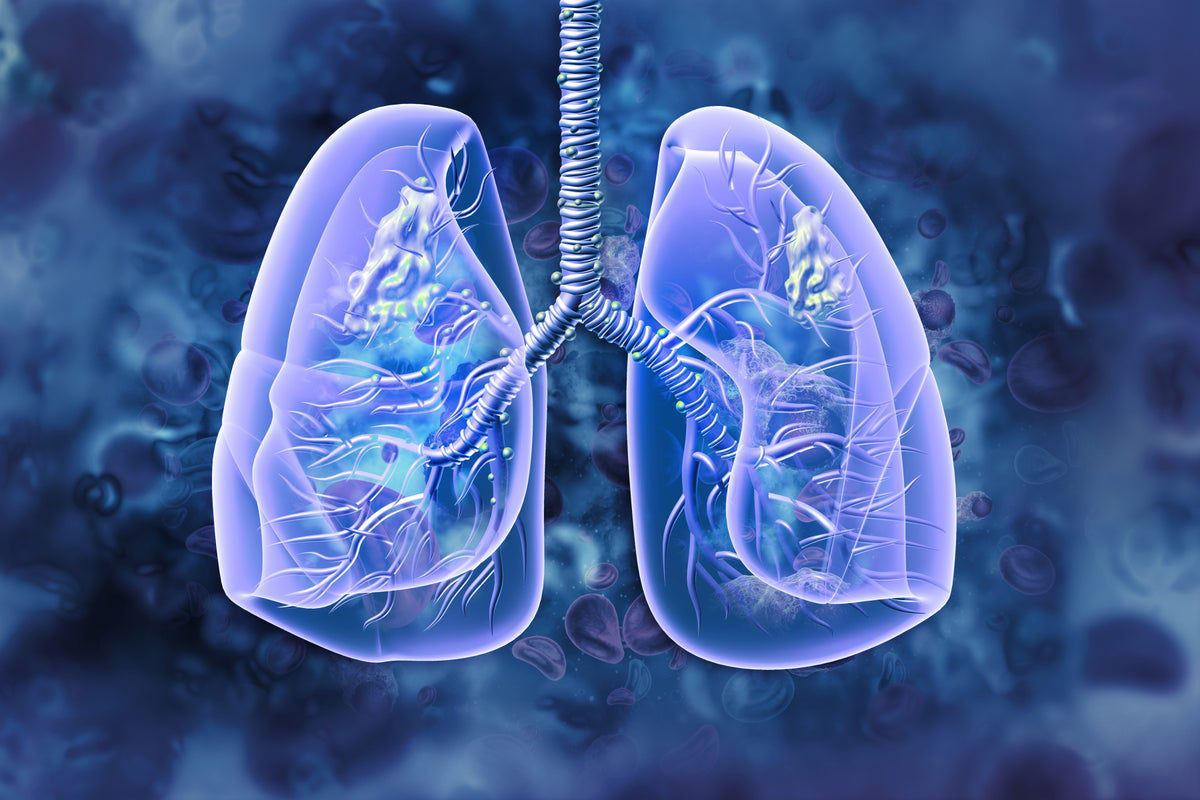
Is COPD painful death inevitable? Get the honest facts about end-of-life care, palliative support, and managing final stage symptoms safely. Chronic obstructive pulmonary disease (COPD) is a big health problem worldwide. It’s the third to fourth leading cause of death globally. People and their families often worry about the dying process with advanced COPD. They imagine long suffering and uncontrolled symptoms.
End-stage COPD, also known as stage 4 or COPD stage IV, happens when lung function is very low. This makes daily life very hard. Thanks to modern palliative medicine and patient-centered care, the end-of-life experience for COPD patients has changed. Now, there are evidence-based ways to manage symptoms that cause distress.
We know how tough it is for patients with terminal COPD. We’re dedicated to giving them the best support. Our goal is to improve the quality of life for those dealing with this condition.
Key Takeaways
- COPD is a leading cause of death globally, with end-stage COPD significantly impacting patients’ quality of life.
- Modern palliative care has improved end-of-life experiences for COPD patients.
- Effective management of distressing symptoms is key in terminal COPD.
- Patient-centered care approaches are vital in supporting COPD patients.
- Comprehensive support is essential for patients with advanced COPD.
Understanding COPD as a Progressive Lung Disease

COPD is a condition that gets worse over time and affects how well the lungs work. It’s a major health problem worldwide because it can’t be reversed and symptoms get worse. This makes it hard for people to breathe.
Definition and Global Impact of COPD
COPD includes conditions like emphysema and chronic bronchitis. These conditions get worse over time. It’s a big problem, causing millions of deaths and illnesses every year.
|
Year |
COPD Prevalence |
COPD-Related Deaths |
|---|---|---|
|
2019 |
384 million |
3.2 million |
|
2030 (projected) |
450 million |
4.5 million |
Is COPD Terminal? Understanding the Prognosis
Whether COPD is terminal is a complex question. There’s no cure for COPD, but treatments can help manage symptoms. It’s considered a terminal disease because it gets worse over time.
The outcome for someone with COPD can vary a lot. It depends on the stage of the disease, overall health, and how well treatments work. Knowing COPD is terminal helps plan for the future, including end-of-life care.
How COPD Affects the Body Over Time
COPD damages the lungs and makes breathing harder. As it gets worse, symptoms get worse too. This can lead to a lower quality of life and more disability.
The disease has different stages, from mild to very severe. Knowing these stages helps manage expectations and plan care. Advanced COPD affects not just the patient but also their family and caregivers.
In conclusion, COPD is a serious and terminal lung disease. It needs careful management and care. Understanding COPD helps improve the lives of those affected.
The Four Stages of COPD Progression
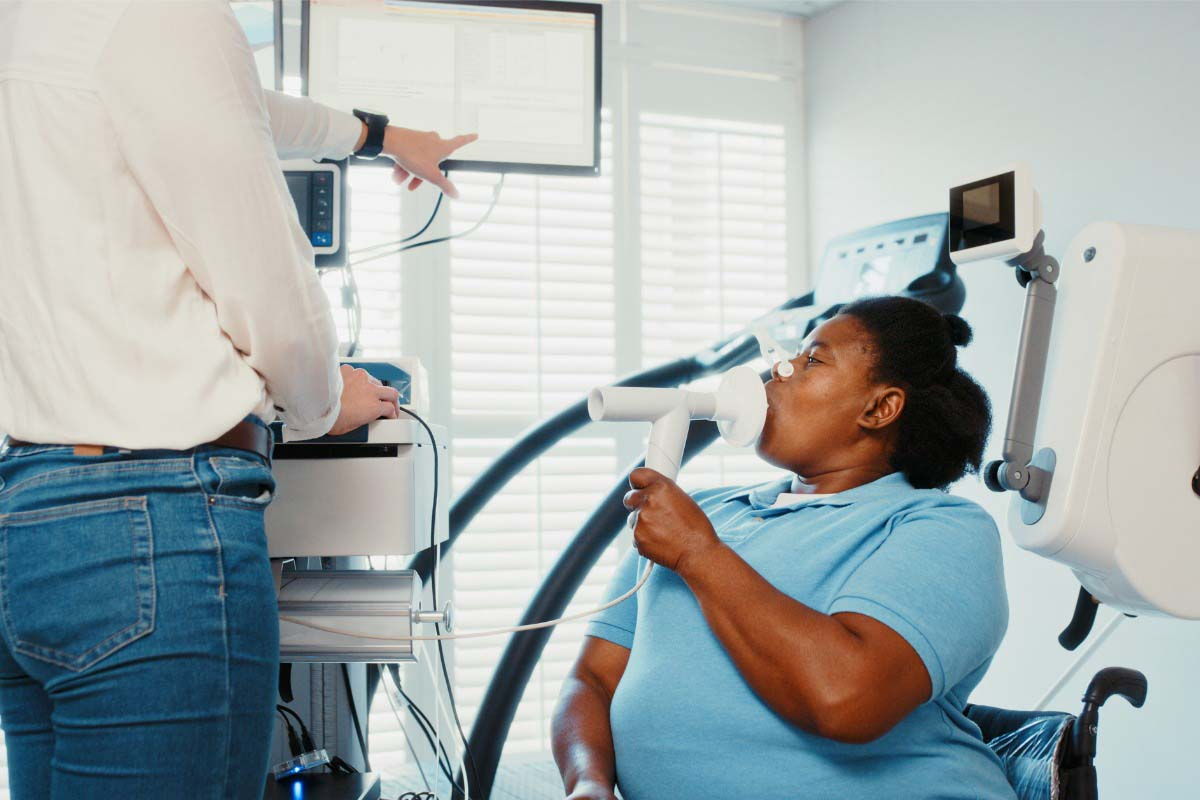
Knowing the four stages of COPD is key to managing it well. COPD, or Chronic Obstructive Pulmonary Disease, makes breathing hard. It’s divided into four stages based on how bad symptoms are and lung function.
From Early Diagnosis to Advanced Disease
COPD goes through four stages: mild, moderate, severe, and very severe. In the early stages, symptoms are mild and easy to miss. But as it gets worse, symptoms get more serious. Doctors use lung function tests, like the forced expiratory volume in one second (FEV1), to figure out the stage.
- Mild COPD (Stage 1): Symptoms are barely there, and lung function is mostly okay.
- Moderate COPD (Stage 2): Symptoms start to show up more, and lung function starts to drop.
- Severe COPD (Stage 3): Lung function is badly hurt, and symptoms are very clear.
- Very Severe COPD (Stage 4): Lung function is very bad, with an FEV1 of less than 30%.
Recognizing Stage 4 COPD: The Final Stage
Stage 4 COPD is the most serious stage. Lung function is very bad. People at this stage have a hard time breathing, even when they’re not doing much. They might need oxygen to breathe. Their quality of life is very low, and they’re at high risk for serious breathing problems.
Lung Function Measurements in End-Stage COPD
Lung function is checked with spirometry, which looks at FEV1 and FVC. In Stage 4, the FEV1 is less than 30%, showing severe breathing trouble. This test is very important for figuring out the COPD stage and planning treatment.
- FEV1 (Forced Expiratory Volume in 1 second) shows how much air you can blow out in one second.
- FVC (Forced Vital Capacity) shows how much air you can blow out all at once.
- The FEV1 to FVC ratio helps spot breathing problems.
Understanding these tests helps doctors manage COPD better. They can make better choices about treatment.
What Are the Final Stages of COPD Before Death?
Understanding the end stages of COPD is key to managing symptoms and improving care. We must recognize the signs, the unpredictable nature of flare-ups, and how long they last.
Key Indicators of End-Stage COPD
Patients with end-stage COPD face severe symptoms that affect their life quality. Key indicators include:
- Severe shortness of breath: Even at rest, patients may find it hard to breathe.
- Chronic coughing and mucus production: They may produce a lot of mucus, hard to clear.
- Fatigue and weakness: Low oxygen levels cause persistent tiredness.
- Frequent infections: They are more likely to get respiratory infections, making symptoms worse.
The Unpredictable Nature of COPD Flare-ups
COPD flare-ups can happen suddenly and without warning, making symptoms worse. They can be triggered by many things, like infections, pollution, and weather changes. It’s important to manage flare-ups to prevent further decline and improve outcomes.
Strategies for managing flare-ups include:
- Adhering to medication regimens: Patients should take their medications as directed.
- Avoiding triggers: Minimize exposure to known triggers.
- Seeking prompt medical attention: Early treatment can reduce flare-up severity.
How Long Does the End Stage of COPD Last?
The end stage of COPD can last differently for each patient. It depends on symptom severity, comorbidities, and palliative care effectiveness. While it’s hard to predict exactly, understanding the patient’s condition and providing the right care can improve their life quality.
We know each patient’s COPD journey is unique. Our goal is to offer compassionate and complete care to support them through the final stages.
Is COPD a Painful Death? Examining the Experience
The end stages of COPD bring pain and breathing troubles. It’s key to grasp the full picture of these symptoms.
Types of Pain and Discomfort in Terminal COPD
Terminal COPD patients face various pains. Chronic pain comes from long coughing and muscle strain. Acut pain happens during flare-ups. Feeling breathless is also common.
Pain in COPD affects more than just the lungs. It can also hit muscles and cause fatigue.
Chest Tightness and Breathing Difficulties
Chest tightness and breathing troubles are big issues. They come from airway narrowing and lung loss. Patients feel like they’re “suffocating” or “can’t breathe.”
These symptoms are hard to handle. They need a full care plan that tackles both physical and emotional sides.
Comparing COPD to Other Terminal Respiratory Conditions
COPD is unique, but comparing it to other diseases helps us understand its challenges. For instance, pulmonary fibrosis and lung cancer also cause breathing problems. But COPD’s mix of inflammation, airway blockage, and body-wide effects makes it different.
Knowing these differences helps us tailor care for COPD patients at the end.
Physical Symptoms During COPD’s End Stages
Advanced COPD brings distressing physical symptoms to patients. These symptoms greatly affect their quality of life. They need thorough management.
Severe Shortness of Breath and Respiratory Distress
Severe shortness of breath, or dyspnea, is a major symptom. It makes simple tasks hard. It’s a big challenge for those with end-stage COPD.
- Difficulty breathing even at rest
- Increased use of accessory muscles for breathing
- Panic and anxiety due to feeling unable to breathe
As COPD worsens, lungs struggle to exchange oxygen and carbon dioxide. This leads to more shortness of breath. Patients may need to sit up to breathe better.
Mucus Production and Chronic Coughing
Increased mucus production and chronic coughing are common. These symptoms can be very distressing. They also raise the risk of respiratory infections.
- Excessive mucus production
- Persistent coughing, often with mucus expectoration
- Increased risk of respiratory infections
Managing mucus production is key. It helps prevent complications and improves comfort.
Fatigue, Insomnia, and Other Systemic Symptoms
Patients with end-stage COPD also face systemic symptoms. These symptoms affect their overall well-being.
- Profound fatigue and weakness
- Insomnia or disrupted sleep patterns
- Weight loss and muscle wasting
These symptoms are linked. Fatigue can make other symptoms worse. Care plans should address these to enhance quality of life.
Psychological and Cognitive Changes in Terminal COPD
When COPD reaches its final stages, patients face big changes in their mind and thinking. These changes can be as tough as the physical symptoms. They affect the quality of life for patients and their families.
Anxiety and Depression in End-Stage Patients
Anxiety and depression are common in end-stage COPD patients. The hard fight to breathe and knowing the disease is getting worse can make anxiety worse. Depression can also happen as patients lose their independence and face the reality of their situation.
Research shows that anxiety in COPD is a big problem, making the disease harder to manage. Depression in COPD also makes symptoms worse and lowers the patient’s quality of life. Doctors must treat these mental health issues as part of the whole care plan.
Confusion and Memory Loss: The Impact of Oxygen Deprivation
Cognitive changes, like confusion and memory loss, can happen because of not enough oxygen in terminal COPD. As the disease gets worse, the brain might not get enough oxygen. This can cause these thinking problems.
Cognitive changes in COPD are hard for patients and their families. It’s important to know these changes are because of the disease getting worse. They don’t mean the patient’s health or mind is failing.
Emotional Challenges for Patients and Families
The emotional challenges for patients with terminal COPD and their families are huge. Seeing a loved one fight to breathe and deal with thinking problems is very tough.
Families need help and support to deal with these challenges. Doctors can offer resources and counseling. This helps families handle the emotional side of terminal COPD.
The COPD Death Timeline: What to Expect
Knowing the timeline of COPD’s final stages helps patients and families prepare. The journey to death in end-stage COPD varies greatly among people.
Stage 4 COPD Death Timeline Variations
Stage 4 COPD, or end-stage, has severe symptoms that affect daily life. The time from diagnosis to death can differ a lot. Some may decline quickly, while others stay in this stage longer.
Factors that affect the timeline include overall health, other health issues, smoking, and following treatment plans. Knowing these can help doctors give better predictions.
Warning Signs That Death Is Approaching
As death nears, certain signs become clear. These include harder breathing, less response, breathing pattern changes, and more oxygen needs. Spotting these signs helps families and caregivers prepare.
- Increased difficulty in breathing
- Reduced ability to perform daily activities
- Changes in mental status, such as confusion or decreased alertness
- Increased need for pain management and comfort measures
How Does COPD Kill You? Understanding the Final Mechanisms
COPD can end life in several ways. The most common is respiratory failure, where lungs can’t exchange oxygen and gases. Other causes include heart failure, pulmonary embolism, or pneumonia.
Respiratory failure is often the final step. As lungs fail, patients need more oxygen and support. This decline can be gradual.
Palliative and Hospice Care for End-Stage COPD
For those with end-stage COPD, palliative and hospice care are key. They help manage symptoms and improve life quality. As COPD worsens, care shifts from treating the disease to focusing on comfort and symptom control.
Comfort Measures and Pain Management
Palliative care is vital for advanced COPD patients. It focuses on pain management, using medicines and alternative therapies.
Pain in COPD patients can be chest tightness or breathing discomfort. A good pain management plan is key to comfort.
“Palliative care is not just about managing pain but also about improving the quality of life for patients with serious illnesses.” – National Institute on Aging
Breathing Support Options
In the final stages of COPD, breathing gets harder. Palliative care teams offer relief with oxygen therapy and breathing meds.
- Oxygen therapy to increase blood oxygen
- Medications like bronchodilators and corticosteroids to ease breathing
- Techniques to manage mucus and reduce coughing
These options are customized for each patient, aiming for comfort and less distress.
Making Decisions About End-of-Life Care
Decisions on end-of-life care are personal and require careful thought. Palliative and hospice care teams support patients and families in these choices. They ensure care matches the patient’s wishes.
|
Care Considerations |
Description |
|---|---|
|
Advance Directives |
Legal documents outlining a patient’s wishes for medical treatment |
|
Hospice Care Eligibility |
Criteria for accessing hospice services, typically involving a prognosis of six months or less |
|
Pain and Symptom Management |
Strategies to manage pain, shortness of breath, and other distressing symptoms |
Understanding end-of-life care options is essential. We work with patients and families to ensure care is compassionate and meets their needs.
Integrating palliative and hospice care into COPD treatment plans improves quality of life. It’s about providing care that’s medically right and compassionate, respecting the patient’s dignity.
Conclusion: Finding Dignity and Comfort in COPD’s Final Journey
Dealing with COPD is complex, but keeping patients dignified and comfortable is key. We’ve looked at how COPD progresses, its symptoms, and care options. Keeping dignity in the final stages is not just right; it’s essential for caring with compassion.
Comfort in COPD goes beyond just physical relief. It also includes emotional and mental support. We must focus on managing pain, supporting breathing, and providing palliative care. This way, we can improve patients’ lives and help them find dignity, even when things are tough.
As caregivers, healthcare workers, and supporters, we play a big role. We need to give patients the care they need, covering their physical, emotional, and mental needs. With care that is both caring and smart, we can help patients end their journey with dignity and comfort.
FAQ
What is the final stage of COPD before death?
The final stage of COPD is Stage 4 or end-stage. At this point, lung function is very low. Daily tasks become very hard.
Is dying from COPD a painful death?
Yes, dying from COPD can be very painful. Symptoms include hard breathing, tight chest, and discomfort. But, with the right care, patients can get help to manage their pain and feel more comfortable.
How long does the end stage of COPD last?
The end stage of COPD can last different lengths of time for each person. It’s hard to say exactly how long. Health, lung function, and other health issues can affect how long it lasts.
What are the warning signs that death is approaching in COPD patients?
Signs that death might be near include breathing getting harder, being less responsive, and breathing patterns changing. A general decline in health is also a warning sign.
Is COPD considered a terminal illness?
Yes, COPD is a terminal illness, mainly in its late stages. It’s important for patients and their families to talk about end-of-life care with doctors.
What is the role of palliative care in managing end-stage COPD?
Palliative care is key in managing end-stage COPD. It helps relieve symptoms, pain, and stress. This improves the quality of life for patients and their families.
How does COPD affect the body over time?
COPD damages the lungs, making breathing harder. Over time, symptoms get worse, and quality of life drops. It can also cause fatigue, insomnia, and weight loss.
What are the physical symptoms of end-stage COPD?
Symptoms of end-stage COPD include severe shortness of breath and respiratory distress. There’s also mucus production, chronic coughing, and fatigue. Other symptoms like insomnia and weight loss can also occur.
Can COPD patients receive hospice care?
Yes, COPD patients can get hospice care when their condition is terminal. Hospice care focuses on comfort, symptom management, and support for patients and their families.
How is lung function measured in COPD patients?
Lung function in COPD patients is measured with spirometry. It looks at forced expiratory volume in one second (FEV1) and forced vital capacity (FVC). These tests help figure out how severe COPD is and guide treatment.
References
https://pmc.ncbi.nlm.nih.gov/articles/PMC2528206