
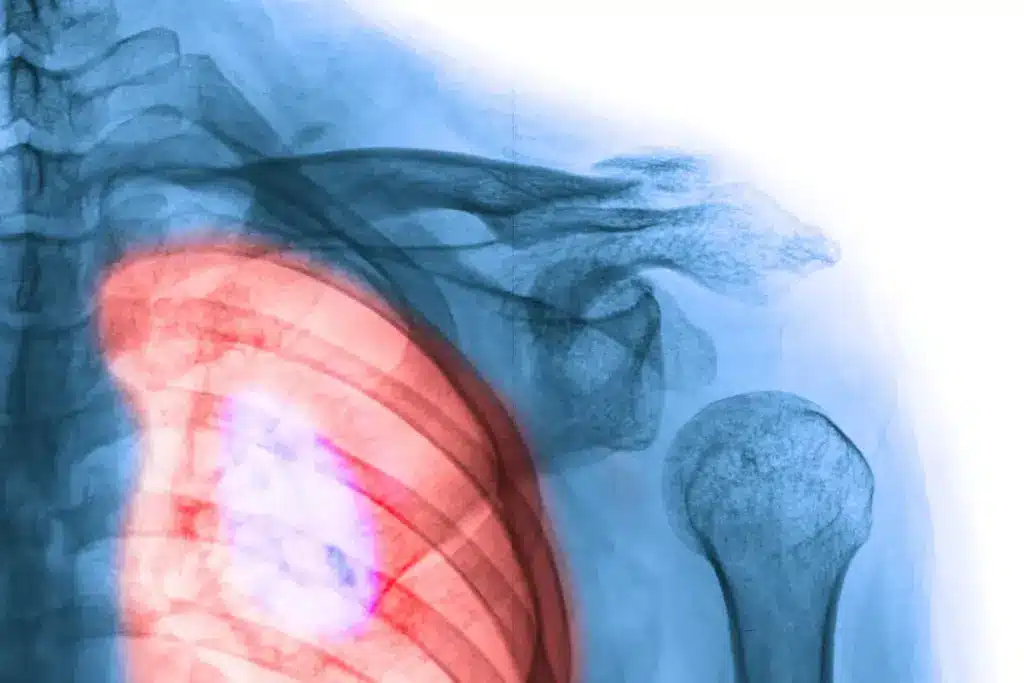
Interstitial lung disease (ILD) is a group of lung disorders that cause inflammation and scarring. While we can’t reverse lung scarring for most ILD types, new treatment options offer real hope. They help slow down the disease and improve patients’ quality of life.
We know that ILD is a collection of lung disorders that lead to inflammation and scarring. Today, our medical teams use a mix of treatments. This includes antifibrotic medications, supportive therapies, and new clinical protocols. Together, they provide complete care for those with ILD.
Key Takeaways
- Emerging treatment options offer hope in slowing ILD progression.
- Multidisciplinary approaches combine antifibrotic medications and supportive therapies.
- Comprehensive care is now available for ILD patients.
- Patient-centered care is a priority in ILD management.
- Innovative clinical protocols are being used to treat ILD.
Understanding Interstitial Lung Disease and Curability
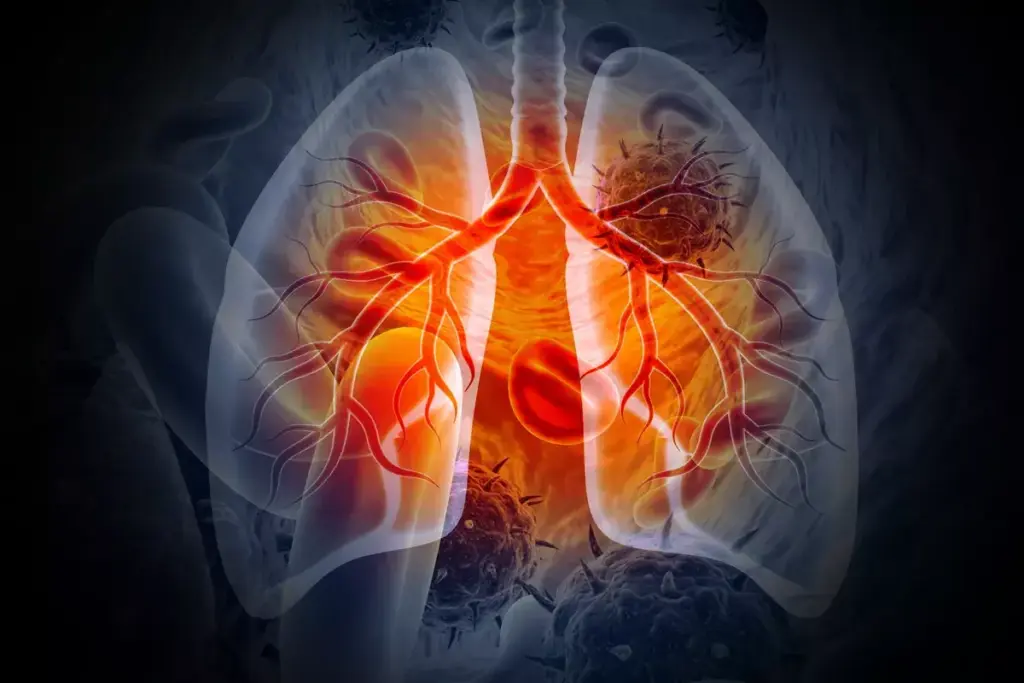
ILD is a group of lung disorders with different challenges. It causes inflammation and scarring in the lung tissue. For more information, visit Stanford Medicine’s ILD patient resources.
What is ILD and Its Various Types
ILD is not one disease but a group of conditions affecting the lungs’ tissue and space. It includes idiopathic pulmonary fibrosis (IPF), nonspecific interstitial pneumonitis (NSIP), and ILD linked to autoimmune diseases or other conditions. Knowing the specific type of ILD is key to finding the right treatment.
Some ILD types have known causes, like certain dusts or medications. But many cases are idiopathic, meaning their cause is unknown. The variety in ILD types makes diagnosis and treatment planning complex.
Is ILD Truly Curable?
ILD’s curability depends on its cause and the lung damage level. While some ILD types can be treated well, most, like IPF, do not have a cure. Treatment aims to slow disease progression, manage symptoms, and enhance quality of life.
New treatments have improved ILD management. For example, antifibrotic medications can slow lung function decline in some ILD types. Yet, these treatments work differently for everyone, and more research is needed.
Factors Affecting Treatment Outcomes
Many factors influence ILD treatment success. These include the disease cause, its severity at diagnosis, and the patient’s health. Early diagnosis and treatment are vital for effective ILD management. Comorbidities and initial treatment response also play a big role in disease progression and treatment outcomes.
Every patient’s experience with ILD is unique. Treatment plans must be customized to meet individual needs. Understanding these factors helps healthcare providers manage ILD better and improve patient care.
Current Interstitial Pulmonary Disease Treatment Approaches
The treatment for interstitial lung disease (ILD) has grown a lot. Many new ways to manage this complex condition are being tried. We will look at the latest treatments, including new medicines and other therapies.
Antifibrotic Medications
Antifibrotic drugs are key in treating some ILD types, like idiopathic pulmonary fibrosis (IPF). Nintedanib and pirfenidone have shown they can slow lung function decline in IPF patients. They aim to stop fibrosis by targeting disease pathways.
Studies have backed the use of these drugs. They help slow disease progress. If you have ILD, talk to your doctor about these treatments.
Other Pharmacological Options
Other medicines are also being looked at for ILD treatment. This includes immunosuppressive drugs for some ILD types, like those linked to autoimmune disorders.
- Immunosuppressive therapy: This helps reduce inflammation and slow disease in certain ILD types.
- Anti-inflammatory medications: These can help manage symptoms and slow disease progress.
Lung Transplantation
For those with advanced ILD, lung transplant might be an option. This surgery replaces sick lungs with healthy ones from a donor. It’s a serious step, usually for those with severe disease not helped by other treatments.
Lung transplant is a big decision. It’s important to weigh its benefits and risks. Talk to your doctor if you’re considering this.
Supportive Care and Management Strategies
Supportive care is key in managing ILD symptoms and improving life quality. It includes strategies to ease symptoms, slow disease, and boost well-being.
Oxygen Therapy
Oxygen therapy is vital for ILD patients, mainly those with advanced disease. It boosts blood oxygen levels, easing shortness of breath and improving health. A leading pulmonologist notes,
Pulmonary Rehabilitation Programs
Pulmonary rehabilitation helps ILD patients manage symptoms and get fitter. These programs include exercise, education, and support. Pulmonary rehabilitation improves exercise tolerance and reduces symptoms in ILD patients, making it vital for care.
Lifestyle Modifications and Self-Care
Lifestyle changes are also key in managing ILD. This includes quitting smoking, eating healthy, and staying active. A healthy lifestyle can greatly impact ILD management, improving health and well-being.
As we learn more about ILD, a multi-faceted approach is needed for best patient care. Combining medical treatments with supportive care can enhance outcomes and life quality for those with ILD.
Conclusion: Living with ILD and Future Directions
Interstitial Lung Disease (ILD) is a tough condition, but research keeps getting better. This brings hope for better lives. To manage ILD, we need to use medicines, change our lifestyle, and sometimes, advanced treatments like lung transplants.
Finding the right treatment for ILD means looking at each patient’s needs carefully. There’s no cure yet, but treatments like medicines and rehab can make a big difference. It’s important to find the best way to treat ILD so doctors can help each patient in the best way possible.
Research is moving forward, showing new ways to treat ILD. We’re looking for the best medicines for lung problems caused by ILD. With more research, we can find better ways to help people with ILD live better lives.
FAQ:
What is Interstitial Lung Disease (ILD)?
ILD is a group of lung disorders causing inflammation and scarring of the lung tissue between air sacs.
Is ILD curable?
No, most forms of ILD are not curable, but treatment can slow progression and relieve symptoms.
What are the treatment options for ILD?
Medications, oxygen therapy, pulmonary rehabilitation, lifestyle changes, and in severe cases, lung transplantation.
What are antifibrotic medications used for in ILD treatment?
They slow the progression of lung scarring in conditions like idiopathic pulmonary fibrosis.
Can lifestyle modifications help manage ILD?
Yes, quitting smoking, exercising safely, eating well, and avoiding lung irritants can help manage symptoms.
What is the role of oxygen therapy in ILD management?
Oxygen therapy improves oxygen levels, reduces breathlessness, and supports daily activities.
Are there any new treatments on the horizon for ILD?
Research is ongoing on novel antifibrotic drugs, anti-inflammatory agents, and gene-targeted therapies.
How does pulmonary rehabilitation help patients with ILD?
It improves exercise tolerance, reduces breathlessness, and enhances quality of life.
Is lung transplantation a viable option for all ILD patients?
No, it is limited to selected patients with advanced disease and suitable health criteria.
What are the benefits of a multidisciplinary approach to managing ILD?
Coordinated care from pulmonologists, therapists, and nutritionists optimizes treatment, symptom management, and quality of life.



 Departments
 Related Videos
 Our Doctors
 News
News