
Imagine being treated for asthma for months or years, only to find out it’s not asthma. Research shows about 30% of people thought to have asthma actually have another condition causing their symptoms.
At Liv Hospital, we know that getting the right diagnosis is key to good treatment. We use detailed, science-backed tests to tell asthma apart from other breathing problems.
Getting asthma wrong is a big problem. It leads to the wrong treatment and delays finding the real cause. Conditions like COPD, GERD, and congestive heart failure are often mixed up with asthma.
Key Takeaways
- Asthma misdiagnosis affects about 30% of patients.
- Conditions like COPD, GERD, and congestive heart failure are often mistaken for asthma.
- Accurate diagnosis is key for effective treatment.
- Liv Hospital uses detailed, science-backed diagnostic methods.
- Telling asthma apart from other breathing issues is vital.
Understanding Asthma and Misdiagnosis Rates
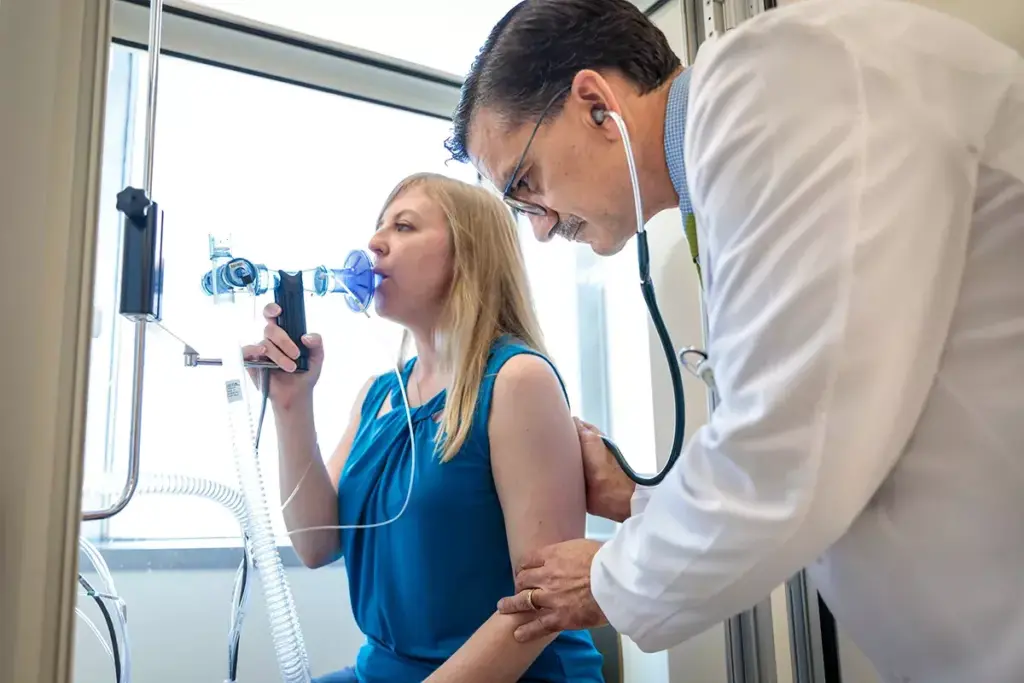
Asthma is a complex condition that makes diagnosis tricky, leading to many misdiagnoses. It causes inflammation and blocks airways, leading to symptoms like wheezing and shortness of breath.
Classic Asthma Symptoms and Presentation
Asthma symptoms can differ from person to person. Common signs include wheezing and coughing. These symptoms can also appear in other conditions, making it hard to diagnose asthma correctly.
The Alarming Statistics on Misdiagnosis
Many people are misdiagnosed with asthma. This is because there’s no single test to confirm it. Doctors often rely on symptoms alone, leading to many misdiagnoses.
The Impact of Incorrect Diagnosis on Patient Care
When asthma is misdiagnosed, patients get the wrong treatment. This can cause more harm and increase healthcare costs. It also delays finding the real cause of the problem.
| Condition | Common Symptoms | Distinguishing Features |
| Asthma | Wheezing, coughing, shortness of breath | Variable airflow obstruction |
| COPD | Chronic cough, wheezing, shortness of breath | Persistent airflow limitation |
| GERD | Heartburn, coughing | Symptoms worsen with lying down or eating |
| Allergic Rhinitis | Sneezing, runny nose, nasal congestion | Presence of allergen-specific IgE antibodies |
It’s important to know the differences between asthma and other conditions. This helps doctors make accurate diagnoses and treat patients better. By understanding asthma’s complexities, healthcare providers can improve patient care and reduce misdiagnosis.
Conditions Similar to Asthma: The Common Mimickers

Asthma can be tricky to diagnose because it shares symptoms with other diseases. Conditions that mimic asthma symptoms can make diagnosis harder. Doctors need to look at many possible causes when checking patients.
Respiratory Lookalikes
Many respiratory conditions can look like asthma because they share symptoms like wheezing and shortness of breath. Chronic Obstructive Pulmonary Disease (COPD) is often mistaken for asthma. It’s linked to smoking or lung irritants.
Another condition is bronchiectasis. It causes the airways to widen due to inflammation or infection. This can make symptoms seem like asthma.
Non-Respiratory Causes of Asthma-Like Symptoms
Not all conditions that seem like asthma are related to the lungs. Gastroesophageal reflux disease (GERD) can cause coughing and wheezing. This happens when stomach acid goes up into the esophagus.
Congestive heart failure can also seem like asthma. It causes shortness of breath and wheezing because of fluid in the lungs. Other non-lung conditions like vocal cord dysfunction (VCD) and sinusitis can also be mistaken for asthma.
It’s important to know about these conditions and how they differ. This helps doctors give the right treatment to each patient.
Diagnostic Challenges and Improving Accuracy
Diagnosing asthma is tricky because there’s no single test that proves it. Doctors must use a mix of clinical checks, symptom reviews, and tests to figure out if someone has asthma.
The Absence of a Gold Standard Test
There’s no one test that says for sure if someone has asthma. Spirometry and peak expiratory flow rate help check lung health. But, they’re not enough to confirm asthma. We use different methods to make sure asthma is the right diagnosis.
Today, we use bronchoprovocation testing and look at bronchodilator response. These tests show how airways react and if they can get better, which are signs of asthma.
Beyond Symptoms: Modern Diagnostic Approaches
Just looking at symptoms isn’t enough to diagnose asthma. We use new ways to help us decide. These include:
- Spirometry to measure lung function
- Bronchoprovocation testing to check airway response
- Looking at how airways change with bronchodilator treatment
Red Flags That Suggest an Alternative Diagnosis
It’s important to know when something might not be asthma. Look out for symptoms that don’t fit, not responding to usual treatments, and certain past health issues. Spotting these signs helps us avoid mistakes and give the right treatment.
| Red Flag | Possible Alternative Diagnosis |
| Atypical symptoms (e.g., absence of wheezing) | Chronic Obstructive Pulmonary Disease (COPD), Cystic Fibrosis (CF) |
| Lack of response to asthma medications | Other respiratory conditions, such as Bronchiectasis |
| History of smoking or exposure to pollutants | COPD, Occupational Lung Disease |
By watching for these warning signs and using new tests, we can make asthma diagnosis more accurate. This way, we can give our patients the right care.
Conclusion:
Getting the right diagnosis is key to managing asthma and similar conditions. We’ve looked into the complexities of diagnosing asthma. This includes the
two sides to asthma
where symptoms can be similar to other respiratory issues. It’s important to know that
asthma like symptoms but not asthma
can lead to wrong diagnoses.
Also, people can have
asthma-like symptoms without actually having asthma
. Sometimes, people might even have an
asthma attack without asthma
. Asthma diagnosis in different groups, like
asthma formen
, needs careful thought of various factors.
Healthcare providers need to be aware of these challenges. They should consider other possible diagnoses. This careful approach ensures patients get the right treatment. Understanding asthma and its look-alikes is vital for top-notch healthcare. It helps improve outcomes for those with respiratory issues.
FAQ:
What are some conditions that can be mistaken for asthma?
Conditions like COPD, vocal cord dysfunction, heart failure, and GERD can mimic asthma symptoms.
How common is asthma misdiagnosis?
Asthma misdiagnosis is fairly common, with studies suggesting up to 30% of adults may be incorrectly diagnosed.
What are the consequences of misdiagnosing asthma?
Misdiagnosis can lead to unnecessary treatment, persistent symptoms, and delayed care for the true condition.
Can non-respiratory conditions cause asthma-like symptoms?
Yes, heart disease, anxiety, and acid reflux can produce wheezing, coughing, or shortness of breath.
What diagnostic approaches are used to diagnose asthma?
Diagnosis involves medical history, physical exam, spirometry, peak flow measurement, and sometimes allergy testing.
Are there any red flags that suggest an alternative diagnosis to asthma?
Red flags include sudden onset in adults, poor response to asthma medications, hemoptysis, or weight loss.
Can you have asthma-like symptoms without having asthma?
Yes, conditions like vocal cord dysfunction or airway obstruction can cause similar symptoms without true asthma.
How can diagnostic accuracy be improved for asthma?
Using objective tests like spirometry, bronchial challenge tests, and careful symptom evaluation improves accuracy.
What is the role of spirometry in diagnosing asthma?
Spirometry measures airflow limitation and reversibility, helping confirm or rule out asthma.
Can asthma be diagnosed without a definitive test?
Yes, sometimes asthma is diagnosed clinically based on symptoms and response to treatment if tests are inconclusive.
References:
National Center for Biotechnology Information. Evidence-Based Medical Insight. Retrieved from https://pmc.ncbi.nlm.nih.gov/articles/PMC7126962/