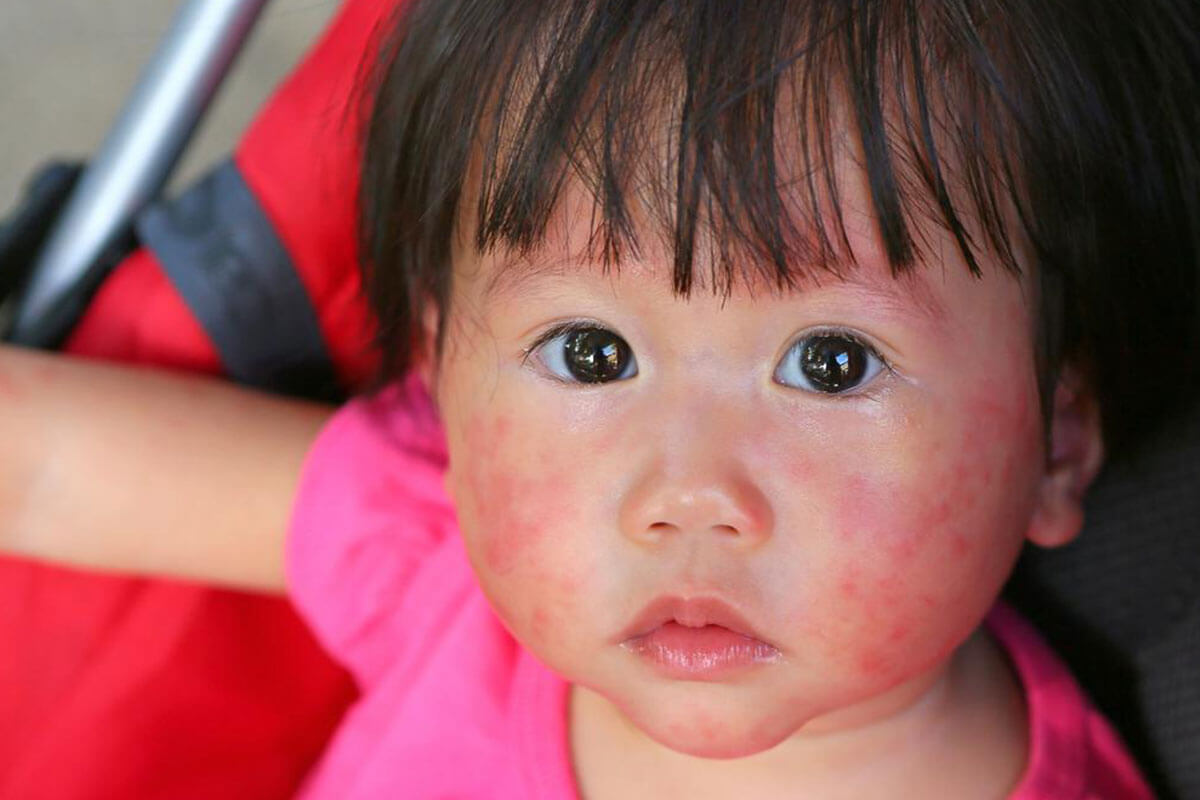
Asking isurticaria contagious? Learn vital safety facts. Hives are an allergic reaction and cannot be spread by touch to others.
Many people worry about catching hives from someone else or spreading them to loved ones. The good news is that urticaria, or hives, is not contagious. Despite being a common skin condition that affects up to 20 percent of people during their lifetime, hives cannot spread from person to person through contact or exposure.
At Liv Hospital, we clear up misconceptions about urticaria. We know hives are often a sign of an allergic reaction. They can be triggered by many things. Our care focuses on you, making sure you know what causes your symptoms.
Key Takeaways
- Hives are not contagious and cannot be spread through contact.
- Urticaria is often a symptom of an allergic reaction.
- Various factors can trigger hives.
- Liv Hospital’s dermatological care is patient-centered.
- Understanding the cause of your symptoms is our priority.
Understanding Urticaria: What Are Hives?

It’s important to know about urticaria to understand if it’s contagious and how it affects daily life. Urticaria, or hives, is a common condition worldwide. It shows up as itchy, raised skin areas, which are usually not serious.
Definition and Clinical Presentation
Urticaria is a skin reaction that causes itchy, raised wheals or hives. These can be different sizes and shapes and appear anywhere on the body. The reaction starts suddenly with wheals, redness, and swelling.
The wheals of urticaria are typically:
- Itchy
- Raised and palpable
- Varying in size from a few millimeters to several centimeters
- Often surrounded by a red flare
- Capable of appearing anywhere on the body
Common Symptoms of Urticaria
Urticaria symptoms can differ but often include:
- Intense itching: This is often the most bothersome symptom for individuals with urticaria.
- Redness and swelling: The affected areas can become red and swollen due to the release of histamine and other chemical mediators.
- Wheal formation: The characteristic raised wheals or hives are a hallmark of urticaria.
How Hives Develop on the Skin
Hives develop on the skin due to histamine and other chemical mediators from mast cells. This leads to blood vessel permeability, causing wheals and itching. Various factors can trigger hives, including allergies, infections, and environmental stimuli.
Understanding how hives develop is key to managing the condition and addressing concerns about its contagiousness. While the exact mechanisms can be complex, knowing about histamine and mast cells helps in finding effective treatments.
Is Urticaria Contagious? The Definitive Answer

Many people wonder if urticaria can spread from one person to another. The answer is no; urticaria is not contagious. We will look into the science behind hives and clear up common myths.
The Science Behind Hives Transmission
Urticaria, or hives, happens when histamine and other chemicals are released from mast cells. This can be due to allergies, infections, or environmental factors. It shows up as itchy, raised welts on the skin.
Understanding why urticaria is not contagious is key. It’s not caused by pathogens that can spread from one person to another. This is unlike diseases caused by bacteria or viruses.
Why Urticaria Cannot Spread Between People
Urticaria is not contagious because it’s not caused by a contagious agent. It’s an individual response to specific triggers. These triggers can vary greatly from person to person.
“Urticaria is a complex condition influenced by individual susceptibility and specific triggers, making it non-contagious.” – Medical Expert, Dermatologist
To show why urticaria is not contagious, let’s look at a few points:
- Urticaria is a reaction to internal or external stimuli, not caused by infectious agents.
- The triggers for urticaria can be highly individualized, including food allergies, environmental factors, or physical stimuli.
- There is no evidence to suggest that urticaria can be transmitted through skin-to-skin contact or other means.
Debunking Common Misconceptions
Some people think urticaria is contagious because hives can spread on the body. But this is not because of disease transmission. It’s because the body keeps reacting to a trigger.
|
Myth |
Reality |
|---|---|
|
Hives appear to spread on the body, so they must be contagious. |
The spread is due to the body’s reaction to a trigger, not transmission. |
|
If someone has urticaria, others around them will get it. |
Urticaria is not caused by contagious agents; it’s an individual response to triggers. |
By understanding urticaria’s true nature, we know it’s not contagious. This knowledge helps reduce worries and stigma around the condition.
Why People Think Hives Can Spread
Many people think hives are contagious because of several reasons. But, hives themselves are not contagious. Certain conditions that cause hives can be contagious, though. Knowing these reasons helps clear up why some think hives can spread.
The Association with Contagious Conditions
Some people believe hives are contagious because of diseases that can cause them. For example, the common cold or flu can lead to hives in some. When someone gets hives from an illness, it seems like the hives are contagious too.
It’s important to know that the illness itself is contagious, not the hives. For instance, if a child gets hives from a virus, others might think the hives are contagious. This is because they think the virus is spreading through the hives.
The Visual Spread of Hives on One Person’s Body
Hives can seem to spread on a person’s body, which can be scary. This makes people think hives are contagious because they look like they’re moving. But, in reality, new hives appear because of an ongoing allergic reaction or trigger.
The body’s reaction to an allergen or irritant causes hives to appear in different places. This is not because the hives are contagious. It’s just how the body reacts to something it doesn’t like.
Cultural Myths About Skin Conditions
Cultural beliefs and myths also play a big role in thinking hives are contagious. In some cultures, skin rashes are seen as suspicious and thought to be contagious. This is often due to superstition or lack of understanding.
These myths make people believe hives are contagious, even when there’s no science to back it up. Learning the truth about hives can help fight these myths. It can also reduce fear and stigma around the condition.
|
Reason |
Description |
|---|---|
|
Association with Contagious Conditions |
Contagious diseases can trigger hives, leading to the misconception that hives are contagious. |
|
Visual Spread of Hives |
The appearance of hives spreading on an individual’s body can be mistaken for contagion. |
|
Cultural Myths |
Cultural beliefs and superstitions about skin conditions can perpetuate the misconception. |
Types of Urticaria and Their Transmission Factors
Urticaria, also known as hives, comes in different forms. Each type has its own triggers and characteristics. Knowing about these types helps clear up worries about spreading them.
Acute Urticaria: Is It Contagious?
Acute urticaria is a short-term issue that lasts less than six weeks. It can be caused by food allergies, medication, or infections. But, it’s good to know that acute urticaria isn’t contagious. People with it can’t pass it on to others.
Chronic Urticaria: Long-term Hives and Contagion
Chronic urticaria lasts more than six weeks and can go on for years. Like acute urticaria, it’s not contagious. Finding the cause of chronic urticaria can be hard. It’s thought to involve the immune system in complex ways.
Physical Urticaria Types
Physical urticaria happens when the skin reacts to physical things like pressure or temperature changes. For example, stroking the skin can cause dermatographic urticaria, and cold can trigger cold urticaria. These types aren’t contagious because they’re based on how each person’s skin reacts.
Cholinergic and Aquagenic Urticaria
Cholinergic urticaria is caused by getting warmer, like during exercise or hot showers. Aquagenic urticaria is rare and happens when you touch water, no matter the temperature. Both are not contagious because they’re tied to how our bodies react, not to germs.
The table below shows the different types of urticaria and if they can be spread:
|
Type of Urticaria |
Characteristics |
Contagiousness |
|---|---|---|
|
Acute Urticaria |
Short-term, often triggered by allergic reactions or infections |
No |
|
Chronic Urticaria |
Long-term, exact cause often unknown |
No |
|
Physical Urticaria |
Triggered by physical stimuli like pressure or temperature changes |
No |
|
Cholinergic Urticaria |
Triggered by increase in body temperature |
No |
|
Aquagenic Urticaria |
Triggered by contact with water |
No |
Contagious Conditions That May Trigger Hives
Hives themselves are not contagious. But, some conditions can make them appear. Urticaria, or hives, can be a sign of infections. This makes it seem like hives are contagious, when really, the infection is the cause.
Viral Infections and Urticaria
Viral infections often cause urticaria. Viruses behind common colds, flu, and other illnesses can trigger hives. The body’s immune response to these viruses releases histamine. This leads to blood vessel leakage and the welts of hives.
Some common viral infections that can cause hives include:
- Hepatitis A, B, and C
- Herpes simplex virus
- Epstein-Barr virus (the cause of mononucleosis)
Bacterial Infections That Can Cause Hives
Bacterial infections can also lead to urticaria. In some cases, bacterial toxins can cause an allergic reaction. This reaction results in hives.
Examples of bacterial infections that can cause hives include:
- Streptococcal infections (such as strep throat)
- Staphylococcal infections
- Mycoplasma pneumoniae (the cause of “walking pneumonia”)
COVID-19 and Urticaria Manifestations
The COVID-19 pandemic has shown a link between viral infections and urticaria. Some people with COVID-19 have hives. The exact reason is not known, but it’s thought the virus triggers an immune response. This response can cause hives in some people.
Strep Throat and Hives Connection
Strep throat, caused by Streptococcus pyogenes, often leads to urticaria in kids and adults. The infection can start an autoimmune response. This response can cause hives. Treating the strep throat usually makes the hives go away.
In conclusion, hives are not contagious themselves. But, knowing the connection between contagious conditions and urticaria is key for diagnosis and treatment. If you have hives, seeing a healthcare provider is important. They can find the cause and suggest the right treatment.
The Immune Response: How Hives Actually Develop
Hives, or urticaria, show how our immune system reacts to different things. This reaction makes blood vessels leak, causing hives.
The Role of Histamine in Urticaria
Histamine is very important in hives. When our immune system finds an allergen, it releases histamine from mast cells. Histamine makes blood vessels wider and more open, causing fluid to leak into the tissue. This shows up as hives.
The release of histamine is key in the allergic reaction. It’s why people with urticaria often feel itchy, red, and swollen.
Mast Cells and Their Function in Hive Formation
Mast cells are key in making hives. When they’re activated, they release histamine and other chemicals. Mast cells are in many body tissues, including the skin, where they can be set off by many things.
- Mast cells are activated by allergens, infections, or other triggers.
- When activated, mast cells release histamine and other mediators.
- These chemicals make blood vessels leak, leading to hives.
Why Some People Develop Hives While Others Don’t
Why some get hives and others don’t is complex. It depends on genetics, environment, and health conditions. These factors can make someone more likely to get hives.
Knowing these factors helps in managing hives. For example, avoiding triggers can stop hives in people who are prone to them.
Common Triggers of Non-Contagious Urticaria
Urticaria can be caused by many non-contagious triggers. Each person may have different causes. Knowing these triggers is key to managing and preventing hives.
Food Allergies and Hives
Food allergies often lead to urticaria. Foods like nuts, shellfish, dairy, and eggs can cause allergic reactions. This reaction releases histamine, causing hives. Keeping a food diary can help find out which foods trigger hives.
Environmental Allergens
Pollen, dust mites, and pet dander can also cause urticaria. These allergens can lead to an immune response and hives. Knowing and avoiding these allergens can help manage urticaria.
Medication-Induced Urticaria
Some medications can cause urticaria as a side effect. Antibiotics, NSAIDs, and certain blood pressure drugs are common culprits. If hives appear after starting a new medication, see a doctor right away.
Physical Triggers: Pressure, Heat, and Cold
Physical stimuli like pressure, heat, and cold can also trigger urticaria. For example, hives can occur from skin pressure in dermographism. Cold urticaria happens in cold temperatures, and heat can also cause hives in some.
|
Trigger |
Description |
Common Examples |
|---|---|---|
|
Food Allergies |
Allergic reactions to certain foods |
Nuts, shellfish, dairy, eggs |
|
Environmental Allergens |
Allergens in the environment |
Pollen, dust mites, pet dander |
|
Medications |
Adverse reactions to certain drugs |
Antibiotics, NSAIDs, antihypertensives |
|
Physical Triggers |
Physical stimuli causing hives |
Pressure, heat, cold |
Social Aspects: Addressing Concerns About Hives Spread
Living with urticaria is tough, not just because of the physical symptoms. It’s also hard because of the social misconceptions. We often have to explain our condition to others, address their concerns, and deal with the stigma of visible skin conditions.
Explaining Urticaria to Others
Managing urticaria means educating those around us. Start by explaining it’s not contagious and is an immune system response. Use simple analogies, like comparing it to an allergic reaction, to help others understand.
Be ready for common questions and concerns. For example, tell them urticaria isn’t caused by poor hygiene or diet. It’s due to genetics, environment, and immune system factors.
Dealing with Misconceptions in Social Settings
In social settings, we face misconceptions about urticaria. Some think hives are contagious or a sign of a serious condition. To clear up these misconceptions, calmly share information and your personal experiences.
For instance, if someone worries about catching hives, reassure them it’s not contagious. Explain it’s an immune system response. Being open and informative helps dispel myths and reduces stigma.
Workplace and School Considerations
Managing urticaria at work or school needs extra thought. We might need to talk to our employer or educators about accommodations.
If certain factors like stress or specific materials trigger our urticaria, we might need to adjust our environment or tasks. Making a table of triggers and accommodations can help:
|
Trigger |
Accommodation |
|---|---|
|
Stress |
Flexible work hours or stress management workshops |
|
Certain materials |
Alternative materials or protective equipment |
|
Temperature extremes |
Climate-controlled work environment |
By being proactive and communicating our needs, we can manage our urticaria in various settings. This helps us maintain a good quality of life.
When to Seek Medical Attention for Hives
Hives can be harmless but sometimes they signal a serious health issue. Urticaria, or hives, can come from many things like allergies or infections. It’s key to know when to seek medical help.
Knowing the warning signs is important. Most hives are not dangerous, but some symptoms can mean a serious problem.
Warning Signs That Require Immediate Care
If you have these symptoms, get medical help right away:
- Difficulty breathing or swallowing
- Swelling of the face, lips, tongue, or throat
- Rapid heartbeat or palpitations
- Dizziness or fainting
- Confusion or loss of consciousness
These signs can mean anaphylaxis, a severe allergic reaction. It’s a serious condition that needs quick medical care.
Differentiating Between Harmless and Serious Hives
Not all hives are the same. Some are mild and go away on their own. But others can be a sign of a serious problem. Here’s how to tell the difference:
|
Characteristics |
Harmless Hives |
Serious Hives |
|---|---|---|
|
Duration |
Typically resolve within 24 hours |
May persist or recur over time |
|
Symptoms |
Mild itching or burning |
Severe itching, pain, or difficulty breathing |
|
Associated Symptoms |
None or mild |
Dizziness, fainting, or other systemic symptoms |
If you’re unsure, always talk to a healthcare professional. They can give you the right advice and care.
What to Tell Your Healthcare Provider
When you see a doctor for hives, tell them everything. Share:
- The details of your hives
- Any triggers or allergens you’ve been exposed to
- Your medical history, including allergies or conditions
- Any medicines or supplements you’re taking
Diagnostic Approaches for Urticaria
Doctors use different ways to diagnose urticaria and find the cause. They might:
- Do a physical exam and ask about your health
- Do allergy tests, like skin prick tests or blood tests
- Try elimination diets or other dietary changes
- Do more tests, like thyroid function tests, if needed
By working with your doctor and sharing all the details, you can get a correct diagnosis and treatment plan for your hives.
Treatment Options for Urticaria
It’s important to know the different ways to treat urticaria. The right treatment can greatly reduce its effects.
Over-the-Counter Antihistamines
OTC antihistamines are often the first choice for treating urticaria. They block histamine, which stops blood vessels from leaking. This helps reduce hives and itching. Diphenhydramine and loratadine are common ones.
While they can help, it’s key to follow the dosage and talk to a doctor. This is true, even if you plan to use them for a long time.
Prescription Medications for Severe Cases
If OTC antihistamines don’t work, prescription meds might be needed. These include stronger antihistamines, corticosteroids, or immunosuppressants. For example, omalizumab is used for chronic urticaria that doesn’t get better with antihistamines.
Natural and Home Remedies
There are also natural and home remedies for urticaria. These include:
- Cool compresses to reduce itching and inflammation
- Oatmeal baths to soothe the skin
- Aloe vera gel for its anti-inflammatory properties
- Dietary changes to identify and avoid trigger foods
Long-term Management Strategies
For chronic urticaria, long-term management is essential. This includes medication and lifestyle changes. Keeping a symptom diary helps find triggers. Avoiding these triggers is important.
Regular check-ups with a doctor are also key. They help adjust the treatment plan as needed.
|
Treatment Option |
Description |
Use Case |
|---|---|---|
|
OTC Antihistamines |
Blocks histamine to reduce hives and itching |
Mild to moderate urticaria |
|
Prescription Medications |
Stronger antihistamines, corticosteroids, or immunosuppressants |
Severe or chronic urticaria |
|
Natural Remedies |
Cool compresses, oatmeal baths, aloe vera, dietary changes |
Supplementary relief for mild symptoms |
Conclusion: Living Confidently with Urticaria
Knowing that urticaria isn’t contagious is key to managing it. By finding and avoiding triggers, people can cut down on hives. We’ve looked at what urticaria is, its symptoms, common causes, and how to treat it.
Dealing with urticaria means understanding it, managing symptoms, and staying positive. Using good management strategies helps reduce urticaria’s effect on daily life. It’s vital to see a doctor when needed and work with them to create a treatment plan.
Effective urticaria management lets people live fully and actively. By staying informed and proactive, those with urticaria can face its challenges head-on. We urge people to take charge of their urticaria care, leading to a better life.
FAQ
Are hives contagious?
No, hives are not contagious. You can’t catch hives from someone else. And you can’t spread them to others.
Can acute urticaria be contagious?
No, acute urticaria is not contagious. It might start from a viral or bacterial infection. But the hives themselves can’t be spread.
Is urticaria contagious to others?
No, urticaria is not contagious to others. You can’t pass hives to someone else through touch or being near them.
Can hives spread to others through physical contact?
No, hives are not spread through touch. You can’t get hives from someone else, even if you touch their skin.
Why do people think hives are contagious?
Some think hives are contagious because they can start from infections. But the hives themselves are not contagious.
Can contagious conditions trigger hives?
Yes, some infections can start hives. But this doesn’t mean the hives are contagious.
How do hives develop on the skin?
Hives start when the immune system reacts. This reaction releases histamine and other chemicals. It causes blood flow to increase, swelling, and itching.
What are the common triggers of non-contagious urticaria?
Common triggers include food allergies and environmental allergens. Also, medication and physical triggers like pressure, heat, and cold can cause hives.
Can stress trigger hives?
Yes, stress can cause hives in some people. Stress can release histamine and other chemicals that lead to hives.
How can I manage my hives?
To manage hives, avoid triggers and use antihistamines or other medications. Making lifestyle changes can also help reduce symptoms and prevent flare-ups.
When should I seek medical attention for hives?
Seek medical help for hives if symptoms are severe. This includes trouble breathing, rapid heartbeat, or dizziness. Also, if hives are with other concerning symptoms.
Can hives be a sign of a more serious condition?
Sometimes, hives can mean a serious condition like an allergic reaction or autoimmune disorder. If worried about hives, see a healthcare professional.
References
National Health Service (NHS). Urticaria (Hives): Understanding Contagion and Transmission. Retrieved from https://www.nhs.uk/conditions/hives/