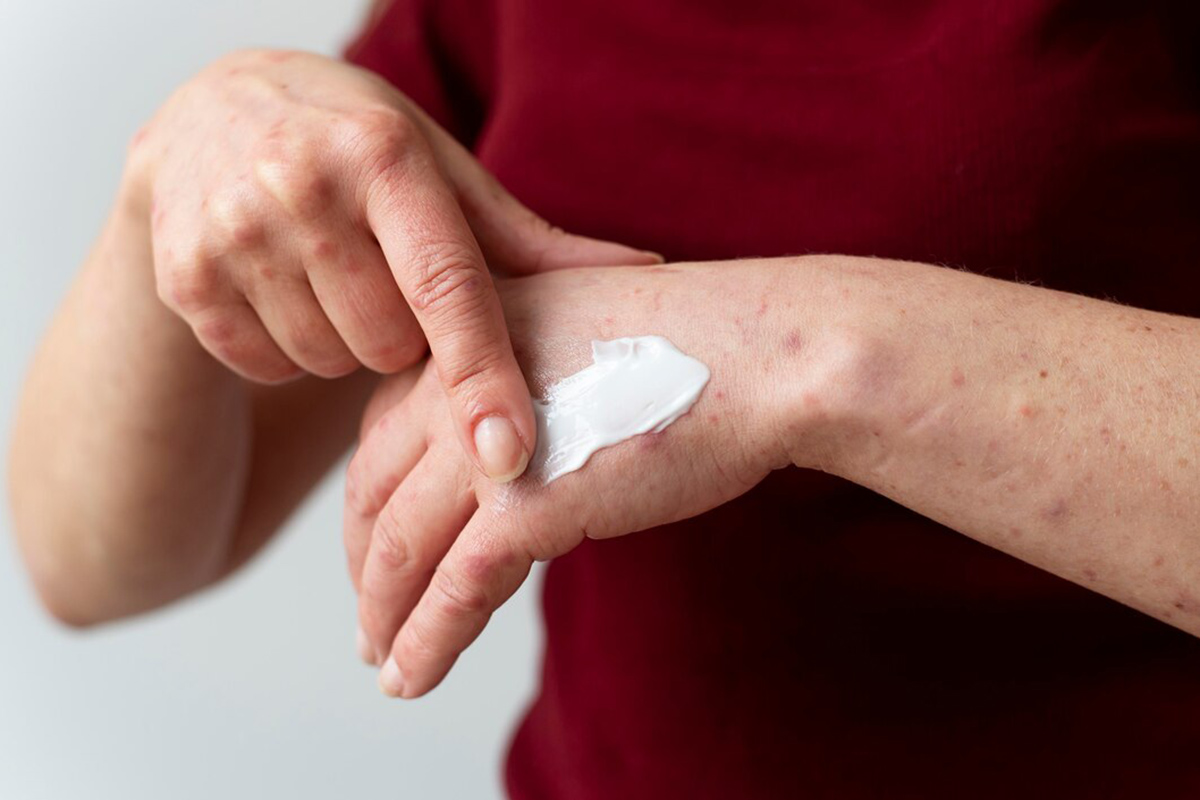
Skin allergies can really mess up your day and night because of the itching. There are many itch medicine choices, like pills and creams you can buy without a prescription. A cosmetic dermatologist named Michele Green says, “Hydrocortisone and antihistamines are great for itching. They calm down your immune system to stop the itch.”
It’s important to know why you’re itching to pick the right treatment. Itching can come from allergies, dry skin, or bug bites. We focus on giving you care that fits your specific needs for skin allergies.
Find the best itch medicine options. Review 5 powerful pills and creams for fast relief from severe allergic skin reactions.
Key Takeaways
- Effective itch relief is available through various medicine options.
- Antihistamine pills and creams are commonly used to treat skin allergies.
- Understanding the cause of itching is key to choosing the right treatment.
- Personalized care is vital for managing skin allergies well.
- There are current treatments for different skin issues.
Understanding Skin Allergies and Itching
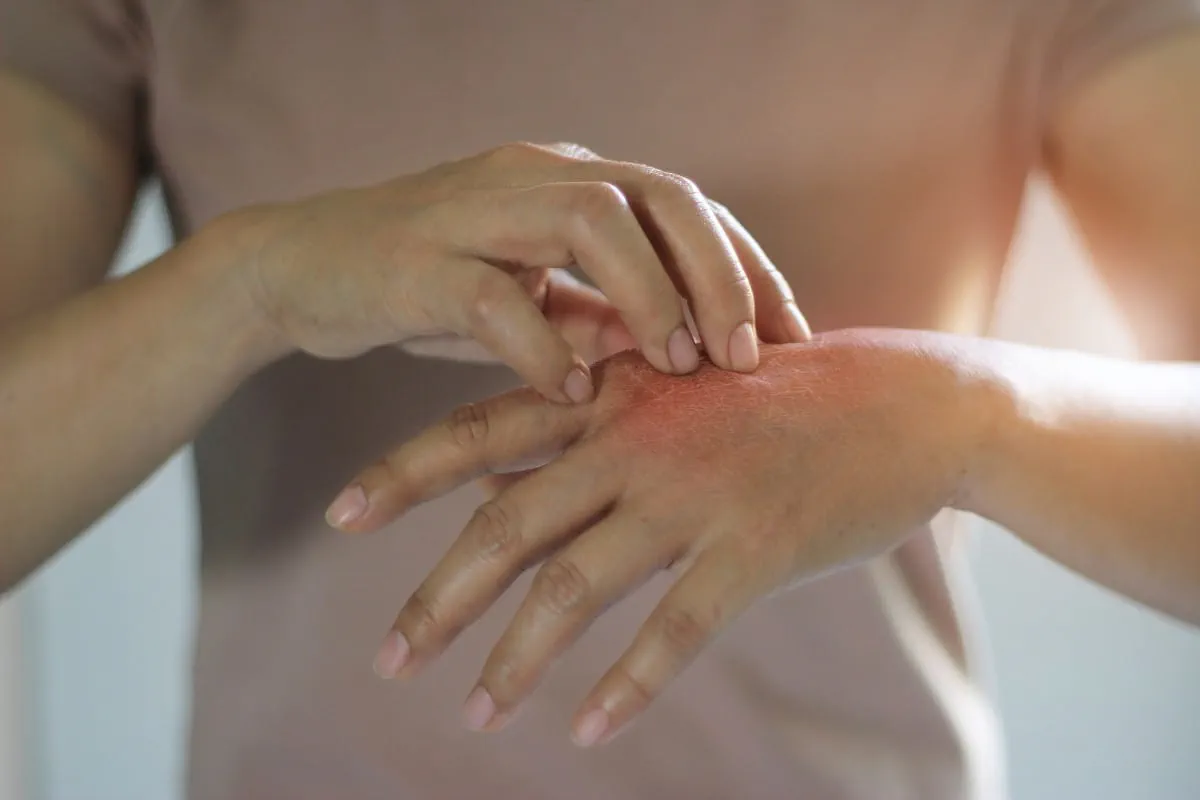
It’s important to know what causes skin allergies and itching. Skin allergies happen when the body reacts to something it doesn’t like. This reaction leads to itching, redness, and swelling.
Common Causes of Skin Allergies
Many things can cause skin allergies. These include contact dermatitis, eczema, and reactions to insect bites. Finding out what causes your allergy is key to treating it.
|
Condition |
Description |
Common Triggers |
|---|---|---|
|
Contact Dermatitis |
Skin inflammation caused by contact with irritants or allergens |
Soaps, detergents, metals, latex |
|
Eczema |
Chronic skin condition characterized by dry, itchy skin |
Genetics, environmental factors, allergens |
|
Psoriasis |
Autoimmune condition causing red, scaly patches on the skin |
Genetics, stress, infections |
How Allergic Reactions Trigger Itching
Allergic reactions make us itch by releasing histamine. Histamine binds to nerve endings, sending itching signals to the brain. Scratching can make the itch worse.
Anti-itch pills, like antihistamines, can stop itching. They block histamine receptors. Knowing how itching starts is important for finding the right treatment.
The Science Behind Histamine and Itching
Histamine is key in allergic reactions and itching. When histamine binds to nerve endings, it sends itching signals to the brain. Benadryl, an antihistamine, helps by blocking these receptors.
How Itch Medicine Works to Relieve Symptoms
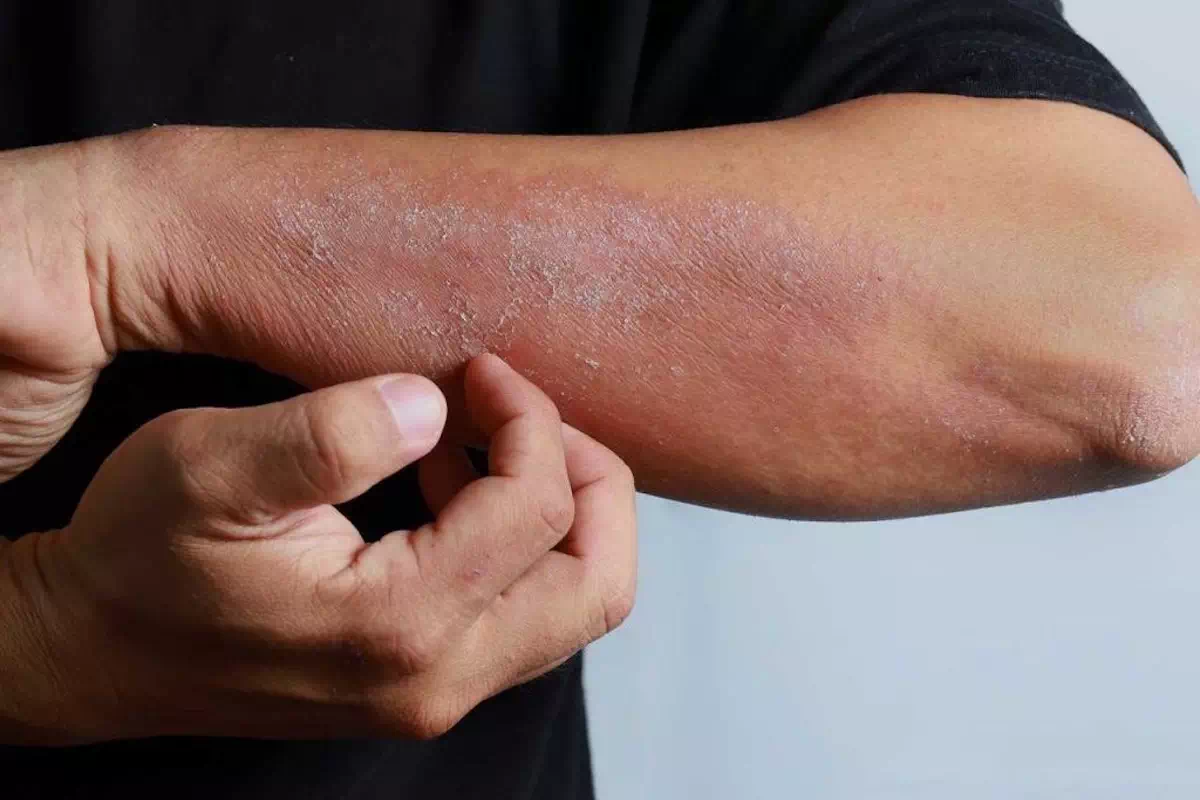
Itch medicine works in different ways to help with skin allergy symptoms. Knowing how it works is key to picking the right treatment.
Different Mechanisms of Action
Antihistamines are a common type of itch medicine. They block histamine receptors to reduce itching and other allergy symptoms. Histamine is a chemical released by the body’s immune system during an allergic reaction, causing itching, redness, and swelling.
Different antihistamines work in different ways. For example, first-generation antihistamines like diphenhydramine can make you sleepy. On the other hand, second-generation antihistamines like loratadine are less likely to make you drowsy.
Oral vs. Topical Treatments
Oral antihistamines are available over-the-counter or by prescription. They provide relief from itching and allergic reactions all over the body. Topical treatments, like creams and ointments, can be applied directly to the affected area for local relief.
Choosing between oral and topical treatments depends on the severity and location of the skin allergy. Oral antihistamines are better for widespread reactions. Topical treatments are good for localized itching.
Prescription vs. Over-the-Counter Options
There are both prescription and over-the-counter (OTC) itch medicines. Prescription medications are often stronger and used for more severe cases. OTC options are good for mild to moderate skin allergies.
It’s important to know the differences between these options. This helps you choose the best treatment for your skin allergies. Always talk to a healthcare professional before starting any new medication, even if you’re not sure about your condition or have concerns about interactions with other medications.
First-Generation Antihistamines: Diphenhydramine (Benadryl)
For those with skin allergies, knowing about first-generation antihistamines is key. These drugs help ease itching from allergic reactions.
Diphenhydramine (Benadryl)
Diphenhydramine, or Benadryl, is a first-generation antihistamine. It helps with itching from allergies. It blocks histamine receptors in the brain and body, reducing itchiness.
Key Benefits:
- Effective in relieving itching caused by allergic reactions
- Available over-the-counter, making it easily accessible
- Can be used for short-term relief of itching symptoms
When to Choose First-Generation Antihistamines
First-generation antihistamines like diphenhydramine are good for severe itching. They can help when itching keeps you awake or stops you from doing daily tasks. But, think about the side effects, like drowsiness, before using them.
“Antihistamines are a cornerstone in the management of allergic reactions, and first-generation antihistamines like diphenhydramine have been used for decades to relieve itching symptoms.”
Dosage and Usage Guidelines
Adults should take 25-50 mg of diphenhydramine every 4-6 hours as needed. Always follow what a doctor or the label says. Also, be careful because it can make you sleepy. Don’t drive or use heavy machinery after taking it.
There are different Benadryl forms, like tablets, liquid gels, and creams.
Second-Generation Antihistamines: Cetirizine (Zyrtec)
Second-generation antihistamines, like cetirizine (Zyrtec), have changed how we treat skin allergies. They provide long-lasting relief without making you sleepy. This makes them great for people who need to manage their allergies all day without getting in the way of their daily life.
Cetirizine (Zyrtec)
Cetirizine, or Zyrtec, is a second-generation antihistamine. It gives 24-hour relief from itching and other skin allergy symptoms. It works by blocking H1 receptors in the body, but it doesn’t cross the blood-brain barrier, so it won’t make you drowsy.
Benefits of Non-Drowsy Formulations
Cetirizine (Zyrtec) is known for its non-drowsy formulation. This makes it perfect for people who need to manage their skin allergies for a long time. Unlike older antihistamines, cetirizine doesn’t make you sleepy or affect your thinking.
- Effective 24-hour relief from itching and allergic symptoms
- Minimal risk of drowsiness, making it easier to stick to treatment
- Great for long-term management of skin allergies
Recommended Usage for Skin Allergies
To get the best results, take cetirizine (Zyrtec) once a day as directed. It’s important to follow the dosage instructions to get the most out of the medication. Always talk to a healthcare professional for advice on using cetirizine for skin allergies.
Cetirizine (Zyrtec) is a top choice for best antihistamine for itching skin. It provides all-day relief without the sleepiness. Knowing how to use it and its benefits can help you make better choices for your treatment.
Best Itch Medicine for Daily Use: Loratadine (Claritin)
Loratadine (Claritin) is a top pick for those with itchy skin allergies. It’s easy to use and works well every day. This makes it a reliable choice for many people.
Loratadine (Claritin)
Loratadine is a second-generation antihistamine. It lasts a long time and has few side effects. This makes it great for daily use.
Unlike Diphenhydramine (Benadryl), Loratadine doesn’t make you sleepy. So, you can keep doing your daily activities without feeling tired.
Loratadine is special because you only need to take it once a day. This 24-hour relief is perfect for people with busy lives. They get the help they need without having to take medicine all the time.
Comparing Loratadine to Other Antihistamines
Loratadine is compared to other antihistamines for several reasons. For example, Cetirizine (Zyrtec) might make some people feel more sleepy than Loratadine. But, Fexofenadine (Allegra) is also non-drowsy. Yet, Loratadine’s long history and lots of research make it a top choice for doctors.
- Loratadine is both effective and safe.
- It’s great for long-term use, perfect for managing chronic skin allergies.
- Its once-daily dose means you get relief all day long.
Long-Term Usage Considerations
If you’re thinking about using Loratadine for a long time, it’s important to know it’s safe. Lots of studies have shown it’s well-tolerated. But, always follow the dosage and talk to your doctor if you notice any side effects.
Talking to your doctor about your health and any worries is key. This way, you can be sure Loratadine is right for you. It’s a safe and effective way to manage your skin allergy symptoms every day.
Long-Lasting Relief: Fexofenadine (Allegra)
Fexofenadine is a top choice for skin allergy relief. Known as Allegra, it’s a second-generation antihistamine. It offers long-lasting relief from itching and other symptoms.
Fexofenadine (Allegra)
Fexofenadine blocks histamine receptors to reduce allergic reactions. It does this without making you drowsy. This makes it a great OTC skin allergy medicine for day-long symptom management.
Some key benefits of fexofenadine include:
- Effective relief from itching and other allergic symptoms
- Non-drowsy formula
- 24-hour protection
24-Hour Protection Benefits
Fexofenadine offers 24-hour protection against itching and allergic reactions. This long-lasting relief is great for those with persistent allergies. It lets them live their daily lives without worry.
Ideal Situations for Fexofenadine Use
Fexofenadine is perfect for those needing long-term relief from allergies. It’s great for chronic skin allergies and provides reliable medicine for allergic reaction on skin. Its non-drowsy formula is also good for staying alert during the day.
Some scenarios where fexofenadine is very helpful include:
- Managing chronic skin allergies
- Relieving itching and discomfort caused by allergic reactions
- Providing long-lasting relief without sedation
Knowing when to use fexofenadine helps people choose the best treatment for their skin allergies.
Prescription-Strength Option: Hydroxyzine
For severe itching from allergic reactions, hydroxyzine is a strong choice. It’s a prescription-strength antihistamine. It’s used when over-the-counter options don’t work.
Hydroxyzine
Hydroxyzine blocks histamine, a body substance that causes itching and allergic reactions. It comes in tablets and syrup, fitting different needs.
When to Ask Your Doctor for Prescription Options
If itching is really bad and affects your daily life or sleep, talk to your doctor. They can suggest hydroxyzine or another treatment based on your situation.
Managing Side Effects
Hydroxyzine might make you feel sleepy, dry your mouth, or dizzy. To handle these, adjust your dose or take it at a certain time. Always listen to your doctor to avoid bad side effects.
Here’s how hydroxyzine compares with other antihistamines:
|
Antihistamine |
Prescription/OTC |
Drowsiness |
Duration of Action |
|---|---|---|---|
|
Hydroxyzine |
Prescription |
Yes |
6-8 hours |
|
Diphenhydramine (Benadryl) |
OTC |
Yes |
4-6 hours |
|
Loratadine (Claritin) |
OTC |
No |
24 hours |
Topical Itch Medicine: Hydrocortisone and Calamine
Hydrocortisone and calamine are top picks for treating itching and inflammation on the skin. They can be used alone or with oral antihistamines. This combo helps tackle itching from skin allergies effectively.
Hydrocortisone Cream
Hydrocortisone cream is a mild steroid found in many stores. It’s great for treating allergic reactions, eczema, and dermatitis. It cuts down on inflammation and itching.
Key benefits of hydrocortisone cream include:
- Reduces inflammation and itching
- Available OTC for mild cases
- Can be used on various skin conditions
Calamine Lotion
Calamine lotion is a go-to for itching and irritation from skin allergies, chickenpox, and bug bites. It has zinc oxide and iron oxide. These ingredients calm the skin and lessen itching.
Calamine lotion is known for its:
- Soothing effect on the skin
- Ability to dry out oozing or weeping skin lesions
- Cooling sensation that helps reduce itching
Combining Topical and Oral Treatments
Using hydrocortisone cream or calamine lotion with oral antihistamines can offer better relief. This combo tackles itching and other symptoms of skin allergies.
The benefits of combining treatments include:
- Enhanced relief from itching and inflammation
- Addressing both localized and systemic symptoms
- Potential reduction in the severity of allergic reactions
Conclusion
We’ve looked at different ways to treat skin allergies, like oral antihistamines and topical treatments. Knowing how they work helps people choose the right care for themselves.
Oral antihistamines, like diphenhydramine (Benadryl), cetirizine (Zyrtec), loratadine (Claritin), and fexofenadine (Allegra), help with itching and allergic reactions. Topical treatments, such as hydrocortisone cream and calamine lotion, offer relief right where it’s needed.
In summary, there are many itch medicine options to fit various needs and preferences. By exploring these, people can better manage their skin allergies and reduce symptoms. It’s wise to talk to a healthcare professional to find the best treatment for your specific situation.
FAQ
What is the best itch medicine for skin allergies?
The best itch medicine for skin allergies varies by severity and cause. Oral antihistamines like diphenhydramine (Benadryl) and cetirizine (Zyrtec) work well. Loratadine (Claritin) and fexofenadine (Allegra) also offer relief. For localized relief, try hydrocortisone cream or calamine lotion.
Are there different types of Benadryl?
Benadryl is another name for diphenhydramine, a first-generation antihistamine. Though there are various Benadryl forms, like tablets and creams, the main ingredient stays the same.
Can I use antihistamines for itchy skin?
Yes, antihistamines are great for itchy skin from allergies. Oral options like cetirizine (Zyrtec) and loratadine (Claritin) help reduce itching.
What is the best antihistamine for itching skin?
The best antihistamine for itching skin varies by personal need. Second-generation antihistamines like cetirizine (Zyrtec) and loratadine (Claritin) are popular. They are known for being non-drowsy and effective.
Can I use hydrocortisone cream for itchy skin?
Yes, hydrocortisone cream is a good choice for itchy skin from allergies. It’s available without a prescription and can be used alone or with oral antihistamines.
Are there any prescription-strength antihistamines available?
Yes, hydroxyzine is a stronger antihistamine for severe itching from allergies. It’s usually prescribed when over-the-counter options don’t work.
Can I combine topical and oral treatments for itchy skin?
Yes, using both topical and oral treatments can help a lot. Topical options like hydrocortisone cream and calamine lotion work well with oral antihistamines. They help with itching and inflammation.
What is the best over-the-counter medicine for skin rash?
The best over-the-counter medicine for a skin rash depends on the rash’s cause and severity. Antihistamines like diphenhydramine (Benadryl) and cetirizine (Zyrtec) can help with itching and inflammation. Topical treatments like hydrocortisone cream and calamine lotion also offer relief.
Is there a cream that can relieve itching due to allergies?
Yes, there are creams that can help with itching from allergies. Hydrocortisone cream and calamine lotion are two common ones. They provide relief and reduce inflammation.
Reference
https://pmc.ncbi.nlm.nih.gov/articles/PMC9412524