
Feeling sharp chest pain or sudden shortness of breath when you breathe deeply can be scary. It makes you worry about your heart health. At Liv Hospital, we get how worried you must be. We’re here to help with expert advice and care.
Exploring common causes for chest soreness and shortness of breath when taking deep breaths, from anxiety to pleurisy.
Chest pain leads to over 6.5 million emergency room visits in the U.S. each year. It affects 20 to 40 percent of people worldwide. Knowing why pain in chest when breathing in deep happens is key to managing it well.
We’ll look at what can cause chest hurts when take deep breath. This includes simple muscle issues to serious heart or lung problems. Our focus is on you, making sure you get the right support and treatment. Exploring common causes for chest soreness and shortness of breath when taking deep breaths, from anxiety to pleurisy.
Key Takeaways
- Chest pain during deep breathing can be caused by various conditions, including musculoskeletal issues and serious cardiovascular or pulmonary diseases.
- Understanding the underlying causes is key for managing and preventing problems.
- Liv Hospital’s patient-centered approach ensures you get support and treatment that fits your needs.
- Chest pain affects a lot of people, with millions going to emergency rooms every year.
- It’s important to see a doctor to find out why you’re having chest pain and get the right treatment.
The Physiology of Deep Breathing and Pain

Deep breathing changes our body in ways that can cause chest pain. It’s important to understand these changes to know why deep breathing can hurt.
Normal Respiratory Mechanics
Our breathing is a team effort between the diaphragm and other muscles. When we breathe deeply, the diaphragm goes down, and the chest expands. This makes room for more air in our lungs. The mechanics of breathing involve many parts, including the lungs and the chest wall, which can hurt if they’re irritated.
How Pain Receptors Respond to Deep Inhalation
Pain receptors are found in the chest, including the pleura and pericardium. Deep breathing can stretch these areas, triggering pain. For example, if the pleura is inflamed, breathing can cause sharp pain. Inflammation in the chest muscles or cartilage can also lead to pain when we breathe deeply.
The Relationship Between Breathing and Chest Discomfort
There’s a complex link between deep breathing and chest pain. Issues with the lungs, heart, or chest muscles can cause pain when we breathe deeply. For instance, pleurisy or pericarditis can lead to sharp pains that get worse with deep breaths. Knowing this helps doctors figure out why someone is in pain.
|
Condition |
Characteristics |
Pain During Deep Breathing |
|---|---|---|
|
Pleurisy |
Inflammation of the pleura |
Sharp pain that worsens with deep breathing |
|
Pericarditis |
Inflammation of the pericardium |
Sharp, stabbing pain that may improve when sitting up |
|
Costochondritis |
Inflammation of the cartilage connecting ribs to the sternum |
Dull, aching pain that can worsen with deep breathing |
Chest Soreness and Shortness of Breath: Understanding the Symptoms
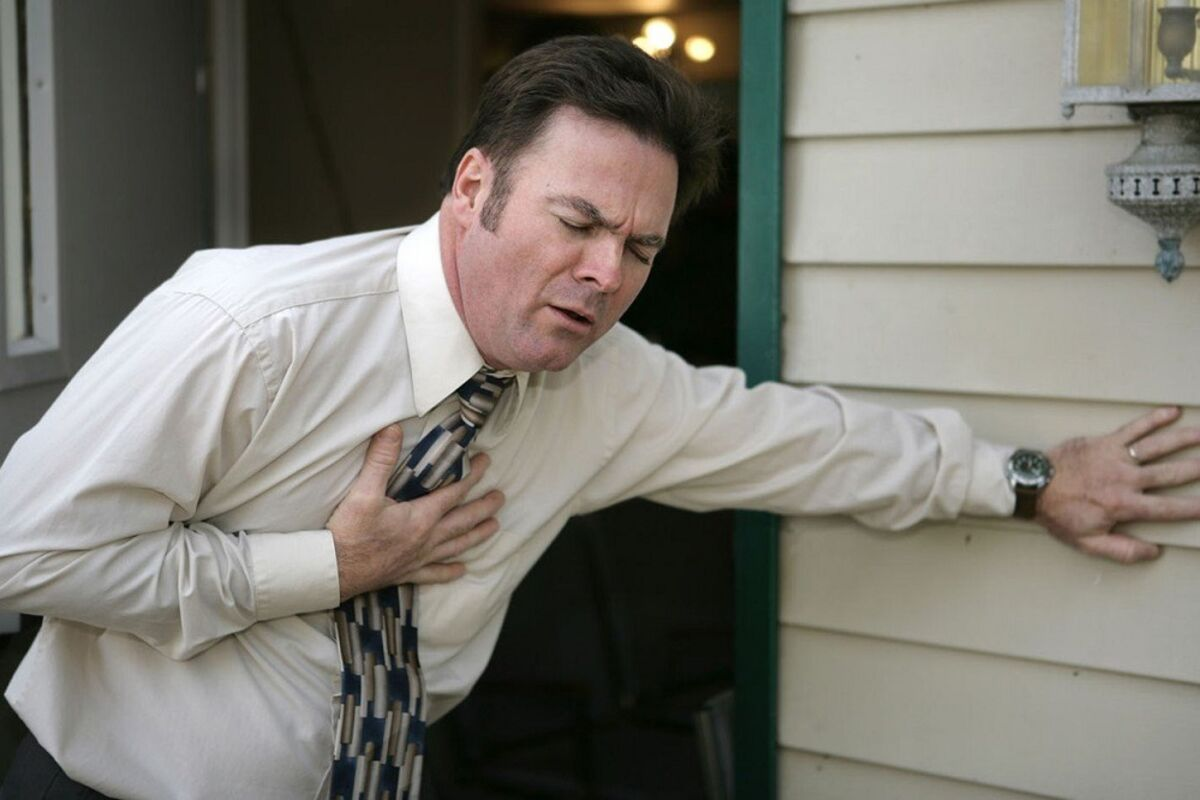
Chest pain and breathing troubles can feel different for everyone. It’s key to know what these symptoms mean to find the right treatment.
Distinguishing Between Different Types of Chest Pain
Chest pain can show up in many ways. It’s important to tell the difference between sharp, stabbing pain and dull, aching discomfort. Where the pain is and how it spreads matters too.
Pain that gets worse when you lie down might point to heart or lung problems. Some people feel pain in their arms, back, or jaw. This could mean a serious issue.
Characterizing Breathing Difficulties
Breathing troubles can be mild or severe. They might come with wheezing or coughing. Shortness of breath, or dyspnea, can start suddenly or slowly.
Knowing what makes breathing hard or easy is important. We’ll look into these factors to help you understand your symptoms.
The Global Prevalence and Statistics
Chest pain and shortness of breath affect many people worldwide. These symptoms can be linked to many conditions, from simple to serious.
Knowing how common these symptoms are can help. We’ll look at the data to give you a full picture.
Respiratory Conditions Causing Pain With Deep Breaths
Chest pain when you take deep breaths can be scary. It’s linked to many respiratory issues. Knowing about these conditions helps you get the right treatment and feel better.
Pleurisy and Pleural Inflammation
Pleurisy is when the pleura, the lung’s protective layer, gets inflamed. This can lead to sharp chest pain that gets worse with deep breaths or coughs. It’s often caused by infections, autoimmune diseases, or injuries.
Symptoms of Pleurisy:
- Sharp, stabbing chest pain
- Pain that worsens with deep breathing or coughing
- Shortness of breath
- Fever and chills in cases of infection
Pneumonia and Lung Infections
Pneumonia is an infection that inflames the lungs’ air sacs, filling them with fluid. It can cause chest pain that gets worse with deep breaths. Symptoms also include cough, fever, and trouble breathing.
|
Condition |
Common Symptoms |
Typical Causes |
|---|---|---|
|
Pneumonia |
Cough, fever, chest pain, shortness of breath |
Bacterial, viral, or fungal infections |
|
Lung Infections |
Cough, fever, chest pain, fatigue |
Infections, including bacteria, viruses, and fungi |
Pulmonary Embolism
A pulmonary embolism happens when a blood clot blocks a lung’s blood vessel. It causes sudden, severe chest pain that gets worse with deep breaths. Symptoms also include shortness of breath, fast heart rate, and coughing up blood.
Seeking immediate medical help is key if you think you have a pulmonary embolism. It’s a serious condition that can be life-threatening.
Musculoskeletal Causes of Chest Pain When Breathing Deeply
Chest pain when you breathe deeply can come from many musculoskeletal issues. These issues affect the muscles, bones, and cartilage of the chest wall. This can cause discomfort and pain when you inhale and exhale.
Costochondritis and Chest Wall Inflammation
Costochondritis is when the cartilage that connects the ribs to the sternum gets inflamed. This can lead to sharp pains or aching in the chest. These pains can get worse with deep breathing or movement. The exact cause is often unclear but can be linked to injury, strain, or infection.
Symptoms of costochondritis include:
- Sharp chest pain or aching
- Pain that worsens with deep breathing or movement
- Tenderness in the affected area
Treating costochondritis usually involves managing pain and reducing inflammation. Over-the-counter pain relievers and anti-inflammatory medications can help. Sometimes, physical therapy or corticosteroid injections are recommended.
Intercostal Muscle Strain
Intercostal muscle strain happens when the muscles between the ribs get stretched or torn. This can occur from heavy lifting, sudden twisting, or severe coughing. The strain can cause pain and discomfort, mainly when breathing deeply.
Common symptoms of intercostal muscle strain include:
- Pain or tenderness between the ribs
- Difficulty breathing deeply
- Muscle spasms
Rest, ice, and over-the-counter pain relievers are often used to manage intercostal muscle strain. Physical therapy can also aid in recovery by strengthening the muscles and improving flexibility.
Rib Injuries and Their Impact on Breathing
Rib injuries, like fractures or bruises, can greatly affect breathing. A rib injury can cause sharp pain during inhalation and exhalation. This makes deep breathing uncomfortable or even painful.
“Rib fractures are a common injury that can result from trauma to the chest, such as from a fall or a car accident. The pain from a rib fracture can be severe and is typically worsened by deep breathing or coughing.”
The management of rib injuries involves:
|
Treatment Approach |
Description |
|---|---|
|
Pain Management |
Using medications to control pain |
|
Rest |
Avoiding strenuous activities |
|
Breathing Exercises |
Performing gentle exercises to improve lung expansion |
In conclusion, musculoskeletal causes of chest pain when breathing deeply are varied and can significantly impact an individual’s quality of life. Understanding these conditions is key for effective management and treatment.
Cardiovascular Conditions That Manifest as Chest Pain During Inhalation
Chest pain when you breathe in can be serious. It might be caused by heart problems. Knowing these can save lives.
Pericarditis: Inflammation of the Heart Sac
Pericarditis is when the heart sac gets inflamed. It can cause sharp pain in the chest. This pain gets worse when you breathe deeply or lie down.
Key symptoms of pericarditis include:
- Sharp, stabbing chest pain
- Pain that improves when sitting up and leaning forward
- Fatigue and weakness
Myocarditis and Heart Muscle Inflammation
Myocarditis is inflammation of the heart muscle. It’s often caused by viruses. It can cause chest pain, irregular heartbeats, and even heart failure.
Common symptoms associated with myocarditis:
- Chest pain or discomfort
- Shortness of breath
- Rapid or irregular heartbeat
Angina vs. Heart Attack: Critical Distinctions
Angina and heart attacks both cause chest pain. But they are different. Angina means the heart doesn’t get enough blood, usually when you’re stressed or active. A heart attack happens when the heart muscle gets damaged because it doesn’t get blood.
Understanding the differences:
|
Characteristics |
Angina |
Heart Attack |
|---|---|---|
|
Pain Description |
Pressure, squeezing |
Severe, crushing |
|
Duration |
Short, typically a few minutes |
Longer, can persist |
|
Triggers |
Exertion, stress |
Can occur at rest |
It’s important to know about these heart problems. If you have chest pain when you breathe in, see a doctor fast. They can figure out what’s wrong and help you get better.
Psychological Factors: When Anxiety Causes Physical Chest Symptoms
Anxiety can make you feel physical pain, like chest tightness. This happens more often than people think. It’s key to know why it happens.
When you’re anxious, your body goes into “fight or flight” mode. This can cause many physical symptoms. Chest pain is one of the most distressing symptoms, making daily life hard.
Panic Attacks and Their Physical Manifestations
Panic attacks are intense anxiety episodes that can cause chest pain. During these attacks, breathing becomes rapid and shallow. This can make chest tightness worse.
The symptoms of a panic attack can feel like a heart attack. This can make people think they need emergency care. But, often, the chest pain is not from the heart.
Hyperventilation Syndrome
Hyperventilation syndrome happens when you breathe too fast or deep because of anxiety or stress. This can upset the balance of oxygen and carbon dioxide in your blood. Symptoms include dizziness, lightheadedness, and chest pain.
Knowing the signs of hyperventilation syndrome is important. It helps manage breathing and ease symptoms. Diaphragmatic breathing is a good technique to help.
Breaking the Anxiety-Pain Cycle
It’s important to break the cycle of anxiety and pain to manage chest symptoms. This can involve psychological therapies like cognitive-behavioral therapy (CBT). Also, learning relaxation techniques helps manage anxiety.
By addressing the underlying psychological factors, you can lower anxiety. This helps reduce physical symptoms, like chest pain. It’s a journey that needs patience, understanding, and sometimes professional help.
Understanding why anxiety causes chest pain is a big step towards managing it. Recognizing the signs and symptoms helps get the right care and support.
Diagnostic Approaches for Pain in Chest When Breathing
Diagnosing chest pain linked to breathing issues involves several steps. Doctors use a mix of clinical checks, tests, and patient stories to find the root cause.
Physical Examination Techniques
Starting with a detailed physical check is key. Doctors feel the chest with their hands and listen with a stethoscope. This helps spot any unusual sounds or tenderness.
“A careful physical examination can often provide critical clues about the cause of chest pain,” highlights the value of this first step.
Imaging Studies and Laboratory Tests
Imaging tests are vital for pinpointing chest pain causes. Common ones include:
- Chest X-ray to see the lungs and heart
- Computed Tomography (CT) scan for detailed chest images
- Echocardiogram to check heart function
Blood tests help find signs of infection or inflammation that might cause pain.
What Information to Share With Your Doctor
Telling your doctor all about your symptoms is essential. Share:
- The type and how bad your chest pain is
- What makes the pain better or worse
- Your medical history, including past conditions or surgeries
Getting a correct diagnosis is vital for good treatment. By combining physical checks, tests, and patient history, doctors can create a proper treatment plan.
Treatment Options for Chest Pain and Breathing Difficulties
Treating chest pain and breathing troubles needs a custom plan. We’ll look at medical treatments, pain relief methods, and home remedies.
Medical Interventions Based on Underlying Cause
The right treatment for chest pain and shortness of breath depends on the cause. For example, if it’s pleurisy, doctors might use anti-inflammatory medications. Pneumonia often calls for antibiotics. Pulmonary embolism might need anticoagulants to stop more clots.
- Cardiovascular issues like angina or heart attacks need quick action. This might include angioplasty or bypass surgery.
- Musculoskeletal problems like costochondritis might be treated with pain meds and physical therapy.
- Anxiety-related chest pain and hyperventilation can be helped with therapy and relaxation methods.
Pain Management Strategies
Managing pain well is key to a better life for those with chest pain and breathing issues. This includes:
- Pharmacological interventions: For mild to moderate pain, over-the-counter drugs like ibuprofen or acetaminophen can help.
- Prescription medications: For severe pain, doctors might prescribe stronger drugs like opioids, but only under careful watch.
- Interventional procedures: Sometimes, treatments like nerve blocks or injections are used to reduce pain.
Home Remedies and Self-Care Techniques
There are also home remedies and self-care methods to help with chest pain and breathing troubles:
- Breathing exercises: Diaphragmatic breathing can boost lung function and ease stress.
- Posture correction: Good posture can ease chest strain and improve breathing.
- Relaxation techniques: Activities like meditation, yoga, or muscle relaxation can help manage stress and anxiety.
By using these methods together, people can find relief from chest pain and breathing issues. This can greatly improve their life quality.
Conclusion: When to Seek Emergency Care and Prevention Strategies
Knowing when to get emergency care for chest pain and shortness of breath is key. We’ve talked about many reasons for these symptoms. These include respiratory and musculoskeletal issues, heart diseases, and even mental health problems.
It’s important to know the signs that mean you need to see a doctor right away. If you have severe chest pain, trouble breathing, or other serious symptoms, get help fast.
Preventing chest pain and breathing issues is also important. A healthy lifestyle helps a lot. This includes staying active, eating well, and managing stress.
Being informed and taking action can help you stay healthy. We suggest talking to a doctor to find the best way to take care of yourself. This way, you can prevent many health problems.
FAQ
What are the common causes of chest pain when breathing deeply?
Chest pain when breathing deeply can come from many sources. It might be due to muscle or bone issues, or problems with the lungs like pleurisy or pneumonia. It could also be heart-related, such as pericarditis or myocarditis.
Why does it hurt when I breathe in deep?
Deep breathing can hurt because it activates pain sensors in the chest. This pain can stem from inflammation, injury, or infection.
Can anxiety cause chest pain and shortness of breath?
Yes, anxiety can lead to physical symptoms like chest pain and shortness of breath. This happens through panic attacks and hyperventilation.
How is chest pain diagnosed when breathing?
Doctors use a few methods to diagnose chest pain. They do physical exams, imaging studies, and lab tests. It’s important to give your doctor all the details to get a correct diagnosis.
What are the treatment options for chest pain and breathing difficulties?
Treatment depends on the cause of the pain. It might include medicine, pain management, or home remedies.
When should I seek emergency care for chest pain?
Go to the emergency room if you have severe chest pain or trouble breathing. Also, seek help if your symptoms get worse or if you notice other concerning signs.
Can Advil help with chest pain?
Advil might help with some chest pain. But, it’s best to talk to a doctor to figure out why you’re in pain and what to do about it.
How can I prevent chest pain and shortness of breath?
To prevent these issues, manage any health problems you have. Stay healthy and know the signs of serious conditions.
What is the difference between angina and a heart attack?
Angina is chest pain from reduced blood flow to the heart. A heart attack happens when blood flow stops, damaging the heart muscle.
Can costochondritis cause chest pain when breathing deeply?
Yes, costochondritis can cause chest pain. It’s an inflammation of the cartilage that connects the ribs to the breastbone, and it gets worse with deep breathing.
What is pleurisy, and how does it cause chest pain?
Pleurisy is inflammation of the pleura, the membranes around the lungs. It causes sharp chest pain that gets worse with deep breathing or coughing.
References
National Health Service (NHS). Evidence-Based Medical Guidance. Retrieved from https://www.nhs.uk/conditions/chest-pain/