What is laboured breathing meaning? Learn the critical health facts behind this symptom and why it signals a serious lung issue.
Laboured breathing means you’re having trouble breathing. It shows you’re working harder to get air. We’ll look into why this happens and what causes it.
Feeling like you can’t breathe well might mean something’s wrong. It could be asthma, heart problems, or an infection. Knowing why you’re having trouble breathing is key to fixing it.
At Liv Hospital, we focus on helping people with breathing problems. We give each person the care they need. Our team uses the latest treatments to help you breathe better.
Key Takeaways
- Laboured breathing is a sign of respiratory distress.
- Various medical conditions can cause laboured breathing.
- Understanding the causes is key for the right diagnosis.
- Liv Hospital offers full care for breathing issues.
- Our advanced treatments help those in need.
Laboured Breathing Meaning: A Comprehensive Definition

Understanding respiratory problems starts with knowing what laboured breathing is. It’s when someone finds it hard to breathe, needing more effort to take in or push out air.
Clinical Definition and Medical Terminology
Doctors see laboured breathing as using extra muscles to breathe. This can show up as stridor, grunting, or flaring of the nostrils. The term “dyspnea” is used to describe feeling out of breath, but it’s different from the physical signs of laboured breathing.
Laboured breathing is a sign of a problem, not the problem itself. It shows how the body reacts to breathing trouble. The definition covers more than just breathing; it’s about the body’s response to distress.
How Laboured Breathing Differs from Normal Respiration
Normal breathing is easy and smooth, without extra muscle use. Laboured breathing, on the other hand, means breathing harder or faster, showing there’s a problem.
We tell laboured breathing apart from normal by looking at signs like extra muscle use, breathing rate changes, or odd sounds. Knowing these differences helps doctors find and treat the cause of laboured breathing.
Recognizing the Signs and Symptoms of Laboured Breathing

Spotting laboured breathing means looking for both physical signs and feelings. It shows up in different ways for everyone. So, knowing what to look for is key for the right diagnosis and care.
Observable Physical Indicators of Respiratory Distress
There are clear signs of laboured breathing in adults. These include:
- Rapid or slow breathing rate
- Use of accessory muscles for breathing
- Wheezing or other abnormal sounds
- Gasping for air
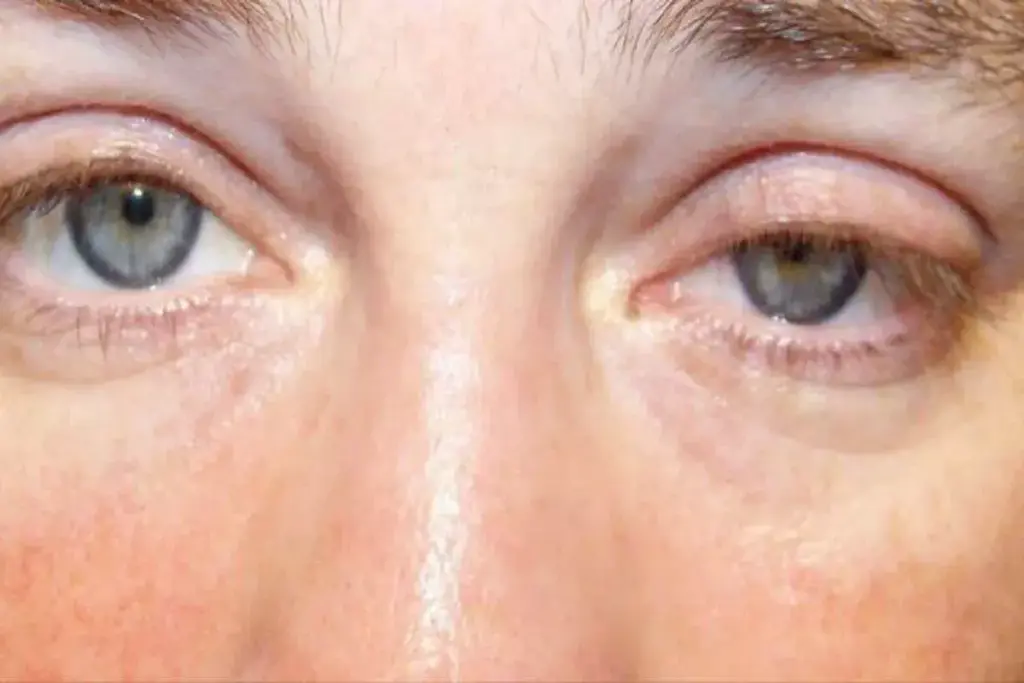
- Skin discoloration, such as cyanosis (blue-tinged skin)
These signs are easy to see and are very important. As one doctor says,
“Seeing these signs means you should get medical help right away to find out why.”
Subjective Experiences During Laboured Breathing Episodes
People who have laboured breathing often feel very tired or exhausted. They might also feel like they can’t breathe well. Other feelings include:
- A sense of suffocation or inability to catch one’s breath
- Chest tightness or discomfort
- Panic or anxiety related to breathing difficulties
It’s very important to take these feelings seriously. They can tell us a lot about what’s going on with breathing.
In short, knowing the signs and symptoms of laboured breathing is about seeing the physical signs and understanding what people feel. By noticing these, we can help get the right help and treatment quickly.
Distinguishing Laboured Breathing from Other Respiratory Conditions
It’s important to know the difference between laboured breathing and other respiratory issues. Laboured breathing shows a struggle to breathe, while other problems might look similar but are different.
Let’s look at how laboured breathing compares to other respiratory issues.
Laboured Breathing vs. Shortness of Breath (Dyspnea)
Shortness of breath, or dyspnea, is when you feel like you can’t breathe deeply enough. It’s different from laboured breathing, which is about the physical effort to breathe. Dyspnea is more about feeling like you’re not getting enough air.
A medical expert says, “Dyspnea is a symptom, not a condition. It can be caused by many things, like respiratory, cardiac, and neurological disorders.”
“The sensation of dyspnea can be described in many ways, from a tightness in the chest to a feeling of suffocation.”
Here are the main differences between laboured breathing and dyspnea:
|
Characteristics |
Laboured Breathing |
Dyspnea (Shortness of Breath) |
|---|---|---|
|
Physical Effort |
Increased physical effort to breathe |
Not necessarily related to physical effort |
|
Subjective Experience |
May or may not be accompanied by discomfort |
Characterized by a feeling of not getting enough air |
|
Causes |
Can be due to respiratory or other medical conditions |
Can be caused by various factors, including cardiac and neurological issues |
Laboured Breathing vs. Hyperventilation
Hyperventilation is when you breathe very fast and deeply. This can make too much carbon dioxide leave your body. It’s different from laboured breathing, which is about the effort to breathe. Hyperventilation is about breathing faster and deeper.
Hyperventilation can cause dizziness and lightheadedness because of the low carbon dioxide levels. Laboured breathing might not cause these symptoms.
Laboured Breathing vs. Ragged Breathing
Ragged breathing means your breathing is irregular. It can be a sign of serious health problems. Unlike laboured breathing, which is about the effort, ragged breathing is about the irregular pattern of breaths.
Knowing the difference between these conditions is key for correct diagnosis and treatment. Healthcare professionals can give better care by understanding each condition’s unique signs.
Common Acute Causes of Laboured Breathing in Adults
It’s important to know why adults might have trouble breathing. Laboured breathing, or respiratory distress, can be caused by many things. These need to be found and treated quickly.
Respiratory Infections and Pneumonia
Respiratory infections, like pneumonia, can make breathing hard. These infections cause inflammation and fluid in the lungs. Pneumonia is very serious, and can be deadly, for older adults or those with weak immune systems.
Doctors say pneumonia is a big problem worldwide. It can really hurt how well you breathe.
Anxiety and Panic Attacks
Anxiety and panic attacks can also make breathing hard. During a panic attack, you might breathe too fast. This can make you dizzy or faint. Even though it’s not usually life-threatening, it can be very scary. You might need to see a doctor to make sure there’s nothing else wrong.
Allergic Reactions and Anaphylaxis
Severe allergic reactions, or anaphylaxis, can also cause breathing problems. Anaphylaxis is a serious emergency that needs epinephrine right away. Knowing the signs, like trouble breathing, fast heart rate, and low blood pressure, is key to acting fast.
Physical Exertion and Environmental Factors
Working out too hard, or in hot or polluted places, can make breathing hard. Things like high altitude, allergens, or smoke can make it worse. Knowing these can help you avoid breathing problems when you’re active.
In short, laboured breathing in adults can come from many causes. These include infections, anxiety, allergies, and too much exercise. Knowing these can help you get the right care and avoid serious problems.
Chronic Conditions That Contribute to Laboured Breathing
It’s important to know about chronic conditions that cause laboured breathing. These conditions can really affect someone’s life. They are long-term health issues that need ongoing care.
Asthma and Its Impact on Respiratory Function
Asthma is a long-term lung condition that makes breathing hard. It happens when the airways get narrow. Managing asthma well means avoiding triggers, taking medicine, and watching symptoms.
Symptoms of asthma can change a lot. You might wheeze, cough, or feel short of breath. In bad cases, asthma can be very dangerous and needs quick medical help.
Chronic Obstructive Pulmonary Disease (COPD)
COPD is a lung disease that makes breathing hard. It includes emphysema and chronic bronchitis. It damages lung tissue, causing hard breathing. Stopping smoking is key in managing COPD, along with medicine and exercise.
|
COPD Stage |
Characteristics |
Management Strategies |
|---|---|---|
|
Mild |
Minimal symptoms, may not be diagnosed |
Smoking cessation, lifestyle changes |
|
Moderate |
Shortness of breath, coughing |
Medications (bronchodilators), pulmonary rehabilitation |
|
Severe |
Significant breathing difficulties, impact on daily life |
Oxygen therapy, advanced medications |
Heart Failure and Cardiovascular Causes
Heart failure means the heart can’t pump enough blood. This can cause fluid in the lungs, making breathing hard. To manage heart failure, doctors use medicines and suggest lifestyle changes like eating less salt.
Obesity and Sleep Apnea
Being overweight can lead to breathing problems, like sleep apnea. Sleep apnea makes you stop breathing during sleep. Weight loss and CPAP therapy are common treatments.
Knowing about these conditions and how they affect breathing is key. It helps give the right care and improve life for those affected.
Less Common and Serious Causes of Laboured Breathing
Laboured breathing can be caused by many things, but some are less common and serious. These need quick medical help to avoid serious problems or death.
Metabolic Disorders and Acidosis
Metabolic disorders can make breathing hard by causing acidosis. Diabetic ketoacidosis is a serious diabetes problem that can lead to laboured breathing. This happens because of ketones in the body.
- Diabetic ketoacidosis
- Kidney disease leading to metabolic acidosis
- Lactic acidosis due to medication or sepsis
These issues mess with the body’s acid balance. This can make breathing hard. It’s important to find out why to treat it right.
Neurological Conditions Affecting Respiration
Neurological problems can really mess with breathing. Conditions like amyotrophic lateral sclerosis (ALS) and multiple sclerosis can damage nerves that control breathing. This leads to breathing trouble.
Other problems, like Guillain-Barré Syndrome and spinal cord injuries, can also harm breathing. They damage the nerves needed for breathing.
Pulmonary Embolism and Other Life-Threatening Conditions
Pulmonary embolism is a serious blockage in a lung artery. It’s a big emergency. Symptoms include sudden breathing trouble, chest pain, and coughing up blood.
“Pulmonary embolism is a medical emergency requiring immediate intervention, typically with anticoagulant therapy or thrombolysis.”
Other serious problems that can make breathing hard include severe asthma, tension pneumothorax, and acute coronary syndrome. Quick action is key to avoid bad outcomes.
In summary, laboured breathing can be from many causes, not just common ones. We must think about less common and serious issues like metabolic disorders, neurological problems, and life-threatening conditions like pulmonary embolism. A detailed medical check is needed to find the cause and treat it properly.
Diagnosing the Underlying Cause of Laboured Breathing
Diagnosing laboured breathing involves several steps. We look at the patient’s medical history, perform a physical exam, and run diagnostic tests. This thorough approach helps us find the root cause of the problem.
Initial Medical Evaluation and Physical Examination
First, we conduct a detailed medical evaluation. We start by asking about the patient’s medical history. This helps us understand any past health issues that might be linked to the breathing problem.
Next, we do a physical exam. We check for signs of breathing trouble or other symptoms. This includes looking for cyanosis or clubbing and listening to the lungs with a stethoscope.
Diagnostic Tests and Procedures
To find the cause of laboured breathing, we use different tests. These include:
- Chest X-rays to see the lungs and spot any issues like infections or tumors.
- Blood tests to check for infections, inflammation, or blood-related problems.
- Pulmonary function tests (PFTs) to see how well the lungs are working.
- Arterial blood gas (ABG) analysis to measure oxygen and carbon dioxide levels in the blood.
These tests help us narrow down the possible causes. They guide us in deciding the best course of action.
Differential Diagnosis Considerations
Differential diagnosis is key in figuring out laboured breathing. It involves looking at many possible causes and ruling out unlikely ones. We use the medical history, physical exam, and test results to guide us.
We think about conditions like respiratory infections, asthma, COPD, heart failure, and other heart issues. By carefully evaluating the evidence, we can make a more accurate diagnosis.
When to Seek Medical Help for Laboured Breathing
We will guide you through the process of determining when laboured breathing requires immediate medical help. Laboured breathing, or respiratory distress, can be a symptom of various underlying conditions. Some of these conditions may be life-threatening if not addressed promptly.
Warning Signs Requiring Immediate Medical Attention
Certain symptoms accompanying laboured breathing necessitate immediate medical attention. If you or someone else is experiencing any of the following, seek help right away:
- Wheezing or gasping for air
- Skin discoloration, such as blue-tinged lips or fingers (cyanosis)
- Severe chest pain or pressure
- Confusion or altered mental state
- Severe headache or dizziness
Immediate action is critical if laboured breathing is accompanied by these severe symptoms. Delaying medical help can lead to serious complications, including respiratory failure.
Managing Non-Emergency Situations
If your laboured breathing is not accompanied by the severe symptoms mentioned above, it’s important to seek medical evaluation. Schedule an appointment with your healthcare provider to determine the underlying cause of your laboured breathing.
In the meantime, you can take steps to manage your symptoms:
- Stay calm and try to relax
- Loosen tight clothing around your neck and chest
- Use a fan or open a window to improve air circulation
- Avoid triggers that may worsen your symptoms, such as smoke or strong odors
By understanding when to seek medical help and how to manage your symptoms, you can take control of your respiratory health. If you’re unsure about the severity of your symptoms or the appropriate course of action, it’s always best to err on the side of caution and consult with a healthcare professional.
Treatment Approaches for Laboured Breathing
Laboured breathing treatment varies based on the underlying cause. It’s important to treat both symptoms and the root cause. This approach helps manage the condition effectively.
Addressing the Underlying Cause
Diagnosing and treating the cause of laboured breathing is the first step. This might involve antibiotics for infections, medications for asthma or COPD, or heart failure treatments.
Key considerations include:
- Treating the underlying medical condition
- Managing symptoms to improve quality of life
- Implementing lifestyle changes to support respiratory health
Medication Options for Symptom Relief
Several medications can ease laboured breathing symptoms. These include bronchodilators for asthma or COPD, corticosteroids to reduce inflammation, and heart failure medications.
For instance:
- Bronchodilators help open airways, making it easier to breathe.
- Corticosteroids reduce inflammation in the airways.
Oxygen Therapy and Respiratory Support
Severe laboured breathing may require oxygen therapy to boost blood oxygen levels. In critical cases, mechanical ventilation may be needed for respiratory support.
Rehabilitation and Breathing Exercises
Pulmonary rehabilitation programs can greatly improve symptoms and life quality for those with laboured breathing. Diaphragmatic breathing exercises strengthen respiratory muscles and enhance lung function.
Benefits of rehabilitation include:
- Improved exercise tolerance
- Enhanced symptom management
- Better overall quality of life
Conclusion
Laboured breathing is a serious symptom that needs quick medical help. We’ve looked at the causes, signs, and symptoms of laboured breathing. We also talked about how to diagnose and treat it.
It’s key to understand laboured breathing to manage it well. We found that many things can cause it, like infections, anxiety, asthma, and COPD.
In short, laboured breathing is a complex issue that needs a detailed approach to solve. Recognizing the signs and getting medical help is important. This way, people can get better and live better lives.
We stress the need to see a doctor if you or someone you know is having trouble breathing. With the right care, symptoms can be eased, and life can improve.
FAQ
What does laboured breathing mean?
Laboured breathing means it’s hard to breathe. You might need to work harder to get air. You might also see your belly move more or hear strange sounds when you breathe.
What causes laboured breathing in adults?
Adults can have trouble breathing for many reasons. It could be from a cold, being really stressed, or an allergic reaction. It might also happen if you’re very active or have health issues like asthma or heart problems.
Other serious reasons include metabolic disorders or even life-threatening conditions like a blood clot in the lungs.
How is laboured breathing different from shortness of breath?
Laboured breathing shows you’re having trouble breathing physically. Shortness of breath is how you feel when you can’t catch your breath. They’re related but different, with different causes.
What are the signs and symptoms of laboured breathing?
Signs of laboured breathing include breathing fast and using muscles you don’t usually use. You might also hear strange sounds or see your belly move a lot. Feeling winded or like you can’t breathe is also a sign.
How is laboured breathing diagnosed?
Doctors check for laboured breathing by doing a full exam. They might use tests like X-rays or blood tests. They look for the real reason behind your breathing trouble.
What are the treatment options for laboured breathing?
Treatment depends on why you’re having trouble breathing. Doctors might give you medicine or oxygen. They might also suggest exercises to help you breathe better.
When should I seek medical help for laboured breathing?
Get help right away if you’re having trouble breathing badly, chest pain, or can’t think clearly. Even if it’s not an emergency, seeing a doctor quickly is important to figure out why and how to fix it.
Can laboured breathing be managed at home?
Sometimes, breathing trouble can be helped with treatment and changes in your life. But always listen to your doctor. If things get worse or you think it’s an emergency, get help right away.
What is ragged breathing, and how is it related to laboured breathing?
Ragged breathing means your breathing is not smooth. It’s like laboured breathing but not exactly the same. It’s a sign you might need to see a doctor to find out why.
Can anxiety cause laboured breathing?
Yes, anxiety can make it hard to breathe. Panic attacks can lead to breathing too fast, which feels like laboured breathing. Relaxation techniques or therapy can help with this.
References
National Health Service (NHS). Labored Breathing: Causes and Indicators of Respiratory Distress. Retrieved from https://www.nhs.uk/conditions/breathlessness/