
Anaphylaxis is a severe, potentially life-threatening allergic reaction. It can start rapidly after exposure to a trigger. Symptoms usually begin within minutes of exposure. But, in some cases, they may start only after several hours.
The timing of anaphylaxis is key for effective management and treatment. Knowing how quickly it can happen and if it can be delayed is important for patient care. We will look into the timeline of anaphylaxis, including delayed reactions.\
Mild anaphylaxis can still be dangerous. Learn the facts about delayed onset and why symptoms can worsen hours after exposure.
Key Takeaways
- Anaphylaxis can occur within minutes of exposure to a trigger.
- Delayed anaphylaxis can occur several hours after exposure.
- Understanding the timing of anaphylaxis is vital for effective management.
- Anaphylaxis can be life-threatening if not treated promptly.
- Recognizing the signs and symptoms is vital for patient care.
Understanding Anaphylaxis: A Time-Sensitive Emergency

It’s important to know about anaphylaxis to spot and handle it quickly. Anaphylaxis is a severe allergic reaction. It happens when the body’s immune system mistakenly sees something as dangerous.
Most anaphylaxis cases start minutes after being exposed to an allergen. This makes it a serious emergency that needs quick action.
Definition and Mechanism of Anaphylactic Reactions
Anaphylactic reactions affect many parts of the body. They can be very dangerous, impacting airways, breathing, or blood flow. Symptoms include:
- Constriction of the airways, leading to difficulty breathing
- Rapid heartbeat and a fall in blood pressure
- Confusion or loss of consciousness
- Throat closing allergy sensations, which can be very scary
Anaphylaxis can be severe and happens fast. It’s always a medical emergency. Quick treatment with epinephrine is key to avoid serious problems.
Why Timing Matters in Anaphylaxis
The timing of anaphylaxis is very important. It can get worse fast. Knowing the timing of anaphylaxis helps in treating it well.
Delaying treatment can make things worse. Symptoms come on quickly, so fast action is needed. Healthcare providers must be ready to act fast.
Things like the type of allergen and how it’s exposed affect timing. Spotting anaphylaxis signs and knowing how fast it can happen are key for quick help.
Typical Onset Timeline of Anaphylactic Reactions
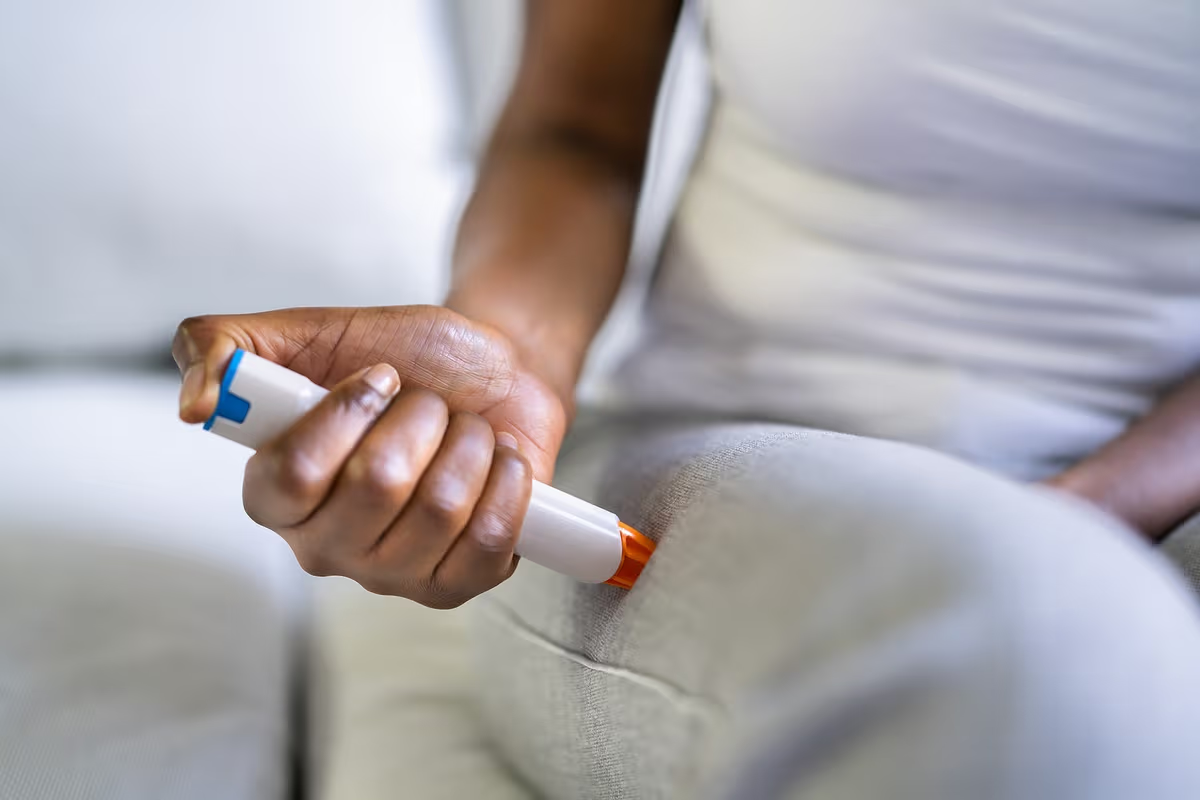
Knowing when anaphylactic reactions start is key to getting help fast. Anaphylaxis is a serious allergic reaction that can happen quickly after being exposed to something you’re allergic to. It’s important for doctors and people who might get it to know how fast it can start.
Immediate Reactions: The First Minutes After Exposure
Anaphylactic reactions start fast, often within minutes of being exposed to an allergen. About 70% of reactions to insect stings or injections start in 20 minutes, and 90% in 40 minutes. This shows how urgent it is to get medical help if you think you’re having an anaphylactic reaction.
When your body reacts to an allergen, it can release chemicals quickly. This can cause symptoms like trouble breathing, a fast heartbeat, and low blood pressure.
Progression of Symptoms Over Time
The reaction can get worse fast, leading to serious problems if not treated right away. Symptoms can start off mild but quickly get worse. This can vary from person to person, but usually follows a similar pattern.
|
Time After Exposure |
Typical Symptoms |
Severity |
|---|---|---|
|
0-5 minutes |
Mild symptoms: hives, itching |
Mild |
|
5-20 minutes |
Moderate symptoms: swelling, stomach cramps |
Moderate |
|
20-40 minutes |
Severe symptoms: difficulty breathing, rapid heartbeat |
Severe |
|
40+ minutes |
Life-threatening symptoms: anaphylactic shock |
Life-threatening |
Knowing this timeline helps spot anaphylaxis symptoms early and get treatment fast. Quick use of epinephrine is key to managing anaphylaxis and avoiding serious harm.
Factors Affecting How Quickly Anaphylaxis Develops
Knowing what affects anaphylaxis speed is key for good care. The timing and how bad anaphylaxis gets can change based on several things. These include the allergen type, how it gets into the body, how sensitive someone is, and their health.
Allergen Type and Exposure Route
The kind of allergen and how it gets into the body matter a lot. For example, food allergies might take longer to show up, sometimes up to 2 hours. But, anaphylaxis from insect stings or some medicines can happen fast.
- Food Allergens: Often result in slower onset, sometimes delayed up to 2 hours.
- Insect Stings: Can cause rapid onset, usually within minutes.
- Medications: May cause anaphylaxis quickly, when given through an IV.
Individual Sensitivity and Previous Exposures
How sensitive someone is to an allergen and their past exposures are very important. People with allergies or past anaphylaxis are more likely to have a quick reaction.
Key considerations include:
- History of previous anaphylactic reactions.
- Level of sensitivity to specific allergens.
- Presence of other allergic conditions, such as asthma.
Underlying Health Conditions
Health conditions can also change how fast anaphylaxis happens and how bad it is. For example, heart or lung diseases can make anaphylaxis worse and happen faster.
People with health issues need to know they’re at higher risk. They should have a plan for emergencies and carry an EpiPen or other epinephrine auto-injector if they need one.
Recognizing Mild Anaphylaxis and Its Progression Timeline
It’s important to spot the first signs of mild anaphylaxis to stop it from getting worse. Mild anaphylaxis can turn into a serious reaction. Knowing the early signs is key to acting fast.
Early Warning Signs of Mild Anaphylaxis
Mild anaphylaxis can look like other, less serious issues. Common early warning signs include:
- Skin reactions such as hives or itching
- Mild swelling, like on the face, lips, or tongue
- Gastrointestinal symptoms like nausea or stomach cramps
- A feeling of impending doom or anxiety
These symptoms can start right after being exposed to an allergen. Sometimes, they might take longer to show up. Knowing these signs is vital for quick action.
How Quickly Mild Reactions Can Escalate
Mild anaphylaxis can quickly turn into a life-threatening condition called anaphylactic shock. How fast this happens can vary a lot from person to person.
|
Time Frame |
Possible Symptoms |
|---|---|
|
Within minutes |
Increased severity of initial symptoms |
|
15-30 minutes |
Respiratory distress, significant drop in blood pressure |
|
1-2 hours |
Potential for anaphylactic shock, requiring immediate medical attention |
About 20% of cases experience rebound anaphylaxis. This is when symptoms come back after they seemed to get better. It shows why it’s important to keep watching after the first reaction.
Knowing how mild anaphylaxis can get worse and understanding rebound reactions can help a lot. Spotting the signs early and being ready can make a big difference in how well someone can be treated.
Food-Induced Anaphylaxis: A Different Timeline
Food-induced anaphylaxis is a unique challenge because it can start later. Unlike other allergens, food allergies might cause anaphylaxis after a while.
Why Food Allergies May Cause Delayed Reactions
Several factors lead to delayed onset of food-induced anaphylaxis. The digestion process is key, as it takes time for food to break down and be absorbed. Also, the type of food consumed can affect how long it takes for symptoms to show up. For example, fatty foods can slow digestion, which might delay anaphylaxis.
Another important factor is individual sensitivity. People’s immune systems react differently to allergens. This means some might have quick reactions, while others might take longer.
Common Timeline for Food-Related Anaphylaxis
The time it takes for food-related anaphylaxis to start can vary a lot. Symptoms can show up in minutes or up to several hours after eating. Usually, the worst reactions happen within 30 minutes to 2 hours after eating the allergenic food.
People with known food allergies should watch themselves closely after eating. Knowing the common timeline for food-related anaphylaxis helps manage the condition. It also helps in getting medical help quickly when needed.
Can Anaphylaxis Happen Slowly? Understanding Gradual Onset
Anaphylaxis doesn’t always start right away. Sometimes, it can start slowly. While most reactions happen within minutes, some take longer. This makes it hard to diagnose at times.
Atypical Presentation Patterns
Anaphylaxis can show up in many ways. Atypical presentation patterns might not be obvious at first. For example, stomach problems can be the first sign of an allergic reaction, often with food allergies.
Doctors need to know about these unusual signs to treat patients quickly. Anyone with strange or late symptoms should see a doctor, even if they have allergies.
Can Anaphylaxis Be Delayed by Days?
In rare cases, anaphylaxis can start hours after exposure. The idea of anaphylaxis being delayed by days is tricky. Usually, reactions don’t wait days, but some exceptions exist.
- Biphasic reactions, where symptoms come back after they first go away, can look like a delayed start.
- Some food allergies might seem delayed because of digestion and absorption times.
It’s key for both patients and doctors to understand these details. This helps in managing anaphylaxis, even when it doesn’t come on quickly.
Biphasic Anaphylaxis: Understanding Rebound Reactions
Biphasic anaphylaxis is a serious condition where symptoms come back after seeming to go away. It happens when the first signs of an allergic reaction get better, only to return hours later. This makes it hard to manage and requires careful attention to keep patients safe.
Causes of Symptoms Returning Hours Later
The reasons for biphasic anaphylaxis are not fully known. But several things might play a part:
- Incomplete resolution of initial symptoms: Sometimes, the first treatment doesn’t fully clear the reaction, leading to symptoms coming back.
- Delayed release of mediators: The first exposure to an allergen can cause a second wave of symptoms by releasing inflammatory mediators later.
- Inadequate initial treatment: Not getting enough or timely epinephrine can lead to biphasic reactions.
Knowing these factors helps doctors manage patients better and avoid rebound reactions.
Typical Timeframe for Biphasic Reactions
Biphasic reactions usually happen after a calm period of 1 to 8 hours. But, they can occur up to 24 to 38 hours later. This means patients need to be watched closely for a long time after anaphylaxis.
Important things to remember about the timeframe include:
- Most biphasic reactions happen within 4-8 hours after the first symptoms go away.
- Some studies show biphasic reactions can happen up to 38 hours after the first reaction.
- It’s very important to keep a close eye on patients during this time to catch and treat any returning symptoms early.
Understanding biphasic anaphylaxis and its timing helps doctors manage patients better. This can lower the chance of rebound reactions. Being alert and using the right treatment plans are key to dealing with this complex issue.
How Long Does an Anaphylactic Reaction Last?
Anaphylaxis can last different lengths of time, depending on the treatment. It’s a severe allergic reaction that needs quick medical help. Knowing how long it lasts is key to managing it well.
Duration of Untreated Anaphylaxis
Without treatment, anaphylaxis can get worse fast. Symptoms usually reach their peak in 3 to 30 minutes after they start. “Untreated anaphylaxis can lead to severe consequences, including respiratory failure, cardiac arrest, and even death,” which shows how urgent treatment is.
The time anaphylaxis lasts without treatment can vary. Symptoms can get worse quickly, often in just minutes after being exposed to the allergen. Sometimes, symptoms can come back after they seem to get better, known as a biphasic reaction.
Anaphylaxis Time Frame After Treatment
With epinephrine treatment, anaphylaxis can get better faster. Most people start to feel better in 5 to 10 minutes after getting epinephrine. But, some might need more doses or extra medical help.
Recovery time from anaphylaxis can differ. Some people get better quickly, while others might have lasting symptoms or a biphasic reaction. It’s important to keep an eye on symptoms after treatment to make sure they don’t come back.
Doctors say, “Even after successful treatment with epinephrine, patients should be observed for several hours to ensure that symptoms do not return.” This shows how important it is to watch over someone after they’ve been treated for anaphylaxis.
Emergency Response Timeline: Why Minutes Matter
Knowing the timeline for emergency response in anaphylaxis is key to saving lives. When anaphylaxis happens, the time for effective treatment is short. Quick action is essential.
Critical Time Windows for Epinephrine Administration
Administering epinephrine is a key part of treating anaphylaxis. The timing of this action is very important. Studies show that giving epinephrine early can greatly improve results. Prompt treatment with epinephrine can be the difference between life and death.
Doctors stress that quick epinephrine use is vital. “The sooner epinephrine is given, the better the chances of stopping anaphylaxis from getting worse.” This highlights the need for epinephrine auto-injectors for those at risk.
|
Timeframe |
Action |
Expected Outcome |
|---|---|---|
|
0-1 minute |
Recognize symptoms of anaphylaxis |
Early detection |
|
1-3 minutes |
Administer epinephrine |
Prevent progression |
|
3-30 minutes |
Seek medical attention |
Further treatment and monitoring |
Monitoring Period After Initial Treatment
After getting epinephrine, it’s important to watch closely. Biphasic reactions, where symptoms come back, can happen. So, keeping a close eye is key.
Guidelines say to watch patients for 4 to 6 hours after symptoms go away. This lets doctors act fast if symptoms come back, keeping the patient safe.
“The risk of biphasic reactions necessitates a cautious approach to managing anaphylaxis, with careful observation and readiness to respond to any recurrence of symptoms.”
In summary, the timeline for responding to anaphylaxis is very important. Understanding the need for quick epinephrine use and careful monitoring can save lives. This knowledge helps improve care for those with anaphylaxis.
Conclusion: Being Prepared for Anaphylaxis at Any Time
Being ready for anaphylaxis is key because it can happen suddenly and without warning. Knowing how long it takes for anaphylaxis to start is important for managing it well. We’ve looked at what can affect how fast anaphylaxis starts, like the type of allergen and how sensitive someone is.
Being prepared and knowing what to do is essential for handling anaphylaxis. We need to spot the early signs and act fast. An infographic on anaphylactic shock can help teach people about the symptoms and how to treat it.
In short, being ready for anaphylaxis means understanding it well and taking steps to prevent it. By staying informed and proactive, we can lower the risk of anaphylaxis and get help quickly if it happens.
FAQ
How soon after eating does anaphylaxis occur?
Anaphylaxis can start within minutes of eating something you’re allergic to. It usually happens between 20-30 minutes. But, it can vary based on the person and the allergen.
Can anaphylaxis be delayed by days?
Yes, anaphylaxis can sometimes be delayed. Symptoms might show up hours or even days later. But this is not as common.
How long do allergic reactions take to happen?
Allergic reactions, like anaphylaxis, can happen at different times. Some are quick, while others take longer. They can start in a few minutes or take hours or days.
How fast is anaphylaxis?
Anaphylaxis is a serious condition that can happen quickly. It needs immediate medical help. Symptoms can get worse fast, often in just minutes.
What is rebound anaphylaxis?
Rebound anaphylaxis, or biphasic anaphylaxis, is when symptoms come back after treatment. This can happen 4-8 hours later. It’s very serious and can be life-threatening.
How long does an anaphylactic reaction last?
How long an anaphylactic reaction lasts depends on how bad it is and the treatment. Untreated reactions can last days. But, with treatment, they usually get better in a few hours.
Can anaphylaxis happen slowly?
Yes, anaphylaxis can start slowly. This is more common with food allergies. Symptoms might not show up right away.
How long can anaphylaxis take to occur?
Anaphylaxis can happen at different times after exposure. It can start in minutes or take hours or days. The exact time depends on the person and the allergen.
What is the typical timeframe for biphasic reactions?
Biphasic reactions usually happen 4-8 hours after treatment. But, the exact time can vary. It’s important to watch closely during this time to catch any returning symptoms.
How long does anaphylaxis last after treatment?
After treatment, anaphylaxis usually gets better in a few hours. But, it’s important to keep an eye out for any signs of it coming back.
References
National Center for Biotechnology Information. Evidence-Based Medical Guidance. Retrieved from https://www.ncbi.nlm.nih.gov/pmc/articles/PMC7035180/