
A transient ischemic attack, often called a mini-stroke, may only last minutes. Yet, its effects on memory and thinking can last for months or years. Mini stroke memory loss is frightening. Learn the best recovery signs and vital rehabilitation steps to regain your mental clarity.
At Liv Hospital, our team focuses on the brain effects of TIAs. Studies show that 70 percent of those who have had a TIA face long-term thinking problems. These issues can make their lives much harder.
We want to look into how mini strokes affect memory loss. We’ll talk about the science and studies that show TIAs can harm our brains.
Key Takeaways
- TIAs can lead to significant cognitive decline, including memory loss and confusion.
- 70 percent of TIA survivors experience long-term cognitive difficulties.
- Research supports the link between TIAs and cognitive decline.
- Cognitive consequences of TIAs can persist for months or years.
- Patient-centered care is key for dealing with TIA’s brain effects.
Understanding Mini Strokes: What is a TIA?
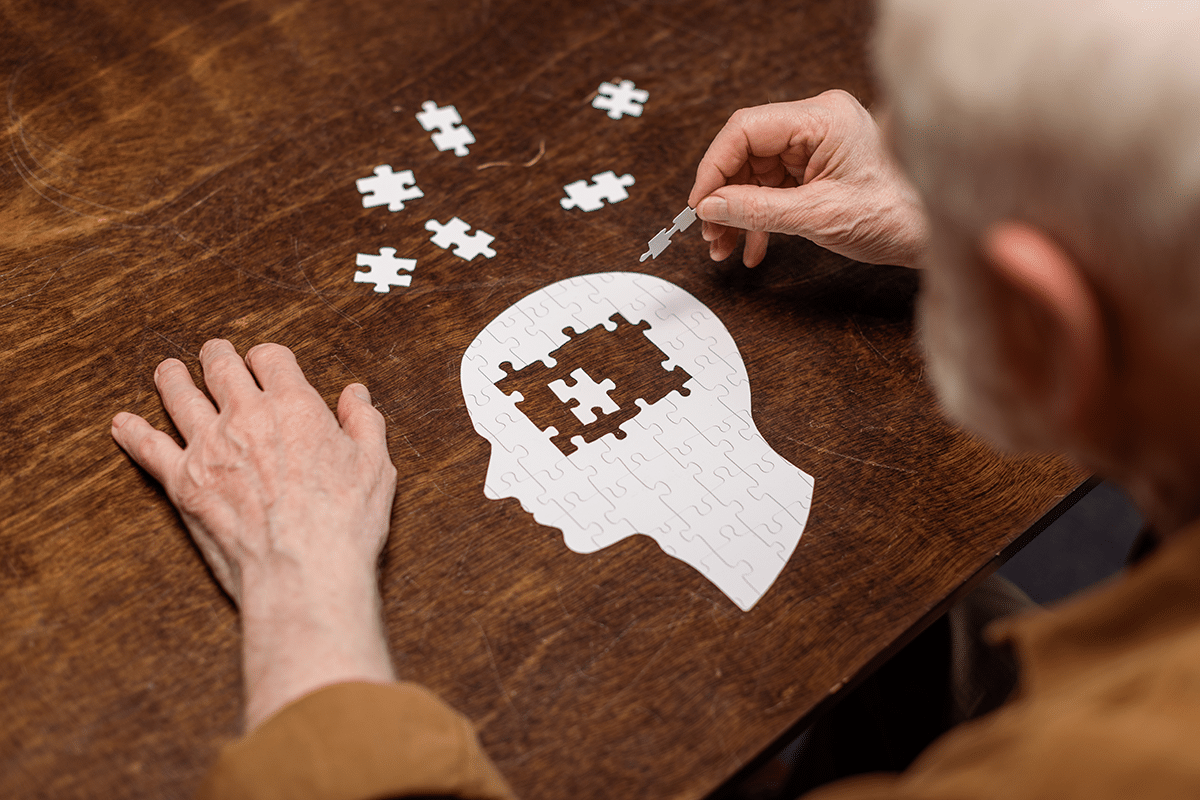
A mini stroke, or Transient Ischemic Attack (TIA), is a temporary condition that needs quick medical help. We’ll look at what TIAs are, how they work, and how they differ from major strokes.
Definition and Basic Mechanism
A TIA happens when the blood flow to part of the brain stops temporarily. This stoppage can cause symptoms like those of a stroke. But, unlike a major stroke, a TIA’s effects last less than 24 hours.
The main cause is a blockage or clot that reduces or stops blood flow. This can lead to transient ischemic attack memory loss and other brain problems.
TIAs are a big warning sign for a major stroke. Knowing the cause and spotting symptoms early is key to avoiding a worse stroke. Even though TIAs are temporary, they are very serious and need quick action.
Difference Between Mini Strokes and Major Strokes
The main difference between a TIA and a major stroke is how long symptoms last and the damage done. A TIA doesn’t cause permanent harm, but a major stroke can lead to lasting brain and body problems. Spotting TIA symptoms early can help prevent a major stroke and its risks, like tia memory loss.
Another important difference is the long-term effects. Having a TIA means you’re at higher risk for a major stroke later. So, it’s vital to understand and fix the reasons for TIAs to avoid more strokes and manage the risk of mini stroke and memory loss.
The Prevalence of Mini Strokes and Cognitive Issues

It’s important to understand how TIAs affect our brains. Mini strokes, or transient ischemic attacks (TIAs), are like warning signs for big strokes. But they also impact our thinking and memory.
Statistics on TIA Occurrence
TIAs happen more often than you might think. In the United States, 200,000 to 500,000 people have a TIA each year. These events can lead to major strokes and also affect our thinking.
Research shows that many TIA patients face cognitive problems. For example, a study found that nearly 38% of TIA patients showed clear thinking problems after their event.
Percentage of Patients Experiencing Cognitive Symptoms
After a TIA, patients can experience different thinking problems. These include:
- Memory loss
- Confusion
- Difficulty with concentration and attention
- Executive function impairment
Many patients face these thinking challenges. For instance, a study found that up to 50% of patients might see their thinking skills decline after a TIA.
“The occurrence of a TIA is not just a warning sign for a future stroke; it is also a marker of possible thinking decline.”Medical Expert, Neurologist
The connection between TIAs and thinking problems is complex. It depends on the TIA’s severity, the patient’s health, and other medical conditions.
Mini Stroke Memory Loss: The Scientific Evidence
Research shows that TIAs can cause lasting memory loss. Scientists are studying how this happens. They want to know how mini strokes affect our brains.
Hippocampal Atrophy Research
Studies found that TIA patients often have more hippocampal atrophy. This is linked to memory loss and brain decline. The hippocampus is key for making memories, and damage here can harm our thinking.
A study in a well-known medical journal found TIA patients had smaller hippocampal volumes. This was linked to poorer memory test results. It shows how important the hippocampus is for TIA patients.
Clinical Studies on Cognitive Function After TIAs
Many studies looked at how TIAs affect our brains. They checked memory, attention, and more. The results show TIA patients are more likely to lose cognitive skills, mainly memory.
- A review of studies found TIA patients were more likely to have cognitive problems.
- Another study found TIA patients were at higher risk for dementia. This highlights the need for ongoing care.
The science backs up the idea that TIAs can harm our brains. It’s important to understand these effects. This knowledge helps doctors treat TIA patients better.
How Mini Strokes Affect Brain Structure
It’s important to know how mini strokes affect the brain. A mini stroke, or transient ischemic attack (TIA), briefly stops blood flow to brain areas. This can harm memory and thinking skills.
Blood Flow Disruption and Neural Damage
When a TIA happens, brain cells don’t get enough oxygen and nutrients. This can cause damage right away. It might also affect how well we think later on.
Impact on Neural Tissue: Not getting enough blood can harm brain tissue. This can lead to problems with memory, focus, and other thinking skills.
Areas of the Brain Most Vulnerable to TIAs
Some brain areas are more at risk from TIAs. They need a lot of oxygen and nutrients. These areas are key for memory and thinking.
|
Brain Region |
Function |
Vulnerability to TIAs |
|---|---|---|
|
Hippocampus |
Memory Formation |
High |
|
Prefrontal Cortex |
Executive Function |
Moderate to High |
|
Temporal Lobe |
Processing Auditory Information |
Moderate |
TIAs can harm these brain areas. This can cause memory loss and confusion. Knowing this helps us manage and lessen the damage from mini strokes.
Types of Cognitive Problems After a TIA
After a TIA, people may face many cognitive challenges. These can change their life and how independent they are. It’s important to know and tackle these problems well.
Memory Deficits
Memory problems are common after a TIA. People might find it hard to remember new things, names, or tasks. Memory loss can make daily tasks hard.
Confusion and Disorientation
Confusion and getting lost in familiar places are also common. People might struggle to understand time and where they are. This can be very upsetting and may need help from others.
Executive Function Impairment
Executive function problems include planning, making decisions, solving problems, and controlling impulses. After a TIA, people might find these tasks hard. This can make it tough to handle daily tasks and make good choices.
It’s key to understand these cognitive challenges to help and support people. The table below shows the types of problems and how they can affect daily life.
|
Cognitive Problem |
Impact on Daily Life |
|---|---|
|
Memory Deficits |
Difficulty with daily tasks, remembering appointments |
|
Confusion and Disorientation |
Feeling lost in familiar places, trouble with time management |
|
Executive Function Impairment |
Challenges with planning, decision-making, and problem-solving |
Every person’s experience with cognitive problems after a TIA is different. So, it’s important to customize support and help to fit each person’s needs.
Attention and Concentration Issues Following Mini Strokes
After a TIA, people often struggle with paying attention and staying focused. These problems can make everyday tasks hard. They can also make it tough to stay independent.
6.8-fold Higher Odds of Attention Problems
Studies have found that people who had a TIA are 6.8 times more likely to have trouble focusing. This shows how important it is to find ways to help with these brain problems.
Having trouble focusing after a TIA can really affect someone’s life. It can make it hard to do daily tasks, keep a job, and connect with others. It’s key to spot and manage these problems early on to lessen their effects.
Impact on Daily Functioning
Problems with attention and focus after a TIA can really mess up daily life. Even simple tasks can be hard. And doing complex things might need extra help or special arrangements.
These changes can be really tough for both the person affected and their family. It’s vital to offer full support and advice. This helps people adjust to these changes and keep their quality of life good.
Understanding the challenges with attention and focus after a TIA helps us find solutions. We can use cognitive therapy, make lifestyle changes, and other tailored approaches. These help meet the individual’s specific needs.
Recognizing the Signs of Mini Stroke-Related Cognitive Decline
It’s key to spot the warning signs of mini stroke-related cognitive decline early. A transient ischemic attack (TIA), or mini stroke, can cause various cognitive symptoms. We’ll cover the main signs that suggest cognitive decline after a TIA. We’ll also stress the need to get medical help quickly.
Warning Signs to Watch For
There are several signs that might show cognitive decline after a mini stroke. These include:
- Sudden confusion or trouble understanding speech
- Memory problems, like forgetting recent events or new information
- Vision changes, like blurred vision, double vision, or vision loss in one eye
- Speech difficulties, such as slurred speech or trouble finding words
- Disorientation, feeling lost or having trouble understanding time or date
These symptoms can be different in how severe they are. They might not always be easy to notice right away. But knowing these signs can help people and their caregivers act fast.
When to Seek Medical Attention
If you or someone you know shows any of these signs, get medical help right away. Quick action can make a big difference. It can help prevent more cognitive decline.
Here’s why you should seek medical help:
- Preventing further strokes: A quick check can find and manage stroke risks.
- Addressing cognitive symptoms: Early treatment can ease symptoms and improve life quality.
- Reducing long-term impact: Quick medical care can lessen the lasting effects of a TIA on thinking skills.
We stress the importance of watching for TIA-related cognitive decline signs and acting fast. This way, people can get the right care and support to manage their condition well.
Diagnosing Cognitive Impairment After a TIA
Diagnosing cognitive issues after a TIA is complex. We use many tools and imaging methods. This helps us understand how much thinking ability has been lost and what treatment is best.
Cognitive Assessment Tools
Cognitive tests are key in spotting thinking problems after a TIA. They check memory, attention, and how well you can plan and organize.
- Montreal Cognitive Assessment (MoCA): A widely used test that assesses different cognitive domains.
- Mini-Mental State Examination (MMSE): Another commonly used tool for evaluating cognitive status.
- Trail Making Test: Assesses executive function and cognitive flexibility.
These tests give us important info on how well a patient thinks. They help us see where thinking skills might be weak.
|
Cognitive Assessment Tool |
Description |
|---|---|
|
MoCA |
Evaluates various cognitive domains including memory and attention. |
|
MMSE |
Assesses cognitive status, including arithmetic, memory, and orientation. |
|
Trail Making Test |
Tests executive function and cognitive flexibility. |
Brain Imaging and Other Diagnostic Procedures
Brain scans are very important in finding thinking problems after a TIA. MRI and CT scans show changes in the brain that might affect thinking.
A study in the Stroke journal says MRI is better than CT for finding brain damage. It gives detailed info on brain damage.
“The use of advanced brain imaging techniques has revolutionized the diagnosis and management of cognitive impairment after TIA, enabling healthcare providers to make more informed decisions about patient care.”Medical Expert, Neurologist
We also use EEG and carotid ultrasound. These tests check brain activity and blood flow in the neck.
By using cognitive tests, brain scans, and other tests, we can accurately find thinking problems after a TIA. Then, we can create a good treatment plan.
Treatment Options for TIA-Related Memory Loss
A TIA can really affect your memory, but there are ways to help. Treatment often includes medicine, cognitive therapy, and lifestyle changes. These steps can make a big difference in how you feel and live.
Medical Interventions
Medical treatments are key in managing memory loss from a TIA. They aim to prevent more strokes and treat conditions that harm your brain.
- Antiplatelet Therapy: Medicines like aspirin or clopidogrel stop blood clots that could lead to another stroke.
- Anticoagulants: For those at risk of blood clots, like those with atrial fibrillation, anticoagulants like warfarin or NOACs are used.
- Blood Pressure Management: Keeping blood pressure in check through diet and medicine lowers stroke risk.
- Cholesterol-Lowering Medications: Statins help manage high cholesterol, a stroke risk factor.
Cognitive Rehabilitation
Cognitive rehab is a program to help you regain lost brain function. It’s customized to fit your needs. It might include:
- Memory Strategies: Using tools like calendars and reminders to boost memory.
- Attention and Concentration Exercises: Activities to improve focus and attention.
- Problem-Solving and Organizational Skills: Training to enhance daily functioning and executive function.
This rehab is led by a team of experts, including neurologists, psychologists, and occupational therapists.
Lifestyle Modifications
Making lifestyle changes is vital to prevent more TIAs and keep your brain healthy. Important changes include:
|
Lifestyle Change |
Description |
Benefit |
|---|---|---|
|
Dietary Changes |
Eating a Mediterranean diet full of fruits, veggies, whole grains, and healthy fats. |
Reduces stroke risk and supports heart health. |
|
Regular Exercise |
Doing moderate exercise, like brisk walking, for 150 minutes a week. |
Boosts heart health and brain function. |
|
Smoking Cessation |
Quitting smoking with help from groups, therapy, or nicotine replacement. |
Greatly lowers stroke and heart disease risk. |
|
Stress Management |
Using stress-reducing activities like meditation, yoga, or deep breathing. |
Helps control blood pressure and improves well-being. |
By using these treatments, people who’ve had a TIA can improve their memory, lower stroke risk, and live better.
The Link Between TIAs and Dementia Risk
A TIA is more than a warning for a stroke; it also raises the risk of dementia. This shows why it’s key to watch over brain health after a TIA.
Studies show that people who have had a TIA are more likely to get dementia. In fact, 5.2% of TIA patients develop dementia within one year after it happens. This number shows how important it is to keep a close eye and act fast.
5.2% Dementia Development Within One Year
Dementia after a TIA is a big worry. The 5.2% rate within one year shows the serious brain risks from TIAs. It’s a clear sign that doctors need to watch for brain problems closely.
3.5 Standardized Morbidity Ratio for Dementia
Also, the standardized morbidity ratio (SMR) for dementia after a TIA is 3.5. This means there’s over three times the risk of getting dementia compared to others. This risk is something both patients and doctors need to think about.
The connection between TIAs and dementia risk is complex. Several things play a part in this increased risk, including:
- Vascular risk factors that lead to both TIAs and dementia.
- Underlying vascular pathology that might not be fully treated after a TIA.
- Cognitive reserve and how well the brain can handle age or damage.
Knowing these factors helps us find ways to lower dementia risk after a TIA. Doctors should keep these points in mind when caring for patients after a TIA.
By understanding the link between TIAs and dementia, we can improve patient care. This means not just dealing with vascular risks but also helping patients with brain health through rehabilitation.
In summary, the connection between TIAs and dementia is important. With a 5.2% dementia rate within one year and a 3.5 SMR for dementia, TIAs have big implications for brain health. We must focus on watching and helping patients to keep their brains healthy.
Living with Post-TIA Cognitive Changes
After a TIA, it’s important to understand and deal with cognitive changes. These changes can affect daily life and well-being. We’ll look at ways patients can cope and offer support for families and caregivers.
Coping Strategies for Patients
Patients can use several strategies to manage cognitive changes after a TIA. These include:
- Cognitive Training: Programs that improve memory, attention, and executive function.
- Lifestyle Modifications: A healthy lifestyle, including exercise, a balanced diet, and stress management, supports cognitive health.
- Compensatory Strategies: Using aids like memory calendars and reminders helps manage daily tasks.
A healthcare professional notes, “These strategies can greatly improve life quality for those post-TIA.”
“Managing cognitive changes after a TIA requires a mix of medical treatment, lifestyle changes, and support systems.”
Support Resources for Families and Caregivers
Families and caregivers are key in supporting TIA patients. The right resources can greatly help in providing care.
|
Resource |
Description |
Benefit |
|---|---|---|
|
Support Groups |
Groups where caregivers can share experiences and receive support. |
Emotional support and practical advice. |
|
Caregiver Training |
Programs that educate caregivers on managing cognitive changes. |
Enhanced caregiving skills. |
|
Respite Care |
Temporary care that gives caregivers a break. |
Reduced caregiver burnout. |
Using these resources, families and caregivers can support their loved ones and themselves better. This helps navigate the challenges of post-TIA cognitive changes.
Conclusion
Our look into TIAs and cognitive decline shows how these events affect memory and thinking. TIAs have a big impact on our brain health. This shows how important it is to keep our blood vessels healthy.
TIAs can cause problems with memory, confusion, and how we make decisions. It’s clear we need quick medical help to lessen these effects. This helps protect our brain from further damage.
Knowing the signs of a mini stroke and getting help fast can prevent lasting brain damage. Also, working on our brain and changing our lifestyle helps manage TIA’s effects. This is key to keeping our brain sharp.
As we learn more about TIAs and dementia, it’s clear that knowing and acting fast is vital. We must focus on top-notch healthcare and support for those with TIAs. This is how we help our brain stay healthy.
FAQ
Can a mini stroke cause memory loss?
Yes, a mini stroke, also known as a Transient Ischemic Attack (TIA), can cause memory loss. Research has shown that TIAs can lead to cognitive decline, including memory deficits.
What is the difference between a mini stroke and a major stroke?
A mini stroke, or TIA, is a temporary disruption in blood flow to the brain. A major stroke is a more prolonged disruption that can cause lasting damage. While TIAs are temporary, they can cause cognitive effects.
How common are cognitive problems after a TIA?
Cognitive problems after a TIA are relatively common. Studies have shown that a significant percentage of patients experience cognitive symptoms, including memory loss, confusion, and executive function impairment.
Can TIAs cause long-term cognitive decline?
Yes, TIAs can contribute to long-term cognitive decline. Research has linked TIAs to an increased risk of dementia, and studies have shown that cognitive decline can persist after a TIA.
What are the warning signs of TIA-related cognitive decline?
Warning signs of TIA-related cognitive decline include sudden confusion, speech difficulties, vision changes, and memory loss. If you or someone you know is experiencing these symptoms, seek medical attention immediately.
How is cognitive impairment diagnosed after a TIA?
Cognitive impairment after a TIA is diagnosed using a combination of cognitive assessment tools and brain imaging techniques. These help healthcare professionals understand the extent of cognitive decline and guide treatment decisions.
What treatment options are available for TIA-related memory loss?
Treatment options for TIA-related memory loss include medical interventions, cognitive rehabilitation, and lifestyle modifications. These approaches can help improve cognitive function, enhance quality of life, and reduce the risk of further cognitive decline.
Can a TIA increase the risk of dementia?
Yes, a TIA can increase the risk of dementia. Studies have shown that patients who experience a TIA are at a higher risk of developing dementia, with some research indicating a significant percentage of patients developing dementia within a year after a TIA.
How can patients cope with post-TIA cognitive changes?
Patients can cope with post-TIA cognitive changes by using coping strategies such as memory aids, staying organized, and seeking support from families and caregivers. A supportive environment is key in managing cognitive decline and improving quality of life.
What is the impact of TIAs on brain structure?
TIAs can cause temporary disruptions in blood flow to the brain, leading to neural damage. Areas of the brain most vulnerable to TIAs include those responsible for memory and cognitive function.
Are there any lifestyle changes that can help reduce the risk of cognitive decline after a TIA?
Yes, lifestyle modifications such as regular exercise, a balanced diet, stress management, and getting enough sleep can help reduce the risk of cognitive decline after a TIA.
Reference
National Center for Biotechnology Information. Evidence-Based Medical Guidance. Retrieved from https://www.ncbi.nlm.nih.gov/pmc/articles/PMC7186464/[2