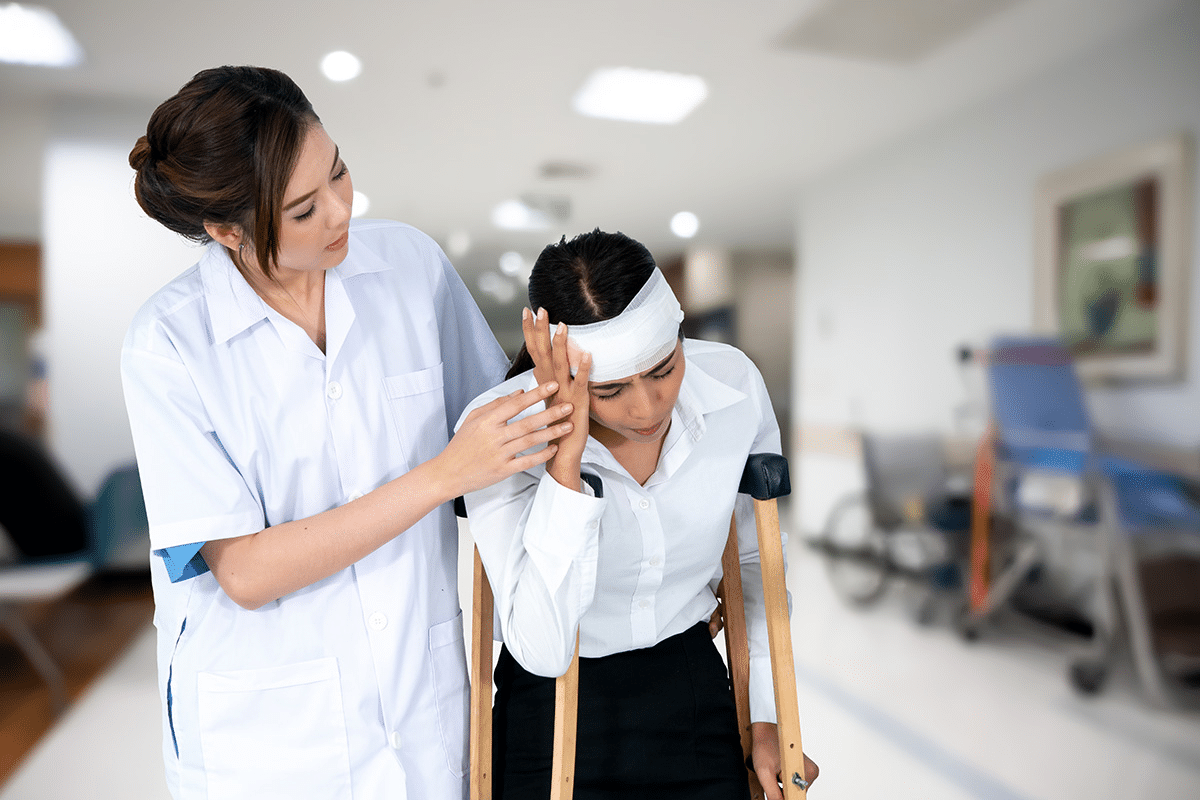
Brain damage is a big problem worldwide, affecting millions every year. It happens through accidents, strokes, and other injuries. Recovery is possible with the right care.
New studies show good news for those recovering. About 98% of people with mild brain injuries can live on their own a year later. Almost half of them get back to full health.
At Liv Hospital, we use the latest in neurorehabilitation. We focus on each patient, giving them the best care to regain their independence.
Key Takeaways
- Comprehensive care is key for brain damage recovery.
- 98% of those with mild brain injuries can live independently in a year.
- Good medical care and rehab lead to better recovery.
- Liv Hospital offers top neurorehabilitation and patient-focused care.
- Nearly half of mild brain injury patients can fully recover.
Understanding Brain Damage and Its Impact
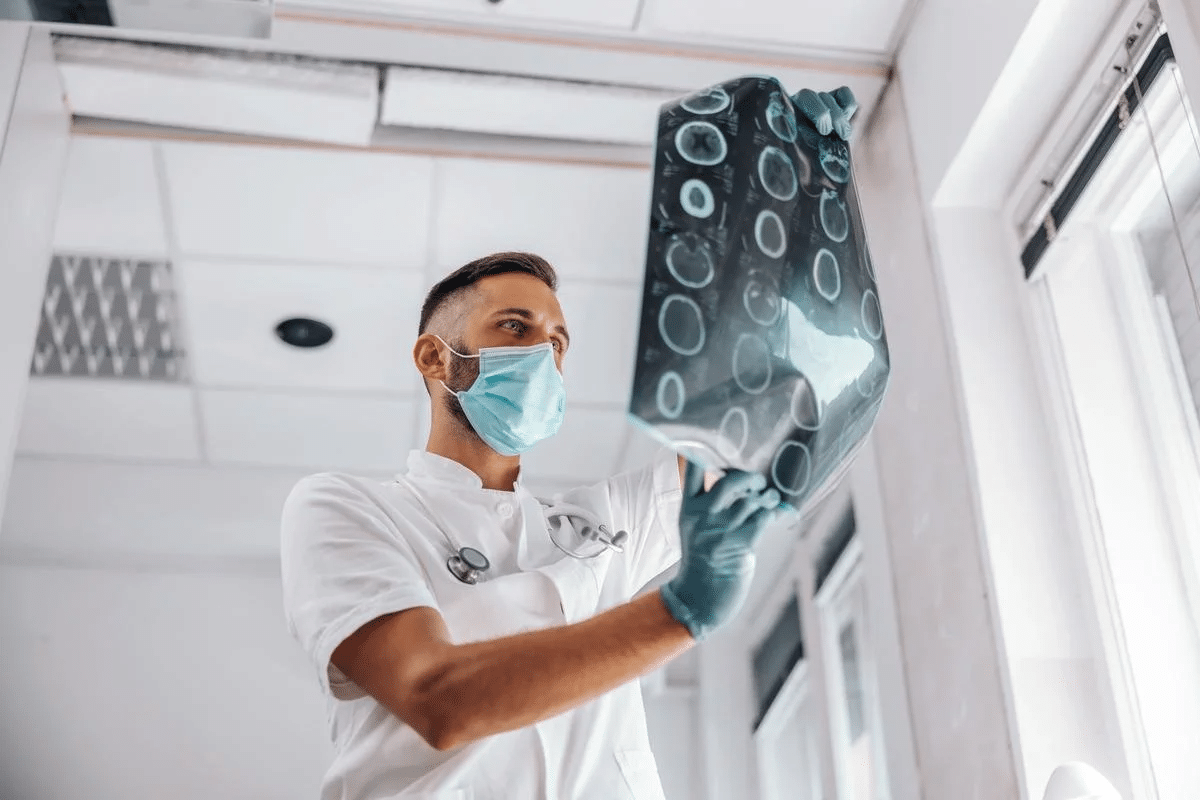
It’s key to grasp the complexities of brain damage to craft effective recovery plans. Brain damage, or cerebral damage, can stem from many sources like head injuries, strokes, and infections. Such damage can deeply affect a person’s life, impacting their physical, cognitive, and emotional health.
Types of Brain Injuries and Their Effects
Brain injuries fall into different types based on cause and severity. Traumatic Brain Injuries (TBI) happen due to outside forces, like falls or car crashes. They can cause immediate and lasting problems with thinking, feeling, and physical abilities. Stroke, another major cause, happens when brain blood flow stops, either by blockage or vessel rupture.
The effects of these injuries can differ a lot. For example, TBI might lead to confusion, memory loss, and trouble focusing. Stroke survivors might face paralysis, speech issues, and brain function problems.
Common Causes of Cerebral Damage
Cerebral damage can come from many sources. Traumatic injuries are a big reason, but infections, aneurysms, and toxic exposures can also cause brain damage. Knowing these causes is vital for prevention and creating treatment plans that fit each person’s needs.
“The brain is a complex organ, and its response to injury can vary greatly from one individual to another.”
How Severity Affects Recovery
The severity of brain damage greatly influences recovery chances. Generally, milder injuries have a better outlook than severe ones. Recovery paths vary based on injury severity, health, age, and access to rehab services. Serious head injuries need quick medical care and can show symptoms like eye marks, confusion, and balance issues.
- Severity of the injury
- Individual’s overall health
- Age of the individual
- Access to rehabilitation services
The Science of Neuroplasticity and Recovery
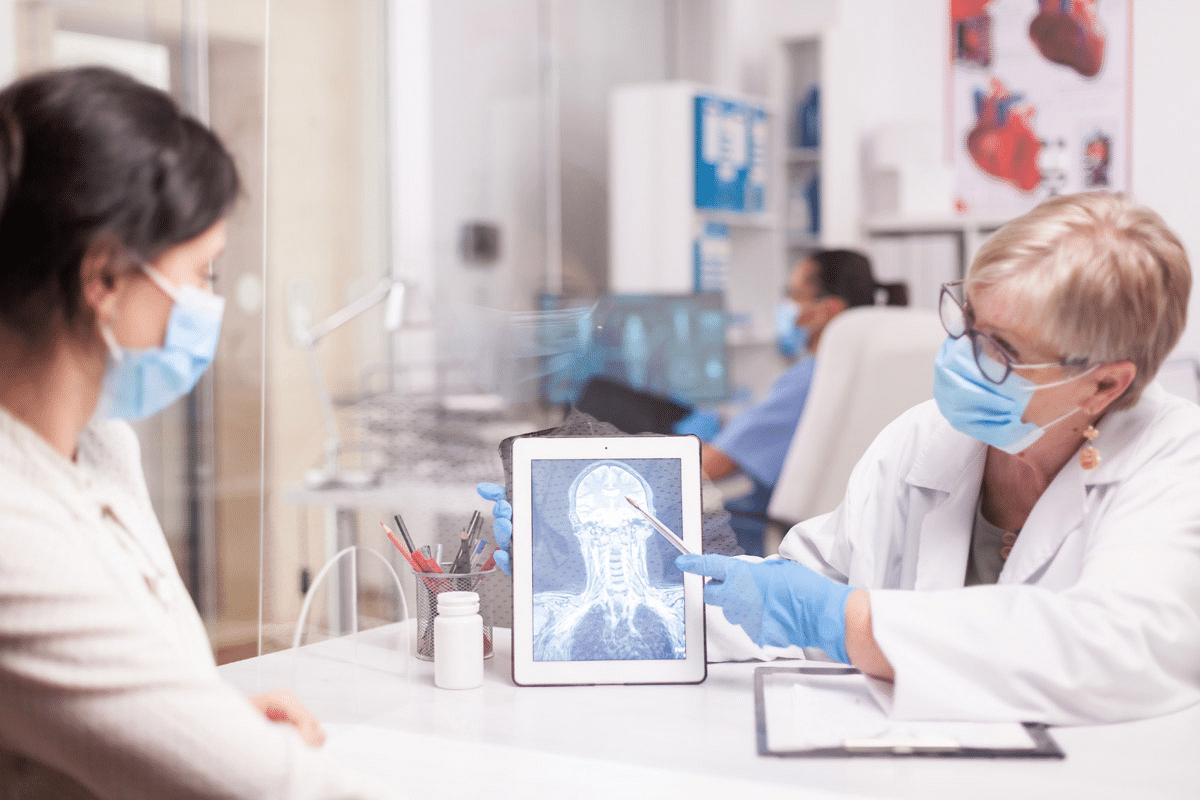
Neuroplasticity is the brain’s amazing ability to change and heal. It shows us how people can get back lost skills after brain damage. This idea changes the old belief that our brains can’t change after a certain age.
“The brain’s ability to reorganize itself is a powerful tool in the recovery process,” says a leading neuroscientist.
“Neuroplasticity allows the brain to compensate for damaged areas by forming new neural connections, effectively rewiring itself to regain lost functions.”
How the Brain Heals and Rewires Itself
The brain can make new paths and strengthen old ones through neuroplasticity. When damage happens, some connections might break. But, the brain can find new ways to work around these problems with the help of therapy.
Key mechanisms involved in neuroplasticity include:
- Synaptic plasticity: The strengthening or weakening of connections between neurons.
- Neurogenesis: The growth of new neurons in certain parts of the brain.
- Functional reorganization: The brain’s ability to shift functions from damaged areas to healthy ones.
Key Factors That Influence Recovery
Many things can affect how well someone recovers from brain damage. These include how bad the injury is, the person’s health, age, and how quickly and well they get medical help.
Age is a big factor, as younger people can usually recover more. But, it’s important to remember that everyone can improve with the right care and therapy, no matter their age.
Setting Realistic Recovery Expectations
Knowing what can affect recovery is key to having the right expectations. Some people might get better fast, while others might take longer. It’s important to work with doctors to make a plan that’s just right for you.
Studies show that over 40% of people with severe brain injuries can learn to do things on their own again. This shows how important patience, hard work, and good care are in getting better.
Immediate Steps After Diagnosis
Knowing what to do right after finding out you have brain damage is key to getting better. The time right after diagnosis is very important. Having a clear plan can really help you on your way to healing.
Assembling Your Medical Team
Getting a team of healthcare experts is important for full care. Your team might include neurologists, rehab specialists, and physical therapists. A healthcare provider can check your injury, tell you what to expect, and make a treatment plan just for you.
To get your team, start with your primary care doctor. They can send you to the right specialists. It’s important to choose people who know how to treat brain damage.
Understanding Your Personalized Treatment Plan
After you have your team, they will make a plan just for you. This plan will tell you what you need to do to get better. It’s important to understand your plan and ask questions if you don’t get something.
|
Component |
Description |
Benefit |
|---|---|---|
|
Neurological Assessment |
Evaluation of brain function and damage extent |
Guides treatment plan development |
|
Rehabilitation Therapy |
Physical, occupational, and speech therapy |
Improves functional abilities and independence |
|
Medication Management |
Use of medications to manage symptoms and support recovery |
Enhances overall recovery and quality of life |
Preparing Yourself and Your Environment
Getting ready for your recovery is very important. This means making your home safe and accessible. It also means having a good support system. Having a good environment can really help your recovery.
By taking these steps right after diagnosis, you can start your recovery on the right path. Getting the right team, understanding your plan, and preparing your home are all key to a good recovery.
Physical Rehabilitation Strategies
Physical rehabilitation is key to recovering from brain damage. It helps patients regain lost motor skills and adjust to any lasting physical issues. We create a personalized recovery plan for each patient, based on their specific needs.
Essential Motor Skills Recovery Exercises
Getting back motor skills is vital in physical rehab. We suggest various exercises, depending on the patient’s condition. These include:
- Range of motion exercises to keep flexibility
- Strengthening exercises to build muscle
- Task-specific training to learn daily tasks again
These exercises are tough but doable. They help patients make steady progress in their recovery.
Balance and Coordination Training Techniques
Brain damage often affects balance and coordination. Our rehab programs include:
- Balance training on different surfaces and conditions
- Coordination exercises like tai chi or specific physical therapy routines
- Gait training to improve walking and stability
These methods help patients feel more confident in their movements. They also lower the chance of falls.
Adapting to and Managing Physical Limitations
Recovery is important, but so is learning to live with any lasting physical issues. We help patients:
- Understand their physical strengths and weaknesses
- Find ways to live daily life with their condition
- Use assistive devices and technology to stay independent
By focusing on both recovery and adaptation, we aim to improve patients’ quality of life.
Cognitive Rehabilitation Techniques
Cognitive rehabilitation helps people regain lost brain functions. It uses strategies and exercises to boost memory, attention, and problem-solving skills.
Memory Enhancement and Retention Strategies
Improving memory is key in cognitive rehab. Techniques include:
- Using mnemonic devices to aid in memory recall
- Implementing memory journals or diaries
- Engaging in memory games and puzzles
- Repeating information out loud or to oneself
These methods help those with brain damage remember and recall better.
Attention and Concentration Building Exercises
Brain damage can affect attention and concentration. Exercises to improve these include:
- Focusing on a single task for extended periods
- Using attention-training software or apps
- Engaging in activities that require sustained attention, such as reading or puzzles
- Minimizing distractions during tasks
These exercises help regain focus and concentration.
Problem-Solving and Executive Function Training
Training in problem-solving and executive functions is vital for independence. Techniques involve:
- Breaking down complex tasks into simpler steps
- Using decision-making frameworks
- Engaging in activities that challenge executive functions, such as planning and organizing
- Utilizing cognitive training apps or software
These strategies improve problem-solving and daily task management.
By using these cognitive rehab techniques, individuals with brain damage can greatly enhance their cognitive abilities and quality of life.
Speech and Language Recovery Methods
Recovering from brain damage means getting back to talking and understanding others. Speech and language therapy are key to this. They help people connect with family and friends again.
Addressing Different Types of Communication Challenges
Brain damage can cause many communication problems. Speech therapy is designed to tackle these issues. It helps each person overcome their unique challenges.
- Speech disorders might make it hard to speak clearly or smoothly.
- Language disorders can make it tough to understand or speak.
- Cognitive-communication disorders affect how we process and remember information.
Effective Speech Therapy Approaches
Speech therapy plans are made just for each person. Evidence-based practices include:
- Strategies to help around communication problems.
- Methods to improve language skills.
- Augmentative and Alternative Communication (AAC) for severe cases.
A leading speech-language pathologist says, “A detailed assessment and a custom treatment plan are key to success.”
“Speech and language therapy can greatly improve life for those with brain damage. It helps them communicate better.”— Speech-Language Pathology Association
Alternative Communication Systems and Tools
There are also other ways to help with communication. These include:
|
Tool/System |
Description |
|---|---|
|
Picture Communication Symbols |
Using images to convey messages. |
|
Electronic Devices |
Devices that produce speech or text. |
|
Communication Boards |
Boards with letters, words, or symbols. |
Using speech therapy with these tools can help people find new ways to communicate. This way, they can regain their independence.
Emotional and Psychological Healing Process
The journey to recovery from cerebral damage is not just about the body. It also involves healing the mind and emotions. Understanding the importance of emotional and psychological well-being is key to recovery.
Managing Depression, Anxiety, and Mood Changes
Depression, anxiety, and mood swings are common for those recovering from cerebral damage. Effective management is vital for a successful recovery. We suggest a mix of medication, therapy, and lifestyle changes to manage these issues.
Creating a routine with regular exercise, a balanced diet, and enough sleep is important. Relaxation techniques like meditation, deep breathing, or yoga can help reduce stress and anxiety.
Coping with Personality and Behavioral Changes
Cerebral damage can cause changes in personality and behavior. These changes can be tough for both the person and their loved ones. Understanding and acceptance are key to coping with these changes. We encourage open communication and seeking professional help.
Family and friends are essential in the recovery journey. Teaching them about the possible changes and how to support their loved one can greatly help.
Building Emotional Resilience and Acceptance
Building emotional resilience is a vital part of healing. It involves learning coping strategies and accepting the new reality. Support groups offer a place to share experiences and learn from others facing similar challenges.
Acceptance is not about giving up; it’s about acknowledging the situation and focusing on what can be changed. We help individuals develop a positive outlook and find ways to rebuild their identity and purpose.
Nutrition and Lifestyle Factors for Neuro Damage Recovery
The journey to recover from brain injury involves making smart choices in nutrition and lifestyle. Our daily habits and what we eat play a big role in how well our brain heals.
“The food we eat can either nourish or harm our brain cells,” experts say. Eating foods that are good for the brain is key. We focus on foods with antioxidants, omega-3 fatty acids, and other nutrients that help the brain.
Brain-Boosting Foods and Nutritional Supplements
Choosing the right foods can greatly help in our recovery. Foods like fatty fish, nuts, and leafy greens are full of nutrients that support brain health. Supplements like omega-3 fatty acids, vitamin D, and B vitamins can also help fill any nutritional gaps.
- Fatty Fish: Rich in omega-3 fatty acids, which support brain function and recovery.
- Nuts and Seeds: High in antioxidants and healthy fats that promote neural health.
- Leafy Greens: Packed with vitamins and minerals that support overall brain function.
Sleep Optimization Strategies for Neural Healing
Getting enough sleep is key for brain recovery. It lets the brain heal and repair itself. To sleep well, keep a regular sleep schedule, create a sleep-friendly environment, and avoid stimulants before bed.
“Sleep is the golden chain that ties health and our bodies together,” as aptly put by Thomas Dekker. Ensuring we get quality sleep is essential for our overall recovery.
Exercise Protocols That Enhance Brain Recovery
Exercise is also vital for recovery. It boosts blood flow to the brain, improves cognitive function, and supports neural health. We suggest a mix of aerobic exercises, strength training, and flexibility exercises.
- Aerobic Exercises: Activities like walking, cycling, or swimming that improve cardiovascular health.
- Strength Training: Resistance exercises that help build muscle and enhance overall physical function.
- Flexibility Exercises: Stretching and yoga that improve flexibility and reduce the risk of injury.
By combining a balanced diet, good sleep, and regular exercise, we can support our brain’s recovery from neuro damage effectively.
Assistive Technologies and Adaptive Strategies
Adaptive strategies and assistive technologies are key for brain damage recovery. They help make people safer and more independent. This supports them on their recovery path.
Home Modifications for Safety and Independence
Changing the home is important for safety and independence. Simple changes can make a big difference.
- Installing handrails and non-slip mats in bathrooms
- Improving lighting to reduce fall risks
- Rearranging furniture for easier navigation
- Using smart home devices to control lighting and temperature
Digital Tools and Apps for Cognitive Support
Digital tools and apps offer great cognitive support. They help with memory, attention, and more.
- Memory aids such as reminder apps and digital calendars
- Cognitive training apps designed to improve attention and memory
- Communication apps for individuals with speech difficulties
These digital solutions can be customized for each person. They provide personalized support.
Mobility Aids and Daily Living Assistive Devices
Mobility aids and daily living assistive devices are vital for those with physical limitations. They help with movement and daily tasks.
- Wheelchairs and walkers for mobility support
- Adaptive utensils and tools for daily tasks
- Personal care devices such as shower chairs and commodes
By using these assistive technologies and strategies, people with brain damage can live more independently. They can also enjoy a better quality of life.
Building a Comprehensive Support System
Recovering from brain damage is not just about medical care. It also needs a strong support system. A good support network helps with both emotional and practical needs during recovery.
Family Education and Effective Involvement
Teaching family about brain damage effects and involving them in recovery is key. Family education helps them understand the patient’s challenges. This creates a more supportive environment.
Being involved means knowing what the patient needs, helping with exercises, and giving emotional support. This helps the patient recover and also supports family members.
Finding and Engaging with Support Groups
Support groups are vital for recovery, providing a space to share and learn from others. Engaging with support groups offers emotional support and practical advice.
You can find these groups at local hospitals, rehab centers, or online. Joining them makes individuals feel less alone and more supported in their recovery.
Working Collaboratively with Caregivers
Caregivers are key in daily support for those recovering from brain damage. Working collaboratively with caregivers ensures the patient gets the right care.
This means teaching caregivers about the patient’s needs and plans. It also helps caregivers manage their tasks well.
Creating a strong support system with family education, support groups, and teamwork with caregivers helps those recovering from brain damage. It makes their journey smoother.
Overcoming Recovery Plateaus and Setbacks
Breaking through recovery plateaus means understanding their causes and using effective strategies. Recovery from neuro damage is complex, and hitting obstacles is normal. We’ll look at how to spot when progress stalls, proven ways to get moving again, and when to change your recovery plan.
Recognizing Signs of Progress Stagnation
Spotting a plateau in your recovery can be tough, as progress might seem slow or hard to see. Yet, some signs show if you’re not getting better, like not improving in motor skills or thinking. Getting regular checks from your healthcare team is key to catching these signs early.
It’s also vital to keep an eye on your own progress and share any worries or frustration with your healthcare team. They can tell if you’ve hit a plateau or if something else is going on.
“The greatest glory in living lies not in never falling, but in rising every time we fall.” – Nelson Mandela
Evidence-Based Strategies to Restart Recovery Momentum
When you hit a plateau, there are ways to get moving again. One good move is to change your rehab program to challenge you in new ways. This might mean switching up your physical therapy or adding new brain training exercises.
- Trying new technologies or assistive devices can also help.
- Changing your diet and sleep can support your brain healing and recovery.
- Joining support groups can offer emotional support and practical tips from others facing similar challenges.
|
Strategy |
Description |
Potential Benefits |
|---|---|---|
|
Modifying Rehabilitation Programs |
Changing the intensity or type of therapy |
Increased challenge and engagement |
|
Nutritional Adjustments |
Optimizing diet for neural recovery |
Enhanced healing and energy |
|
Assistive Technologies |
Using devices to aid in daily tasks and cognitive support |
Increased independence and cognitive function |
When and How to Adjust Your Recovery Plan
Changing your recovery plan is a big step to beat plateaus. This should be done with your healthcare team, who can check your progress and suggest changes based on your needs and challenges.
Regular checks are key to make sure your recovery plan keeps working for you. Being proactive and flexible helps you overcome hurdles and keep moving forward in your recovery.
Conclusion: Living Your Best Life After Brain Damage
Recovering from brain damage is a long journey. It needs patience, dedication, and the right support. We’ve looked at how to deal with brain damage, from understanding its effects to making lifestyle changes.
With the right care, people can make big strides in their recovery. They can regain their independence and enjoy activities they love. By using effective strategies, they can face challenges and live a fulfilling life.
We want to help people take charge of their recovery. With the right mindset and resources, living after brain damage can be full of purpose and joy.
FAQ
What is the first step in recovering from brain damage?
First, understand the type and severity of brain damage. This helps choose the right treatment. It’s also important to have a team of doctors, including neurologists and rehab specialists.
How does neuroplasticity contribute to brain damage recovery?
Neuroplasticity lets the brain make new connections. This helps it heal and adapt after damage. It’s a key part of recovery.
What factors influence recovery after cerebral damage?
Age, health, and injury severity all play a role. Knowing these factors helps set realistic goals for recovery.
What are the essential components of a personalized treatment plan for brain damage?
A good plan includes physical and cognitive rehab. It also covers speech, emotional, and psychological support. Each part is tailored to the person’s needs.
How can physical rehabilitation strategies support recovery from brain damage?
Physical rehab helps regain motor skills and balance. It helps people adapt to physical changes and improves function.
What is cognitive rehabilitation, and how does it help?
Cognitive rehab helps regain lost brain functions. It includes memory and problem-solving training. It aims to improve thinking skills.
How can assistive technologies and adaptive strategies enhance independence?
Tools like home mods and digital aids boost safety and independence. They support both brain and body recovery.
Why is building a support system important for recovery?
A strong support system is key. It includes family, groups, and caregivers. It helps navigate recovery and improve life quality.
How can nutrition and lifestyle factors impact brain damage recovery?
Eating right, sleeping well, and exercising are vital. Foods and supplements help the brain heal.
What are some signs of progress stagnation, and how can they be addressed?
Watch for signs like no improvement in skills. Use proven strategies and adjust plans to keep recovery moving.
Reference
Gao, Z., Pang, Z., Chen, Y., Lei, G., Zhu, S., Li, G., Shen, Y., & Xu, W. Restoring After Central Nervous System Injuries: Neural Mechanisms and Translational Applications of Motor Recovery. Neuroscience Bulletin. 2022 Nov 4;38(12):1569–1587. Retrieved from https://pmc.ncbi.nlm.nih.gov/articles/PMC9723055/