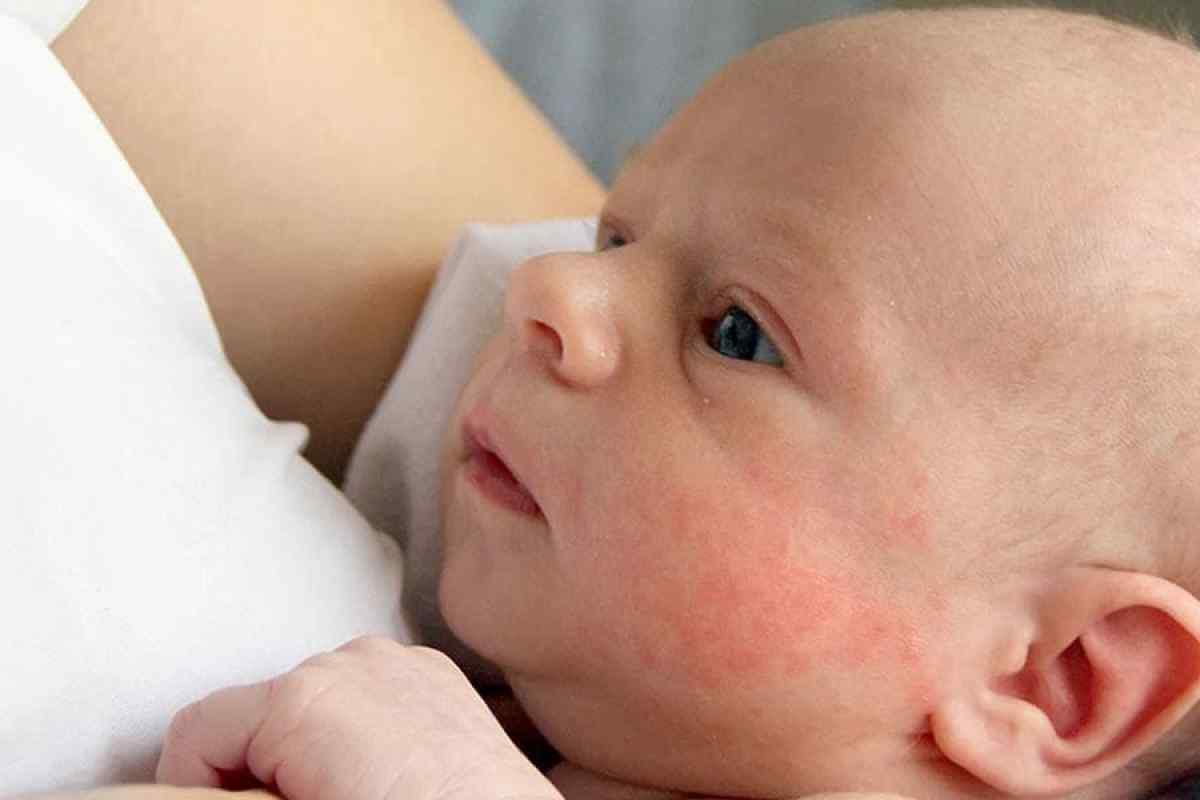
Seeing a rash on your baby can be scary. But knowing what an allergic reaction looks like is key to keeping your child safe. The Centers for Disease Control and Prevention (CDC) says up to 5.8% of kids under 5 have food allergies. Does your newborn food allergy rash need care? Learn the key signs of hives and eczema to seek immediate medical guidance.
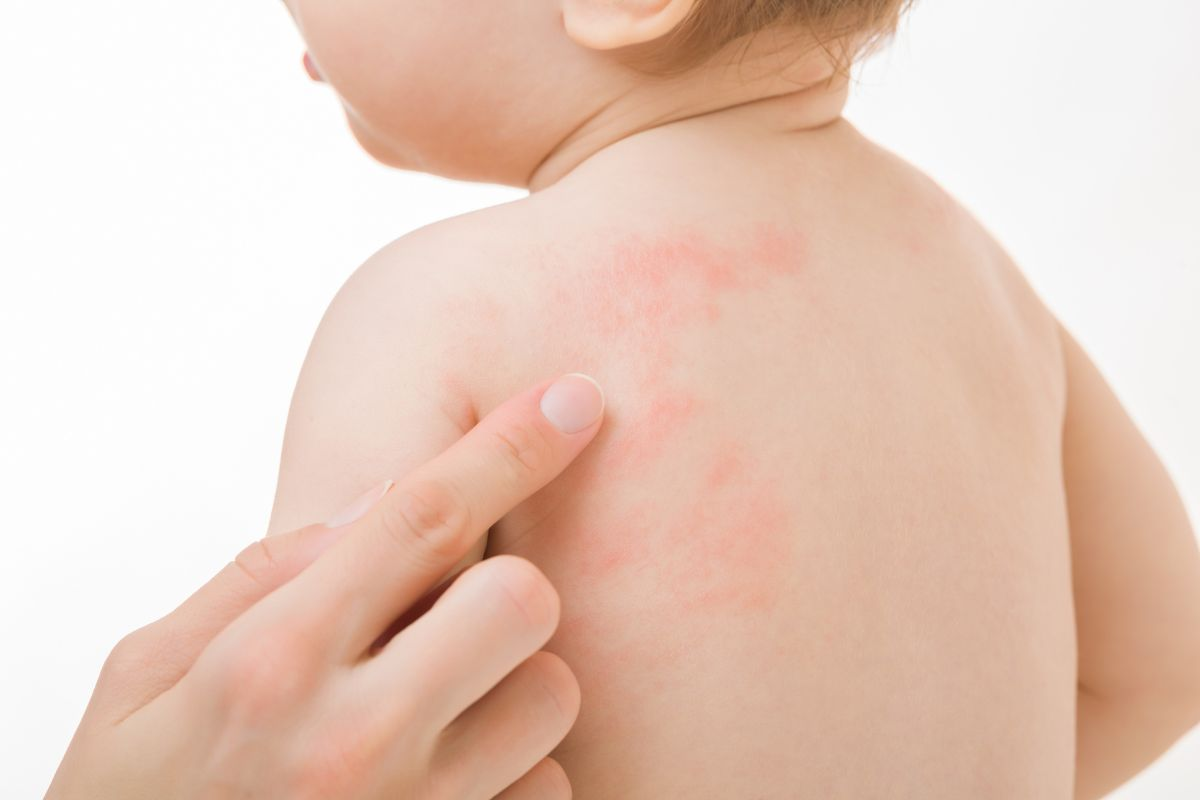
An allergic reaction rash on a newborn looks like raised pink bumps or welts, called hives. These are itchy and can change in size and shape. At Liv Hospital, we stress the need to spot these signs early to get the right care fast.
Key Takeaways
- Allergic reactions in newborns can manifest as skin reactions, including hives and itching.
- The CDC reports that 5.8% of children under 5 have been diagnosed with food allergies.
- Early recognition of allergic reaction signs is key for the right care.
- Liv Hospital’s patient-centered approach ensures trustworthy guidance in managing pediatric allergies.
- Understanding the characteristics of allergic reaction rashes helps parents take the first step in protecting their newborn.
Understanding Allergic Reactions in Newborns
Newborns’ immune systems play a big role in how they react to allergens. Allergic reactions happen when the body sees something harmless as a threat. This can be due to certain foods or things in the environment. We’ll look at what causes these reactions and how the baby’s immune system responds.
Common Causes of Allergic Reactions in Infants
Many things can trigger allergic reactions in babies. These include:
- Dietary factors: Breast milk, formula, and solid foods can introduce possible allergens.
- Environmental factors: Being around dust mites, pet dander, and pollen can cause reactions.
- Skincare products: Some ingredients in lotions, soaps, and diaper creams can irritate the skin.
Knowing what causes these reactions is key to managing and preventing them.
How the Infant Immune System Responds to Allergens
The immune system of a baby is not fully developed. This makes them more likely to have allergic reactions. When an allergen gets into the body, the immune system might overreact. This can lead to symptoms like mild skin rashes or severe reactions like anaphylaxis.
Knowing how the immune system reacts helps us find ways to manage allergies. This includes:
- Breastfeeding: Exclusive breastfeeding for the first few months may lower allergy risk.
- Introduction of solid foods: Slowly introducing foods can help find out which ones might cause problems.
- Skincare: Using gentle, hypoallergenic products can reduce skin irritation.
By understanding these points, we can help newborns and their families deal with allergic reactions better.
Newborn Food Allergy Rash: Appearance and Characteristics
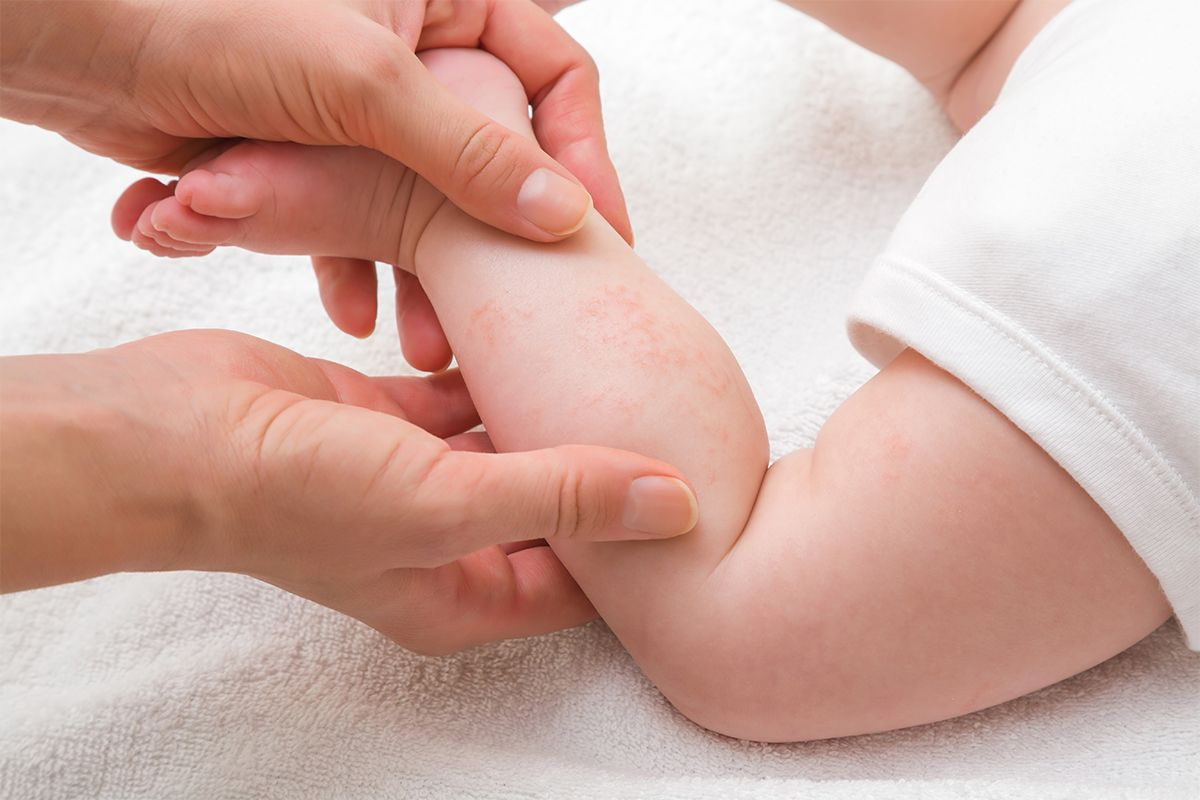
It’s key for parents and caregivers to spot a food allergy rash in newborns. These rashes can show up in different ways. Knowing what to look for is important for quick action.
Hives and Welts: The Primary Manifestations
A newborn’s food allergy rash often looks like hives. These are itchy, raised spots on the skin. They can vary in size and shape. They are a sign of an allergic reaction and can be itchy for the baby.
Color and Texture Variations
Hives can look very different. On lighter skin, they are usually pink or red with a thin red edge. On darker skin, they might be a bit lighter or darker than the skin around them. Sometimes, the rash can feel rough to the touch.
How Rashes Appear on Different Skin Tones
The look of an allergic reaction rash changes with skin tone. While hives are usually raised and itchy, they might be harder to see on darker skin. This is why it’s important for caregivers to watch closely and get medical help if they think there’s an allergy.
Spotting an infant allergy rash can be tough because of these differences. But knowing what to look for can help get medical help fast.
Common Locations and Distribution Patterns
Allergic reactions in infants can show up in many ways. Knowing where these rashes usually appear is important. This helps parents and caregivers spot possible issues early.
Concentrated vs. Widespread Reactions
Allergic rashes in infants can be either focused in one spot or spread out. Concentrated reactions happen when the allergen touches the skin, like with some fabrics or skincare. Widespread reactions occur when the allergen is eaten or breathed in, causing a bigger response.
For example, a 6-month-old might get a rash on their cheeks from a new soap. A 7-month-old could get a rash all over after trying a new food.
Body Areas Most Commonly Affected
Allergic rashes can pop up anywhere on an infant’s body. But some spots are more likely to get them. These include:
- The face, like the cheeks and mouth area
- The neck and skin folds
- The diaper area, often due to contact dermatitis
- The arms and legs, after exposure to new things
Knowing these common spots can help parents and caregivers spot allergic reactions. If you think your baby is having an allergic reaction, see a doctor right away.
Timing and Progression of Allergic Rashes
It’s important to know when and how allergic rashes appear. This knowledge helps in managing and caring for newborns. Allergic reactions can happen at different times after a baby is exposed to something they’re allergic to.
Immediate vs. Delayed Reactions
Allergic reactions can be immediate or delayed. Immediate reactions happen quickly, within minutes to hours. They might show up as hives, itching, or swelling. Delayed reactions take longer, sometimes days, to show up. This makes it harder to find out what caused the rash.
For example, a baby might get a rash right after being exposed to a new detergent. This is an immediate reaction. But, a delayed reaction could happen after introducing a new food, with symptoms appearing days later.
How Rashes Evolve Over Hours and Days
Allergic rashes can change a lot over time. They might start as red, itchy patches or hives. As they get worse, the rash can spread or get more intense. Sometimes, the rash goes away once the allergen is removed. Other times, it needs medical help.
- The rash may start as localized patches and spread to other areas.
- Symptoms can worsen over the first 24-48 hours before beginning to subside.
- In some cases, the rash may evolve into different forms, such as eczema or dermatitis.
Watching how the rash changes is key to figuring out what to do next. If the rash is bad, doesn’t go away, or comes with other scary symptoms, get medical help.
Knowing how and when allergic rashes show up helps parents and caregivers take the right steps. This ensures the best care for newborns.
Differentiating Food Allergy Rashes from Other Skin Conditions
It’s important for parents and caregivers to know the difference between food allergy rashes and other skin issues in newborns. Not every rash is an allergic reaction. Knowing the cause is key to treating it right.
Common Newborn Skin Conditions That Mimic Allergies
Newborns can get skin conditions that look like allergies. Some examples are:
- Erythema Toxicum: Small, yellow or white bumps on a red base.
- Milia: Small, white bumps from keratin buildup.
- Neonatal acne: Small, red bumps or pustules on the face.
- Diataper dermatitis: Skin irritation from urine or feces.
These conditions might look like allergies but have different causes. They need different treatments.
When to Suspect an Allergic Reaction vs. Normal Newborn Rashes
To figure out if a newborn’s rash is an allergy or not, we look at several things. Allergic reactions often have symptoms like swelling, vomiting, or trouble breathing. The rash can show up quickly after being exposed to something.
Normal rashes or other skin issues might not have these symptoms. We also look at how the rash looks and where it is. Allergic reactions can cause raised, itchy, and moving hives or welts.
By looking at these details, we can tell if a rash is from a food allergy or not. This helps us give the right care and treatment to the newborn.
Most Common Food Allergens for Newborns and Infants
Introducing new foods to newborns and infants can sometimes cause allergic reactions. It’s important to know the common allergens. Understanding these allergens is key for both breastfed babies and those on formula or first foods.
Primary Food Triggers in Breastfed Babies
Breastfed babies can react to foods their mothers eat. Common allergens include milk, eggs, peanuts, tree nuts, fish, shellfish, wheat, and soy. These foods can pass into breast milk, causing an allergic reaction in sensitive infants.
It’s vital for breastfeeding mothers to watch what they eat. They should monitor their baby’s reaction to different foods. If a baby shows signs of an allergic reaction, the mother may need to avoid certain foods.
Common Allergens in Formula and First Foods
Formula-fed babies often react to ingredients in their formula. Cow’s milk-based formulas are a common cause of allergies. Hypoallergenic formulas are available for severe allergies.
When introducing first foods, parents should be careful with common allergens like peanuts, eggs, and fish. Start with small amounts to watch for any reactions. Introducing these foods one at a time helps identify any allergies.
Knowing and identifying common food allergens is key to managing allergies in newborns and infants. By being aware and introducing foods carefully, parents can lower the risk of allergic reactions. This helps babies develop a healthy relationship with food.
Severity Indicators: When to Seek Emergency Care
Newborns can have allergic reactions that can be very serious. It’s important for parents and caregivers to know when to get help fast. Knowing the signs of a serious allergic reaction is key.
Signs of Anaphylaxis in Newborns
Anaphylaxis is a severe allergic reaction that can happen quickly. It’s hard to tell in newborns because they can’t say what’s wrong. But, there are important signs to look for:
- Difficulty Breathing: Rapid or labored breathing, wheezing, or coughing.
- Swelling: Swelling of the face, lips, tongue, or throat.
- Rapid Heartbeat: A fast or weak pulse.
- Drop in Blood Pressure: Pale or blue-tinged skin, faintness, or loss of consciousness.
If you think your newborn is having anaphylaxis, call for emergency help right away.
Non-Skin Symptoms That May Accompany Allergic Rashes
While rashes and hives are common signs of allergies, other symptoms can also happen. These can mean the reaction is getting worse. These include:
|
Symptom |
Description |
|---|---|
|
Gastrointestinal Issues |
Vomiting, diarrhea, or abdominal pain. |
|
Respiratory Problems |
Coughing, wheezing, or shortness of breath. |
|
Cardiovascular Symptoms |
Rapid heartbeat or a drop in blood pressure. |
If your newborn has any of these symptoms with a rash, get medical help fast.
Knowing how serious allergic reactions can be in newborns is very important. It can save a life. Always be careful and talk to a doctor if you’re not sure about your newborn’s symptoms.
Diagnosis and Treatment of Infant Allergic Reaction Rashes
Diagnosing and treating allergic rashes in infants is a detailed process. It involves looking at the baby’s medical history, doing a physical check, and sometimes extra tests.
Medical Evaluation Process
Healthcare providers start by asking about the baby’s diet and any possible allergens. They also look for any changes in symptoms. A physical check is key to see the rash’s details.
At times, more tests are needed. These might include skin prick tests or blood tests to check for allergy antibodies. But, these tests need to be seen in the whole picture of the baby’s health.
Treatment Options for Acute Reactions
For acute allergic reactions, removing the allergen is the first step. For mild cases, antihistamines or creams might help. In serious cases, oral steroids can reduce swelling.
For anaphylaxis, a very serious reaction, getting help right away is key. If there’s an auto-injector, use it, then call for emergency help.
Long-term Management and Prevention Strategies
Managing allergic rashes long-term means avoiding allergens and making dietary changes. For breastfed babies, moms might need to change their diet. Formula-fed babies might need a special formula.
Introducing new foods slowly can help find out if they cause allergies. Keeping a food diary is useful. Learning to recognize and react to allergic reactions is also important.
Knowing how to diagnose and treat infant allergic rashes helps parents and caregivers. It reduces the risk of serious reactions and improves the baby’s life.
Conclusion
It’s very important to know about allergic reactions in newborns. This helps us take care of them right and avoid serious problems. Spotting the signs of a newborn food allergy rash or infant allergic reaction rash is key.
Knowing what causes these reactions and how serious they can be helps a lot. Parents and caregivers can handle allergy rash in newborns better. It’s also important to tell the difference between an allergy rash and other skin issues. And, getting medical help when needed is a must.
Getting the right diagnosis and treatment for infant allergic reaction rashes can really help newborns. We urge parents and caregivers to stay up to date and work with doctors. This way, they can manage allergies well and give their children the best care.
FAQ
What are the common signs of an allergic reaction in newborns?
Signs include hives, welts, and rashes. These can change color and texture. They can show up anywhere on the body and may cause swelling, itching, or trouble breathing.
How does the infant immune system respond to allergens?
The immune system reacts to allergens by causing a rash and other symptoms. This happens when it sees something harmless as a threat and fights it.
What does a food allergy rash look like on different skin tones?
On lighter skin, it looks red or pink. On darker skin, it’s more purple or dark brown. It can be itchy, raised, and have different textures.
Where do food allergy rashes typically appear on the body?
They can show up anywhere but often on the face, neck, and arms. They might be in one spot or all over.
How soon after exposure to an allergen does a rash typically appear?
The time it takes for a rash to show up varies. Some appear right away, while others take hours or days.
How can I differentiate between a food allergy rash and other newborn skin conditions?
Look at the rash’s color, texture, and where it is. Food allergy rashes are itchy and raised. Always check with a doctor for a correct diagnosis.
What are the most common food allergens for newborns and infants?
Common allergens include cow’s milk, eggs, peanuts, tree nuts, soy, wheat, fish, and shellfish. Babies can react to what their mom eats if they’re breastfed. Formula-fed babies might react to their formula.
What are the signs of anaphylaxis in newborns?
Signs include trouble breathing, fast heartbeat, dizziness, confusion, and low blood pressure. Anaphylaxis is very serious and needs quick medical help.
How are infant allergic reaction rashes diagnosed?
Doctors look at symptoms, medical history, and might do allergy tests. They decide the best way to figure out what’s happening.
What are the treatment options for acute allergic reactions in infants?
Mild reactions might get antihistamines, severe ones corticosteroids, and anaphylaxis gets epinephrine. The right treatment depends on how bad the reaction is.
How can I manage and prevent allergic reactions in my newborn?
Avoid known allergens, breastfeed if you can, and introduce foods slowly. Regular doctor visits are also key.
References
National Center for Biotechnology Information. Newborn Allergic Rash Identification: A Guide for Parents. Retrieved from https://www.ncbi.nlm.nih.gov/pmc/articles/PMC4079843/