The world is seeing a big change as more people reach 60 and older. By 2050, this group will grow to 2.1 billion. This will put a huge strain on healthcare systems everywhere. Understand the old population definition and the 5 major, shocking health problems that are commonly faced by this demographic group today.
The aging process brings many health challenges. These include chronic diseases and geriatric syndromes. We need new, patient-focused ways to care for them.
Key Takeaways
- The global population aged 60 and older is expected to double by 2050.
- Aging is associated with an increased risk of chronic diseases and geriatric syndromes.
- Comprehensive healthcare services are key to meeting the complex health needs of older adults.
- Innovative, patient-centered care is needed to tackle the health issues of the elderly.
- Healthcare systems worldwide must adapt to serve the aging population.
The Old Population Definition and Global Demographic Trends
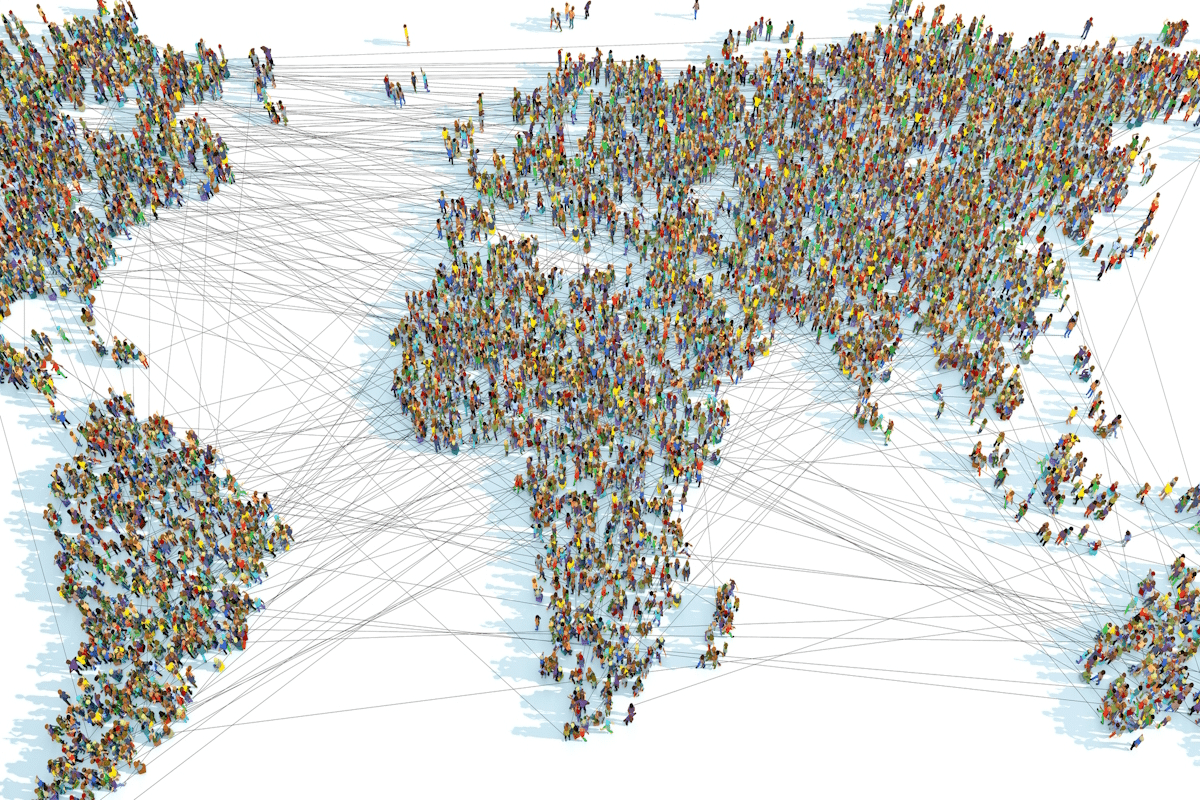
The aging population is growing, bringing both chances and hurdles for healthcare. It’s key to grasp the definitions and trends to craft good healthcare plans.
Defining the Aging Population in Modern Healthcare
The term “aging population” means a group with lots of older people, usually 65 and up. In today’s healthcare, this shift is vital. Older adults often face complex health issues because of many chronic conditions.
What makes a population “aging”? The World Health Organization says it’s when 7% or more of the people are 65 or older. This helps healthcare systems get ready for the special needs of older adults.
Global Aging Statistics and Projections to 2050
Worldwide, the number of people 80 or older will triple by 2050, hitting 426 million. This fast growth in the oldest-old group is a big deal for healthcare, social security, and family support.
Aging isn’t just a problem in rich countries; poor ones are aging fast too. This shows we need to work together and share knowledge to tackle aging’s challenges.
The United States Aging Population Profile
In the U.S., the aging population is a big deal. Over 16% of Americans are 65 or older, and this number is expected to jump to over 21% by 2030.
The U.S. is struggling with healthcare workforce, infrastructure, and social support issues as it ages. Coordinated care models and new healthcare ideas are being looked into to solve these problems.
Chronic Diseases: The Primary Burden of Aging

As the world’s population ages, chronic diseases weigh heavily on healthcare systems. Ninety-three percent of adults 65 and older have at least one chronic condition. This means 79 percent have two or more. It’s vital to understand these diseases and find ways to manage them effectively.
Cardiovascular Disease in Older Adults
Cardiovascular disease is a major cause of illness and death in older adults. The Centers for Disease Control and Prevention (CDC) says heart disease is the top killer for those 65 and older. It’s critical to manage risk factors like high blood pressure and diabetes to prevent heart problems.
Diabetes Affecting 24% of the Elderly Population
About 24% of older adults have diabetes. The American Diabetes Association suggests regular screening and management to avoid serious complications. This includes kidney, nerve, and eye problems.
“The presence of diabetes significantly increases the risk of cardiovascular disease, cognitive decline, and functional disability in older adults.”
Arthritis and Its Impact on Over 23% of Seniors
Arthritis affects over 23% of seniors, causing pain and limited mobility. Managing arthritis requires a mix of medicine, exercise, and lifestyle changes. This can include physical therapy and adapting daily activities.
|
Chronic Condition |
Prevalence among Older Adults |
Impact on Health |
|---|---|---|
|
Cardiovascular Disease |
High |
Increased risk of heart attacks and strokes |
|
Diabetes |
24% |
Increased risk of complications such as nephropathy and neuropathy |
|
Arthritis |
Over 23% |
Pain, stiffness, and limited mobility |
Cancer in Older Adults: The 20% Challenge
Cancer affects about 20% of older adults. The risk of cancer grows with age, and older adults often face more health challenges. It’s key to focus on early detection and effective treatment to improve their outcomes.
Understanding these chronic diseases helps us create better health plans for older adults. This way, we can improve their quality of life.
Falls and Injury: A Leading Cause of Disability
The aging population faces many health challenges, with falls being a major concern. As we get older, our risk of falling goes up. This is due to weaker muscles, balance problems, and chronic health issues.
The 3 Million Annual Emergency Department Visits
Every year, about 3 million adults over 65 visit emergency rooms for fall injuries. This shows how big the problem is. It also points to the need for better ways to prevent falls.
Risk Factors Contributing to Falls in Older Adults
Several things increase the chance of falls in older adults. Muscle weakness, balance and walking problems, side effects from medicines, and dangers in the environment are some. Slippery floors and uneven paths are examples of environmental hazards.
Evidence-Based Fall Prevention Strategies
Stopping falls needs a mix of approaches. We should check and change risk factors, work on strength and balance with exercise, and make the environment safer. This includes fixing slippery floors and making paths even.
|
Age Group |
Annual Fall-Related Emergency Department Visits |
Common Injuries |
|---|---|---|
|
65-74 |
Approximately 1 million |
Fractures, head injuries |
|
75-84 |
Over 1.2 million |
Fractures, hip fractures |
|
85 and older |
Nearly 800,000 |
Severe head injuries, hip fractures |
By knowing the risks and using proven prevention methods, we can lower the number of falls and injuries in older adults.
Geriatric Syndromes: Age-Specific Health Challenges
Geriatric syndromes, like frailty and delirium, are big health issues for older adults. As we get older, our bodies change in ways that can lead to these conditions. This affects our quality of life and our healthcare needs a lot.
Frailty: Definition, Assessment, and Interventions
Frailty makes older adults more vulnerable to stress. It happens when many body systems start to decline. Doctors check for frailty by looking at muscle strength, walking speed, and physical function. Finding it early helps us start treatments like exercise and better nutrition.
Urinary Incontinence and Management Options
Urinary incontinence is a big problem for older adults. It affects their dignity and how they interact with others. There are many ways to manage it, like bladder training and medicine. Pelvic floor exercises also help keep the bladder muscles strong.
Delirium: Recognition, Prevention, and Treatment
Delirium is a sudden and changing mental problem. It can be caused by illness or medicine. Spotting delirium early is key to managing it. This means fixing the cause and giving supportive care. We also try to prevent it by keeping a regular sleep schedule and avoiding too much medicine.
Pressure Ulcers and Skin Integrity in Advanced Age
Pressure ulcers, or bed sores, happen when someone is stuck in one place for too long. To stop them, we move people often, use special mattresses, and keep them well-nourished. This helps keep the skin healthy. Treating them means taking care of the wound and fixing any health problems that caused it.
Understanding and tackling these geriatric syndromes can really help older adults. We need healthcare that includes prevention, early detection, and good management. This is key to improving their health and quality of life.
Mental Health Disorders in the Aging Population
The aging population faces unique mental health challenges. These challenges need special attention and care. As people age, they are more likely to face mental health issues. This is due to biological, psychological, and social changes.
Depression: Prevalence and Unique Presentation in Seniors
Depression is a big concern for older adults. It often shows differently than in younger people. Seniors might show physical symptoms or memory problems instead of sadness or hopelessness.
We must remember that depression in seniors is not normal. It can be treated with the right help.
Cognitive Decline and Dementia Spectrum Disorders
Cognitive decline and dementia are feared by many. Dementia includes various cognitive disorders, like Alzheimer’s disease and vascular dementia.
Early detection and diagnosis are key. They help manage these conditions well. This improves the quality of life for those affected.
|
Type of Dementia |
Prevalence |
Key Characteristics |
|---|---|---|
|
Alzheimer’s Disease |
60-80% of dementia cases |
Progressive memory loss, cognitive decline |
|
Vascular Dementia |
10-20% of dementia cases |
Caused by reduced blood flow to the brain |
|
Lewy Body Dementia |
5-15% of dementia cases |
Fluctuating cognitive function, visual hallucinations |
Anxiety and Adjustment Disorders in Later Life
Anxiety disorders are common in older adults. They can be triggered by big life changes. These include the loss of a spouse, chronic illness, or retirement.
Anxiety in older adults can show differently. It might appear as physical complaints or agitation instead of obvious anxiety.
Managing anxiety in older adults is key. It involves psychological therapies and, when needed, medication.
Sensory Impairments and Functional Independence
As we age, our senses can change, making daily tasks harder. Hearing loss and visual impairments are common in older adults. These changes can affect their quality of life and independence.
Age-Related Hearing Loss: Impact and Interventions
Millions of older adults worldwide face age-related hearing loss. It can be caused by genetics, noise exposure, and aging. This loss can lead to social isolation, depression, and less independence.
We can improve their lives with hearing aids, cochlear implants, and rehabilitation programs. Effective management of hearing loss also includes communication strategies and therapy. This helps older adults stay independent and connected to their communities.
Visual Impairments: From Cataracts to Macular Degeneration
Visual impairments like cataracts, glaucoma, and macular degeneration are common in older adults. These conditions can make daily tasks, driving, and independence hard. Early detection and treatment are key to managing these issues and keeping vision.
There are many treatments for visual impairments, from surgery for cataracts to injections for macular degeneration. Understanding these conditions and treatments helps support older adults in staying independent.
The Connection Between Sensory Loss and Quality of Life
Sensory loss affects not just daily tasks but also mental and emotional health. It can lead to social isolation, depression, and anxiety. We must see how sensory impairments impact quality of life and provide full care.
By addressing sensory impairments effectively, we can enhance the lives of older adults. This means better independence and community participation. A team effort, including medical care, rehabilitation, and social support, is needed.
Obesity and Nutritional Challenges Among Seniors
As the world ages, older adults face many health issues. Obesity and not getting enough nutrients are big problems. We will look into these issues and how they affect seniors’ health.
Prevalence of Obesity in Older Adults
About 30% of adults over 65 are obese. Obesity can lead to heart disease, diabetes, and some cancers. It’s important to know why seniors get obese to help them.
There are many reasons for obesity in seniors. These include:
- Less physical activity
- Poor eating habits
- Some medicines
- Changes in metabolism with age
Malnutrition and Unintentional Weight Loss
While obesity is a big issue, malnutrition and losing weight without trying are also common. These can make seniors weak, less able to fight off infections, and increase their chance of dying. Malnutrition can be caused by:
- Dental problems
- Difficulty swallowing
- Being alone
- Memory loss
It’s important to catch and treat malnutrition early to avoid bad outcomes.
Nutritional Recommendations for Healthy Aging
To age well, eat a balanced diet. Include fruits, veggies, whole grains, lean proteins, and healthy fats. Drinking enough water is also key. Good nutrition tips include:
- Eat enough protein to keep muscles strong
- Choose foods high in fiber for better digestion
- Stay away from too much sugar and bad fats
Nutritional plans should fit each person’s health, likes, and needs. It’s important to keep an eye on how well these plans work and make changes as needed.
By tackling obesity and nutrition issues, we can greatly improve seniors’ health and happiness. Our approach must be all-encompassing, considering the many factors that affect seniors’ nutrition.
Healthcare Systems Adapting to an Aging Society
As the world’s population ages, healthcare systems face big challenges. They need to provide care for older adults’ complex needs. This includes geriatric care and coordinated care models. We must change our healthcare systems to meet these needs well.
Access to Specialized Geriatric Care
Geriatric care is key for older adults’ health challenges. Geriatricians handle chronic conditions and social needs. But, there’s a lack of geriatric specialists in many places, like the U.S. We need to invest in training to ensure care for older adults.
Coordinated Care Models for Multiple Chronic Conditions
Older adults often have many health issues. Care coordination is needed to manage these. It involves teams of healthcare professionals working together. This approach can lead to better care and fewer hospital stays.
Technology and Telehealth Solutions for Aging in Place
Technology and telehealth help older adults stay at home. Telehealth services manage chronic conditions and reduce hospital visits. New technologies, like wearable devices, support independent living. These tools improve older adults’ quality of life.
Policy Implications and Future Healthcare Needs
The aging population affects healthcare policy. We need policies for age-friendly healthcare systems. This includes workforce development and technology integration. Policies should also address social determinants of health. This way, we can create a better healthcare system for older adults.
Conclusion: Addressing the Complex Health Needs of Our Aging Population
The aging population faces many health challenges. These include chronic diseases, geriatric syndromes, and mental health disorders. We need a complete healthcare approach to tackle these issues.
We must focus on specialized geriatric care and coordinated care models. Telehealth solutions are also key to meet the unique needs of older people. This way, we can help them age healthily and improve their quality of life.
The healthcare needs of older adults are complex. It’s vital to develop effective strategies to meet these needs. We should ensure access to specialized care and use technology to support aging in place. A healthcare system that responds to the needs of older adults is also essential.
By being proactive and taking a complete healthcare approach, we can help the aging population thrive. They deserve the care and support needed to live well.
FAQ
What are the major health problems facing the aging population?
Older adults face many health issues. These include chronic diseases, mental health problems, and sensory impairments. They also struggle with nutrition challenges.
What is the definition of the aging population?
The aging population includes people 60 and older. This group is expected to grow to 2.1 billion by 2050.
What are the most common chronic diseases affecting older adults?
Older adults often deal with heart disease, diabetes, arthritis, and cancer. These diseases can greatly affect their life quality and ability to function.
How can falls be prevented in older adults?
To prevent falls, assess risk factors and start exercise programs. Also, make home environments safer to reduce hazards.
What are geriatric syndromes, and how are they managed?
Geriatric syndromes include frailty and other conditions. They need thorough assessment and management. This helps maintain independence and eases symptoms.
How do mental health disorders affect older adults?
Mental health issues like depression and dementia can greatly affect older adults. They can impact their life quality and independence.
What are the consequences of sensory impairments in older adults?
Sensory loss, like hearing and vision problems, can severely affect older adults. It impacts their independence and life quality. They need full healthcare services.
How can nutritional challenges be addressed in older adults?
To help older adults, assess their nutrition and promote balanced diets. Address obesity and weight loss issues too.
What role do healthcare systems play in addressing the needs of the aging population?
Healthcare systems must adapt for older adults. They need specialized care, coordinated models, technology, and telehealth.
What are the policy implications for addressing the healthcare needs of the aging population?
Policies should focus on providing full healthcare services. This includes specialized care and promoting healthy aging through evidence-based methods.
References
World Health Organization. Evidence-Based Medical Guidance. Retrieved from https://www.who.int/news-room/fact-sheets/detail/ageing-and-health