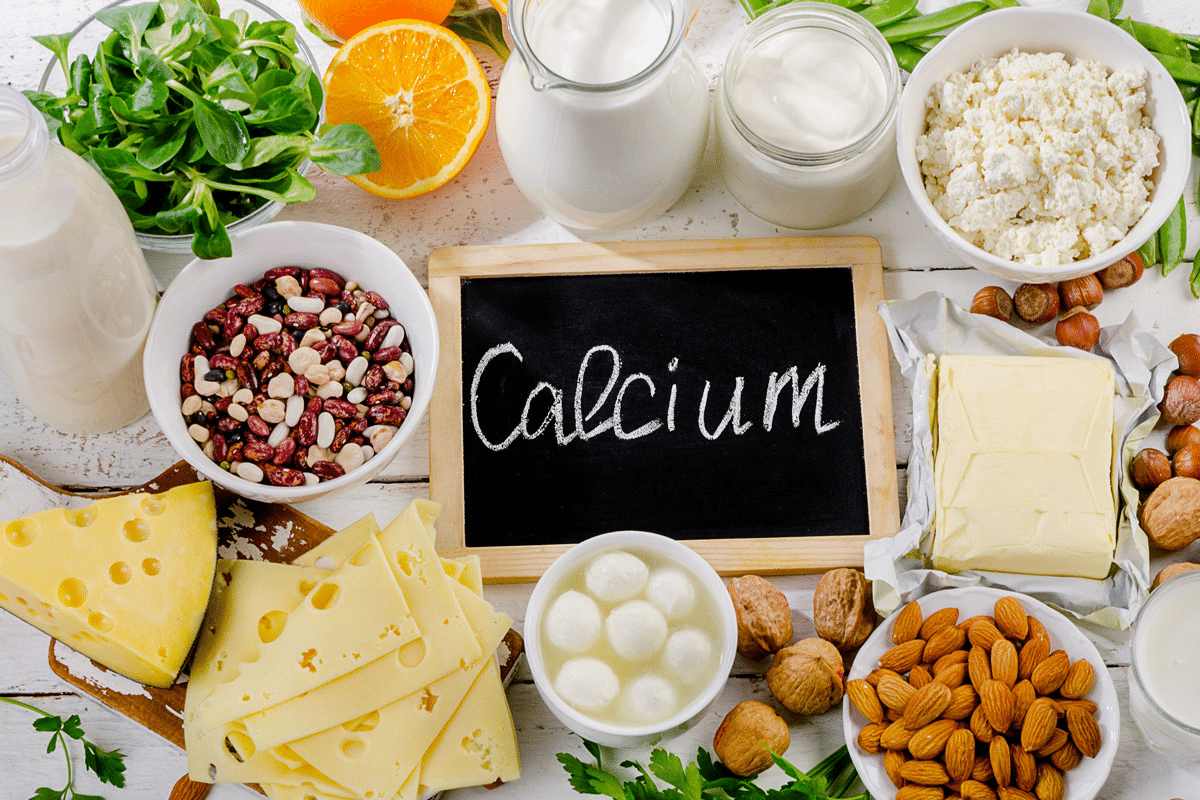
Osteopenia is an early stage of bone loss that affects millions worldwide. It increases the risk of fractures if not managed. We know how important it is to address this condition to stop it from getting worse. Get the best osteopenia calcium vitamin D recommendations. These vital guidelines help you stabilize density and avoid osteoporosis risks.
Taking calcium and vitamin D together is a proven way to improve nutrient absorption and strengthen bones. Adults aged 19-50 need 1000 mg of calcium and 600 IU of vitamin D daily. Those 51 and older should take 1200 mg of calcium and 600 IU of vitamin D every day.
Learning how these supplements help bone health is key. People with osteopenia can take steps to manage their condition well.
Key Takeaways
- Calcium and vitamin D work together to support bone health.
- The daily intake of calcium and vitamin D changes with age.
- Combining calcium and vitamin D improves nutrient absorption.
- Knowing the benefits of these supplements is vital for managing osteopenia.
- Effective management of osteopenia can stop it from turning into osteoporosis.
Understanding Osteopenia and Bone Health
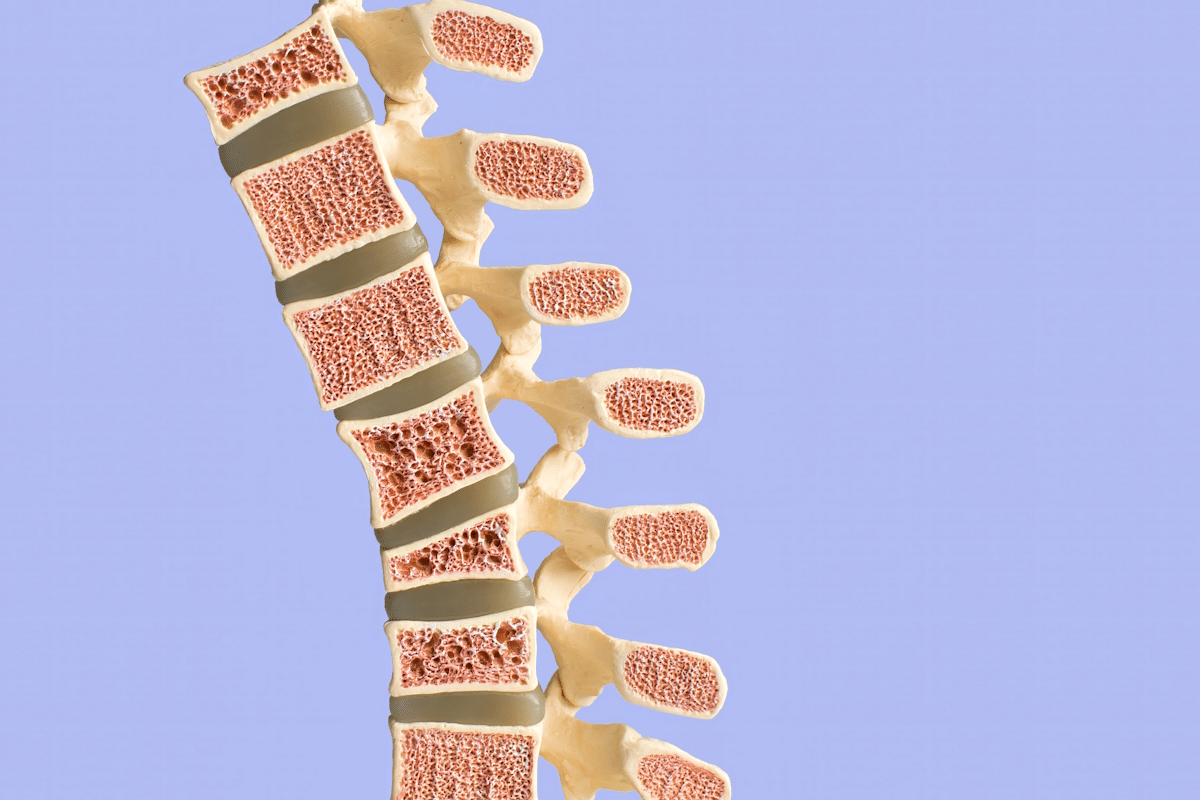
It’s key to know about osteopenia to keep bones strong and stop it from turning into osteoporosis. Osteopenia makes bones weaker and more likely to break.
What is Osteopenia?
Osteopenia means your bones are denser than in osteoporosis but less dense than normal. It’s a middle ground between healthy bones and osteoporosis. Because it often doesn’t show symptoms, getting regular bone density tests is important.
Key characteristics of osteopenia include:
- Lower bone density
- Increased risk of fractures
- Often asymptomatic
Difference Between Osteopenia and Osteoporosis
Osteopenia and osteoporosis both deal with bone density, but osteopenia is less severe. Osteopenia is an early stage, while osteoporosis is more advanced. Bones in osteoporosis are much weaker and more likely to break.
Knowing the difference between osteopenia and osteoporosis helps pick the right treatment.
Risk Factors for Bone Loss
Many things can lead to bone loss, like age, gender, family history, and lifestyle. Knowing these risk factors helps in creating a good prevention and treatment plan.
Common risk factors for bone loss include:
- Age: Bone density naturally decreases with age.
- Gender: Women are more susceptible to bone loss, specially after menopause.
- Family History: A family history of osteoporosis increases the risk.
- Lifestyle Factors: A sedentary lifestyle, smoking, and too much alcohol.
The Science Behind Calcium and Bone Structure

Calcium is key to strong bones and bone density. It plays a big role in keeping bones healthy. We’ll look at how calcium helps bones, what happens with too little calcium, and where to find it in food.
How Calcium Contributes to Bone Density
Calcium is vital for strong bones. It’s a main part of hydroxyapatite, which makes bones strong. Having enough calcium helps bones stay healthy and grow.
Key functions of calcium in bone health include:
- Supporting bone mineralization
- Regulating bone remodeling
- Maintaining bone density
Calcium Deficiency and Its Effects
Not getting enough calcium can harm bones. The body takes calcium from bones to keep blood levels right. This can make bones weaker over time.
The consequences of calcium deficiency include:
- Reduced bone density
- Increased risk of fractures
- Potential development of osteopenia or osteoporosis
“Adequate calcium intake is key for bone health and avoiding osteoporosis.”
Sources of Dietary Calcium
There are many foods rich in calcium. Dairy like milk and yogurt, and some non-dairy milks are good sources. Leafy greens also have calcium.
Some of the best dietary sources of calcium include:
|
Food |
Calcium Content per Serving |
|---|---|
|
Milk (1 cup) |
300 mg |
|
Yogurt (1 cup) |
450 mg |
|
Fortified non-dairy milk (1 cup) |
300-500 mg |
Eating these calcium-rich foods helps keep bones strong. It supports bone health and density.
Vitamin D’s Role in Calcium Absorption
Knowing how vitamin D helps with calcium absorption is key for better bone health. Vitamin D is vital for our bones to grow strong and dense. It helps our gut absorb calcium, which is essential for bone strength.
How Vitamin D Enhances Calcium Utilization
Vitamin D boosts how our body uses calcium by controlling genes. This ensures calcium is absorbed and used well. Without enough vitamin D, our bones may not get the calcium they need, leading to health problems.
A study in a medical journal said, “Vitamin D is key for keeping calcium levels right.”
“Vitamin D deficiency can cause bone loss and raise the risk of osteoporosis.”
Vitamin D Deficiency Symptoms
It’s important to know the signs of vitamin D deficiency. Symptoms include feeling tired, weak muscles, and bone pain. Severe deficiency can cause osteomalacia, where bones become soft.
- Fatigue and muscle weakness
- Bone pain and osteoporosis risk
- Increased risk of fractures
Natural and Supplemental Sources of Vitamin D
Vitamin D comes from sunlight, fatty fish, and fortified foods. Natural sources include sunlight, fatty fish like salmon, and fortified dairy. For those who can’t get enough from food or sunlight, supplements are a good option.
|
Source |
Description |
|---|---|
|
Sunlight Exposure |
Body makes vitamin D when exposed to UVB rays |
|
Fatty Fish |
Salmon, mackerel, and sardines are rich in vitamin D |
|
Fortified Foods |
Dairy products, cereals, and orange juice with vitamin D |
By knowing the role of vitamin D in calcium absorption, we can improve our bone health. We can do this by eating foods rich in vitamin D and taking supplements if needed.
The Synergistic Relationship Between Calcium and Vitamin D
It’s important to know how calcium and vitamin D work together to manage osteopenia. This section will look into why they’re better together and the evidence that supports their use together.
Why These Nutrients Work Better Together
Calcium and vitamin D are key for bone health. But they’re even more effective when taken together. Vitamin D helps the body absorb calcium, which is vital for strong bones.
Calcium and vitamin D complement each other. Calcium builds bones, and vitamin D helps the body use it. This teamwork is key to keeping bones strong and preventing breaks.
Key benefits of their combined use include:
- Enhanced calcium absorption
- Improved bone density
- Reduced risk of fractures
Clinical Evidence of Combined Benefits
Many studies have shown the benefits of calcium and vitamin D together. They help lower the risk of fractures in people with osteopenia.
In conclusion, calcium and vitamin D together are vital for bone health. Knowing how they work together helps people make smart choices about supplements.
Osteopenia Calcium Vitamin D Recommendations by Age Group
Calcium and vitamin D are key for strong bones. Their needs change with age. Knowing these needs is vital for managing osteopenia.
Recommendations for Adults 19-50 Years
Adults 19 to 50 need 1,000 mg of calcium daily. They should get 600-800 IU of vitamin D. A mix of food and supplements helps keep bones strong.
Recommendations for Adults 51+ Years
People over 51 should take in 1,200 mg of calcium daily. Vitamin D needs stay the same, at 600-800 IU. Higher doses might help some. It’s key for older adults to meet these needs for bone health.
Special Considerations for Postmenopausal Women
Postmenopausal women face special needs for calcium and vitamin D. Bone loss speeds up without enough estrogen. Their needs match those of adults over 51, stressing the need for enough calcium and vitamin D.
Here’s a table to show daily intake by age:
|
Age Group |
Calcium (mg/day) |
Vitamin D (IU/day) |
|---|---|---|
|
19-50 Years |
1,000 |
600-800 |
|
51+ Years |
1,200 |
600-800 |
|
Postmenopausal Women |
1,200 |
600-800 |
Following these age-specific guidelines helps manage osteopenia. It supports bone health for everyone.
Choosing the Right Calcium Supplements
Choosing the right calcium supplement is key to getting the most benefits. There are many options out there. It’s important to know what makes each one different.
Calcium Carbonate vs. Calcium Citrate
Calcium carbonate and calcium citrate are two common types of supplements. Calcium carbonate is cheaper and has more elemental calcium. But, it needs stomach acid to work well and should be taken with food.
Calcium citrate, on the other hand, is better absorbed, even with less stomach acid. It can be taken without food.
Evaluating Supplement Quality
Quality matters when picking a calcium supplement. Look for third-party tests from NSF International or ConsumerLab.com. These checks ensure the supplement has the right amount of calcium and is safe.
Also, check the maker’s reputation and if they follow Good Manufacturing Practices (GMPs).
Reading Supplement Labels Effectively
Reading the label is vital to know what you’re getting. Check the elemental calcium amount per serving. Also, watch out for extra ingredients like fillers or colors.
Choosing simple, natural ingredients can help avoid side effects.
It’s also good to know about different calcium salts. Each has its own benefits and how it’s absorbed by the body.
Selecting Optimal Vitamin D Supplements
Choosing the right vitamin D supplement is key for good bone health. Vitamin D helps our bodies absorb calcium and keeps bones strong. This is very important for managing osteopenia.
Vitamin D2 vs. Vitamin D3
Vitamin D comes in two types: D2 (ergocalciferol) and D3 (cholecalciferol). Studies show that vitamin D3 is better at keeping vitamin D levels up than D2. It’s also easier for our bodies to use, making it the top choice for supplements.
Dosage Forms Available
Vitamin D supplements are available in many forms, like tablets, capsules, liquids, and chewables. The type you choose depends on what you prefer and your needs. For example, liquids are great for those who can’t swallow pills easily.
Combination Products vs. Separate Supplements
Some supplements mix vitamin D with calcium and other nutrients. Combination products make it easier to take supplements but might not let you adjust each nutrient’s dose. On the other hand, separate supplements let you customize your doses but might mean taking more products.
|
Supplement Type |
Advantages |
Disadvantages |
|---|---|---|
|
Vitamin D3 |
More effective at raising serum vitamin D levels, readily utilized by the body |
May be more expensive than vitamin D2 |
|
Combination Products |
Simplifies supplementation regimen, convenient |
Limited flexibility in adjusting individual nutrient dosages |
|
Separate Supplements |
Allows for tailored dosing of individual nutrients |
May require taking multiple products, potentially more complex regimen |
The best vitamin D supplement is one that fits your needs and is easy to use. It should also match your health goals. Talking to a healthcare provider can help find the right supplement and dosage for you.
Optimal Timing for Taking Calcium and Vitamin D
When you take calcium and vitamin D supplements matters a lot. Knowing the best time can help your body absorb them better. This makes them work more effectively.
Best Time of Day for Calcium Intake
Calcium works best when you take it with meals, like those with protein. Food, and protein in particular, helps your body absorb calcium better. It’s best to take calcium supplements during or after meals for better absorption.
Splitting Calcium Doses for Better Absorption
Large doses of calcium at once might not be absorbed well. Breaking up calcium doses during the day can keep calcium levels steady. This might improve how well your body absorbs it.
When to Take Vitamin D for Maximum Benefit
Vitamin D is most effective when taken with your biggest meal. For many, this is dinner. But, pick a time that fits your daily routine and stick to it.
Food Interactions to Consider
Some foods and medicines can affect how calcium and vitamin D work. Calcium might not work well with certain antibiotics and thyroid meds. Always talk to a healthcare provider about possible interactions and how to time your supplements and meds.
Knowing when to take calcium and vitamin D can boost their benefits for your bones. This, along with the right diet and lifestyle, can help manage osteopenia better.
Factors That Affect Calcium and Vitamin D Absorption
Many things can change how well our body absorbs calcium and vitamin D. This includes what we eat, our health, and the medicines we take. Knowing about these can help us get the most out of supplements.
Medications That Interfere with Absorption
Some medicines can make it harder for our body to take in calcium and vitamin D. For example, steroids can lower how much calcium we absorb. Some medicines for seizures can mess with how our body uses vitamin D. Always talk to a doctor about how these might affect you.
- Corticosteroids: Can decrease calcium absorption.
- Anticonvulsants: May affect vitamin D metabolism.
- Bile acid sequestrants: Can reduce vitamin D absorption.
Dietary Factors That Enhance or Inhibit Absorption
What we eat is very important for how well we absorb calcium and vitamin D. Foods like spinach and beets can block calcium. But, eating foods with vitamin C can help. Foods with added vitamin D also help our body use it better.
- Eat calcium with meals to help it get absorbed better.
- Don’t drink too much caffeine or alcohol, as they can hurt calcium absorption.
- Eat foods rich in vitamin D, like fatty fish and fortified dairy, to help with calcium.
Health Conditions That Impact Nutrient Utilization
Some health issues can really affect how we use calcium and vitamin D. For instance, people with stomach problems like celiac disease or Crohn’s disease might not absorb nutrients well. Also, having too much parathyroid hormone can mess with calcium levels.
- Gastrointestinal disorders: Can impair calcium and vitamin D absorption.
- Hyperparathyroidism: Affects calcium metabolism.
- Kidney disease: Can impact vitamin D activation and calcium balance.
By knowing how these factors work with supplements, we can make our supplements more effective. This helps keep our bones strong.
Monitoring Your Progress and Adjusting Supplementation
Keeping track of our bone health is key. We do this by checking bone density and vitamin D levels through blood tests. This helps us see if our supplements are doing the job.
Regular Bone Density Testing
Bone density tests are vital for checking our treatment’s success. We should get these tests every two years, as doctors suggest. This lets us see if our bones are getting stronger.
Evaluating Vitamin D Levels
Blood tests show us how much vitamin D we have. Doctors use these results to tweak our supplement doses. This helps our body absorb calcium better and keeps our bones healthy.
Identifying Signs of Effectiveness
We should watch for signs that our supplements are working. Look for better bone density, fewer fractures, and feeling healthier overall. These are good signs our plan is on track.
By keeping an eye on our progress and tweaking our supplements as needed, we can make sure they’re helping our bones stay strong.
FAQ
What is the recommended daily intake of calcium and vitamin D for adults with osteopenia?
Adults with osteopenia need 1,000-1,200 mg of calcium and 600-800 IU of vitamin D daily. This amount depends on age.
Should I take calcium and vitamin D together for osteopenia?
Yes, it’s best to take them together. Vitamin D helps your body use calcium better, which is good for bones.
What is the best time to take calcium supplements?
Take calcium with meals to help your body absorb it better. Taking it in smaller doses throughout the day also helps.
Can I take vitamin D and calcium together with other medications?
Some medicines, like steroids and certain drugs for seizures, might affect how your body absorbs calcium and vitamin D. Always check with your doctor first.
How do I choose the right calcium supplement?
Look for the type of calcium, like calcium carbonate or citrate. Also, check the supplement’s quality and if the label is clear.
What is the difference between vitamin D2 and vitamin D3?
Vitamin D3 is better at raising vitamin D levels in your body. Vitamin D2 is often found in foods and some supplements.
How often should I have my bone density tested?
How often you need a bone density test depends on your health and risk factors. Talk to your doctor about the best schedule for you.
Can dietary factors affect calcium and vitamin D absorption?
Yes, foods like oxalates and phytates can block calcium absorption. But, vitamin D can be better absorbed with fatty foods and certain nutrients.
Are there any health conditions that impact calcium and vitamin D utilization?
Certain health issues, like stomach problems and kidney disease, can affect how your body uses calcium and vitamin D. Always talk to your doctor about your specific situation.
How can I monitor the effectiveness of my calcium and vitamin D supplementation?
Regular bone density tests and blood tests for vitamin D levels are key. Also, watch for signs of better bone health to see if your supplements are working.
Is it okay to take vitamin D and calcium together?
Yes, it’s safe and effective to take them together. They work well together to support your bones.
What are the best over-the-counter supplements for osteoporosis?
For osteoporosis, calcium and vitamin D supplements are often recommended. But, always talk to your doctor to find the best supplements for you.
How much vitamin D and calcium should I take for osteoporosis?
The right amount of calcium and vitamin D for osteoporosis depends on your age and health. Your doctor will help you figure out the best dosage.
Reference
National Center for Biotechnology Information. Evidence-Based Medical Guidance. Retrieved from https://pmc.ncbi.nlm.nih.gov/articles/PMC9944083/