
Alzheimer’s disease is a complex condition. It has two main features: amyloid plaques and neurofibrillary tangles. These features are key to understanding the disease’s progression and its effects on the brain.
Amyloid plaques are deposits that accumulate outside brain cells. Neurofibrillary tangles are found inside brain cells. These misfolded proteins disrupt neural communication, leading to irreversible neuronal death. Knowing what these hallmarks contain is vital for creating effective treatments.
Key Takeaways
- Alzheimer’s disease is characterized by amyloid plaques and neurofibrillary tangles.
- Amyloid plaques accumulate outside brain cells, disrupting neural communication.
- Neurofibrillary tangles are found inside brain cells, contributing to neuronal death.
- Understanding these hallmarks is essential for developing effective treatments.
- Research into the composition of plaques and tangles is ongoing.
The Neuropathology of Alzheimer’s Disease
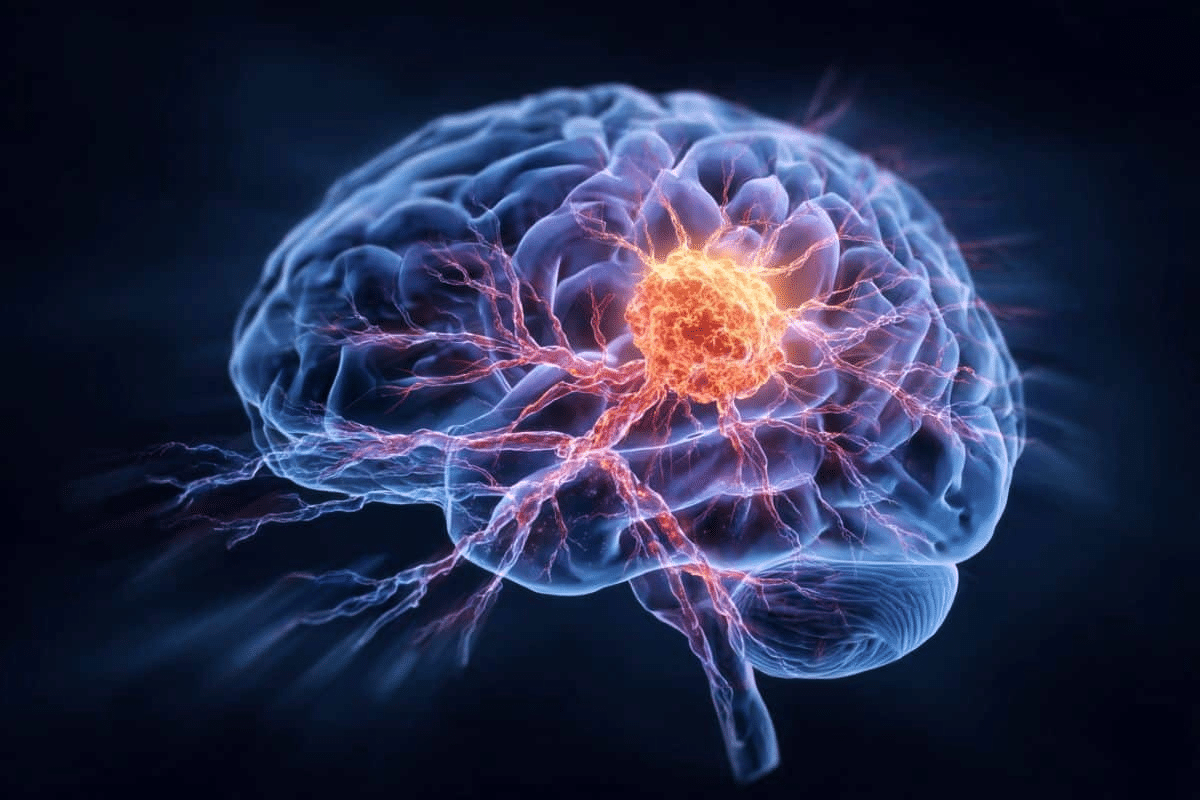
Alzheimer’s disease is complex, with features like plaques and tangles. It affects millions, causing cognitive decline. This impacts not just the patients but also their families and caregivers.
Global Impact and Prevalence
Alzheimer’s is a leading cause of dementia in older adults. The number of people with Alzheimer’s is expected to rise as the population ages.
- About 50 million people worldwide have dementia, with Alzheimer’s being the most common.
- The number of Alzheimer’s cases doubles every five years after 65.
- As the world ages, Alzheimer’s will have a bigger impact on healthcare and economies.
Historical Discovery of Plaques and Tangles
Alois Alzheimer discovered Alzheimer’s disease hallmarks in 1906. He found amyloid plaques and neurofibrillary tangles during an autopsy. These have become the disease’s defining features.
Neurofibrillary tangles are linked to cognitive impairment. Research shows their number tracks with cognitive decline. They are key to understanding the disease’s progression.
Amyloid Plaques: Composition and Structure
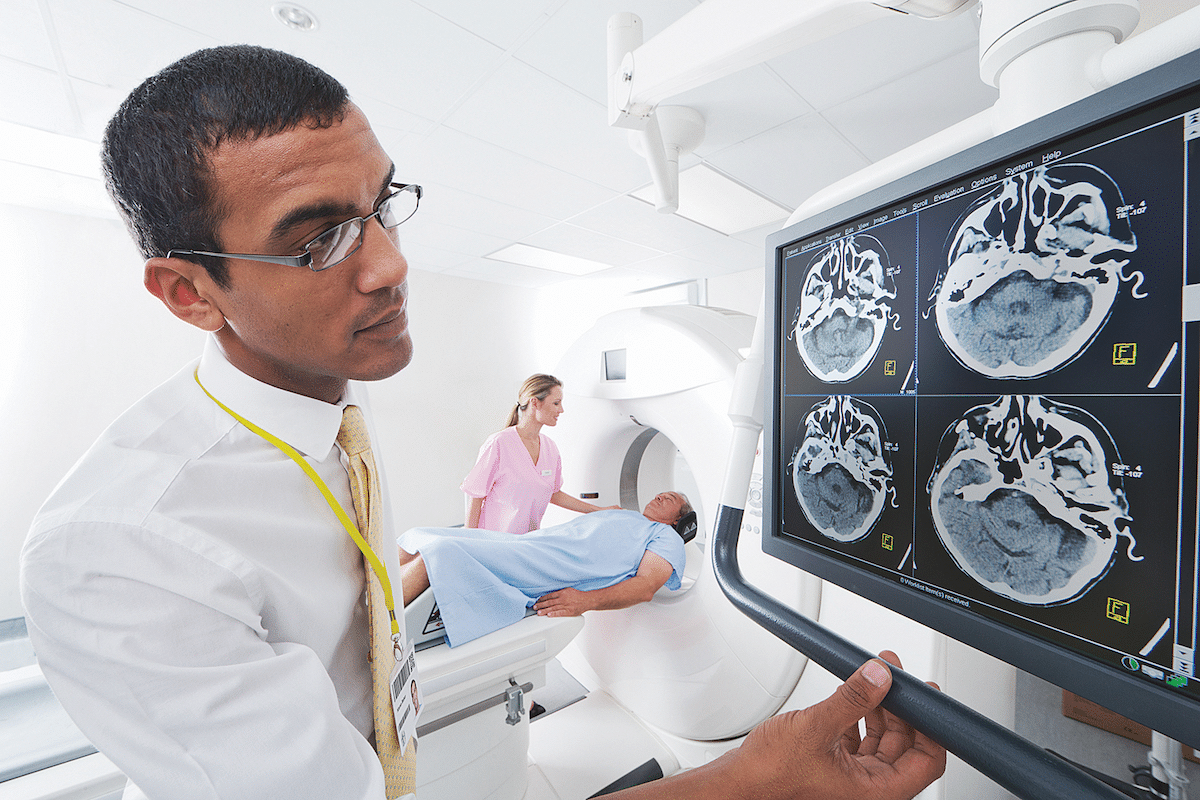
Understanding amyloid plaques is key to knowing how Alzheimer’s disease works. These plaques are made of protein fragments that build up outside brain cells. They play a big role in the disease’s harm.
Amyloid plaques are made of different parts. To get this, we need to look at how the amyloid precursor protein (APP) is processed. This is a key step in making these plaques.
Amyloid Precursor Protein (APP) Processing
The amyloid precursor protein (APP) is a brain membrane protein. It’s processed by brain enzymes. This processing can lead to the making of beta-amyloid peptides.
There are two main ways APP is processed: the non-amyloidogenic and amyloidogenic pathways. The non-amyloidogenic pathway is good because it doesn’t make beta-amyloid. But the amyloidogenic pathway makes beta-amyloid peptides, which stick together and form plaques.
Beta-Amyloid Peptides: The Core Component
Beta-amyloid peptides are the main part of amyloid plaques. They come from APP being cut by beta-secretase and gamma-secretase enzymes. These peptides are hard to dissolve and stick together, forming plaques.
The buildup of beta-amyloid peptides is a big sign of Alzheimer’s disease. Studies show that more beta-amyloid in the brain means worse thinking problems in Alzheimer’s patients.
Additional Components in Senile Plaques
Senile plaques also have other parts that help make them harmful. These include inflammatory molecules like cytokines and chemokines. These are made by the brain’s immune cells, the microglia.
Other parts of senile plaques include apolipoprotein E (APOE), a protein involved in lipid metabolism. There are also other proteins and cellular elements. This shows that amyloid plaques are more than just protein deposits. They are complex structures that involve many harmful processes.
|
Component |
Role in Amyloid Plaques |
|---|---|
|
Beta-amyloid peptides |
Core component, forming insoluble fibrils |
|
Inflammatory molecules |
Contribute to inflammation and oxidative stress |
|
Apolipoprotein E (APOE) |
Influences lipid metabolism and plaque formation |
Knowing about amyloid plaques’ parts and how they work is key to fighting Alzheimer’s disease. By focusing on these parts, researchers aim to slow the disease’s progress and help patients.
Neurofibrillary Tangles: Composition and Formation
In Alzheimer’s disease, neurofibrillary tangles form from tau protein. These tangles are a key part of Alzheimer’s, along with amyloid plaques. Knowing how they form helps us understand the disease.
Tau Protein: Normal Structure and Function
Tau protein helps keep neurons stable. It binds to microtubules, helping with axonal transport. Without it, neurons can get damaged.
Pathological Tau Modifications
In Alzheimer’s, tau protein gets hyperphosphorylated. This makes it detach from microtubules and form insoluble fibrils. The hyperphosphorylated tau protein is more prone to forming neurofibrillary tangles. These changes disrupt normal neuronal function.
Paired Helical Filaments and Tau Aggregation
Tau protein forms paired helical filaments (PHFs) in neurofibrillary tangles. PHFs are twisted structures made of hyperphosphorylated tau. The formation of PHFs and their aggregation into neurofibrillary tangles are key to Alzheimer’s neuropathology. The exact mechanisms behind PHF formation are complex and involve genetic and environmental factors.
Neurofibrillary tangles, made mainly of abnormally phosphorylated tau protein, are a key feature of Alzheimer’s. Understanding tau’s normal function, its pathological changes, and PHF formation is vital. It helps us understand the disease’s progression and find new treatments.
Plaques and Tangles Contain Which of the Following Components
Alzheimer’s disease is marked by the buildup of amyloid plaques and neurofibrillary tangles. These structures are key to the disease’s progression. They disrupt brain function and lead to its worsening.
Comprehensive Analysis of Plaque Contents
Amyloid plaques are mainly made of amyloid-beta peptides. These peptides come from the amyloid precursor protein (APP). Their buildup harms neurons and messes with brain function. Amyloid-beta peptides are created when APP is cut by beta-secretase and gamma-secretase.
Plaques also have apolipoprotein E (APOE) and inflammatory molecules. APOE affects how amyloid-beta clumps and is cleared. Inflammatory molecules add to the disease’s damage.
Detailed Examination of Tangle Contents
Neurofibrillary tangles are filled with abnormal tau protein. Tau helps keep microtubules stable in neurons. But in Alzheimer’s, tau gets too much phosphate, turning into tangles. These tangles mess up neurons and cause them to die.
Comparative Analysis of Both Pathological Features
Plaques and tangles are both made of misfolded proteins but are different. Plaques are outside cells and are mostly amyloid-beta. Tangles are inside cells and are tau protein. Knowing about these differences helps us understand Alzheimer’s better.
|
Pathological Feature |
Primary Component |
Location |
|---|---|---|
|
Amyloid Plaques |
Amyloid-beta peptides |
Extracellular |
|
Neurofibrillary Tangles |
Hyperphosphorylated tau protein |
Intracellular |
Knowing what plaques and tangles are made of is key to fighting Alzheimer’s. It helps us find better treatments.
The Biochemical Processes Behind Plaque and Tangle Formation
It’s key to know how plaque and tangles form in Alzheimer’s disease. These are amyloid plaques and neurofibrillary tangles in the brain. Knowing how they form helps us find new treatments.
Amyloidogenic Pathway in Detail
The amyloidogenic pathway starts with amyloid precursor protein (APP). APP is a transmembrane protein that gets cut by enzymes called secretases. This cutting leads to beta-amyloid peptides, which clump together to form plaques.
The amyloidogenic pathway is complex. It’s affected by genes and the environment. For example, certain gene mutations can make more beta-amyloid, speeding up plaque formation.
Tau Aggregation Cascade
Tau protein helps keep neurons stable. But in Alzheimer’s, tau changes and forms tangles. The tau aggregation cascade starts with tau’s hyperphosphorylation, making it hard to bind to microtubules.
The process of tau aggregation is multi-step. It involves changes like phosphorylation and ubiquitination. These changes can be caused by genes or the environment.
Environmental and Genetic Factors Accelerating Formation
Genes and the environment both speed up plaque and tangle formation. Genetic mutations in genes like APP can raise Alzheimer’s risk. Environmental factors, like lifestyle and toxins, also play a part.
Knowing how genes and environment interact is key to fighting Alzheimer’s. By understanding how plaques and tangles form, we can find new ways to treat this disease.
Synergistic Effects: How Plaques and Tangles Interact
Amyloid plaques and neurofibrillary tangles work together to worsen Alzheimer’s disease. Studies show their interaction is key to understanding the disease’s damage to the brain.
Amyloid Cascade Hypothesis
The amyloid cascade hypothesis says amyloid-beta peptides start Alzheimer’s disease. This leads to more damage, including neurofibrillary tangles. We’ll look at how this theory explains their connection.
It suggests amyloid-beta causes a chain of events that harms neurons. Neurofibrillary tangles are a big part of this, linked to memory loss in Alzheimer’s.
Tau-Mediated Neurodegeneration
Tau protein is vital in Alzheimer’s disease, forming neurofibrillary tangles. We’ll talk about how tau’s damage helps the disease progress and how it works with amyloid-beta.
In Alzheimer’s, tau gets too much phosphate, causing it to clump into tangles. This messes up neurons, leading to the disease’s symptoms.
Molecular Crosstalk Between Amyloid and Tau
The interaction between amyloid-beta and tau is complex. We’ll dive into how these two interact at a molecular level, adding to Alzheimer’s disease’s effects.
Recent studies show soluble amyloid-beta and tau play a big role in this interaction. They can affect each other’s clumping and harm, leading to more brain damage.
To show how amyloid plaques and neurofibrillary tangles work together, let’s look at a table:
|
Pathological Feature |
Composition |
Role in Alzheimer’s Disease |
|---|---|---|
|
Amyloid Plaques |
Amyloid-beta peptides |
Triggering neurodegenerative cascade |
|
Neurofibrillary Tangles |
Hyperphosphorylated tau protein |
Disrupting neuronal function and structure |
|
Soluble Amyloid-beta and Tau |
Amyloid-beta and tau oligomers |
Mediating molecular crosstalk and toxicity |
This table shows how amyloid plaques and neurofibrillary tangles differ in Alzheimer’s disease. It also points out the role of soluble amyloid-beta and tau in their interaction.
Neuronal Damage Mechanisms Caused by Plaques and Tangles
Alzheimer’s disease mainly causes damage through amyloid plaques and neurofibrillary tangles. These disrupt normal brain function, leading to memory loss and cognitive decline. We will look into how these features damage neurons.
Synaptic Dysfunction and Loss
Amyloid plaques and tau tangles harm synaptic function and loss. Synapses are key for brain communication. Their damage is a big reason for Alzheimer’s symptoms. Studies show amyloid-beta can mess with synaptic plasticity, while tau tangles affect microtubules in neurons.
Cellular Transport Disruption
Amyloid plaques and tau tangles mess with cellular transport. Tau helps keep microtubules stable, important for axonal transport. When tau forms tangles, it disrupts this system. This leads to a buildup of nutrients and organelles in the cell body, harming the axon and synapse.
Cell Death Pathways Activated
Amyloid plaques and tangles start cell death pathways. These include apoptosis, autophagy, and necroptosis. They are triggered by the stress caused by amyloid-beta and tau. Knowing these pathways is key to finding treatments for Alzheimer’s.
Diagnostic Approaches for Detecting Plaques and Tangles
Finding amyloid plaques and neurofibrillary tangles is key to diagnosing Alzheimer’s disease. We will look at the different ways to spot these signs.
New methods have made diagnosing Alzheimer’s better. These methods include advanced brain scans, blood tests, and looking at brain tissue.
Advanced Neuroimaging Techniques
New brain scans have changed how we diagnose Alzheimer’s. They let us see the brain’s details. Some important scans are:
- PET (Positron Emission Tomography) scans: These scans find amyloid plaques and tau tangles in the brain.
- MRI (Magnetic Resonance Imaging): MRI scans show the brain’s structure and can spot signs of Alzheimer’s.
- Amyloid PET imaging: This scan finds amyloid plaques, helping diagnose and track Alzheimer’s.
Fluid Biomarkers
Fluid biomarkers are also key in diagnosing Alzheimer’s. They are found in cerebrospinal fluid or blood. Important biomarkers include:
- Amyloid-beta 42: Low levels in CSF mean amyloid plaques are forming.
- Tau protein: High levels of tau protein in CSF show neurofibrillary tangles are forming.
- Neurofilament light chain (NfL): NfL is a sign of brain damage and is often high in Alzheimer’s.
Histopathological Assessment
Looking at brain tissue is the best way to diagnose Alzheimer’s. This is done by examining brain tissue after death. It shows if amyloid plaques and neurofibrillary tangles are present.
Using all these methods helps us understand Alzheimer’s better. This can lead to better treatments.
Conclusion: The Future of Alzheimer’s Research and Treatment
As we learn more about Alzheimer’s disease, it’s clear that understanding neurofibrillary tangles and amyloid plaques is key. This knowledge is vital for creating effective treatments. Researchers are working hard to find ways to stop the disease from getting worse.
The next step in treating Alzheimer’s is to develop targeted therapies. These treatments aim to tackle the disease’s root causes. By studying how plaques and tangles form, we can find new ways to intervene.
Research is showing promising signs, with clinical trials testing treatments for plaques and tangles. As we learn more, we’ll see better treatments for Alzheimer’s.
Successfully treating Alzheimer’s depends on understanding how its harmful features interact. By pushing forward in research, we’re getting closer to finding new, effective treatments for this serious condition.
FAQ
What are amyloid plaques and neurofibrillary tangles in Alzheimer’s disease?
Amyloid plaques are deposits of beta-amyloid peptides that build up outside neurons. Neurofibrillary tangles are made of tau protein that’s abnormally phosphorylated and found inside neurons.
What is the significance of amyloid plaques and neurofibrillary tangles in Alzheimer’s disease?
These features are key to understanding Alzheimer’s disease. They cause damage to neurons and lead to cognitive decline.
How are amyloid plaques formed?
Amyloid plaques form through the amyloidogenic pathway. This pathway breaks down amyloid precursor protein into beta-amyloid peptides. These peptides then clump together outside neurons.
What is the role of tau protein in neurofibrillary tangles?
Tau protein is a microtubule-associated protein. When it’s abnormally phosphorylated and aggregates, it forms neurofibrillary tangles. This disrupts normal neuronal function.
How do amyloid plaques and neurofibrillary tangles interact in Alzheimer’s disease?
The amyloid cascade hypothesis suggests amyloid plaques lead to neurofibrillary tangles. There’s molecular interaction between amyloid and tau that speeds up disease progression.
What are the diagnostic approaches for detecting amyloid plaques and neurofibrillary tangles?
Advanced neuroimaging, fluid biomarkers, and histopathological assessment are used to detect Alzheimer’s disease.
What is the current understanding of the biochemical processes underlying plaque and tangle formation?
The amyloidogenic pathway and tau aggregation cascade are complex. They involve genetics and environment.
How do amyloid plaques and neurofibrillary tangles cause neuronal damage?
These features cause synaptic dysfunction and loss. They disrupt cellular transport and activate cell death pathways. This leads to neuronal damage and cognitive decline.
What is the future of Alzheimer’s research and treatment?
Further research into Alzheimer’s disease is needed. It’s essential for developing effective treatments targeting amyloid plaques and neurofibrillary tangles.
Are there any genetic factors that accelerate the formation of amyloid plaques and neurofibrillary tangles?
Yes, genetic factors like mutations in the amyloid precursor protein gene and the tau gene can speed up their formation.
Can Alzheimer’s disease be diagnosed solely based on the presence of amyloid plaques and neurofibrillary tangles?
While these features are key to Alzheimer’s disease, diagnosis involves clinical evaluation, neuroimaging, and biomarker analysis.
Reference
National Center for Biotechnology Information. Evidence-Based Medical Guidance. Retrieved from https://pmc.ncbi.nlm.nih.gov/articles/PMC2527075/