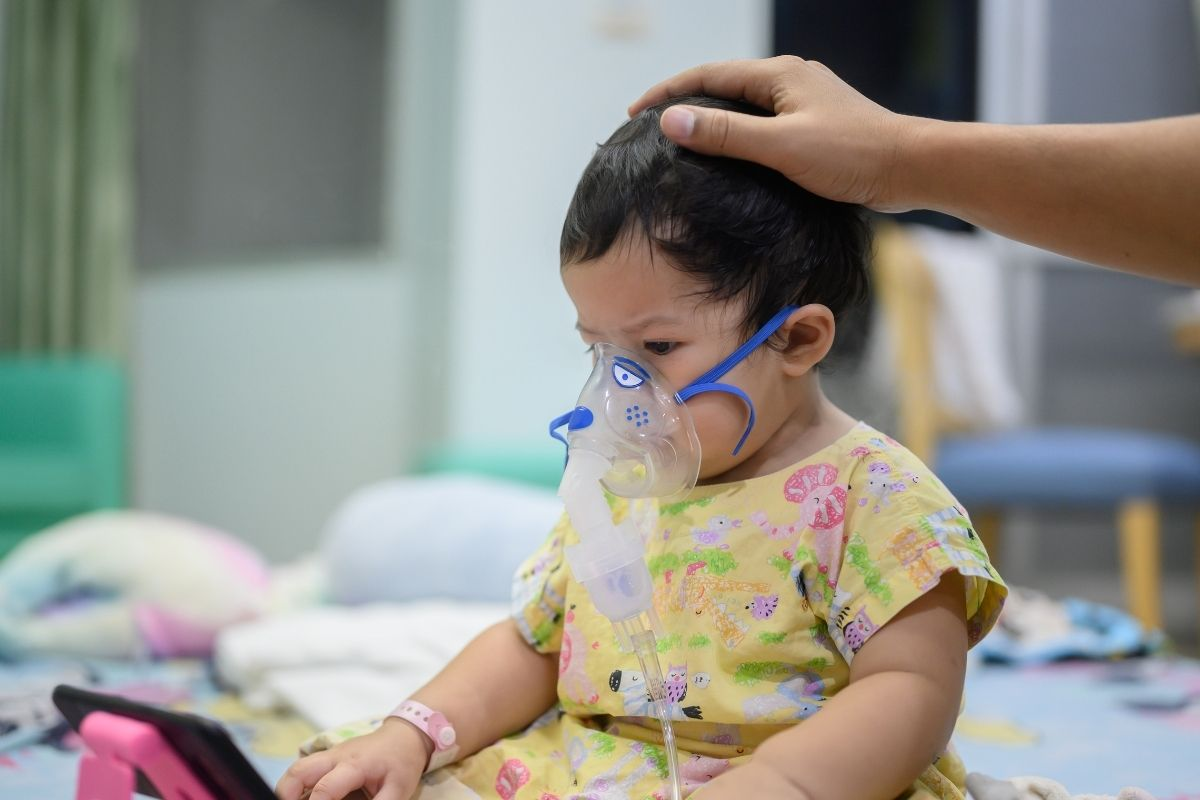
When you get pneumonia, knowing when it’s safe to go back to work is key. The contagious period changes based on the pneumonia type and how well you respond to treatment. Getting advice from a doctor is very important.Guide to the pneumonia and contagious period and official guidelines for safely returning to work or school after treatment begins.
At Liv Hospital, we focus on giving clear, science-backed advice on when it’s okay to go back to work. We make sure you get better and keep others safe too.
How contagious pneumonia is depends on its cause. For bacterial pneumonia, you’re usually not contagious after 24 to 48 hours of starting antibiotics, if your symptoms get better. Knowing this helps prevent spreading it to others.
Key Takeaways
- The contagious period for bacterial pneumonia is typically 24-48 hours after starting antibiotics.
- Viral pneumonia remains contagious as long as symptoms persist.
- Walking pneumonia can be contagious for up to two weeks.
- Personalized medical guidance is essential for determining safe return to work timelines.
- Understanding pneumonia’s cause is key to managing transmission risk.
Understanding Pneumonia: Types and Causes

Pneumonia is an infection that inflames the air sacs in the lungs. It can be caused by bacteria, viruses, and fungi. This condition can be mild or severe and affects people of all ages. Some groups are at higher risk.
What Is Pneumonia?
Pneumonia makes the lung’s air sacs inflamed. They can fill with fluid, making it hard to breathe. Symptoms include cough, fever, chills, and trouble breathing. Understanding pneumonia is key to the right treatment and prevention.
Common Causes of Pneumonia
Pneumonia can be caused by different pathogens:
- Bacteria: The most common cause is Streptococcus pneumoniae. Other bacteria like Haemophilus influenzae and Klebsiella pneumoniae can also cause it.
- Viruses: Viruses like influenza, respiratory syncytial virus (RSV), and COVID-19 can lead to viral pneumonia.
- Fungi: Fungal pneumonia is less common. It affects those with weakened immune systems. Pneumocystis jirovecii is a fungus that can cause pneumonia in immunocompromised individuals.
Different Types of Pneumonia
The type of pneumonia is often classified by its cause:
- Bacterial Pneumonia: Caused by bacteria, this type is treated with antibiotics. Bacterial pneumonia can be severe and needs quick medical attention.
- Viral Pneumonia: Caused by viruses, this type needs supportive care. Antiviral medications may help, depending on the virus.
- Fungal Pneumonia: This type is treated with antifungal medications. It’s more common in those with weakened immune systems.
Understanding the different causes and types of pneumonia helps us see its complexity. It shows the need for specific treatments and prevention strategies.
How Pneumonia Spreads: Transmission Methods
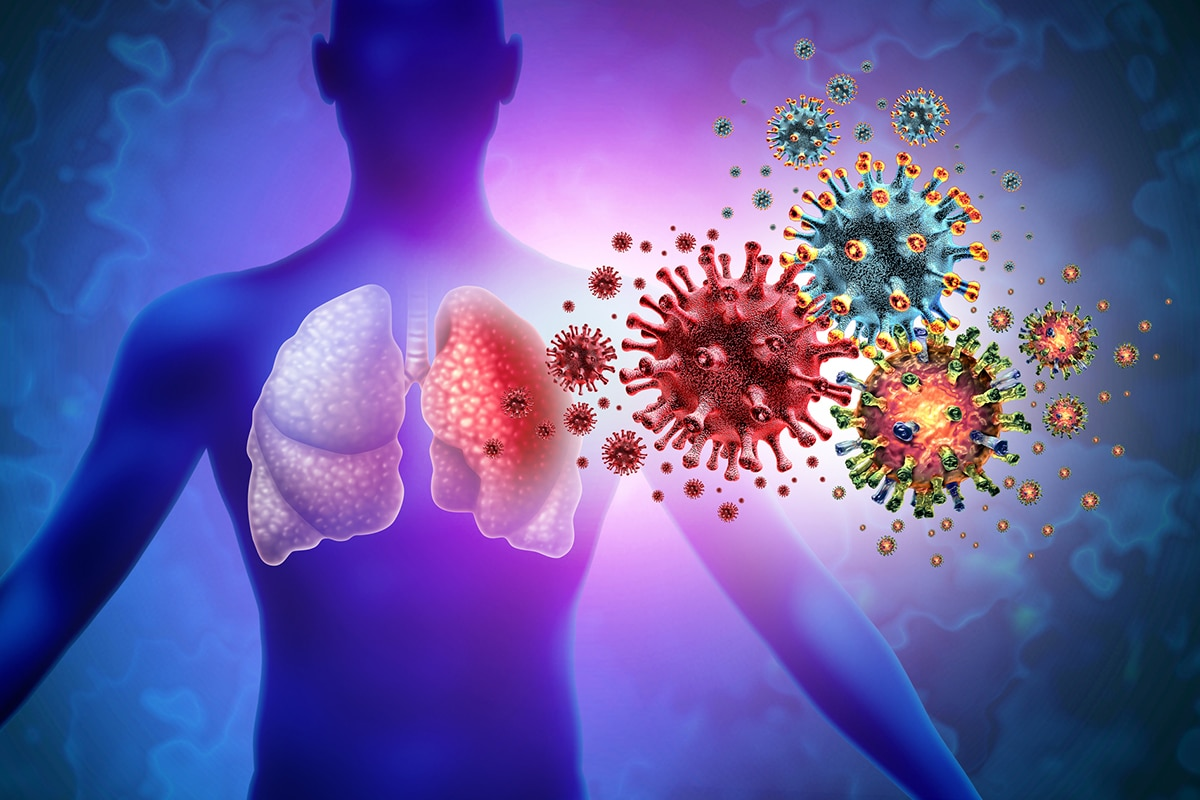
It’s important to know how pneumonia spreads. This disease can be caused by bacteria, viruses, and fungi. Its spread involves several key factors.
Respiratory Droplet Transmission
Pneumonia often spreads through respiratory droplet transmission. When someone with the infection coughs or sneezes, they release droplets. These droplets can be inhaled by others nearby, possibly infecting them.
To stop pneumonia from spreading through droplets, it’s key to:
- Cover your mouth and nose with a tissue when you cough or sneeze
- Dispose of used tissues right away
- Wash your hands often with soap and water
Close Contact Considerations
Close contact with someone who’s sick raises the risk of getting pneumonia. This is true in places like homes, schools, and workplaces.
Important steps for close contact include:
- Stay away from anyone who’s sick
- Practice good hygiene, like washing your hands a lot
- Clean and disinfect surfaces that are touched a lot
Environmental Factors in Transmission
Environmental factors also affect how pneumonia spreads. Germs can live on surfaces for a while. Touching these surfaces and then your face can lead to infection.
To lower this risk, it’s important to:
- Regularly clean and disinfect surfaces that are touched a lot
- Avoid touching your face, like your mouth, nose, and eyes
- Make sure indoor areas have good air flow
By knowing how pneumonia spreads and taking steps to prevent it, we can keep it from spreading. This helps protect people who are more at risk.
Pneumonia and Contagious Period: A Complete Overview
Knowing when you can go back to work or resume activities is key. Pneumonia is an infection that inflames the air sacs in the lungs. It can be caused by bacteria, viruses, or fungi. The contagious period varies based on the cause and type of pneumonia.
General Contagious Timeline
The contagious timeline for pneumonia changes based on whether it’s bacterial or viral. For bacterial pneumonia, people are usually contagious for 24 to 48 hours after starting antibiotics. On the other hand, viral pneumonia can keep you contagious as long as you have symptoms like cough and fever.
Factors Affecting Contagiousness
Several factors can change how contagious pneumonia is. These include the type of pneumonia, how severe your symptoms are, and your immune system. For example, people with weaker immune systems might stay contagious longer.
Other factors that can impact contagiousness include:
- Underlying health conditions
- The success of your treatment
- How well you practice hygiene, like washing your hands often
Signs You May Be Contagious
Knowing the signs you might be contagious is important. These signs include:
- Continued coughing
- Fever or chills
- Difficulty breathing or feeling short of breath
- Feeling extremely tired or weak
If you’re showing any of these symptoms, keep practicing good hygiene. Avoid being close to others to stop pneumonia from spreading.
Pneumonia Statistics in the United States
Pneumonia is a big health issue in the United States, affecting millions yearly. The Centers for Disease Control and Prevention (CDC) says pneumonia is a top reason for hospital stays in the country.
|
Year |
Number of Pneumonia Cases |
Hospitalization Rate |
|---|---|---|
|
2020 |
1.2 million |
14.2 per 1,000 adults |
|
2019 |
1.1 million |
13.4 per 1,000 adults |
|
2018 |
1.0 million |
12.6 per 1,000 adults |
These numbers show why it’s vital to understand pneumonia, its contagious period, and how to prevent it from spreading.
Bacterial Pneumonia: Contagious Period and Treatment
Knowing when someone with bacterial pneumonia is contagious is key. This infection, often caused by Streptococcus pneumoniae, is serious and needs quick action.
Streptococcus Pneumoniae Infection
Streptococcus pneumoniae is a common cause of bacterial pneumonia. It can cause severe illness, mainly in the elderly and young kids. Knowing about Streptococcus pneumoniae is vital for treating the infection.
Contagious Timeline After Starting Antibiotics
People with bacterial pneumonia are usually contagious for 24-48 hours after starting antibiotics. It’s important to keep taking antibiotics as told by a doctor. This helps fight the infection and stops it from spreading to others.
- Start antibiotics as prescribed
- Remain contagious for 24-48 hours after starting treatment
- Continue treatment as directed by a healthcare provider
When Bacterial Pneumonia Is No Longer Contagious
After starting antibiotics, bacterial pneumonia is usually not contagious 24-48 hours later, if symptoms start to get better. It’s important to listen to your doctor to know when it’s safe to go back to normal activities.
Recovery Milestones for Bacterial Pneumonia
Recovering from bacterial pneumonia involves several important steps:
- Resolution of fever
- Improvement in respiratory symptoms
- Return to normal energy levels
By knowing these milestones and sticking to treatment plans, patients can recover well. This also helps prevent the infection from spreading to others.
Viral Pneumonia: Extended Contagious Periods
Viral pneumonia is a big challenge because it can spread for a long time. Unlike bacterial pneumonia, antibiotics don’t make it less contagious. Knowing how it spreads is key.
Common Viral Causes
Viral pneumonia is often caused by the influenza virus, RSV, and adenovirus. COVID-19 has also been linked to it. These viruses spread easily through droplets, touching surfaces, and close contact.
Influenza virus spreads fast, mainly during outbreaks. RSV affects young kids and older adults a lot. Adenovirus can cause many respiratory illnesses, including pneumonia.
How Long Viral Pneumonia Remains Contagious
Viral pneumonia stays contagious as long as you have symptoms like cough and fever. This can last from a few days to over a week. It depends on the virus, your immune system, and treatment.
“The contagious period for viral pneumonia can be quite extended, often mirroring the duration of noticeable symptoms.”
Managing Viral Pneumonia Symptoms
It’s important to manage symptoms to stop the spread of viral pneumonia. This means:
- Resting to help your body heal
- Drinking plenty of water to thin out mucus
- Using over-the-counter meds to lower fever and cough
- Staying away from others to prevent spreading it
Supportive care is the main treatment for viral pneumonia. Antiviral meds are only for certain viruses like influenza.
Determining When Viral Pneumonia Is No Longer Contagious
To know when you’re no longer contagious, watch for when your symptoms go away. Usually, you’re less contagious when your fever is gone and your cough is better. But, it depends on the virus.
For COVID-19, you can stop isolating when you’ve been fever-free for 24 hours without meds. And when other symptoms have improved.
By understanding causes, managing symptoms well, and knowing when to stop isolating, we can fight viral pneumonia. This helps keep vulnerable people safe.
Walking Pneumonia: Mild but Stil Contagious
Walking pneumonia, caused by Mycoplasma pneumoniae, is a big health worry. It’s called “walking” because its symptoms are mild. People can keep going about their day without knowing they’re sick.
Mycoplasma Pneumoniae Infection
Mycoplasma pneumoniae is a bacteria that causes respiratory infections, leading to walking pneumonia. It spreads easily through coughs and sneezes.
Walking pneumonia is not just a minor illness. It’s contagious and needs careful handling to stop it from spreading. People can stay contagious for weeks, even after they feel better.
Contagious Period for Walking Pneumonia
People with walking pneumonia can be contagious for up to two weeks or more after symptoms start. Sometimes, they can stay contagious even after they start feeling better.
|
Contagious Period |
Symptoms |
Precautions |
|---|---|---|
|
Up to 2 weeks or more after onset |
Mild respiratory symptoms, cough, fever |
Avoid close contact, practice good hygiene, cover mouth when coughing |
Activity Limitations During Recovery
When recovering from walking pneumonia, it’s key to avoid activities that could make it worse or spread it. This means staying away from others, and those with weak immune systems.
Here’s what we suggest for those with walking pneumonia:
- Rest and avoid hard activities
- Practice good hygiene, like washing hands often
- Don’t share personal items
- Cover mouth and nose when coughing or sneezing
Working with Walking Pneumonia: Risks and Considerations
Working with walking pneumonia is risky for both the person and others. It can spread through droplets, putting colleagues at risk.
Before going back to work, think about:
- How bad your symptoms are
- The type of work you do and how close you’ll be to others
- The chance of passing it to vulnerable coworkers
Knowing how contagious walking pneumonia is and taking steps to prevent it can help keep everyone safe.
When Is It Safe to Return to Work After Pneumonia?
Going back to work after pneumonia needs careful planning. You must check your health and the work environment. It’s important to return when you’re fully recovered to avoid getting sick again or spreading the illness.
Medical Clearance Guidelines
Getting a doctor’s okay is key before going back to work. This means you’re no longer contagious and your health has improved enough to start working again.
- Make sure you’ve been without a fever for at least 24 hours, without using medicine to lower your temperature.
- Your doctor might want to see you again to check on your health.
- Talk to your doctor about your job to see if you’re ready to start working again.
Symptom-Based Assessment
Checking how you feel is important to know when to go back to work. Look at these points:
- Your symptoms have gotten much better.
- You can do your job without making your health worse.
- You don’t have severe tiredness or trouble breathing anymore.
Workplace Considerations
Thinking about your job is also important. Consider these things:
- If your job is hard physically, you might need more time to get better.
- Jobs that involve dust, chemicals, or other things that can irritate your lungs might take longer to recover from.
- Places like hospitals or nursing homes might have special rules for when employees can come back to work.
Accommodations During Recovery Period
When you do go back to work, there are things that can help you recover:
“Employers can play a big role in helping employees get better by allowing flexible work hours or changing job tasks.” – Occupational Health Expert
- Flexible hours to help manage tiredness.
- Job changes that don’t make you too tired.
- A clean and healthy work place to prevent getting sick again or spreading illness.
By thinking about these things and following the guidelines, you can safely and successfully go back to work after pneumonia.
Preventing Pneumonia Transmission in Workplaces and High-Risk Populations
To keep everyone healthy, it’s key to fight pneumonia in work places and among those at high risk. We’ll look at ways to stop pneumonia from spreading. This includes good hygiene, work rules, shots, and care for those who are more at risk.
Hygiene Practices and Protective Measures
Good hygiene is a must to stop pneumonia. Washing hands often with soap and water or hand sanitizer is very important. Here’s what we suggest:
- Encourage employees to wash their hands often, after coughing or sneezing.
- Put hand sanitizers in easy spots around the workplace.
- Teach the right way to cough, like covering the mouth and nose with a tissue or elbow.
Workplace Policies for Illness
Good work rules can really help stop pneumonia from spreading. Here’s what we think is best:
- Have a rule where sick employees stay home.
- Make sure employees feel safe to report when they’re sick.
- Help employees get medical help when they need it.
Vaccination Recommendations
Shots are a big help in fighting pneumonia, mainly for those at high risk. We suggest:
- Make sure employees get the right shots, like pneumococcal and flu vaccines.
- Teach them about the shots and how to get them.
- Think about having vaccination clinics at work.
Special Considerations for Vulnerable Individuals
People who are older or have weak immune systems need extra care to avoid pneumonia. We recommend:
- Find out who is at high risk and give them extra help and changes.
- Help them work from home to lower their risk.
- Make sure they know about and can get the preventive steps.
|
Prevention Strategy |
Description |
Target Group |
|---|---|---|
|
Frequent Handwashing |
Washing hands with soap and water or using hand sanitizer |
All Employees |
|
Vaccination Programs |
Providing pneumococcal and influenza vaccines |
High-Risk Employees |
|
Stay-Home Policy |
Encouraging employees to stay home when ill |
All Employees |
Conclusion
Knowing when pneumonia is contagious and how to prevent it is key. We’ve looked at the different types of pneumonia and how long they can spread. This includes bacterial, viral, and walking pneumonia.
Bacterial pneumonia stops being contagious 24 to 48 hours after starting antibiotics. Viral pneumonia can spread for days to a week or more. Walking pneumonia, caused by Mycoplasma pneumoniae, can spread for a long time.
To prevent pneumonia, we should wash our hands often, wear masks, and have policies for when people are sick. Vaccines are also important, helping to protect those at high risk.
By understanding when pneumonia is contagious and how to prevent it, we can keep ourselves and others safe. This summary shows how important it is to know how to stop pneumonia from spreading.
FAQ
Is pneumonia contagious, and how long does the contagious period last?
Pneumonia’s contagious time varies by type. Bacterial pneumonia stops being contagious 24-48 hours after antibiotics start. Viral pneumonia stays contagious until symptoms go away. Walking pneumonia can spread for up to two weeks.
How is pneumonia transmitted?
Pneumonia spreads through coughing or sneezing, close contact, and touching contaminated surfaces then your face.
When can I return to work after having pneumonia?
You can go back to work when your symptoms lessen and you’ve been fever-free for 24 hours. Think about your job duties and how they might affect your health.
Is bacterial pneumonia contagious after starting antibiotics?
No, bacterial pneumonia isn’t contagious 24-48 hours after antibiotics start, if symptoms start to get better.
How long is viral pneumonia contagious?
Viral pneumonia stays contagious as long as you have a cough and fever.
Can I work with walking pneumonia?
Walking pneumonia is contagious and can spread. It’s best to limit activities and consider the risks of working while sick.
What are the guidelines for preventing pneumonia transmission in the workplace?
To stop pneumonia spread, promote handwashing, cough etiquette, and staying home when sick. Follow vaccination advice too.
Are there any special considerations for vulnerable individuals to protect them from pneumonia?
Yes, the elderly and those with weak immune systems need extra care. This includes vaccines and better hygiene.
How can I determine when I’m no longer contagious with pneumonia?
Watch for symptom improvement. For bacterial pneumonia, it’s usually 24-48 hours after antibiotics start.
What are the recovery milestones for bacterial pneumonia?
For bacterial pneumonia, look for fever gone and better breathing.
How long does it take to recover from viral pneumonia?
Recovery time for viral pneumonia varies. It depends on symptom severity and your immune system.
Is pneumonia contagious on antibiotics?
No, bacterial pneumonia isn’t contagious 24-48 hours after antibiotics start.
How long are you contagious with walking pneumonia?
Walking pneumonia can spread for up to two weeks or until symptoms clear.
References
National Center for Biotechnology Information. Evidence-Based Medical Guidance. Retrieved from https://pmc.ncbi.nlm.nih.gov/articles/PMC2917114/