
A constant runny nose, known as chronic rhinorrhea, affects millions worldwide. It causes too much mucus in the nasal passages. This leads to discomfort and disrupts daily life.Exploring the common infectious, allergic, and structural reasons for why do i have a runny nose constantly.
At Liv Hospital, we know how much chronic rhinorrhea affects daily life. We’re dedicated to giving you a thorough check-up and treatment that fits you. Our focus is on you, addressing the real reasons behind your runny nose.
Key Takeaways
- Chronic rhinorrhea is a common condition affecting millions worldwide.
- Excessive mucus production is a hallmark of this condition.
- Underlying causes include allergies, non-allergic rhinitis, and nasal structural issues.
- A patient-centered approach is essential for effective treatment.
- Personalized treatment plans can help alleviate symptoms and improve quality of life.
Understanding Chronic Rhinorrhea

More people than you might think have a constantly running nose. This is called chronic rhinorrhea. It means your nose always makes a lot of mucus, causing it to run. This can really mess up your life, making everyday things harder and affecting how you feel.
What Is a Constantly Running Nose?
A constantly running nose, or chronic rhinorrhea, means your nose always makes mucus. This happens when your nasal glands make too much fluid. It can be because of many things or health problems. The mucus can be clear, yellow, or green, depending on what’s causing it.
Key characteristics of chronic rhinorrhea include:
- Persistent nasal discharge
- Excessive mucus production
- Nasal congestion or stuffiness
- Postnasal drip, which can lead to throat irritation
How Common Is This Condition?
Chronic rhinorrhea is quite common, affecting many people worldwide. Over 500 million people deal with a runny nose every year. It’s caused by things like allergies, pollution, and health problems.
The impact of chronic rhinorrhea on daily life should not be underestimated. Even simple tasks can be tough. If not treated, it can cause bigger problems like sinus infections or nasal polyps.
Why Do I Have a Runny Nose All the Time?
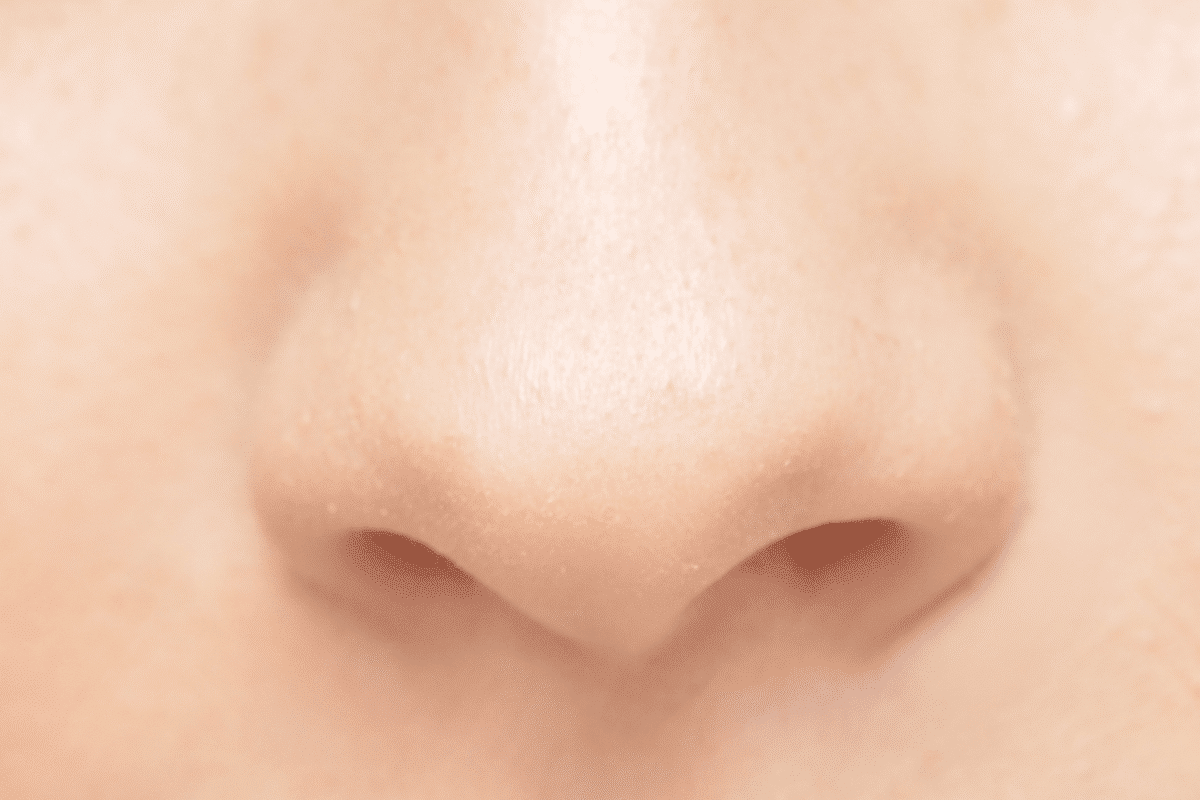
A runny nose can be a persistent and frustrating condition. Many wonder why their nose runs constantly. It can last for weeks, months, or even years, despite treatment.
Understanding the underlying causes is key to managing it effectively.
Difference Between Acute and Chronic Rhinorrhea
Rhinorrhea, or a runny nose, is categorized into two main types: acute and chronic. Acute rhinorrhea is usually caused by a viral infection, like the common cold. It typically resolves on its own within a few days to a couple of weeks.
Chronic rhinorrhea lasts more than 12 weeks. It can be caused by allergies, environmental irritants, and anatomical issues.
The main difference between acute and chronic rhinorrhea is their duration and causes. While acute rhinorrhea is often self-limiting, chronic rhinorrhea needs a more detailed approach to diagnosis and treatment.
How Nasal Mucus Production Works
Nasal mucus production is a natural process that protects the body from irritants and pathogens. The nasal mucosa produces mucus, which traps dust, bacteria, and other foreign particles. This prevents them from entering the lungs.
In a healthy individual, the nasal mucosa produces a certain amount of mucus daily. This mucus is usually swallowed or expelled without notice.
When the nasal mucosa is irritated or inflamed, it can produce excess mucus. This leads to a runny nose. Various factors can trigger this, including allergies, cold air, or spicy foods. Understanding nasal mucus production can help identify the causes of chronic rhinorrhea and find solutions.
The following table summarizes the key differences between acute and chronic rhinorrhea:
|
Characteristics |
Acute Rhinorrhea |
Chronic Rhinorrhea |
|---|---|---|
|
Duration |
Less than 12 weeks |
More than 12 weeks |
|
Causes |
Viral infections, common cold |
Allergies, environmental irritants, anatomical issues |
|
Treatment Approach |
Symptomatic relief, self-limiting |
Comprehensive diagnosis, targeted treatment |
Allergic Causes of Persistent Runny Nose
Allergies are a big reason for a runny nose, affecting many people. When our immune system gets confused, it reacts to harmless things as threats. This leads to more mucus in our noses.
Seasonal Allergies and Pollen
Seasonal allergies, or hay fever, happen when pollen from plants is in the air. This can make our noses stuffy, make us sneeze, and runny. The amount of pollen changes with the seasons and where you live.
Pet Dander and Animal Allergies
Pet dander and animal allergies also cause runny noses. Proteins from pets’ skin, saliva, and urine can get in the air and make us allergic. Keeping pets clean and out of bedrooms helps.
Dust Mites and Indoor Allergens
Dust mites live in dust and can make us allergic. Other indoor allergens include mold and chemicals in products. Using special bedding and cleaning surfaces often can help.
|
Allergen Type |
Common Sources |
Symptoms |
|---|---|---|
|
Pollen |
Trees, grasses, weeds |
Runny nose, sneezing, nasal congestion |
|
Pet Dander |
Cats, dogs, other pets |
Runny nose, itchy eyes, sneezing |
|
Dust Mites |
Household dust |
Runny nose, coughing, itchy throat |
Knowing what allergens make you sick is key to managing a runny nose. By avoiding these allergens, you can lessen your symptoms and live better.
Why Does My Nose Run Constantly? Causes and Solutions
A constant runny nose, known as chronic rhinorrhea, affects millions worldwide. It causes too much mucus in the nasal passages. This leads to discomfort and disrupts daily life.
At Liv Hospital, we know how much chronic rhinorrhea affects your life. Our focus is on you, and we use the latest medical methods. We look into why your nose runs all the time, like allergies and nasal problems. Then, we offer solutions that work for you.
Key Takeaways
- Chronic rhinorrhea is a common condition worldwide.
- Excessive mucus production is a hallmark of this condition.
- Allergies and non-allergic rhinitis are common causes.
- Structural issues in the nasal passages can contribute to the condition.
- Personalized treatment is available at Liv Hospital.
Understanding Chronic Rhinorrhea
Chronic rhinorrhea, or a constant runny nose, affects millions globally. It greatly impacts their life quality. This condition is not just a minor issue; it can signal a deeper problem that needs medical help.
What Is a Constantly Running Nose?
A constantly running nose, or chronic rhinorrhea, means your nose always has mucus. This happens when your nasal mucosa makes too much fluid. It’s often due to irritants, allergens, or infections.
The nasal mucus glands are key in this. They usually make mucus to catch dust and bacteria. But with chronic rhinorrhea, they make too much, causing a runny nose.
How Common Is This Condition?
Chronic rhinorrhea is more common than you might think. Over 500 million people deal with a runny nose every year. It’s a big health issue worldwide.
Many factors contribute to its prevalence. These include environmental changes, pollution, and more allergies.
Rhinorrhea can hit anyone, no matter their age or background. Knowing about it and its causes is key. It helps in getting the right medical care and managing symptoms.
By spotting the signs and understanding the causes, people can start managing their condition. This improves their life quality.
Why Do I Have a Runny Nose All the Time?
Figuring out why your nose runs all the time involves looking at the causes and how it happens. A runny nose, or rhinorrhea, is when you make too much nasal mucus. This can last for weeks, months, or even years, even with treatment.
Difference Between Acute and Chronic Rhinorrhea
Rhinorrhea can be either acute or chronic. Acute rhinorrhea often comes from a viral infection, like the common cold. It usually goes away in a few days to a week. Chronic rhinorrhea, on the other hand, lasts more than 12 weeks. It can be due to allergies, environmental irritants, or physical issues.
An expert says, “Chronic rhinorrhea is a complex condition that needs a detailed approach to diagnosis and treatment.” Knowing the difference between acute and chronic rhinorrhea is key to finding the right treatment.
How Nasal Mucus Production Works
Nasal mucus production is a natural defense against irritants and pathogens. The nasal mucosa makes mucus to catch dust, bacteria, and other harmful particles. In a healthy person, the amount of mucus made daily is usually swallowed or expelled without anyone noticing.
But, if the nasal mucosa gets irritated or inflamed, it can make too much mucus. This can happen due to allergies, cold air, or spicy foods. As the body tries to get rid of the irritant, the nasal mucosa keeps making mucus. This leads to a runny nose that doesn’t go away.
By understanding how nasal mucus production works and what can cause too much of it, we can manage chronic rhinorrhea better. This helps reduce its symptoms.
Allergic Causes of Persistent Runny Nose
When our immune system reacts too strongly to harmless things, it can make our nose run all the time. Allergies are a big reason for this, and knowing about them helps us manage our symptoms better.
Allergic reactions happen when our immune system sees harmless stuff as threats. This makes our body produce more mucus. Even though this is meant to protect us, it can make us feel uncomfortable.
Seasonal Allergies and Pollen
Seasonal allergies, or hay fever, are a big cause of a runny nose. Pollen from trees, grasses, and weeds can make us allergic. This leads to more mucus in our nose.
When pollen is at its highest, people with seasonal allergies get worse symptoms. They might always sniffle and have a runny nose.
|
Pollen Type |
Peak Season |
Common Symptoms |
|---|---|---|
|
Tree Pollen |
Spring |
Runny nose, itchy eyes |
|
Grass Pollen |
Late Spring to Early Summer |
Nasal congestion, sneezing |
|
Weed Pollen |
Late Summer to Early Fall |
Postnasal drip, coughing |
Pet Dander and Animal Allergies
Pets are loved by many, but they can also cause allergies. Pet dander, tiny scales from their skin, can trigger allergic reactions.
People with pet allergies often have a runny nose and other symptoms. This is because pet dander is in their environment.
Common symptoms of pet allergies include:
- Runny nose
- Sneezing
- Itchy eyes
- Congestion
Dust Mites and Indoor Allergens
Dust mites are another allergen that can make your nose run. These tiny creatures live in dusty places, like bedding and carpets.
Reducing dust mites and other indoor allergens can help with symptoms. This includes constant sniffles and nasal discharge.
Effective strategies for reducing indoor allergens include:
- Using allergen-proof bedding
- Regularly vacuuming with a HEPA-filter vacuum
- Maintaining low humidity levels
- Replacing carpets with hardwood or tile flooring
Non-Allergic Triggers for Constant Nasal Dripping
Non-allergic rhinitis is a condition that puzzles many. It’s caused by things not related to allergies. Unlike allergies, non-allergic rhinitis happens when the nasal passages get inflamed by other factors. Knowing what triggers it can help manage symptoms better.
Temperature and Weather Changes
Temperature and weather changes can really affect our noses. Cold air can dry out the nasal passages, making us produce more mucus. This is because our body tries to humidify the air.
Sudden temperature changes can also make our noses run. This is because the blood vessels in our nose get bigger and produce more discharge. This happens when the temperature changes too fast.
Humidity Fluctuations
Humidity levels are also important for non-allergic rhinitis. Low humidity can dry out our noses, while high humidity can make them congested. This is because our nasal mucosa is very sensitive to humidity changes.
Keeping the humidity in our environment comfortable can help reduce symptoms. This makes it easier to breathe and feel better.
Spicy Foods and Gustatory Rhinitis
Eating spicy foods can make some people’s noses run. This is called gustatory rhinitis. It happens because the capsaicin in spicy foods stimulates the nerves in our noses, causing more discharge.
Gustatory rhinitis is common and usually not serious. But it can be uncomfortable. Eating less spicy food can help manage this issue.
In conclusion, there are many non-allergic triggers for constant nasal dripping. These can include environmental factors, what we eat, or other non-allergic causes. By understanding and identifying these triggers, we can take steps to manage our symptoms and live better lives.
Medical Conditions Causing Chronic Runny Nose
Many health issues can make your nose run constantly. It’s important to know what these conditions are. This knowledge helps in finding the right treatment.
Chronic Sinusitis
Chronic sinusitis makes your sinuses inflamed and infected for a long time. This can cause a lot of mucus, leading to a runny nose. You might also feel nasal congestion, facial pain, and have trouble smelling things.
Nasal Polyps
Nasal polyps are growths in your nasal passages. They can make your nose run a lot because of the extra mucus. These polyps often happen with allergies, asthma, and chronic sinusitis.
Deviated Septum
A deviated septum means the thin wall between your nasal passages is off. This can make one side smaller, leading to congestion and discharge.
Vasomotor Rhinitis
Vasomotor rhinitis is when your nose reacts too much to things like smells or temperature changes. It can make your nose run, feel stuffy, and cause postnasal drip.
|
Condition |
Symptoms |
Associated Factors |
|---|---|---|
|
Chronic Sinusitis |
Nasal congestion, facial pain, reduced sense of smell |
Infection, inflammation |
|
Nasal Polyps |
Increased mucus production, chronic runny nose |
Allergies, asthma, chronic sinusitis |
|
Deviated Septum |
Nasal congestion, chronic nasal discharge |
Nasal passage obstruction |
|
Vasomotor Rhinitis |
Chronic runny nose, nasal congestion, postnasal drip |
Temperature changes, odors, stress |
Infections Leading to Persistent Nasal Discharge
Understanding infections and their link to persistent nasal discharge is vital. Both viral and bacterial infections often cause chronic rhinorrhea. We will look into how these infections lead to persistent nasal discharge and how to manage symptoms.
Viral Infections and Common Cold
Viral infections, like the common cold, are a major cause of persistent nasal discharge. The common cold is caused by viruses such as rhinoviruses, coronaviruses, and adenoviruses. These viruses infect the nasal passages, leading to an immune response and excess mucus production.
Key factors that contribute to persistent nasal discharge in viral infections include:
- The type of virus causing the infection
- The severity of the infection
- The individual’s immune response
Most common colds are self-limiting but can cause persistent nasal discharge if not managed well. Good hygiene, like frequent handwashing, helps prevent viral infections.
Bacterial Sinus Infections
Bacterial sinus infections, or bacterial sinusitis, happen when bacteria infect the sinuses. This can lead to persistent nasal discharge, along with facial pain, headache, and fever.
Common causes of bacterial sinus infections include:
- Streptococcus pneumoniae
- Haemophilus influenzae
- Moraxella catarrhalis
Bacterial sinus infections need medical attention to avoid complications. We will discuss treatment options for bacterial sinus infections later.
Other Factors That Make Your Nose Run Constantly
Many things can make your nose run, not just allergies and infections. Other things can also make your nose run a lot.
Medications and Side Effects
Some medicines can make your nose run. These include:
- Blood pressure medications: Some blood pressure medicines, like ACE inhibitors, can make your nose run and feel stuffy.
- Non-steroidal anti-inflammatory drugs (NSAIDs): NSAIDs, like ibuprofen and aspirin, can make your nose run in some people.
- Hormonal treatments: Hormone therapies, like birth control pills and hormone replacement, can change how your nose works.
Hormonal Changes During Pregnancy and Menopause
Hormonal changes during pregnancy and menopause can affect your nose. Pregnancy can make your nose run because of blood volume and hormone changes. Menopause can also change how your nose works.
“Hormonal changes during pregnancy can cause nasal congestion and rhinorrhea, affecting a significant number of women.”Medical Expert, ENT Specialist
Environmental Irritants and Pollutants
Things in the environment can irritate your nose and make it run a lot. Common irritants include:
- Smoke and tobacco: Smoke from tobacco and other sources can irritate your nose.
- Air pollution: Air pollution in cities, like particulate matter and nitrogen dioxide, can make your nose worse.
- Chemical fumes: Strong chemical smells, like from cleaning products or industrial sites, can irritate your nose.
Knowing about these factors can help you manage your symptoms better. By avoiding these irritants, you can reduce how often your nose runs.
Diagnosing the Cause of Your Chronic Runny Nose
To manage chronic rhinorrhea, finding its cause is key. We’ll show you how to diagnose your constantly running nose.
When to See a Doctor
If your runny nose won’t go away, see a doctor. Chronic rhinorrhea lasting weeks suggests an underlying issue.
Doctors say a runny nose can mean many things. It could be allergies or something else.
“It’s vital to get a medical check-up to find the cause and right treatment,” they stress.
Diagnostic Tests and Procedures
Tests are important to find your runny nose’s cause. You might need:
- Allergy testing to find out what’s causing your symptoms.
- Nasal endoscopy to look inside your nasal passages and sinuses.
- Imaging tests like CT scans to check your sinuses for problems.
Keeping a Symptom Journal
A symptom journal helps diagnose chronic rhinorrhea. It tracks when and why your symptoms happen. This info helps your doctor.
Here’s how to keep a symptom journal:
- Write down when your symptoms start and last.
- Record any things that might make them worse.
- Track what you’ve tried to make them better and if it worked.
By working with your doctor and using these steps, you can find out why your nose runs and get relief.
Medical Treatments for Persistent Rhinorrhea
Persistent rhinorrhea can be managed with various medical treatments. If symptoms are severe, it’s important to see a doctor. We’ll look at the different ways to treat this condition.
Prescription Medications
Prescription drugs are key in treating persistent rhinorrhea. Antihistamines help with allergic rhinitis by reducing nasal discharge and allergy symptoms. Decongestants offer temporary relief from congestion but should be used carefully to avoid worsening congestion.
Nasal corticosteroids are recommended to reduce inflammation in the nasal passages. They are effective in controlling symptoms of allergic and non-allergic rhinitis.
Immunotherapy for Allergic Rhinitis
For those with allergic rhinitis, immunotherapy is a powerful treatment. It involves gradually increasing exposure to allergens to build tolerance. Immunotherapy can be given through injections or sublingual tablets.
It not only reduces symptoms but can also slow down the disease’s progression. This long-term treatment requires dedication but offers great benefits.
Surgical Options for Structural Issues
Surgical options are needed for structural issues like a deviated septum or nasal polyps. Surgery can fix anatomical problems, improve nasal drainage, and lessen symptoms.
Septoplasty corrects a deviated septum, while polypectomy or functional endoscopic sinus surgery (FESS) removes nasal polyps or treats chronic sinusitis. These surgeries can greatly improve life quality for those with structural rhinorrhea causes.
Knowing the medical treatments available helps individuals with persistent rhinorrhea. They can work with their doctors to find the best treatment plan for them.
Home Remedies and Self-Care for Constant Nasal Dripping
Home remedies and self-care can help manage chronic rhinorrhea. By adding these strategies to your daily routine, you might see less nasal dripping.
Nasal Irrigation Techniques
Nasal irrigation is a simple way to clear your nasal passages. It involves rinsing your nose with a saline solution to remove mucus and debris.
- Use a neti pot or a squeeze bottle with a nasal spray tip.
- Prepare a saline solution by mixing salt and water.
- Irrigate the nasal passages gently, avoiding forceful flushing.
Nasal irrigation can help: Reduce nasal congestion, decrease mucus production, and improve sinus drainage.
Steam Inhalation and Humidifiers
Steam inhalation is a great home remedy for nasal congestion. Warm, moist air helps loosen mucus, making it easier to expel.
- Use a steam humidifier or inhale steam from a bowl of hot water.
- Add eucalyptus oil or menthol for added benefits.
- Cover your head with a towel to trap the steam.
Benefits of steam inhalation: Loosens mucus, reduces nasal congestion, and soothes irritated nasal passages.
Dietary Changes and Supplements
Changing your diet and taking certain supplements can help manage chronic rhinorrhea. Eating a balanced diet rich in fruits, vegetables, and whole grains supports your health, including your immune system.
- Increase consumption of foods high in omega-3 fatty acids.
- Avoid trigger foods that may exacerbate nasal dripping.
- Consider supplements like vitamin C and probiotics.
Dietary adjustments can: Support immune health, reduce inflammation, and potentially decrease nasal dripping.
Essential Oils and Natural Decongestants
Certain essential oils and natural decongestants can offer relief from nasal congestion. They can be used through diffusion, topical application, or inhalation.
- Eucalyptus oil and menthol are known for their decongestant properties.
- Peppermint oil can help ease breathing and reduce nasal congestion.
- Use essential oils in moderation and with caution.
Benefits of essential oils: May help reduce nasal congestion, ease breathing, and provide a sense of relief.
By using these home remedies and self-care measures, you can manage constant nasal dripping. While they offer relief, always consult a healthcare professional for persistent or severe symptoms.
Conclusion
Understanding why we have a constantly running nose is key. We’ve looked at many reasons, like allergies, medical issues, and things in the environment.
Knowing the cause helps us find the right treatment. This could be medicine, therapy, or changing our lifestyle. To manage a runny nose, we need to use both medical help and self-care. This includes using nasal sprays and inhaling steam.
Getting the right treatment can make a big difference. It helps us feel better and live better. If your nose keeps running, see a doctor. They can help you manage it and improve your health.
FAQ
Why does my nose run constantly?
Many things can make your nose run, like allergies or problems in your nasal passages. Knowing why is key to feeling better.
What is chronic rhinorrhea?
Chronic rhinorrhea means your nose always has discharge. It’s often due to allergies, infections, or things in the air.
How common is chronic rhinorrhea?
It’s quite common worldwide. It can make daily life hard, causing discomfort and embarrassment.
What is the difference between acute and chronic rhinorrhea?
Acute rhinorrhea is short-term, often from a cold or allergy. Chronic rhinorrhea lasts longer and needs ongoing care.
Can allergies cause a constantly running nose?
Yes, allergies are a big reason for a runny nose. Things like pollen or pet dander can make your nose run.
What are some non-allergic triggers for constant nasal dripping?
Non-allergic causes include weather changes, spicy food, and air pollution. Knowing these can help you manage your symptoms.
Can medical conditions cause chronic runny nose?
Yes, conditions like sinusitis or nasal polyps can make your nose run. Seeing a doctor is important to find and treat these issues.
How are infections related to persistent nasal discharge?
Infections, like the common cold, can make your nose run. Understanding this can help you manage your symptoms better.
Can medications and hormonal changes cause a constantly running nose?
Yes, some medicines and changes in hormones, like during pregnancy, can make your nose run.
How is the cause of chronic runny nose diagnosed?
Doctors use many steps to find out why your nose runs. This includes looking at your medical history and doing tests. Keeping a symptom journal can also help.
What are the treatment options for persistent rhinorrhea?
There are many ways to treat a runny nose, like medicines or surgery. Knowing these options can help you feel better.
Are there any home remedies that can help alleviate constant nasal dripping?
Yes, things like nasal sprays, steam, and certain foods can help. These can work along with doctor’s treatments.
Why do I keep having to blow my nose?
Too much mucus can make you need to blow your nose a lot. This can be due to allergies, infections, or irritants in the air.
Why does my nose constantly run?
Many things can make your nose run, like allergies or nasal problems. Knowing why is key to feeling better.
What can I do to stop my nose from running?
To stop your nose from running, understand the cause and use treatments and home remedies. This includes avoiding triggers and using nasal sprays.
References
National Center for Biotechnology Information. Evidence-Based Medical Guidance. Retrieved from https://www.ncbi.nlm.nih.gov/pmc/articles/PMC4939240/