
Chronic Obstructive Pulmonary Disease (COPD) is a lung condition that gets worse over time. It makes it hard to breathe because of airflow blockage. Feeling extremely tired and fatigued is a big symptom of COPD copd exhaustion.
Many people with COPD feel very tired. This tiredness is worse when they try to do physical activities. It’s important to know why COPD makes people so tired to help manage this symptom.
Key Takeaways
- COPD is a progressive lung condition that causes airflow blockage and breathing difficulties.
- Extreme tiredness and fatigue are significant symptoms of COPD.
- Understanding the link between COPD and severe exhaustion is key to managing fatigue.
- COPD affects the body in many ways, leading to extreme tiredness.
- Managing COPD-related fatigue needs a complete care plan.
Understanding COPD as a Progressive Lung Condition

Chronic Obstructive Pulmonary Disease (COPD) is a lung condition that gets worse over time. It makes it hard to breathe and can cause symptoms like shortness of breath and feeling very tired. This disease affects the lungs’ ability to get enough oxygen, impacting the body’s health.
COPD is caused by inflammation and damage to the lungs. This damage narrows airways and destroys lung tissue. As a result, it becomes harder for air to move in and out of the lungs.
The Pathophysiology of Airflow Obstruction
COPD is caused by long-term inflammation in the airways. This inflammation is often due to exposure to harmful gases or particles, like those found in cigarette smoke. It makes airway walls thicker and damages the tiny air sacs where gas exchange happens.
The airflow problem gets worse over time. It’s linked to an abnormal inflammatory response to harmful substances. The main causes include:
- Chronic inflammation and airway remodeling
- Destruction of lung tissue (emphysema)
- Increased mucus production and poor clearance
Primary Symptoms and Disease Progression
The main symptoms of COPD are shortness of breath, a chronic cough, and mucus production. These symptoms can be severe and greatly affect daily life. As COPD gets worse, symptoms get worse too, leading to a decline in lung function and overall health.
It’s important to understand how COPD progresses to manage it well. The disease is divided into four stages based on how severe the airflow limitation is. Early treatment can greatly improve the quality of life for those with COPD.
Dealing with COPD requires a full approach. It’s not just about treating symptoms but also improving the patient’s overall well-being.
COPD and Extreme Tiredness: The Second Most Common Symptom
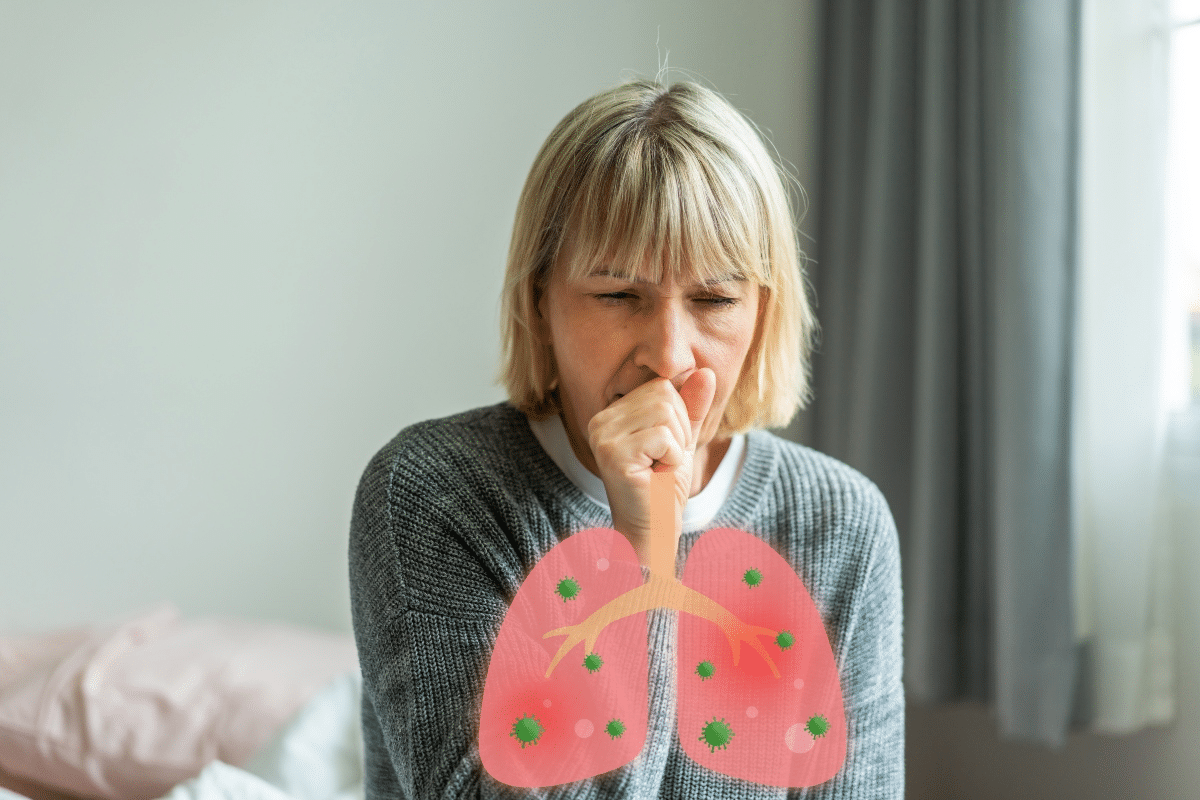
COPD is more than just breathing problems. Extreme tiredness is a big symptom that’s often ignored. People with COPD face many symptoms, with tiredness being a major one.
Differentiating Between Normal Tiredness and COPD-Related Fatigue
Everyone gets tired sometimes, and it usually goes away with rest. But COPD-related fatigue doesn’t get better with rest. It’s a tough symptom caused by lung problems and inflammation.
It’s key to know the difference between regular tiredness and COPD fatigue. Normal tiredness can be fixed with rest. But COPD fatigue needs more, like medical help and lifestyle changes.
How Fatigue Manifests in COPD Patients
Fatigue in COPD patients changes their lives a lot. It makes it hard to do daily tasks, keep up with friends, and enjoy life. The constant feeling of tiredness is really tough to deal with.
COPD patients with fatigue struggle with their daily tasks. This can start a cycle of less activity, more breathing problems, and more tiredness. It’s important to tackle this symptom to improve their lives.
Knowing how fatigue affects COPD patients helps us find better ways to manage it. This can make their lives better and help them do more meaningful things.
Prevalence of Fatigue in COPD Patients
Many people with COPD face severe fatigue. This tiredness is not just feeling tired. It’s a deep exhaustion that makes daily tasks hard.
50-70% Experience Extreme Fatigue
Research shows that 50 to 70 percent of COPD patients have extreme fatigue. This shows how common this symptom is. A study found that fatigue greatly affects their life and daily activities.
“The need to rest during the day can interfere with every aspect of life. It makes it harder to maintain a job and keep up with household chores.”
Comparison with Elderly Populations Without COPD
COPD patients experience more fatigue than the elderly without COPD. This shows that fatigue in COPD is not just due to aging. It’s linked to the disease itself. This highlights the need for specific treatments for COPD patients.
It’s important to understand how common fatigue is in COPD patients. This knowledge helps healthcare providers create better plans to help patients. It improves their quality of life.
Physiological Mechanisms Behind COPD-Related Fatigue
It’s important to know how COPD causes fatigue. COPD damages the airways, leading to lung function issues. This damage causes a series of changes that make people feel tired.
Oxygen Deprivation and Energy Production
COPD patients have trouble getting enough oxygen. This oxygen deprivation affects how the body makes energy. Our bodies need oxygen to turn food into energy well.
When oxygen levels drop, energy production slows down. This makes people feel tired and fatigued.
Medical Expert, a pulmonologist, says, “The lungs are not just for breathing; they’re critical for delivering oxygen to the body’s tissues.”
“The reduction in oxygen delivery to tissues and organs can significantly impact a patient’s quality of life.”
Carbon Dioxide Retention and Its Effects on the Body
COPD patients also have trouble getting rid of carbon dioxide. This buildup, called hypercapnia, causes symptoms like fatigue, headaches, and confusion.
- Carbon dioxide retention can lead to respiratory acidosis, further complicating the body’s ability to maintain energy homeostasis.
- The increased levels of carbon dioxide can also affect the brain, leading to symptoms like drowsiness and lethargy.
Increased Work of Breathing and Energy Expenditure
COPD patients have to work harder to breathe. This increased work of breathing uses more energy. It makes even simple tasks feel exhausting.
The mix of oxygen deprivation, carbon dioxide buildup, and harder breathing makes fatigue worse. Knowing these reasons helps find better ways to fight COPD-related fatigue.
Systemic Inflammation and Its Role in COPD Exhaustion
Systemic inflammation is a key feature of COPD, causing symptoms like fatigue. COPD is more than a lung disease; it affects the whole body. The ongoing inflammation in COPD makes patients feel extremely tired.
Inflammatory Pathways That Trigger Sickness Behavior
The inflammation in COPD leads to “sickness behavior.” This includes feeling tired, losing appetite, and feeling weak. This behavior helps the body save energy and fight off the inflammation.
In COPD, this sickness behavior lasts a long time. It really affects how well patients live. The pro-inflammatory cytokines play a big part in this. They affect many parts of the body and make patients feel very tired.
Biomarkers of Inflammation in Fatigued COPD Patients
Studies have found certain biomarkers of inflammation in tired COPD patients. These include CRP, IL-6, and TNF-alpha. These biomarkers show the inflammation in COPD and how severe the fatigue is.
Knowing these biomarkers helps us create better treatments for COPD. We’re moving towards treatments that fit each person’s needs. This means treatments based on their specific inflammation levels.
By tackling the inflammation in COPD, we can make patients’ lives better. We’re working on treatments, lifestyle changes, and rehab programs. These aim to lower inflammation and boost energy.
Psychological Factors Contributing to Fatigue in COPD
Depression and anxiety play big roles in the fatigue of COPD patients. Living with COPD is stressful. This stress can lead to mental health problems.
Depression and Anxiety: Accounting for 42% of Fatigue Variance
Studies show that depression and anxiety cause about 42% of COPD fatigue. These mental health issues make COPD symptoms worse. This creates a cycle that makes fatigue even harder to handle.
Managing COPD isn’t just about physical symptoms. It’s also about the mental toll. Depression and anxiety can really hurt a patient’s life quality. So, mental health support is key in COPD care.
The Vicious Cycle of Breathlessness, Anxiety, and Exhaustion
COPD patients often get stuck in a cycle. Breathlessness makes them anxious, which makes them even more tired. Breaking this cycle is hard, but knowing it exists helps in finding ways to manage it.
The link between breathlessness, anxiety, and exhaustion is complicated. As COPD gets worse, patients worry more about their breathing. This worry makes them even more anxious and tired.
|
Psychological Factor |
Impact on Fatigue |
Percentage of Patients Affected |
|---|---|---|
|
Depression |
Increased fatigue due to decreased motivation and interest in activities |
30% |
|
Anxiety |
Exacerbated breathlessness and increased energy expenditure |
25% |
|
Sleep Disturbances |
Poor sleep quality leading to increased daytime fatigue |
40% |
Understanding the psychological factors behind COPD fatigue helps doctors create better treatment plans. These plans tackle both the physical and mental sides of the disease.
Sleep Disturbances and Their Impact on COPD Tiredness
Sleep problems are a big issue for people with COPD, making them feel even more tired. Many COPD patients face sleep-related issues that really affect their life quality.
Common Sleep Disorders in COPD
COPD patients are more likely to have sleep disorders like sleep apnea and insomnia. Sleep apnea causes breathing pauses at night, putting extra stress on the lungs. Insomnia makes it hard to sleep well, leading to not getting enough rest.
As one MyCOPDTeam member said, “Insomnia is my constant problem.” This shows how much sleep disorders can affect COPD patients’ daily lives.
Nocturnal Oxygen Desaturation and Sleep Quality
Nocturnal oxygen desaturation means blood oxygen levels drop at night. This is a big problem for COPD patients, as it messes with sleep and makes fatigue worse. It’s important to watch and manage this to get better sleep.
|
Sleep Disorder |
Impact on COPD |
Management Strategy |
|---|---|---|
|
Sleep Apnea |
Increased strain on the respiratory system |
CPAP therapy, lifestyle changes |
|
Insomnia |
Inadequate rest and recovery |
Sleep hygiene practices, cognitive behavioral therapy |
|
Nocturnal Oxygen Desaturation |
Disrupted sleep patterns, exacerbated fatigue |
Oxygen therapy, monitoring |
It’s key to tackle sleep problems to manage COPD-related tiredness. By treating sleep disorders, healthcare can improve COPD patients’ lives a lot.
Effective Strategies for Managing COPD-Related Fatigue
We can manage COPD-related fatigue with a detailed plan. This includes medical treatments, exercise, and lifestyle changes. These steps help COPD patients live better lives and fight off extreme tiredness.
Medical Treatments
Medical treatments are key in fighting COPD fatigue. Bronchodilators help open airways for better breathing. Oxygen therapy makes sure tissues and organs get enough oxygen. Sometimes, combination medicines are used to control symptoms better.
- Bronchodilators to improve airflow
- Oxygen therapy to increase oxygen levels
- Combination medicines for symptom management
Antibiotics may also be needed to fight off infections that worsen COPD symptoms.
Pulmonary Rehabilitation and Exercise Training
Pulmonary rehabilitation includes exercise, education, and support for COPD patients. Exercise training boosts heart health, muscle strength, and endurance. This helps lessen fatigue and boosts overall health.
Exercise programs are made to fit each person’s needs and abilities. This ensures a safe and effective way to improve physical function.
Energy Conservation Techniques for Daily Activities
Energy-saving tips are vital for daily tasks without adding to fatigue. Simple steps include pacing activities, taking breaks, and focusing on important tasks. Using assistive devices also helps save energy for daily tasks.
- Prioritize tasks based on importance and energy levels
- Use assistive devices to reduce energy expenditure
- Take regular breaks to rest and recover
By using these tips, COPD patients can stay independent and lessen fatigue’s impact on their daily lives.
Conclusion: Addressing Fatigue for Improved Quality of Life with Life
We’ve looked into how COPD and extreme tiredness are linked. Fatigue is a big problem for millions of people around the world. It makes life much harder for those with COPD.
Understanding why COPD causes tiredness is important. It’s because of lack of oxygen, too much carbon dioxide, and harder breathing. Depression and anxiety also make it worse.
To fight fatigue, doctors use medicines and oxygen. Exercise and breathing training help too. Simple steps like saving energy and getting better sleep can also help.
It’s vital to tackle fatigue to improve life for COPD patients. Knowing why it happens and how to manage it helps patients live better. By focusing on managing COPD and tiredness, we can help patients enjoy their lives more.
FAQ
Does COPD cause extreme tiredness and fatigue?
Yes, COPD can make you extremely tired and fatigued. This happens because of not enough oxygen, too much carbon dioxide, and harder breathing.
What is the prevalence of fatigue in COPD patients?
About 50-70% of COPD patients feel very tired. This makes fatigue a big problem for them.
How does systemic inflammation contribute to COPD-related fatigue?
Systemic inflammation is a big factor in COPD fatigue. It makes you feel sick and releases chemicals that make you even more tired.
Can psychological factors contribute to fatigue in COPD patients?
Yes, feelings like depression, anxiety, and poor sleep can make COPD patients even more tired. These feelings play a big role in how tired they feel.
How do sleep disturbances impact COPD-related tiredness?
Poor sleep, like sleep apnea and insomnia, makes COPD patients even more tired. It lowers the quality of their sleep and makes fatigue worse.
What are the effective strategies for managing COPD-related fatigue?
To fight COPD fatigue, doctors use treatments like bronchodilators and oxygen. Pulmonary rehab and energy-saving tips for daily tasks also help.
Can pulmonary rehabilitation help alleviate COPD-related fatigue?
Yes, pulmonary rehab, which includes exercise, can help reduce COPD fatigue. It improves physical function and lessens symptoms.
How can energy conservation techniques help manage COPD-related fatigue?
Techniques like pacing and taking breaks help manage COPD fatigue. They save energy and make daily tasks easier.
Is COPD-related fatigue a normal part of aging?
No, COPD fatigue is not just from getting older. It’s important to tell the difference to find the right ways to manage it.
Can COPD cause exhaustion?
Yes, COPD can lead to exhaustion. The hard work of breathing, lack of oxygen, and inflammation all take a toll on daily life.
References
Profound Why Does COPD Exhaustion Occur So Often? https://pmc.ncbi.nlm.nih.gov/articles/PMC6767724/