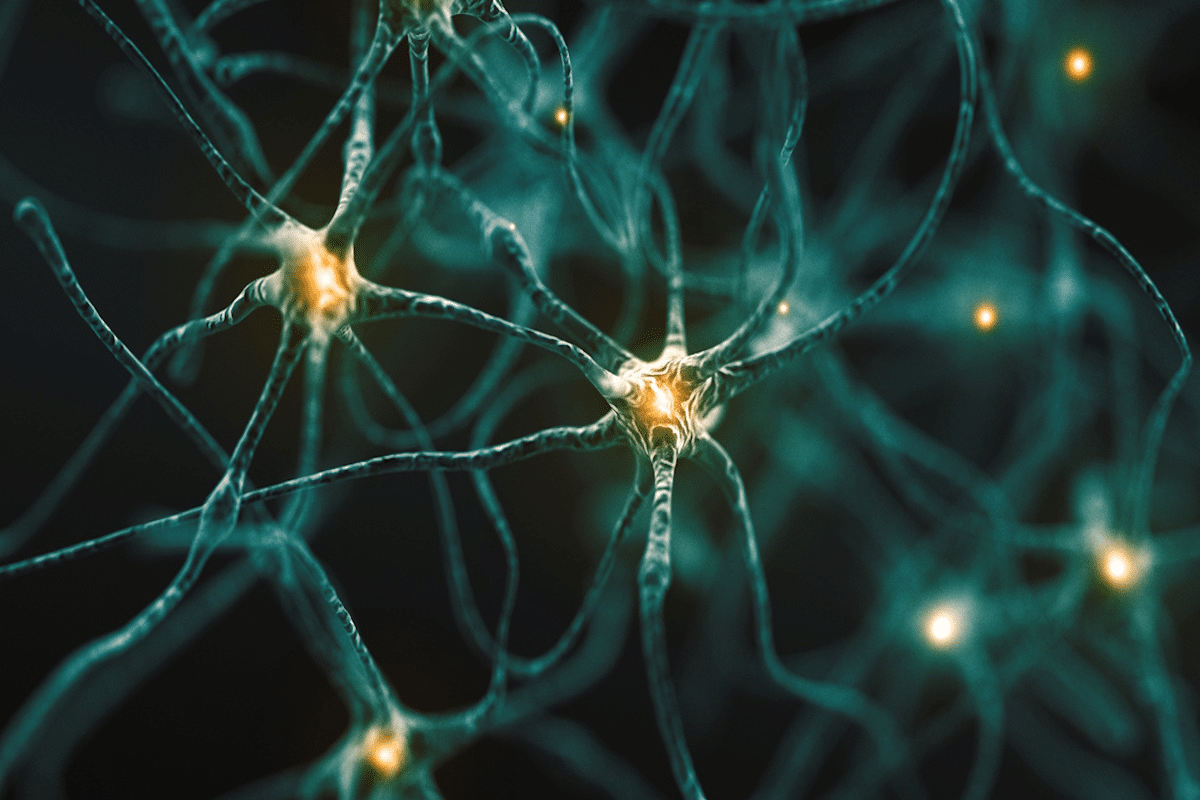
Neurons are the basic units of the nervous system. They act as special messengers of information.
These amazing cells send signals through electrical and chemical means. They help control everything from simple movements to deep thoughts.
Neurons play a key role in our body. They help send information from one part to another. This is how we breathe, talk, and think.
Key Takeaways
- Neurons are the basic cells of the nervous system.
- They function as information messengers using electrical and chemical signals.
- Neurons coordinate various bodily functions, from basic movements to complex thought processes.
- The transmission of information between different areas of the body is facilitated by neurons.
- Neurons enable actions such as breathing, talking, and thinking.
The Building Blocks of the Nervous System
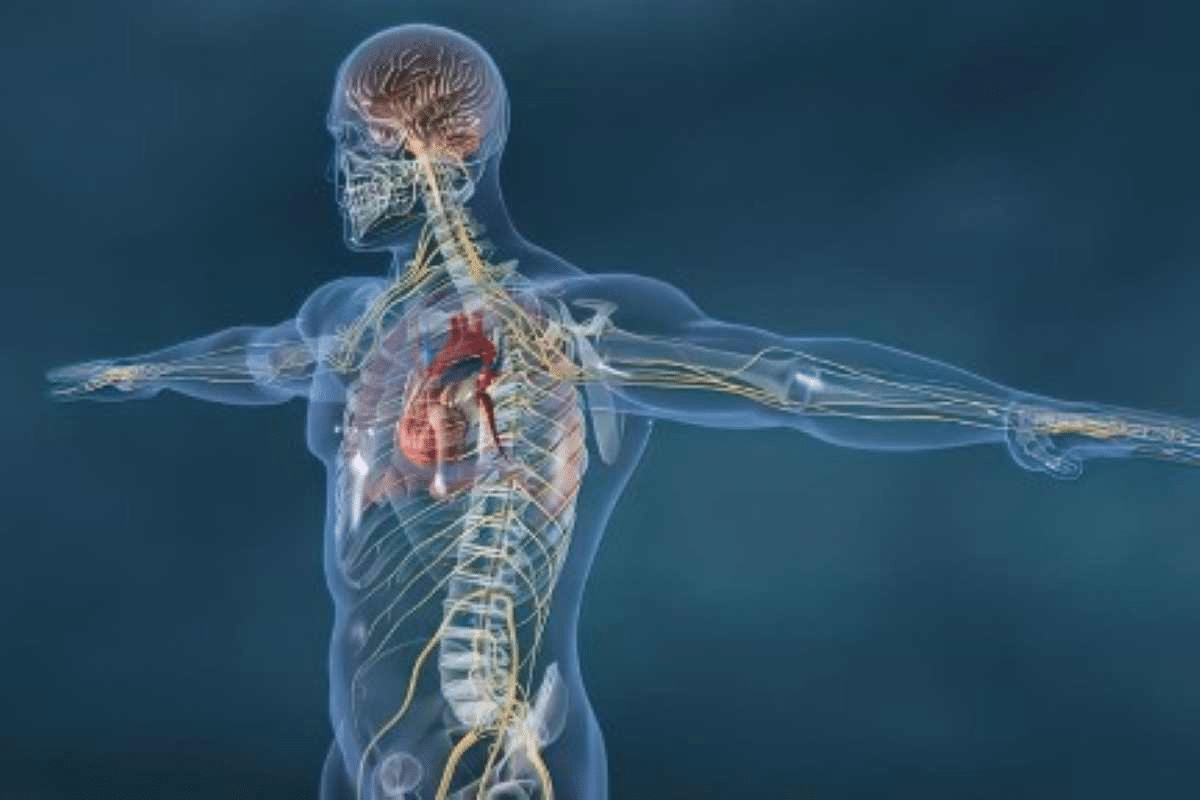
The human nervous system is a complex network. It relies on a fundamental unit called the neuron. Neurons are the basic cells of the nervous system, playing a key role in sending and receiving signals. The nervous system’s ability to function is rooted in these cells.
At the heart of the nervous system are neurons, the real brain cells that facilitate signal transmission. They are the core components that make up the nervous system. This enables it to perform various functions.
Defining Neurons as Information Messengers
Neurons act as information messengers within the body. They receive, integrate, and transmit information through electrical and chemical signals. This process allows the nervous system to coordinate and control various bodily functions.
The role of neurons as information messengers is multifaceted. They can transmit signals to other neurons, muscle cells, or gland cells. This influences a wide range of physiological processes.
The Scale of Neural Networks in the Human Brain
The human brain contains approximately one hundred billion neurons. Each neuron is connected to around 1,000 other neurons. This creates an incredibly complex network of communication.
The central nervous system is made up of two basic types of cells: neurons, the nerve cells that send and receive signals, and glia, cells that provide structure in the brain. The scale and complexity of neural networks underscore the remarkable capabilities of the human brain.
The interconnectedness of neurons enables the nervous system to perform a variety of functions. From controlling movement to facilitating thought processes, neurons play a key role. Understanding the scale and complexity of neural networks is essential for appreciating the human brain’s workings.
Anatomy of a Neuron: The Three Major Parts
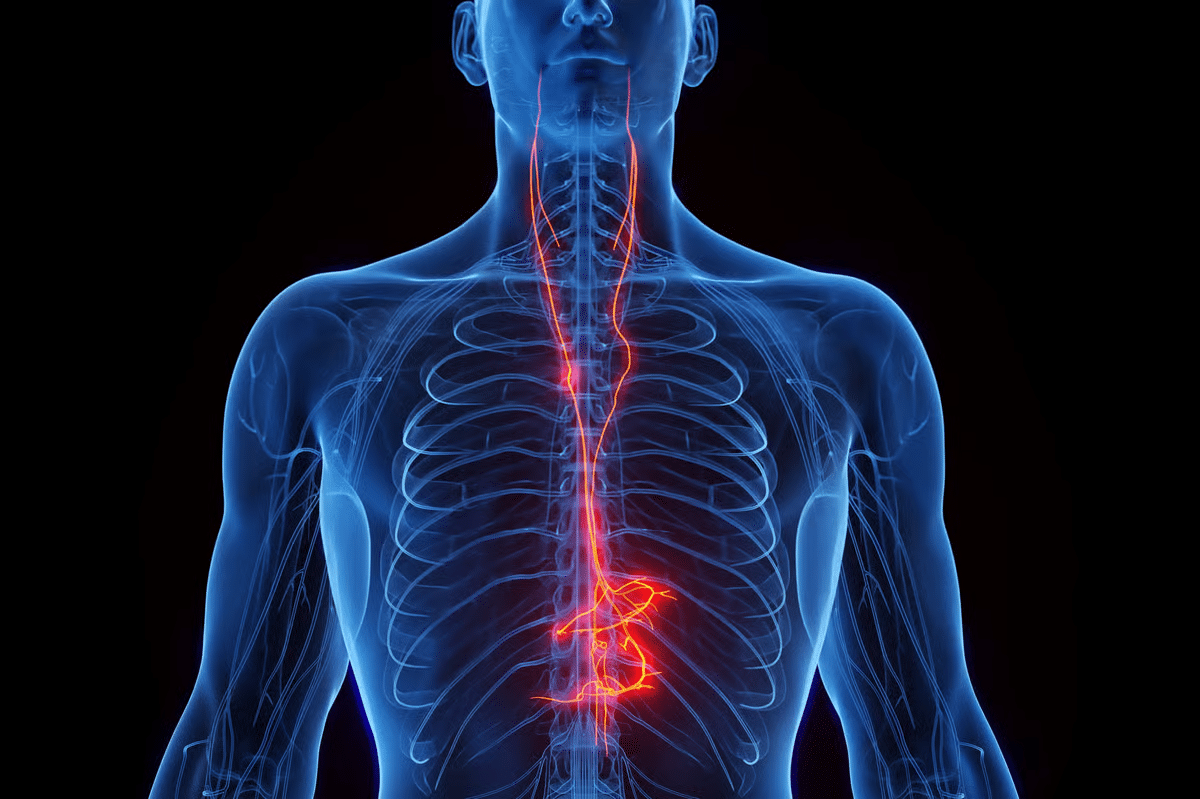
The neuron has three main parts, each with a key role. Knowing about these parts helps us understand how neurons work in our nervous system.
The Cell Body (Soma)
The cell body, or soma, is at the center of the neuron. It houses the nucleus and the genetic material needed for the neuron’s function. As the control center of the neuron, it manages activities like protein synthesis and cell metabolism.
Dendrites: The Information Receivers
Dendrites are the neuron’s extensions that get signals from other neurons. They are vital for gathering and processing information. Their many branches increase the area for receiving signals. “Dendrites are the primary structures for receiving synaptic inputs from other neurons,” showing their key role in neural communication.
Axons: The Signal Transmitters
Axons are long, thin parts of the neuron that send signals away from the cell body. They are key for sending information through the nervous system. The axon’s myelination makes signal transmission faster, enabling quick communication across the body.
Understanding the three main parts of a neuron is essential. It helps us see how it controls our body’s functions.
What Is the Purpose of a Neuron in the Brain?
Neurons are the brain’s basic units. They receive, integrate, and send information. They act as messengers, using electrical and chemical signals to communicate between different parts of the brain and the body.
Information Processing and Integration
Neurons are key in processing and integrating information. They get signals from other neurons through their dendrites. The cell body then decides if it should send out an action signal.
This process helps the brain understand sensory info, control movements, and handle many cognitive tasks. For example, when you touch something hot, neurons in your skin send signals to your brain. Your brain then sends a response back to move your hand away.
Signal Transmission Throughout the Body
Neurons send signals all over the body. This is important for both voluntary actions, like walking, and involuntary ones, like digestion. They use both electrical and chemical signals for this.
Types of Neurons and Their Functions
|
Type of Neuron |
Function |
|---|---|
|
Sensory Neurons |
Transmit information from sensory receptors towards the central nervous system. |
|
Motor Neurons |
Carry signals from the central nervous system to muscles or glands. |
|
Interneurons |
Act as intermediaries, processing and integrating information within the central nervous system. |
Coordination of Bodily Functions
Neurons help coordinate many bodily functions, from simple reflexes to complex thinking. They work together in a complex network, talking to each other and to other cells like muscle cells or gland cells.
This network allows for precise control over our bodies. For instance, it helps us react to our surroundings by coordinating sensory input, neural processing, and motor output.
The Nucleus: Command Center of Neural Activity
The nucleus is at the heart of every neuron. It’s the command center that directs the cell’s functions. The nucleus stores genetic information and controls how the cell works.
Genetic Material and Cell Maintenance
The nucleus holds the cell’s genetic material, in the form of DNA. This is key for keeping the neuron’s structure and function in check. It oversees processes like protein making, cell growth, and how cells change.
Key Functions of the Nucleus:
- Storage of genetic information
- Regulation of gene expression
- Control of protein synthesis
- Maintenance of cellular homeostasis
Gene Expression in Neuronal Function
Gene expression turns genetic information into functional products, like proteins. These proteins carry out specific tasks in the neuron. The nucleus manages this process, adjusting it based on signals it receives.
This regulation is vital for the neuron’s function. It lets the neuron respond to stimuli, talk to other cells, and stay healthy.
Nuclear Regulation of Communication
The nucleus is key in controlling how neurons talk to each other. It decides which genes to use for making neurotransmitters. These chemicals send signals to other neurons or to muscles or glands.
|
Nuclear Function |
Role in Neuronal Communication |
|---|---|
|
Regulation of gene expression |
Controls the synthesis of neurotransmitters and other signaling molecules |
|
Control of protein synthesis |
Essential for the production of proteins involved in synaptic transmission |
|
Maintenance of cellular homeostasis |
Ensures the overall health and functionality of the neuron |
In conclusion, the nucleus is the heart of neural activity. It’s essential for keeping neurons healthy and working right. Its role in gene expression, protein making, and keeping the cell balanced is key for how neurons communicate and the nervous system works.
Electrical Signaling: The Neural Language
The nervous system uses electrical signals to talk to each other. Neurons send information through these signals, with action potentials playing a key role.
It starts when a neuron’s dendrites get a signal from another neuron’s axon. This makes the cell’s membrane charge change, called depolarization. Medical Expert, “The electrical excitability of neurons is what lets them send info far and wide.”
“The electrical excitability of neurons is the fundamental property that allows them to transmit information over long distances.”Medical Expert
Action Potentials Explained
An action potentials is a quick change in a neuron’s membrane. It happens when the neuron gets a stimulus. This change is because of ions moving across the membrane, mainly sodium and potassium.
The process has several stages. First, there’s the resting state. Then, depolarization makes the membrane more positive. Next, repolarization brings it back to the resting state. Lastly, there’s hyperpolarization, where the membrane becomes even more negative.
- The resting state is when the neuron’s membrane is stable.
- Depolarization happens when sodium ions flow in, making the membrane positive.
- Repolarization brings the membrane back to its resting state, thanks to potassium ions leaving.
- Hyperpolarization is a brief state where the membrane is more negative than the resting state.
Propagation of Electrical Signals Along Axons
After an action potentials is created, it travels down the axon. It reaches the synapse, where it can talk to other neurons. The myelination of axons helps speed up this signal travel.
Medical Expert, “The myelination of axons is key for fast signal transmission in the nervous system.”
In summary, electrical signaling is vital for the nervous system. It lets neurons talk to each other. Understanding action potentials and how they move along axons helps us see how complex neural communication works.
Chemical Signaling: Neurotransmitters at Work
Neurons talk to each other through chemical signals. They use neurotransmitters to send messages across synapses. This is key to how our nervous system works.
Role of Neurotransmitters
Neurotransmitters are like messengers that cross the gap between neurons. They help neurons talk to each other. This lets signals travel all over our body.
The Synaptic Transmission Process
First, neurotransmitters are released from one neuron. Then, they bind to receptors on another neuron. This can either excite or calm the neuron, depending on the neurotransmitter and receptor.
This complex process shows how amazing neural communication is. It’s a dance of chemical signals and neurotransmitters. It’s what makes our thoughts, actions, and body functions work.
FAQ
What is the primary function of neurons in the brain?
Neurons, or nerve cells, are key to the nervous system. They send and process information through electrical and chemical signals.
What are the three major parts of a neuron?
A neuron has three main parts: the cell body (soma), dendrites, and axon. Each part is vital for the neuron’s function.
What is the role of dendrites in a neuron?
Dendrites receive information from other neurons. They collect and process these signals.
How do neurons communicate with each other?
Neurons talk to each other through synaptic transmission. Chemical messengers, or neurotransmitters, are released and bind to receptors on other neurons.
What is the function of the nucleus in a neuron?
The nucleus is the neuron’s control center. It keeps the cell’s genetic material, regulates gene expression, and controls the neuron’s activity.
Can brain cells be replaced?
The human brain can’t replace neurons like other cells. But, some brain areas can grow new neurons through neurogenesis.
What is the role of axons in signal transmission?
Axons send signals away from the cell body. They carry electrical signals to other neurons, muscles, or glands.
How do neurons process and integrate information?
Neurons handle information through electrical and chemical signals. This complex network lets the brain understand and react to stimuli.
What is the significance of neurons in controlling bodily functions?
Neurons control many bodily functions. They manage movement, sensation, perception, and thinking.
Are neurons the basic cells of the nervous system?
Yes, neurons are the basic cells of the nervous system. They are responsible for transmitting and processing information in the body.
Reference
National Center for Biotechnology Information. Neuron Function: Signaling and Control in the Brain. Retrieved from https://www.ncbi.nlm.nih.gov/books/NBK11154/