Adhesive allergic reactions are a significant concern for people needing medical adhesives. These reactions happen when the skin reacts to certain ingredients in the adhesives. This leads to allergic contact dermatitis reaction to adhesive.
Studies show that about 2.2% to 2.8% of patients get allergic contact dermatitis from skin adhesives. Knowing the causes, symptoms, and treatments is key. At Liv Hospital, we provide top-notch dermatological care. We focus on diagnosing and treating skin issues related to adhesives.
Key Takeaways
Adhesive allergic reactions can cause significant skin irritation.
Understanding the causes and symptoms is key to effective treatment.
Liv Hospital offers specialized care for adhesive-related skin conditions.
Prevention strategies can help reduce the risk of adhesive allergic reactions.
Proper diagnosis is essential for treating adAdhesive Skin Allergies
hesive allergy symptoms effectively.
Understanding
Adhesive skin allergies are a common problem with medical adhesives. These allergies happen when the skin reacts to certain ingredients in adhesives. This includes bandages, wound dressings, and surgical tapes. We will look at what causes these reactions and how common they are.
Common Causes of Skin Irritation
Many ingredients in medical adhesives can irritate the skin. Cyanoacrylates, for example, are found in surgical wound closure products and can cause allergic reactions. Other allergens include colophony and balsam of Peru, used in some adhesives.
These substances can cause an adhesive bandage rash or other skin issues in people who are sensitive. It’s important to find out which allergen is causing the problem to avoid it in the future.
Prevalence and Risk Factors
Allergic reactions to adhesives are more common than you might think. Research shows that a lot of people can be allergic to certain adhesive ingredients. For instance, being allergic to bandaid glue is quite common. People with allergies or sensitive skin are more likely to be affected.
Knowing the risk factors, like past allergic reactions or the use of certain medical products, helps identify who might be more at risk. This knowledge is key when assessing the chance of an allergic reaction to medical adhesives.
Healthcare providers can reduce the risk of these allergies by choosing hypoallergenic adhesives. They should also watch for signs of allergic reactions in patients.
Common Ingredients That Trigger Reaction to Adhesive
Knowing what causes adhesive allergies is key to avoiding and treating them. Adhesives in medical products, like wound dressings and surgical tapes, contain chemicals that can irritate the skin.
We’ll look at the ingredients that often cause allergic reactions. This helps healthcare workers and patients make smart choices about using adhesives.
Cyanoacrylates in Medical Products
Cyanoacrylates are strong adhesives used in medicine. They’re in products like Dermabond, which closes wounds quickly. But, they can cause allergic reactions in some people, from mild irritation to serious issues.
Because they work well, cyanoacrylates are used a lot in medicine. It’s important to watch for allergic signs, mainly in those who are already sensitive to adhesives.
Colophony and Balsam of Peru
Colophony comes from pine trees, and Balsam of Peru is from the Myroxylon tree. Both are in adhesives and can cause contact dermatitis in some. Colophony is in surgical tapes and dressings, while Balsam of Peru is in some adhesives for its stickiness and germ-fighting abilities.
People allergic to these should steer clear of products with them to avoid adhesive burns on skin and other allergic issues.
Ingredient
Common Use
Potential Reaction
Cyanoacrylates
Wound closure, surgical adhesives
Allergic contact dermatitis, irritation
Colophony
Surgical tapes, wound dressings
Contact dermatitis, skin irritation
Balsam of Peru
Adhesive products, wound care
Allergic reactions, skin sensitization
Methacrylates and Other Chemical Sensitizers
Methacrylates are in medical and dental products, like bone cements. They can cause allergic reactions, mostly in those who’ve been exposed before.
Other chemicals in adhesives can also cause reactions, from mild rashes from surgical tape to severe allergic dermatitis. It’s important to know and avoid these for those with adhesive allergies.
By knowing what triggers adhesive allergies, we can manage and prevent them. This ensures safer use of medical adhesives.
Identifying Adhesive Allergy Symptoms
It’s important to know the signs of adhesive allergies to treat and prevent irritation. These allergies can show up in different ways. So, it’s key to understand all the possible reactions.
Early Warning Signs
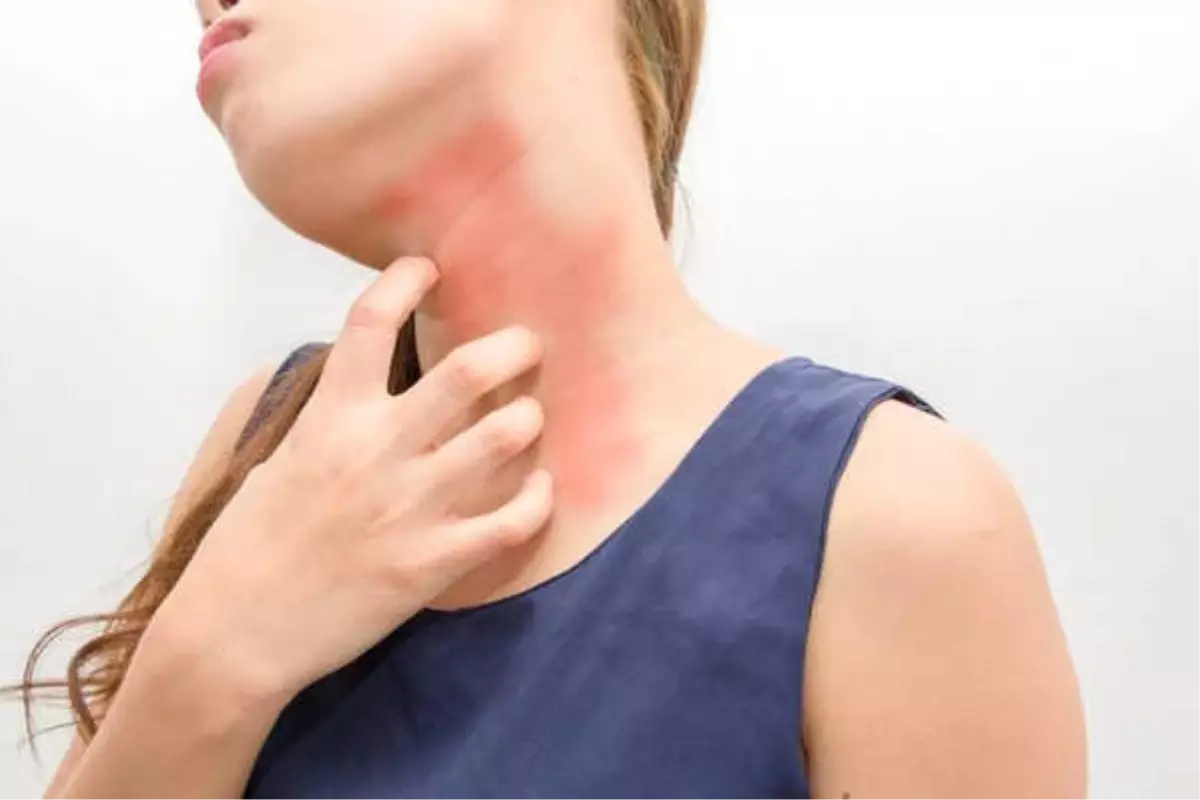
The first signs of an adhesive allergy might be small. You might see mild redness and itching where the adhesive was applied. These signs can look like other skin problems, so watch the area closely.
Some people might notice slight swelling or a burning sensation. These are early signs of an allergic reaction. Knowing these signs helps you act fast.
Moderate to Severe Manifestations
As the allergy gets worse, symptoms can get more serious. You might see more pronounced redness, swelling, and blistering. The skin could also get lesions or become crusty. These signs can be painful and might get worse if not treated.
In bad cases, adhesive allergies can be very uncomfortable. They might even need a doctor’s help. It’s important to know when to seek medical care.
Timeline of Symptom Development
Symptoms of adhesive allergy usually show up 1 to 2 weeks after being exposed. But, how fast or slow it happens can vary. It depends on how sensitive you are and the type of adhesive.
Knowing when symptoms start is key to treating adhesive allergies right. By spotting the signs early and acting quickly, you can avoid worse reactions.
The Immunology of Adhesive Allergic Reactions
It’s important to understand the science behind adhesive allergic reactions. These reactions are mainly caused by a Type IV hypersensitivity response. This is an immune reaction to certain allergens.
Type IV Hypersensitivity Response
A Type IV hypersensitivity response is a cell-mediated immune reaction. It happens 48 to 72 hours after being exposed to an allergen. In the case of adhesive allergies, common allergens are cyanoacrylates, colophony, and methacrylates.
The immune system sees these substances as foreign. This triggers an inflammatory response. Symptoms include skin irritation, redness, and itching.
The immune response involves T-cells and other immune cells. They release substances that attract more immune cells. This leads to the symptoms of an adhesive allergic reaction.
Difference Between Irritant and Allergic Contact Dermatitis
It’s key to know the difference between irritant and allergic contact dermatitis. Irritant contact dermatitis (ICD) is a non-immunologic reaction. It’s caused by irritants like detergents or acids. Allergic contact dermatitis (ACD), on the other hand, is an immunologically mediated response to specific allergens.
Irritant Contact Dermatitis (ICD):
Non-immunologic
Caused by irritants
Symptoms can occur immediately or after repeated exposure
Allergic Contact Dermatitis (ACD):
Immunologically mediated
Triggered by specific allergens
Delayed response, typically 48-72 hours after exposure
Getting the right diagnosis is key for proper treatment. While both conditions have similar symptoms, their different causes need different treatments.
“The distinction between irritant and allergic contact dermatitis is critical for guiding treatment decisions and preventing future reactions.” — Expert in Dermatology
Immediate Steps After Discovering an Adhesive Reaction
An adhesive reaction can be very uncomfortable. Knowing how to handle it quickly is key. If you find out you’re allergic to bandaid adhesive, act fast to lessen the harm and ease the symptoms.
Safe Adhesive Removal Techniques
To manage an adhesive reaction on skin, start by carefully removing the adhesive product. Here’s how to do it safely:
Gently peel off the adhesive from one edge, taking care not to pull on the surrounding skin.
If the adhesive is stubborn, apply a small amount of oil or adhesive remover to help loosen it.
Avoid using harsh chemicals or abrasive materials that could further irritate the skin.
Proper Cleansing of Affected Skin
After removing the adhesive, clean the affected area well. Use mild soap and lukewarm water for a gentle wash. Don’t scrub or use hot water, as it can make things worse. Pat dry with a clean towel.
When to Seek Emergency Medical Care
While many skin adhesive allergy reactions can be managed, some need immediate medical help. Go to the emergency room if you notice:
Difficulty breathing or swallowing
Rapid heartbeat or dizziness
Severe blistering or skin peeling
Increasing pain or redness around the affected area
Knowing these signs and acting fast can prevent serious problems from an adhesive reaction.
Home Remedies for Treating Mild Adhesive Reactions
Several home remedies can help with mild adhesive reactions. These include treating adhesive bandage rash and reactions to band aid glue allergy. Simple, effective treatments can make a big difference.
Cool Compresses and Soothing Baths
Applying a cool compress is a great way to ease discomfort from adhesive reactions. It reduces inflammation and itching. To make one, wet a cloth with cold water, wring it out, and apply it for 15-20 minutes. Do this several times a day.
Soothing baths can also help. Adding colloidal oatmeal or baking soda to your bath can calm irritated skin. Oatmeal baths are great for their anti-inflammatory effects.
Natural Anti-Inflammatory Applications
Many natural products can soothe skin irritated by adhesive reactions. Aloe vera gel is calming and can be applied directly. Tea tree oil and honey have antimicrobial properties that prevent infection.
Over-the-Counter Solutions
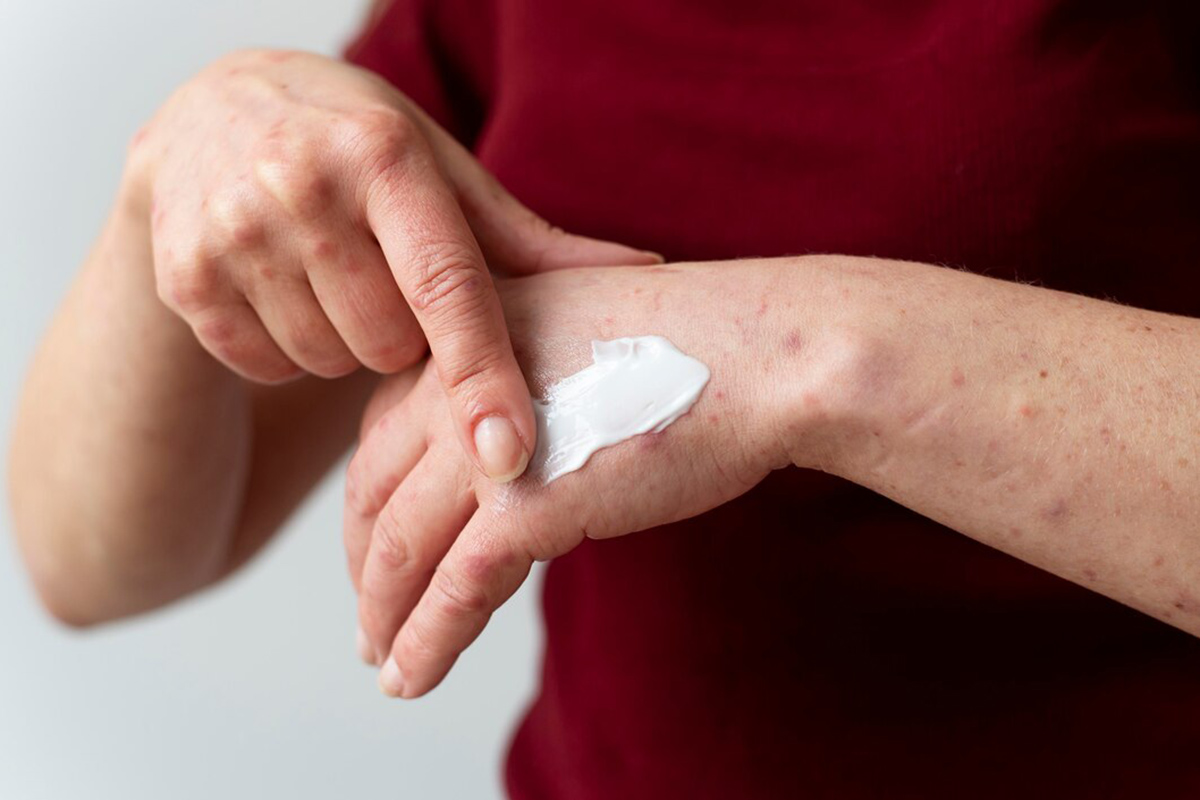
For more relief, try over-the-counter (OTC) creams and ointments. Hydrocortisone cream can reduce inflammation and itching. Antihistamine creams or oral antihistamines can also help with itching and allergic responses.
Always follow the product’s instructions and talk to a healthcare professional if symptoms don’t improve. Using these remedies can help manage mild adhesive reactions and prevent further irritation.
Medical Treatments for Adhesive Allergies
Medical treatments are key for dealing with adhesive allergies, mainly for serious reactions. If someone has an allergic reaction to things like adhesive tape or Steri Strips, quick action is needed. This helps ease symptoms and stops things from getting worse.
Topical Corticosteroids and Their Application
Topical corticosteroids are a common fix for adhesive allergies. They help lessen inflammation and itching. These creams or ointments are applied directly to the skin and come in different strengths.
Application Guidelines:
Clean the affected area before application.
Apply a thin layer of corticosteroid cream or ointment.
Use as directed by a healthcare professional, typically once or twice daily.
Oral Antihistamines and Anti-Inflammatory Medications
Oral antihistamines help with itching and lessen allergic reactions. They block histamine receptors, which cuts down on allergy symptoms. Sometimes, anti-inflammatory meds are also given to lessen inflammation and pain.
Medication Type
Primary Use
Common Side Effects
Oral Antihistamines
Relieve itching and reduce allergic response
Drowsiness, dry mouth
Anti-Inflammatory Medications
Reduce inflammation and discomfort
Gastrointestinal upset, headache
Prescription Treatments for Severe Reactions
For very bad adhesive allergy reactions, stronger meds might be needed. This could include stronger topical corticosteroids, oral corticosteroids, or other meds that help the immune system. Always talk to a doctor for the right treatment plan.
Knowing about medical treatments for adhesive allergies helps people manage their condition better. It’s important to work with a healthcare provider to find the best treatment.
Managing Adhesive Burns and Blisters
It’s important to know the difference between adhesive burns and allergic reactions. Adhesive burns happen when the adhesive causes friction or heat. Allergic reactions occur when the body reacts to certain parts of the adhesive.
Differentiating Between Allergic Reactions and Adhesive Burns
It’s key to tell apart allergic reactions and adhesive burns. Allergic reactions show up as redness, itching, and swelling. Adhesive burns cause a burning feeling, blisters, and skin irritation. A study says, “The clinical presentation of adhesive burns can be similar to allergic contact dermatitis, making diagnosis challenging.”
Healthcare experts look closely at the affected area to tell the difference. Allergic reactions usually cover a larger area. Adhesive burns are more focused on where the adhesive was applied.
Proper Blister Care and Management
Dealing with blisters from adhesive burns or allergic reactions needs careful wound care. Here’s what to do:
Gently clean the area with mild soap and water.
Put a topical antibiotic ointment on to stop infection.
Use a non-stick dressing to cover the blister and protect it.
Don’t pop or burst the blister to avoid infection.
Doctors say, “Proper wound care is critical in preventing infection and promoting healing.”
Promoting Skin Healing and Regeneration
To help the skin heal and grow back, keep it clean and moist. Use a cream or gel with aloe vera or vitamin E to soothe the skin. Also, moisturizing the area can prevent scarring.
By understanding adhesive burns and blisters and using the right care, you can avoid complications and help the skin heal well.
Hypoallergenic Alternatives for Sensitive Skin
People with sensitive skin often face issues with adhesive allergies. These allergies can be very uncomfortable and even cause serious problems. Luckily, new, safer options have been developed to help avoid these issues.
Silicone-Based Adhesive Products
Silicone-based adhesives are great for those with sensitive skin. They are softer and less likely to irritate the skin than regular adhesives. Silicone-based products are perfect for things like glucose monitors or ostomy care because they last longer.
Using silicone adhesives can greatly lower the chance of skin irritation and allergic reactions. They stick well to the skin but are gentle, making them a top pick for those with allergies.
Non-Adhesive Wound Care Solutions
For those with severe adhesive allergies, non-adhesive wound care is a good option. These solutions use gentle fixation methods that don’t use adhesives, so there’s no risk of allergic reactions. They help keep dressings in place without irritating the skin.
Examples include wraps, retention garments, or non-adhesive foam dressings. These are great for people with sensitive skin or those who’ve had problems with adhesives before.
Medical Alternatives for Surgical Procedures
In surgeries, hypoallergenic options are being looked into for patients with adhesive allergies. Medical alternatives like hypoallergenic glue or staples can help avoid allergic reactions. Also, non-adhesive surgical drapes and wound closures offer safer choices for surgery.
Doctors and healthcare teams are starting to use these alternatives more. This helps keep patients safe and comfortable during surgery. Using hypoallergenic materials and methods can lead to better results for everyone.
Prevention Strategies for Future Adhesive Reactions
To avoid skin problems from adhesives, it’s key to know the causes and take steps to prevent them. Understanding and acting on these steps can greatly lower the chance of an adhesive allergic reaction.
Patch Testing Protocols
Patch testing is a vital step in avoiding skin issues from adhesives. It means putting a small amount of the product on a small skin area to see if there’s a bad reaction. Patch testing should be done with care, following these steps:
Choose an area of skin that is representative of the area where the adhesive will be applied.
Apply a small amount of adhesive to the test area.
Observe the area over 24 to 48 hours for signs of reaction.
Skin Barrier Protection Techniques
Keeping the skin barrier safe is also key to avoiding adhesive problems. This can be done by using a barrier cream or dressing between the skin and the adhesive. Skin barrier protection methods can lessen the chance of irritation and allergic reactions.
Technique
Description
Benefits
Barrier Creams
Apply a thin layer of barrier cream between the skin and adhesive.
Reduces direct contact between adhesive and skin, minimizing irritation risk.
Protective Dressings
Use dressings that are designed to protect the skin from adhesive.
Provides an additional layer of protection against adhesive irritation.
Creating a Personal Allergen Card
Having a personal allergen card is a smart move for those who often react to adhesives. This card lists known allergens and is carried to inform doctors in emergencies. Making a personal allergen card means:
Listing all known allergens, including specific adhesive components.
Updating the list as new allergens are identified.
Sharing the information with healthcare providers.
By using these prevention steps, people can greatly lower their risk of adhesive allergic reactions. This ensures healthier skin and more peace of mind.
Special Considerations for Vulnerable Populations
Children and the elderly need special care when dealing with adhesive allergies. Their skin is more sensitive and may have specific issues. It’s important to tailor treatments to meet their unique needs.
Pediatric Adhesive Allergy Management
Children’s skin is delicate and easily irritated. When dealing with adhesive allergies in kids, use gentle, hypoallergenic products. This helps avoid an adhesive reaction.
Parents and caregivers should know the signs of an allergic reaction. They also need to learn how to care for their child’s skin properly.
Elderly Skin Considerations
The skin of the elderly is thinner and more fragile. This makes them more likely to suffer from skin damage from adhesives. It’s important to choose the right adhesive products and use gentle removal techniques.
Healthcare providers should consider the patient’s skin health when picking adhesives.
Approaches for Patients with Chronic Skin Conditions
Those with chronic skin conditions, like eczema or psoriasis, need special care. Their skin issues can make diagnosing and treating adhesive reactions harder. Working closely with a healthcare provider is key.
Developing a personalized treatment plan is essential. It should address their specific needs and reduce the risk of an allergic reaction to bandaid glue or other adhesives.
Conclusion
It’s important to know about adhesive allergies to avoid reactions and get safe medical care. This guide has covered the reasons, signs, and ways to treat adhesive allergic reactions. This includes skin adhesive allergy and symptoms.
Knowing what causes these allergies, like cyanoacrylates and colophony, helps reduce risks. Spotting symptoms early is key to managing and treating them.
We talked about different treatments, from home remedies to medical options. We also stressed the need for hypoallergenic products for sensitive skin. Using prevention methods, like patch testing and protecting skin, can lower the risk of allergic reactions.
In summary, dealing with adhesive allergic reactions is a big issue that needs attention and proper handling. By learning about the causes, signs, and treatments, people can get safe medical care. We urge readers to actively manage their allergies and seek help if they show signs of an allergic reaction.
FAQ
What are the common causes of adhesive allergic reactions?
Adhesive allergic reactions often come from certain ingredients in medical adhesives. These include cyanoacrylates, colophony, and balsam of Peru. Knowing these causes helps spot who might be at risk.
How do I identify the symptoms of an adhesive allergy?
Symptoms of an adhesive allergy can range from mild to severe. They include redness, itching, swelling, and blistering. Spotting these symptoms early is key to managing them well.
What is the difference between irritant and allergic contact dermatitis?
Irritant contact dermatitis is not an allergic reaction. Allergic contact dermatitis, on the other hand, is an immune response to an allergen. Knowing the difference is important for the right treatment.
How can I manage mild adhesive reactions at home?
For mild reactions, try cool compresses, soothing baths, and natural anti-inflammatory treatments. Over-the-counter products can also help manage symptoms.
When should I seek medical attention for an adhesive reaction?
Seek medical help if symptoms are severe, like intense itching, swelling, or blistering. Also, if home remedies don’t work, get medical attention.
What are hypoallergenic alternatives for sensitive skin?
For sensitive skin, use silicone-based adhesives or non-adhesive wound care. These are safer options for those with sensitive skin.
How can I prevent future adhesive reactions?
To prevent reactions, do patch tests to find allergens. Use skin barrier protection and keep a personal allergen card to avoid known allergens.
Are there special considerations for managing adhesive allergies in vulnerable populations?
Yes, kids and the elderly need special care due to their sensitive skin or health conditions. Gentle skin care and careful adhesive selection are key for these groups.
Can I be allergic to bandaid glue?
Yes, some people can be allergic to band-aid glue. Knowing the ingredients can help identify allergens.
How do I treat blisters from medical tape?
To treat blisters, clean the area gently. Apply a topical corticosteroid to reduce swelling. Then, cover the blister to protect it from further irritation.
What is the best way to remove adhesive safely?
To remove adhesive safely, use a gentle remover or oil to dissolve it. Then, carefully peel off the adhesive without pulling on the skin.