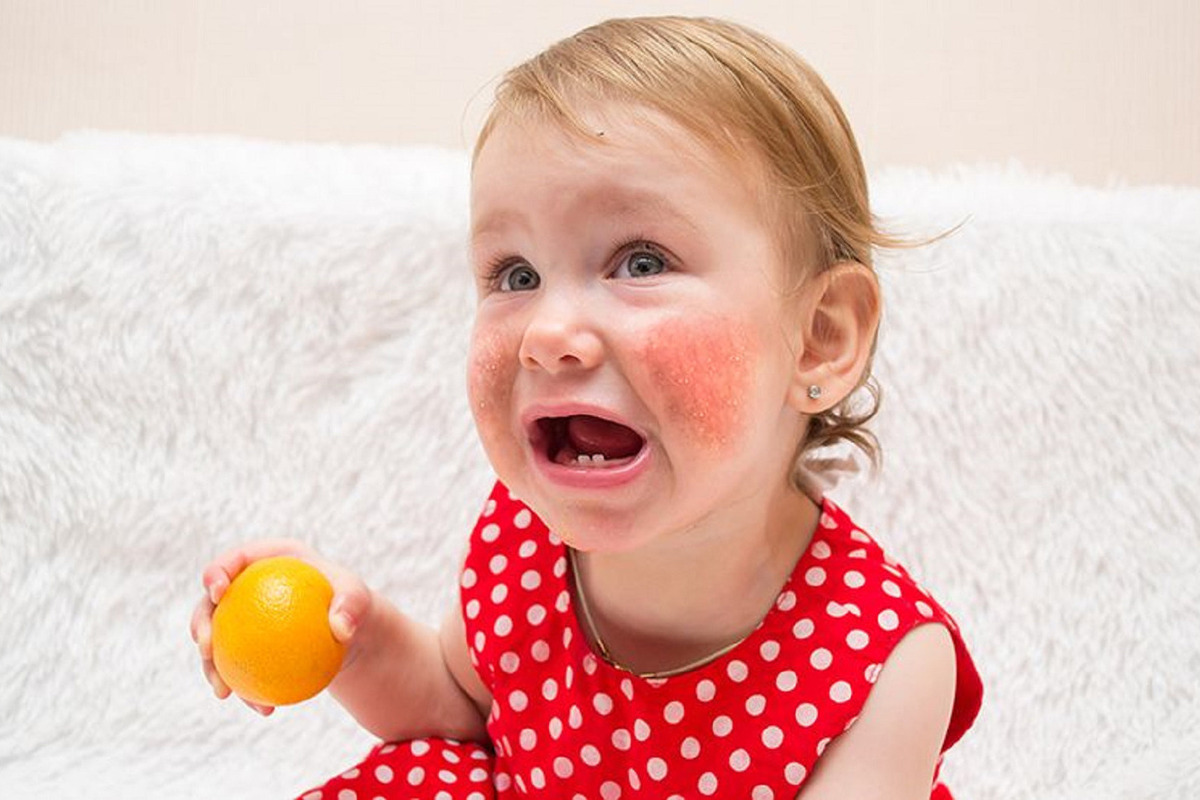
Food allergies are common in infants around the world. Milk, eggs, and peanuts are the top allergens. A 2018 report in Pediatrics found that about 7.6% of U.S. children, or 5.6 million, have a food allergy. Tracksigns of food allergy in baby carefully. Learn 7 top alerts for vomiting, rash, or changes in stool to act fast.
It’s important to spot symptoms of food allergy in babies early. They can’t tell us how they feel. So, we must look for signs quickly to help them.
We’ll look at the 7 main signs of food allergy in babies. This guide will help parents spot these signs early. Knowing about food allergies in infants is key to keeping them healthy and safe from serious reactions.
Key Takeaways
- Food allergies are a big worry worldwide, affecting millions of babies.
- Milk, eggs, and peanuts are the most common allergens in babies.
- Spotting symptoms early is key for quick help.
- About 7.6% of U.S. children, or 5.6 million, have a food allergy.
- It’s vital to recognize early signs for baby safety.
Understanding Food Allergies in Infants
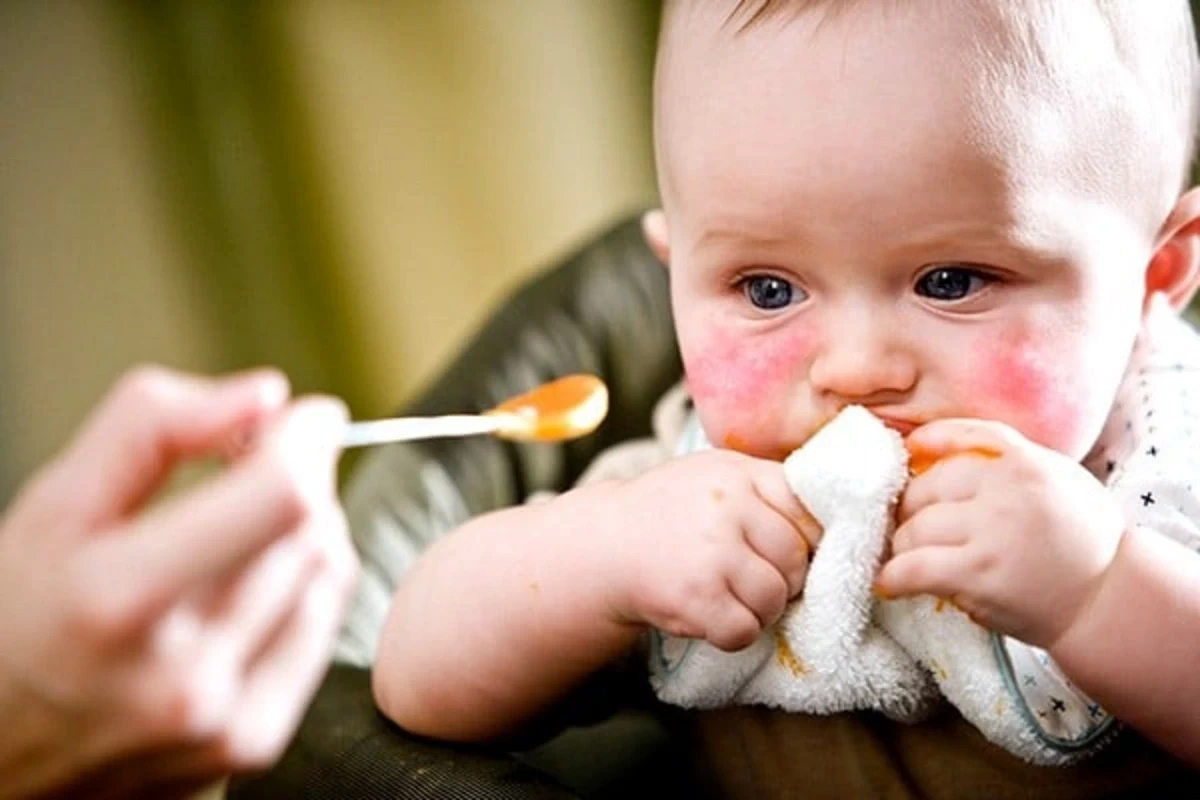
Food allergies in infants are a big worry for parents everywhere. We need to understand why they happen and what signs to look for. Knowing the causes helps us keep our little ones healthy.
A food allergy happens when the body thinks a certain food is bad. It then fights it, causing symptoms that can be mild or very serious.
What Causes Food Allergies in Babies?
There are many reasons why babies get food allergies. It’s a mix of genetics, environment, and how their immune system works. Not having the right balance of gut bacteria and not trying new foods early can play a part.
The body’s fight against a food protein is what leads to an allergy. This fight is often because of genes passed down from family members.
Most Common Food Allergens for Infants
Some foods are more likely to cause allergies in babies. The top ones are milk, eggs, and peanuts. These foods are often given to babies early and can cause a range of reactions, from mild to very serious.
Knowing which foods are common allergens is key for parents and caregivers. Spotting and managing these early can help avoid severe reactions.
How Common Are Food Allergies in Babies?
Recent studies show a big increase in food allergies in infants. This is a worrying trend. It’s important to look at the numbers and understand why food allergies are happening more often in babies.
Current Statistics and Trends
Food allergies in infants are getting more common. Around the world, more children are developing food allergies. In the United States, about 8% of kids have a food allergy.
The most common food allergens for infants include:
- Milk: Often one of the first foods introduced, cow’s milk allergy is common in infancy.
- Eggs: Egg allergy is another prevalent allergy in young children.
- Peanuts: Peanut allergy is known for being very severe and lasting a long time.
- Tree Nuts: Similar to peanuts, tree nut allergies can cause severe reactions.
- Wheat and Soy: These are also among the top allergens, though they can sometimes be outgrown.
Risk Factors for Developing Food Allergies
While we don’t fully understand why food allergies happen, some risk factors have been found. These include:
- Family History: Infants with a family history of allergies are more likely to develop a food allergy.
- Other Allergies: Presence of other allergies, such as eczema or asthma, can increase the risk.
- Age of Introduction: The timing of introducing certain foods can influence the risk of developing an allergy.
Knowing these risk factors and staying up-to-date with research can help. It can help parents and caregivers take steps to manage and possibly lower the risk of food allergies in infants.
How Food Allergies Differ in Babies vs. Older Children
It’s important to know how food allergies show up in babies versus older kids. This knowledge helps us spot problems early and manage them well. Babies have their own special signs that we need to watch closely.
Unique Presentation in Infants
Babies often get skin and gastrointestinal reactions instead of breathing problems. They might get hives or eczema flare-ups right after eating, or they could have vomiting and diarrhea. These symptoms can be scary for both the baby and the parents.
Also, babies can’t tell us when they’re not feeling well. So, it’s up to us to notice any changes after they eat. We should watch for any signs of discomfort or different behavior.
Why Early Detection Matters
Finding food allergies early is very important. It lets us start the right treatment right away. It also stops mild symptoms from getting worse, like anaphylaxis, which is very dangerous.
Spotting food allergy signs early helps us work with doctors to make a good plan. This makes life better for the baby and calms the family’s worries. Good management means avoiding the allergen and being ready for accidents.
The 7 Signs of Food Allergy in Baby
Babies can react to food allergies in many ways, from mild to severe. It’s important to know the signs. This helps get medical help quickly. Symptoms usually show up within minutes to two hours after eating the allergenic food. Sometimes, reactions can happen hours or weeks later.
Immediate vs. Delayed Reactions
Food allergy reactions in babies can be immediate or delayed. Immediate reactions happen soon after eating the allergenic food. They can be serious and include hives, itching, swelling, vomiting, diarrhea, and abdominal pain.
Delayed reactions take longer to show up, sometimes hours or days. They can be harder to spot because they don’t always seem connected to the food. Common signs include skin rashes, eczema flare-ups, and stomach problems.
When to Seek Emergency Care
Parents need to know when to rush their baby to the hospital. If your baby shows any of these signs, get help right away:
- Swelling of the face, lips, tongue, or throat
- Difficulty breathing or wheezing
- Abdominal pain, vomiting, or diarrhea
- Rapid heartbeat or fainting
- Confusion or loss of consciousness
Anaphylaxis is a very serious allergic reaction that needs quick medical help. If you think your baby is having anaphylaxis, use any epinephrine auto-injector you have. Then, get to the emergency room fast.
|
Symptom |
Immediate Reaction |
Delayed Reaction |
|---|---|---|
|
Skin Symptoms |
Hives, itching, swelling |
Eczema flare-ups, skin rashes |
|
Gastrointestinal Symptoms |
Vomiting, diarrhea, abdominal pain |
Gastrointestinal issues, colic |
|
Respiratory Symptoms |
Difficulty breathing, wheezing |
Coughing, nasal congestion |
Sign #1: Skin Reactions and Rashes
Skin issues are early signs of food allergy in babies. As caregivers, we must watch for any skin changes. These can show an allergy is present.
For parents, skin reactions are the most visible signs of food allergy in infants. These can be mild or severe. They show up in different ways.
Hives and Eczema Flare-ups
Hives are common in infants with food allergies. They are itchy welts that can pop up anywhere. Eczema flare-ups cause dry, itchy, and inflamed skin. Both can make the baby very uncomfortable.
It’s key to tell hives and eczema apart. Hives are quick reactions, while eczema is a long-term issue that can flare up with allergens.
Facial Swelling and Other Skin Changes
Facial swelling is a scary sign of food allergy. It can happen around the eyes, lips, or face. Other signs include redness, warmth, or tenderness. These symptoms worry parents and need quick action.
We should keep a close eye on our infant’s skin. If we see unusual or lasting changes, we should talk to a healthcare provider. Catching food allergies early helps the child feel better and stay healthy.
Sign #2: Digestive Distress and Gastrointestinal Symptoms
Infants with food allergies often have digestive issues. These problems can be tough for both the child and parents. They are not just uncomfortable but can also point to an allergy.
Vomiting and Diarrhea
Vomiting is a common sign of food allergies in babies. It can happen right after they eat and might be followed by diarrhea. Both can cause dehydration if not treated right.
Parents should watch their baby’s stool and vomiting closely. If the baby shows signs of dehydration, like fewer wet diapers or dry mouth, get medical help fast.
Colic and Abdominal Pain
Colic and abdominal pain are big signs of food allergies in babies. Colic makes babies cry for hours, often in the late afternoon or evening. Abdominal pain can make babies fussy and uncomfortable.
- Common signs include:
- Frequent crying or fussiness
- Drawing up of legs towards the abdomen
- Refusal to feed or showing discomfort during feeding
Spotting these signs early can help find and treat food allergies. If you think your baby has these symptoms because of a food allergy, talk to your doctor. They can help figure out what to do next.
Experts in pediatric care say, “Finding and managing food allergies early can really help improve life for infants and their families.”
Sign #3: Respiratory Issues
Respiratory symptoms are a big deal in infants with food allergies. While skin and digestive issues are more common, breathing problems need quick attention.
Wheezing and Coughing
Wheezing and coughing can mean food allergies in babies. Wheezing sounds like a high-pitched whistle when breathing out. It shows airway blockage. Coughing, if it doesn’t stop, might be an allergy sign.
We need to watch these signs closely. They can show a serious allergy reaction.
Nasal Congestion and Runny Nose
Nasal congestion and a runny nose can happen in infants with food allergies. These symptoms are uncomfortable and can cause more problems if ignored. Nasal congestion makes breathing hard. A runny nose might mean an allergy.
It’s key to tell these symptoms apart from a cold. This helps us give the right care.
Even though these symptoms are less common, they’re important. If your baby wheezes, coughs a lot, or has bad nasal congestion, see a doctor. They can figure out what’s wrong and how to fix it.
Sign #4: Behavioral Changes After Feeding
One of the subtle yet significant signs of a food allergy in babies is a change in behavior after feeding. These changes can show up in many ways. It’s very important for parents to watch their baby’s behavior closely after meals.
Excessive Crying and Irritability
Excessive crying and irritability are common signs of food allergies in infants. “It’s not just colic; it could be a sign of an allergic reaction.” When a baby is allergic to a food, it can cause discomfort. This leads to increased fussiness and crying.
This irritability can be ongoing and hard to calm down with usual methods.
Sleep Disturbances and Discomfort
Sleep disturbances are another sign of a possible food allergy in infants. If a baby is uncomfortable due to an allergic reaction, it can make it hard to settle down or stay asleep. As a pediatric expert noted,
“Allergic reactions can cause significant discomfort, affecting an infant’s ability to sleep soundly.”
Parents should watch for changes in sleep patterns. These can be a key clue to a food allergy.
It’s important to know that these behavioral changes can point to a bigger issue. By spotting signs like excessive crying, irritability, and sleep problems, parents can start to figure out and manage a possible food allergy.
Sign #5: Poor Weight Gain and Feeding Problems
One of the key signs of a food allergy in babies is poor weight gain and feeding issues. These problems can affect their health. Babies with food allergies may have trouble eating, refusing some foods or reacting badly to others.
Refusal to Eat Certain Foods
Babies with food allergies might not want to eat certain foods because they cause discomfort. This is their way of avoiding pain. Parents should watch their baby’s eating habits closely and talk to a doctor if they notice any issues.
Some signs a baby might be allergic to food include:
- Turning away from the bottle or breast
- Spitting out food
- Crying or showing distress during feeding
Growth Concerns Related to Food Allergies
Poor weight gain and feeding problems can cause growth concerns in babies. If they don’t get enough nutrients, it can slow their growth. Regular check-ups with a pediatrician are key to keep an eye on their growth and address any allergy issues.
Some growth concerns related to food allergies include:
- Failure to gain weight at a healthy rate
- Delayed development milestones
- Nutritional deficiencies
By recognizing signs like poor weight gain and feeding issues, parents can help their baby get the care and nutrition they need. This ensures healthy growth and development.
Sign #6: Unusual Stool Patterns
Unusual stool patterns in infants can be a critical indicator of an underlying food allergy. As we continue to explore the signs of food allergies in babies, it’s essential to understand how gastrointestinal symptoms can manifest.
Blood or Mucus in Stool
The presence of blood or mucus in an infant’s stool is a concerning symptom that warrants attention. It can be a sign that the infant’s digestive system is reacting to a particular food allergen. We must monitor the infant’s stool quality closely and consult a healthcare provider if such symptoms persist.
Changes in Stool Consistency and Frequency
Changes in the consistency and frequency of an infant’s stool can also indicate a food allergy. Some infants may experience diarrhea or constipation as a reaction to an allergenic food. It’s important for parents to track these changes and discuss them with their healthcare provider to determine the best course of action.
|
Stool Pattern |
Possible Indication |
|---|---|
|
Blood or mucus in stool |
Allergic reaction or inflammation |
|
Diarrhea |
Intolerance or allergy to a specific food |
|
Constipation |
Possible reaction to an allergen affecting bowel movements |
Recognizing unusual stool patterns as a sign of food allergy is critical for early intervention. If you suspect your infant is experiencing such symptoms, consult a healthcare professional.
Sign #7: Anaphylaxis and Severe Reactions
Anaphylaxis is a severe and potentially life-threatening allergic reaction. It’s the seventh sign of food allergy in infants. This condition needs immediate medical attention because it can cause serious health problems if not treated quickly.
Recognizing Life-Threatening Symptoms
It’s important to know the signs of anaphylaxis to act fast. Symptoms include trouble breathing, a fast heartbeat, confusion, or loss of consciousness. A drop in blood pressure is also a sign.
In infants, anaphylaxis can show as being limp, pale, or having a weak pulse. We must watch for these signs, mainly after introducing new foods.
If an infant shows any of these symptoms, we must act fast.
Emergency Response for Severe Allergic Reactions
If anaphylaxis happens, the first step is to give epinephrine with an auto-injector (if you have one). Then, call emergency services right away. Keeping the infant calm and comfortable is important while waiting for help.
Prevention and preparedness are key. Knowing how to recognize and respond to anaphylaxis can save our infants with severe food allergies.
By understanding anaphylaxis signs and knowing how to react, we can protect our infants from severe allergic reactions.
Diagnosing and Managing Food Allergies in Infants
Diagnosing food allergies in infants needs a team effort. Healthcare providers, special tests, and a good plan are key. Knowing how to diagnose and manage food allergies helps your child get the best care.
Working with Healthcare Providers
Start by talking to a healthcare provider. They’ll check your baby’s symptoms and past health to see if they might have a food allergy. Keeping a food diary is very helpful. It tracks what your baby eats and any symptoms they have.
Healthcare providers might also do a physical check. They look for signs like skin rashes or tummy troubles. Working with your healthcare provider helps make a plan to find and manage your baby’s food allergy.
Allergy Testing for Babies
Allergy tests are important for diagnosing food allergies in infants. There are skin prick tests and blood tests. Skin prick tests put a small amount of the suspected allergen on the skin to see how it reacts. Blood tests check for allergy-related antibodies in the blood.
|
Test Type |
Description |
Benefits |
|---|---|---|
|
Skin Prick Test |
Involves placing a small amount of the suspected allergen on the skin to observe the reaction. |
Quick results, relatively painless |
|
Blood Test |
Measures the levels of allergy-related antibodies in the blood. |
Can be done if skin prick test is not feasible, provides quantitative results |
Creating an Allergy Management Plan
After finding out about a food allergy, making a management plan is key. This plan should help avoid the allergenic food and know how to react to an allergic reaction. It’s important to teach all caregivers about your baby’s allergy and how to handle it.
A good plan also means regular check-ups with your healthcare provider. This helps keep an eye on your baby’s allergy and makes changes as needed. Being proactive and prepared helps your baby stay safe with their food allergy.
Conclusion
It’s very important to know the signs of food allergy in babies. Finding and treating food allergies early can really help them. We talked about seven main signs, like skin issues, tummy troubles, breathing problems, mood changes, not gaining weight, odd poop, and severe reactions.
Spotting these signs helps parents act fast. This way, they can get their baby the right care. Working with doctors, parents can make a plan to handle food allergies. This plan helps avoid serious reactions and keeps their baby healthy.
Food allergies in babies can show up in many ways. So, it’s key to know all the symptoms. Being alert and informed helps prevent big problems. It keeps their baby safe and healthy.
FAQ
What are the most common food allergies in babies?
Babies often have allergies to milk, eggs, peanuts, and tree nuts. They can also be allergic to fish, shellfish, wheat, and soy. These foods are the main culprits behind most food allergy reactions in infants.
How can I identify signs of a food allergy in my baby?
Look out for skin reactions, digestive issues, and respiratory problems in your baby. They might also show behavioral changes. Symptoms include hives, eczema, vomiting, diarrhea, wheezing, and crying a lot.
What is the difference between a food allergy and a food intolerance in infants?
A food allergy is an immune reaction to a specific food. A food intolerance is when the body can’t digest a food well. Allergies can cause serious reactions, while intolerances lead to milder symptoms.
Can food allergies in babies be outgrown?
Some babies outgrow their food allergies, but others may keep them. Milk and egg allergies often fade away. But peanut and tree nut allergies tend to stick around longer.
How are food allergies in infants diagnosed?
Doctors use a medical history, physical check-ups, and tests like skin prick tests or blood tests to diagnose. They might also try an elimination diet to find the problem food.
What is the best way to manage food allergies in babies?
To manage food allergies, avoid the allergenic food and introduce new foods slowly. Always be ready for accidental exposures. It’s key to work with a healthcare provider to make a plan.
Can introducing allergenic foods early in infancy prevent food allergies?
Yes, introducing allergenic foods early, around 4-6 months, might prevent some allergies. But, always do this under a doctor’s guidance.
What are the signs of anaphylaxis in babies?
Anaphylaxis signs in babies include trouble breathing, fast heartbeat, dizziness, confusion, and low blood pressure. It’s a serious emergency that needs quick medical help.
How can I prevent accidental exposure to allergenic foods in my baby?
To avoid accidental exposure, read food labels well, ask about ingredients when eating out, and teach caregivers about your baby’s allergies.
What should I do if my baby experiences a severe allergic reaction?
If your baby has a severe reaction, call emergency services right away. Give any emergency medication, like an EpiPen, as your doctor told you to.
References
Government Health Resource. Evidence-Based Medical Guidance. Retrieved from https://www.foodallergy.org/resources/facts-and-statistics