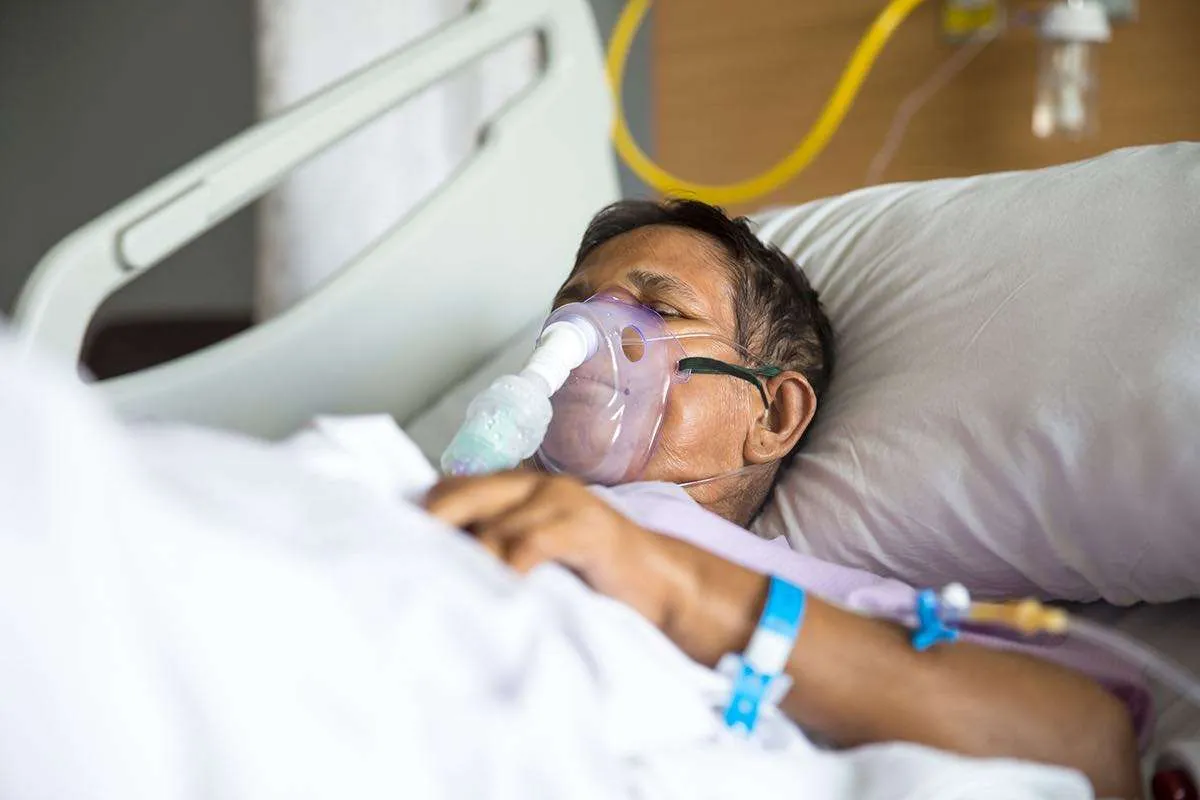
Inflamed bronchial tubes, also known as bronchitis, happen when the airways in the lungs swell up. They also make too much mucus, making it hard to breathe. This condition affects millions globally, causing a persistent cough, chest pain, and tiredness inflamed bronchial tubes.
At Liv Hospital, we know how important it is to understand bronchial inflammation. We focus on managing and preventing complications. This helps improve the lives of those with this condition.
Key Takeaways
- Bronchitis is a common respiratory condition characterized by inflamed airways and excessive mucus production.
- The condition can significantly impact a person’s quality of life, causing symptoms like persistent cough and fatigue.
- Understanding the causes and symptoms is essential for effective management and treatment.
- Liv Hospital offers internationally competitive medical expertise for bronchial disorder care.
- Patient-centered treatment is key for managing bronchial inflammation and preventing complications.
Understanding Respiratory Anatomy and Function

To understand the effects of inflamed bronchial tubes, we need to know about the respiratory system. The bronchial tubes, or bronchi, are airways that branch off from the trachea into the lungs. They play a key role in our breathing.
The Structure of Bronchial Tubes
The bronchial tubes form a network of airways that split into smaller branches in the lungs. The main bronchi start from the trachea, one for each lung. They then split into smaller bronchioles. This setup helps air spread throughout the lungs.
- The trachea splits into the right and left main bronchi.
- These main bronchi split into lobar bronchi, then segmental bronchi.
- The bronchi keep branching into smaller bronchioles.
Normal Function of Airways in Breathing
The airways have cilia and cells that make mucus. These help filter, warm, and humidify the air we breathe. During inhalation, air goes through the bronchi and bronchioles to the alveoli for gas exchange. The cilia work together to remove mucus and debris.
- Air enters the nostrils or mouth.
- It goes through the pharynx and larynx into the trachea.
- The air then moves through the bronchi and bronchioles to the alveoli.
How Inflammation Disrupts Respiratory Health
Inflammation of the bronchial tubes, or bronchitis, can harm breathing. When the bronchi get inflamed, they narrow and fill with mucus. This makes it hard to breathe. There are two main types: acute bronchitis and chronic bronchitis.
It’s important to know the difference between these conditions for proper treatment. Inflammation can be caused by infections and environmental irritants.
Fact 1: What Causes Inflamed Bronchial Tubes

Inflamed bronchial tubes affect millions worldwide. Knowing what causes them is key to treating them. The bronchial tubes carry air to our lungs. When they get inflamed, it can lead to bronchitis, affecting our quality of life.
Viral Infections as Primary Triggers
Viral infections often cause inflamed bronchial tubes, like in acute bronchitis. Viruses like rhinovirus and influenza spread easily when someone coughs or sneezes. This makes viral infections a common cause of bronchial inflammation.
These viruses can cause acute bronchitis, which usually gets better in a few weeks. But sometimes, the inflammation can last longer or come back, leading to chronic conditions.
Bacterial Causes and Secondary Infections
Bacterial infections also play a role, mainly in secondary infections. Bacteria like Streptococcus pneumoniae can infect the bronchial tubes after a viral infection weakens them.
Bacterial infections can make things worse and might need antibiotics. It’s important to know if a bacterial infection is present to choose the right treatment.
Environmental Irritants and Pollutants
Environmental irritants and pollutants also cause bronchial inflammation. Things like tobacco smoke, air pollution, dust, and chemical fumes can irritate the bronchial tubes. People in polluted areas or with dust and chemical exposure at work are at higher risk.
It’s important to reduce exposure to these irritants. This can be done by using air purifiers, wearing masks, and pushing for cleaner environments.
Smoking and Tobacco Exposure
Smoking and tobacco exposure are big risks for chronic bronchitis, a COPD form. Tobacco smoke has harmful chemicals that irritate the bronchial tubes, causing chronic inflammation.
Quitting smoking is essential for those with or at risk of inflamed bronchial tubes. Smoking cessation programs and support are very helpful in this journey.
Fact 2: Types of Bronchial Inflammation Conditions
The swelling and irritation of the bronchial tubes can be divided into two main types. These are acute bronchitis and chronic bronchitis. Knowing about these conditions helps in making the right diagnosis and treatment.
Acute Bronchitis: Short-Term Inflammation
Acute bronchitis is a short-term issue of the bronchial tubes, often caused by viruses. It leads to a cough that brings up mucus. Symptoms also include feeling tired, headaches, and a mild fever. Usually, it gets better on its own in a few weeks without lasting harm.
Chronic Bronchitis: Long-Term Respiratory Concern
Chronic bronchitis, by contrast, is a long-term problem. It’s defined as a cough that lasts at least three months and keeps coming back. It’s often linked to COPD and can cause serious breathing problems if not managed well.
Key Differences Between Acute and Chronic Conditions
The main differences between acute and chronic bronchitis are their length and effect on breathing. Acute bronchitis is short-lived and usually doesn’t have lasting effects. Chronic bronchitis, on the other hand, is ongoing and needs constant care.
To show the differences between acute and chronic bronchitis, and other related issues, we’ve made a comparison table:
|
Condition |
Duration |
Causes |
Symptoms |
|---|---|---|---|
|
Acute Bronchitis |
A few weeks |
Viral infections |
Cough with mucus, fatigue, headache |
|
Chronic Bronchitis |
At least 3 months, recurring over years |
Smoking, environmental irritants |
Persistent cough with mucus, difficulty breathing |
|
Bronchiolitis |
Varies |
Viral infections, mostly in kids |
Cough, wheezing, trouble breathing |
|
Bronchiectasis |
Long-term |
Repeated infections, genetic issues |
Long-term cough, lots of mucus |
Understanding these conditions helps doctors give better treatments. This improves patient outcomes and quality of life.
Fact 3: Recognizing Symptoms of Inflamed Bronchial Tubes
Symptoms of inflamed bronchi can vary. Knowing them is key to effective treatment. Inflamed bronchial tubes, linked to bronchitis, show through various respiratory and systemic symptoms.
Common Symptoms and Warning Signs
A persistent cough is common, often with mucus. This mucus can be clear, yellow, or greenish. Other signs include wheezing, shortness of breath, and feeling of tightness in the chest.
These symptoms can really affect your daily life and quality of life. It’s important to notice these signs to get the right medical care.
How Symptoms Differ in Acute vs. Chronic Cases
In acute cases, symptoms come on fast and can be severe. They often start after a viral infection and may go away in a few weeks. On the other hand, chronic cases have long-term inflammation and symptoms that last for months or years.
Chronic bronchitis, for example, is a long-term cough and mucus production for at least three months in two consecutive years.
- Acute Bronchitis: Sudden onset, often with a fever, and typically resolves within a few weeks.
- Chronic Bronchitis: Long-term symptoms, persistent cough, and mucus production, often associated with smoking or environmental irritants.
When to Seek Medical Attention
Seek medical help if symptoms get worse or if you have difficulty breathing, chest pain, or a high fever. Also, if you see blood in your mucus or symptoms last more than a few weeks, get checked by a doctor.
Recognizing symptoms early and getting the right care can greatly improve outcomes for inflamed bronchial tubes. We suggest talking to a healthcare professional for a detailed check-up and a treatment plan that fits you.
Fact 4: Related Bronchial Diseases and Complications
It’s key to know the complications of bronchial inflammation for good management. When bronchial tubes get inflamed, it can cause other respiratory issues. Some of these can be serious if not treated right.
Permanently Widened Airways: Bronchiectasis
Bronchiectasis is a complication of long-term bronchial inflammation. It’s when airways stay open too wide. This happens because of repeated inflammation and damage to the bronchial walls.
Managing bronchiectasis needs a full plan. This includes medicines to control symptoms and prevent infections. Also, making lifestyle changes to better quality of life is important.
Inflammation of Smaller Airways: Bronchiolitis
Bronchiolitis is when the smaller airways, called bronchioles, get inflamed. It’s more common in kids but can hit adults too. It’s often caused by viruses and brings symptoms like wheezing, cough, and trouble breathing.
It’s vital to tell bronchiolitis apart from bronchiectasis. Their treatments are different. Bronchiolitis mainly hits the smaller airways and is linked to viruses.
Potential Complications of Untreated Bronchial Inflammation
Not treating bronchial inflammation can cause big problems. It can lead to chronic respiratory diseases like COPD. It also ups the risk of getting respiratory infections. In bad cases, it can even cause respiratory failure.
We really want people to see a doctor if symptoms don’t get better or get worse. Early treatment can make a big difference for those with bronchial inflammation and related issues.
Fact 5: Diagnosis and Medical Assessment
Getting a correct diagnosis for bronchial inflammation is key for good treatment and care. To find out what’s causing the inflammation, we do a detailed medical check-up.
Physical Examination Procedures
We start by doing a full physical check-up. Doctors listen to the lungs with stethoscopes for unusual sounds like wheezing. This can show if there’s inflammation or infection. They also look for signs of trouble breathing.
Key parts of the physical check-up are:
- Auscultation of the lungs
- Checking how fast and hard you breathe
- Looking for fever or signs of infection
Diagnostic Tests and Imaging
To really understand what’s going on with the bronchial tubes, we use different tests and images. These might include:
|
Diagnostic Test |
Purpose |
|---|---|
|
Chest X-ray |
To check for pneumonia or other lung problems |
|
Pulmonary Function Tests (PFTs) |
To see how well the lungs are working and if there’s any blockage |
|
Sputum Tests |
To find out if there’s infection or inflammation |
Ruling Out Other Respiratory Conditions
We need to tell apart bronchial inflammation from other lung issues that might look similar. We do this by looking at your medical history, physical findings, and test results.
Conditions we check for include:
- Pneumonia
- Asthma
- Chronic Obstructive Pulmonary Disease (COPD)
- Bronchiectasis
By correctly figuring out what’s causing the inflammation, we can make a treatment plan that fits the patient’s needs.
Treatment Options for Inflamed Bronchial Tubes
Inflamed bronchial tubes can be treated in many ways. This includes simple home remedies and advanced medical treatments. The right treatment depends on the cause, how bad the symptoms are, and if it’s a short-term or long-term issue.
Home Remedies and Self-Care Strategies
For mild cases, home remedies and self-care can help a lot. Staying hydrated is key because it makes mucus easier to cough up. Using a humidifier adds moisture to the air, which helps reduce irritation.
Practicing good hygiene is also important to stop infections from spreading. This means washing your hands often and avoiding close contact with others when you’re sick. Also, avoiding irritants like smoke, dust, and strong smells can help reduce inflammation and prevent more irritation.
Over-the-Counter Medications for Symptom Relief
OTC medications are important for managing symptoms of inflamed bronchial tubes. Cough suppressants can lessen how often and hard you cough. Expectorants help loosen mucus, making it easier to cough up.
Pain relievers like acetaminophen or ibuprofen can also help with discomfort and fever. Always follow the dosage instructions and talk to a doctor before giving any medication to kids.
Prescription Treatments
For more serious or ongoing cases, prescription treatments are needed. Antibiotics are used when the inflammation is caused by bacteria. But they don’t work against viruses, which are a common cause.
Bronchodilators are another prescription medication. They help open up the airways, making breathing easier. They’re often used for chronic bronchitis or when asthma is involved.
Advanced Treatments for Chronic Cases
For chronic inflammation, advanced treatments might be needed. Pulmonary rehabilitation programs can improve lung function and quality of life. These programs include exercise, education, and support.
For severe cases, oxygen therapy may be needed to increase blood oxygen levels. In some cases, surgery might be considered to address complications or related conditions.
Prevention Strategies for Bronchial Health
To prevent inflammation in the bronchial tubes, we need a multi-faceted approach. Understanding and using effective prevention strategies can greatly reduce the risk of bronchial inflammation and related respiratory issues.
Lifestyle Modifications to Reduce Risk
Making lifestyle changes is key to keeping bronchial tubes healthy. Avoiding exposure to environmental irritants like tobacco smoke, air pollution, and chemical fumes is vital. Adopting a healthy lifestyle with regular exercise and a balanced diet rich in antioxidants supports respiratory health.
Keeping a clean living environment by reducing dust and mold exposure also helps. Using air purifiers and ensuring good ventilation in homes and workplaces are simple yet effective steps.
Vaccination and Infection Prevention
Vaccinations are key in preventing infections that can cause bronchial inflammation. Staying up-to-date with recommended vaccinations, such as the flu and pneumococcal vaccines, can greatly reduce respiratory infection risk.
Good hygiene, like frequent handwashing and avoiding close contact with the sick, also helps prevent infections that can affect the bronchial tubes.
Managing Underlying Conditions
For those with conditions like asthma or COPD, effective management is vital to prevent bronchial inflammation. Working closely with healthcare providers to monitor and control symptoms is essential.
Following prescribed treatment plans and making necessary lifestyle adjustments can greatly improve bronchial health and quality of life.
Special Considerations for High-Risk Individuals
Older adults, young children, and those with compromised immune systems are at higher risk for bronchial inflammation. High-risk individuals should take extra precautions, avoiding irritants and staying current with vaccinations.
Regular check-ups with healthcare providers can help identify issues early. This allows for timely intervention and prevention of serious complications.
Conclusion: Managing and Living with Bronchial Conditions
Managing bronchitis can greatly improve your life. It means making lifestyle changes and sticking to a treatment plan. Inflamed bronchial tubes can really get in the way, making it hard to do everyday things.
Handling bronchial diseases needs a full plan. This includes knowing your condition, spotting symptoms early, and using the right treatments. Being proactive can lessen the effects of bronchial infections and boost your breathing health.
It’s key to live a healthy lifestyle and follow your doctor’s advice. This means avoiding things that can irritate your airways, eating well, and getting all your vaccinations.
With the right care and choices, you can live a full life even with bronchial diseases. We’re here to offer top-notch healthcare and support for patients from around the world. We help them deal with inflamed bronchial tubes and other related issues.
FAQ
What is the difference between acute and chronic bronchitis?
Acute bronchitis is a short-term issue. It’s often caused by viruses. Chronic bronchitis, on the other hand, is long-term. It’s marked by a persistent cough and mucus, often due to smoking or pollution.
What are the common symptoms of inflamed bronchial tubes?
Symptoms include coughing, mucus, wheezing, and shortness of breath. Chest discomfort is also common. Acute cases are more severe but short-lived. Chronic cases last longer.
How is bronchitis diagnosed?
Doctors use a physical exam and medical history. They might also do chest X-rays and blood tests. This helps rule out other conditions.
What are the treatment options for inflamed bronchial tubes?
Treatments include staying hydrated and using humidifiers. Over-the-counter meds can help symptoms. For chronic cases, doctors might prescribe antibiotics or bronchodilators. Pulmonary rehab is also an option.
How can I prevent bronchitis?
To prevent it, avoid smoking and secondhand smoke. Stay away from pollution. Get flu and pneumonia vaccines. Practice good hygiene and manage health conditions.
What is the relationship between bronchitis and other respiratory conditions like bronchiectasis and bronchiolitis?
Bronchitis is linked to conditions like bronchiectasis and bronchiolitis. Bronchiectasis causes airways to widen permanently. Bronchiolitis inflames smaller airways. Knowing about these conditions is key for good respiratory care.
Can bronchitis lead to complications if left untreated?
Yes, untreated bronchitis can cause pneumonia, COPD, and respiratory failure. Getting medical help quickly is important.
Are there any specific considerations for individuals at high risk of developing bronchitis?
Older adults, young children, and those with health issues should be careful. They should get vaccines, avoid irritants, and manage their health to lower their risk.
How does smoking affect bronchial health?
Smoking increases the risk of bronchitis and worsens symptoms. It irritates the bronchial tubes and harms lung function. Quitting smoking is essential for better bronchial health.
What lifestyle modifications can help reduce the risk of bronchitis?
Avoid smoking and pollutants. Eat well, stay active, and practice good hygiene. These steps can help prevent respiratory infections.
References
World Health Organization. Evidence-Based Medical Guidance. Retrieved from https://www.who.int/news-room/fact-sheets/detail/chronic-respiratory-diseases