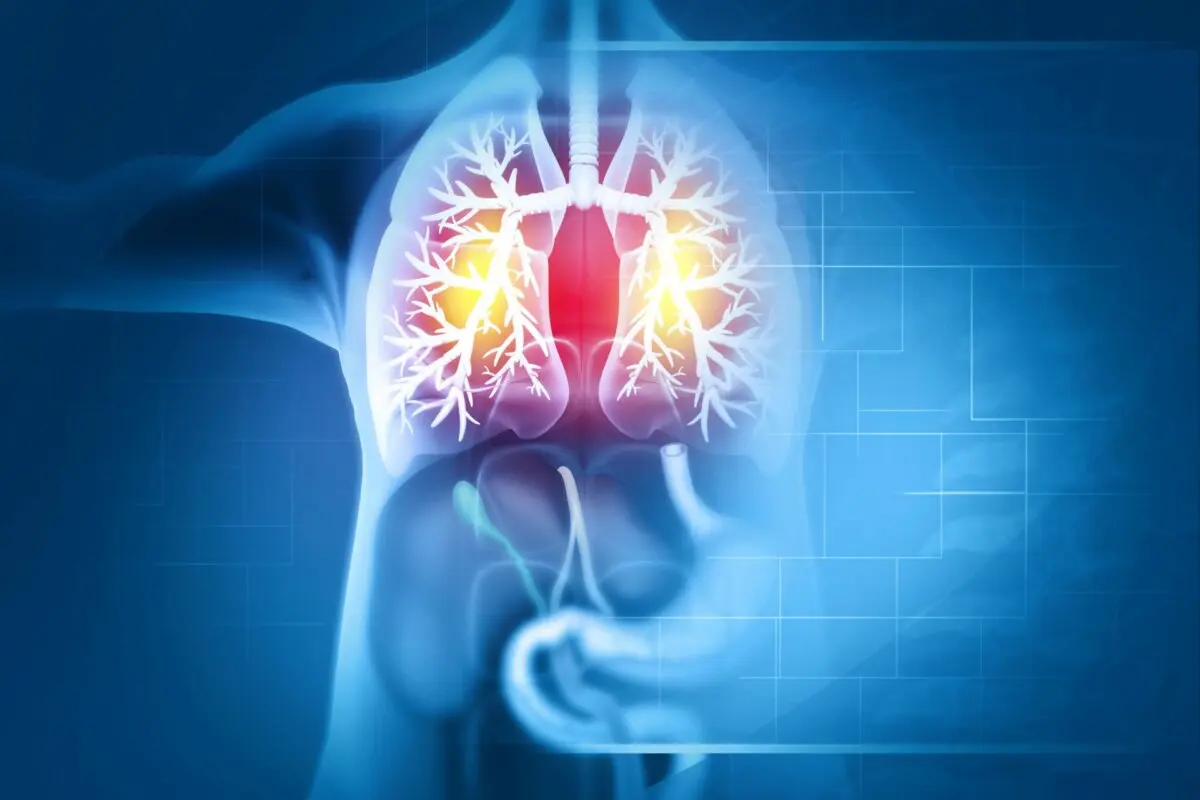
Chronic obstructive pulmonary disease (COPD) affects millions, making breathing hard and lowering life quality. Exercise can’t fully reverse COPD, but it can greatly improve lung function and how well you can exercise.Addressing can copd be reversed with exercise? and providing a safe, step-by-step guide to starting an exercise routine with COPD.
At Liv Hospital, we know how tough COPD can be. Our pulmonary rehab programs use the latest exercise protocols and team care. This helps patients see real gains in their breathing health. Studies show that yoga and tai chi can boost lung function in COPD patients.
With a well-planned exercise routine, COPD patients can see big improvements. This boosts their overall health and helps them better manage their condition.
Key Takeaways
- Structured exercise programs can improve lung function and exercise capacity in COPD patients.
- Mind-body exercises like yoga and tai chi are beneficial for COPD management.
- Comprehensive pulmonary rehabilitation programs offer multidisciplinary care for COPD patients.
- Exercise significantly enhances the quality of life for individuals with COPD.
- A personalized exercise plan is key for effective COPD management.
Understanding COPD and Exercise Benefits
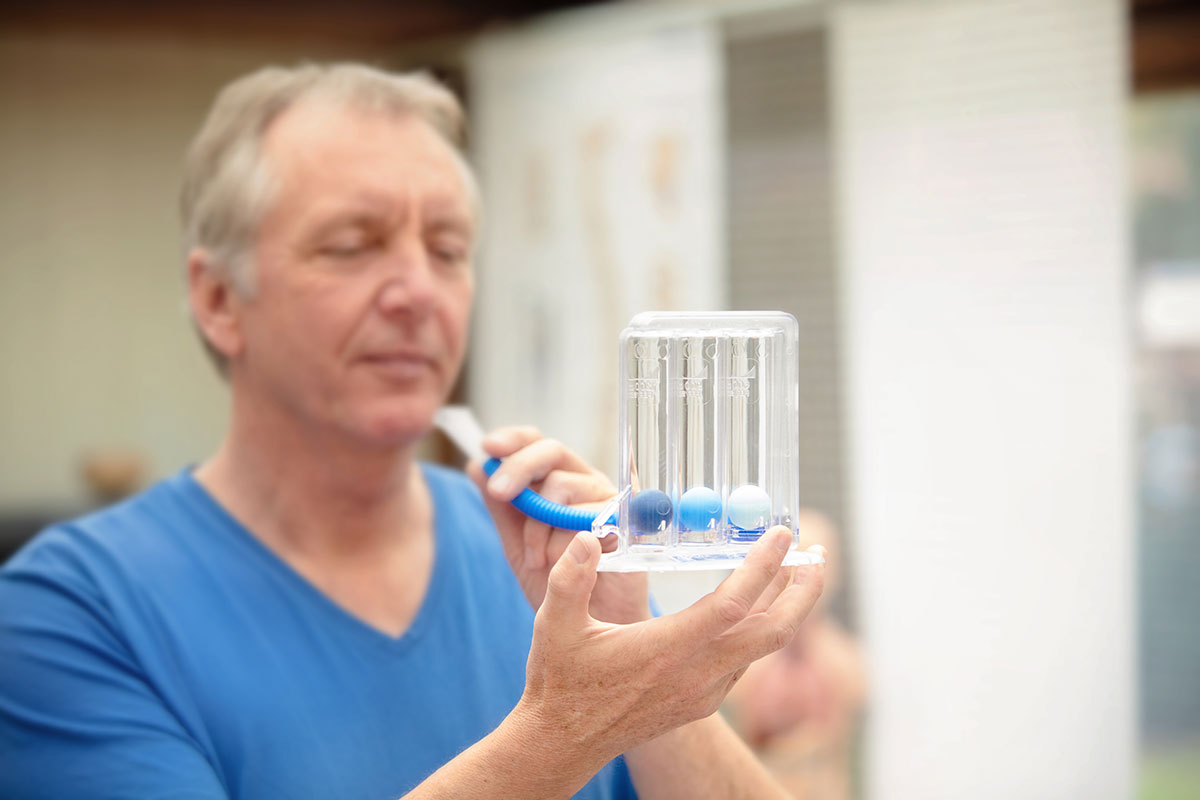
Exercise is key in managing COPD, bringing many benefits to those with the disease. It improves life quality for COPD patients. Let’s explore how exercise helps.
What is COPD and How it Affects Your Body
COPD is a lung disease that makes it hard to breathe. It’s often caused by smoking, but also by other lung irritants and genetics. It includes emphysema and chronic bronchitis, leading to symptoms like shortness of breath and wheezing.
COPD affects more than just the lungs. It can cause muscle wasting and lower physical performance. Knowing this helps in finding better ways to manage the disease.
The Science Behind Exercise Benefits for COPD Patients
Studies show exercise is very effective for COPD patients. It helps in several ways:
- Improves lung function and reduces symptoms
- Enhances exercise tolerance and physical performance
- Reduces hospitalizations and improves survival rates
- Boosts overall quality of life
Regular exercise leads to better heart health, stronger muscles, and improved breathing. This is why exercise is so beneficial for COPD patients.
Latest Research Findings Through 2025
New studies up to 2025 confirm exercise’s positive effects on COPD. For example, a study showed a structured exercise program greatly improved lung function and reduced flare-ups in COPD patients.
“Exercise training is a cornerstone in the management of COPD, providing many benefits that can greatly improve patient outcomes.”
These results highlight the need for exercise in COPD management. They also show the importance of creating personalized exercise plans for each patient.
Can COPD Be Reversed With Exercise?
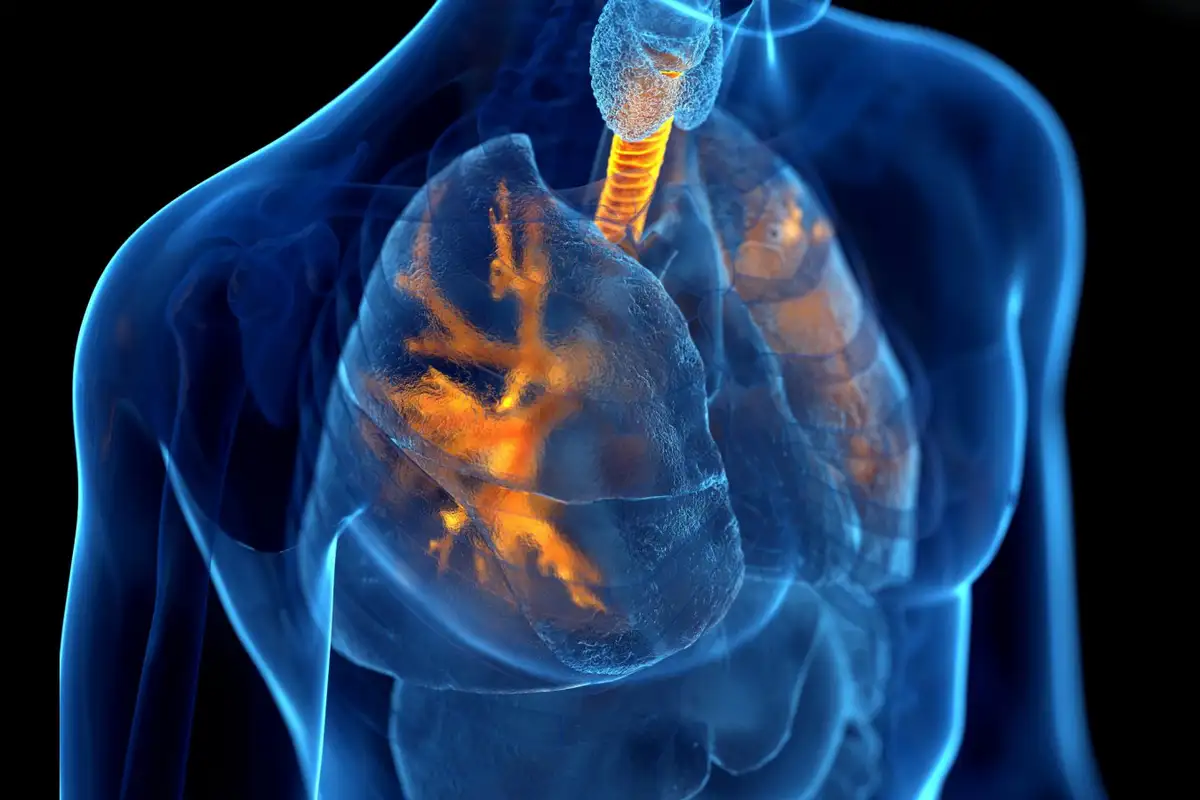
While COPD is a chronic condition, research shows that exercise can help manage it. Chronic Obstructive Pulmonary Disease (COPD) is a lung disease that makes it hard to breathe. It’s often caused by smoking, but can also come from other lung irritants and genetics.
Research Findings on Exercise and COPD Management
Many studies have looked into how exercise helps with COPD. They found that regular activity can boost lung function, lessen symptoms, and improve health. A study in the European Respiratory Journal showed that exercise programs can greatly enhance life quality and lung function in COPD patients.
Exercise is not a cure for COPD, but it’s vital for managing it. It improves heart health, muscle strength, and endurance. These improvements help patients feel better overall.
Realistic Expectations: Improvement vs. Reversal
It’s important to know that exercise can’t reverse COPD. But it can make symptoms better and improve life quality. COPD is a condition with permanent lung damage.
We need to set realistic goals. Patients should hope for better daily activity and less shortness of breath. Exercise can make a big difference in health, but it won’t cure COPD.
Measurable Benefits to Expect
COPD patients can see many benefits from exercise. They’ll breathe easier, walk farther, and get stronger. These gains can be measured with tests like the six-minute walk test.
- Improved exercise capacity
- Reduced symptoms of COPD
- Enhanced quality of life
- Better overall health
By exercising regularly, COPD patients can see these benefits. It’s key to work with doctors to create a fitness plan that fits their health needs.
Getting Started: Preparation for Exercise with COPD
Before starting any exercise program, COPD patients must take several steps. It’s important to consult your healthcare provider before starting any new exercise. This step is key to understanding your health and what you can do.
Consulting Your Healthcare Provider
Talking to your healthcare provider is a must. They can give you personalized advice based on your health history and current status. Discuss your goals, any concerns, and symptoms you have during exercise. Your healthcare provider can help you:
- Understand your limitations and how to work within them.
- Identify risks of exercising with COPD.
- Develop a plan to monitor your condition during exercise.
Assembling Your Exercise Toolkit
Having the right tools is important for safe and effective exercise. Your toolkit might include:
- A pulse oximeter to check your oxygen levels.
- Comfortable, loose-fitting clothes and a supportive bra (if needed).
- A water bottle to stay hydrated.
- Any prescribed medications, like inhalers.
It’s also good to have a reliable exercise routine tracker. This could be a digital app or a logbook to track your progress and adjust your routine as needed.
Setting Up a Safe Exercise Environment
Creating a safe exercise space is key. Consider the following:
- Exercise in a well-ventilated area, avoiding extreme temperatures and pollutants.
- Use a stable, non-slippery surface for standing or moving exercises.
- Have a clear path for walking or moving around.
- Keep emergency contact numbers handy.
By following these steps, COPD patients can reduce risks and get the most out of exercise. Remember, careful preparation and ongoing monitoring are key to successful exercise with COPD.
Breathing Techniques for COPD Patients
Breathing techniques are key for COPD patients to control symptoms and do more exercise. By doing specific breathing exercises daily, people with COPD can better their lung function. This improves their quality of life.
Pursed-Lip Breathing Method
The pursed-lip breathing technique is about exhaling slowly through pursed lips, like blowing on hot food. It keeps airways open longer, making breathing easier. To do pursed-lip breathing:
- Breathe in normally through your nose.
- Pucker your lips as if you’re going to whistle.
- Breathe out slowly through your pursed lips.
- Repeat this process several times.
This method is great for exercise or when you feel short of breath.
Diaphragmatic Breathing Exercises
Diaphragmatic breathing, or belly breathing, uses the diaphragm to increase lung capacity. To practice diaphragmatic breathing:
- Lie on your back with your knees bent.
- Place one hand on your belly and the other on your chest.
- Inhale slowly through your nose, letting your belly rise while your chest stays steady.
- Exhale through pursed lips, feeling your belly fall.
Regular practice of diaphragmatic breathing can slow down your breathing rate and reduce breathing work.
Coordinating Breathing with Movement
Matching your breathing with physical activity can make exercise easier and more comfortable. A simple rule is to exhale during hard parts of exercise and inhale during easy parts. For example, exhale for three steps and inhale for two when walking. This helps keep your breathing steady and saves energy.
By learning these breathing techniques, COPD patients can better manage symptoms and do more physical activities with confidence.
Pulmonary Rehabilitation: A Structured Approach
For those with COPD, pulmonary rehabilitation offers a clear path to better health. These programs combine exercise, education, and support. They help patients manage their condition more effectively.
Program Components and Expectations
Pulmonary rehab programs are made for COPD patients. Exercise training is key, improving heart health and muscle strength. Education covers disease management, medication, and nutrition.
In these programs, patients work in a supervised setting. Healthcare professionals guide them, adjusting the program as needed. This approach helps achieve better results and lowers the risk of complications.
Accessing Pulmonary Rehab Resources
Finding pulmonary rehab near you is a big step. We recommend looking at local hospitals, clinics, and respiratory care providers. Online programs also offer flexibility for those who can’t get to in-person services.
- Check with local healthcare providers for available programs
- Search online for pulmonary rehab resources in your area
- Consider online pulmonary rehabilitation programs for added flexibility
Transitioning to Independent Exercise
One main goal of pulmonary rehab is to help patients exercise on their own. Transitioning from supervised to independent exercise needs careful planning. Patients should set achievable goals and slowly increase their activity.
By sticking to a regular exercise routine and healthy lifestyle, COPD patients can manage their symptoms. They can also improve their quality of life.
Endurance Training for COPD Management
For those with COPD, endurance training boosts heart health and stamina. It’s key for better health and managing COPD symptoms.
Walking Programs for Beginners
Walking is a great way to start endurance training. It suits all fitness levels. COPD patients can see big improvements by starting with short walks and slowly increasing time and effort.
Begin with a walking program that includes:
- Start with 5-10 minute walks
- Gradually add 2-3 minutes every few days
- Try gentle hills or stairs for more heart benefits
Stationary Cycling and Swimming Options
Stationary cycling and swimming are good for COPD patients. They’re easy on the joints but great for the heart.
|
Exercise |
Benefits for COPD Patients |
|---|---|
|
Stationary Cycling |
Boosts leg strength and heart health |
|
Swimming |
Increases muscle strength and endurance with little joint stress |
A study in the Journal of Cardiopulmonary Rehabilitation and Prevention shows exercise like cycling and swimming is vital. It greatly improves fitness and quality of life for COPD patients.
High-Intensity Interval Training (HIIT) Adaptations
HIIT mixes short, intense exercise with rest. For COPD patients, it’s a great way to get fitter and stronger.
To make HIIT work for COPD:
- Begin with moderate exercise like brisk walking, then rest.
- Slowly make the exercise parts more intense and longer.
- Listen to your body and adjust as needed.
Progressing Your Endurance Routine Safely
It’s important to safely increase endurance exercises for COPD patients. We suggest:
- Keep an eye on oxygen levels and heart rate during workouts
- Change the intensity based on how you feel
- Work with healthcare providers to make a plan that fits you
By using these endurance training tips, COPD patients can boost their stamina and quality of life. They can also better manage their condition.
Strength Training Exercises for COPD Patients
For COPD patients, adding strength training to their routine can greatly improve their health. It helps strengthen muscles, which can make breathing easier and support daily tasks. This makes it a key part of managing COPD.
Upper Body Exercises to Support Breathing
Strengthening the upper body is key for COPD patients. It helps the muscles used for breathing. Try arm raises, wall push-ups, and light dumbbells to build these muscles. Start with light weights and slowly add more as you get stronger.
- Arm raises: Stand with your feet shoulder-width apart and raise your arms to the sides until they are at shoulder level.
- Wall push-ups: Stand with your feet shoulder-width apart and place your hands on a wall at shoulder height. Slowly lower your body toward the wall and then push back.
Lower Body Strength for Daily Activities
Lower body strength is also critical. It helps with walking, climbing stairs, and staying balanced. Squats, leg presses, and calf raises are good exercises. Start with bodyweight exercises and then move to resistance bands or light weights.
- Squats: Stand with your feet shoulder-width apart and slowly lower your body as if sitting in a chair, then stand up.
- Calf raises: Stand on the edge of a step with your heels hanging off. Raise up onto your tiptoes and then lower back down.
Using Resistance Bands and Light Weights
Resistance bands and light weights are great for strength training. They are easy to carry and can be used in many exercises. Resistance bands offer constant tension throughout the exercise.
- Begin with shorter bands for lower resistance and longer bands for higher resistance.
- Use light weights for exercises like bicep curls and shoulder presses.
Safety Considerations for Strength Training
When doing strength training with COPD, safety is a top priority. Always watch your breathing and don’t push too hard. Start with easy exercises and slowly increase the difficulty. Always talk to your doctor before starting a new exercise plan.
- Monitor your oxygen saturation levels before, during, and after exercise.
- Use proper breathing techniques during exercises to avoid breathlessness.
Flexibility and Neuromotor Exercises
For COPD patients, exercises that improve flexibility and neuromotor skills are key. They help keep you mobile and independent. This reduces the chance of falls.
Gentle Stretching Routines
Gentle stretching boosts flexibility and movement. Start with simple stretches for big muscle groups. Think shoulders, chest, and legs.
- Neck stretch: Slowly tilt your head to the side, bringing your ear towards your shoulder.
- Shoulder rolls: Roll your shoulders forward and backward in a circular motion.
- Chest stretch: Stand in a doorway with your hands on the doorframe at shoulder height.
Balance and Coordination Exercises
Balance exercises prevent falls by boosting stability. Try standing on one foot with a chair for support. Or practice walking heel-to-toe.
Key balance exercises:
- Single-leg stance: Stand on one leg, holding onto a stable object if needed.
- Heel-to-toe walking: Walk along a straight line, placing the heel of one foot directly in front of the toes of the other foot.
- Tai chi or yoga: These practices often include balance-improving poses and movements.
Incorporating Flexibility into Daily Life
Making flexibility exercises part of your daily routine boosts mobility. Try taking the stairs instead of the elevator. Or stretch during TV commercial breaks.
Tips for daily flexibility:
- Take short breaks to stretch throughout the day.
- Use household chores as opportunities to stretch and move.
- Practice deep breathing exercises while stretching to enhance relaxation.
Mind-Body Exercises: Yoga and Tai Chi for COPD
Yoga and tai chi are great for COPD management. They focus on breathing and movement. These exercises can improve lung function and overall well-being in COPD patients.
Beginner-Friendly Yoga Poses for Lung Health
Yoga is good for COPD patients. It improves lung function and physical fitness. Here are some easy yoga poses:
- Mountain Pose (Tadasana): Improves posture and breathing.
- Downward-Facing Dog (Adho Mukha Svanasana): Stretches the chest and improves lung capacity.
- Cobra Pose (Bhujangasana): Strengthens the chest muscles and promotes deep breathing.
- Cat-Cow Pose (Marjaryasana-Bitilasana): Enhances flexibility and coordination.
Practice these poses with a qualified yoga instructor who knows about COPD.
Tai Chi Movements for Breathing Coordination
Tai chi is also good for COPD patients. It improves balance, flexibility, and breathing coordination. Some good tai chi movements include:
- Grasping the Sparrow’s Tail: Enhances balance and coordination.
- Single Whip: Promotes flexibility and deep breathing.
- Playing the Lute: Improves posture and breathing technique.
A study in the Journal of Chronic Obstructive Pulmonary Disease showed tai chi improves exercise capacity and quality of life in COPD patients.
“Tai chi has been shown to reduce symptoms of COPD and improve overall health outcomes.” – Medical Expert, Pulmonologist
Meditation and Mindfulness for Breath Control
Meditation and mindfulness are also important for COPD management. They improve breath control and reduce stress. Techniques include:
- Focused Breathing: Concentrating on slow, deep breaths.
- Body Scan Meditation: Relaxing different muscle groups.
- Mindful Walking: Combining gentle exercise with mindfulness.
|
Exercise |
Benefits for COPD |
|---|---|
|
Yoga |
Improves lung function, enhances flexibility |
|
Tai Chi |
Enhances balance, improves breathing coordination |
|
Meditation/Mindfulness |
Improves breath control, reduces stress |
By adding these mind-body exercises to their routine, COPD patients can see big improvements in their symptoms and quality of life.
Creating Your Personalized COPD Exercise Plan
Creating a personalized exercise plan is key for those with COPD. It helps reach health goals and improves life quality. A balanced exercise program is essential.
Balancing Different Exercise Types
A good COPD exercise plan mixes endurance, strength, flexibility, and mind-body exercises. Endurance training like walking boosts heart health. Strength training with bands or light weights strengthens muscles.
Flexibility exercises like stretching improve movement. Mind-body exercises like yoga or tai chi help with breathing and relaxation.
Spread out these exercises throughout the week. For example, do endurance on Monday and Wednesday. Strength training on Tuesday and Thursday. Flexibility or mind-body exercises on Friday.
Sample Weekly Exercise Schedules
Having a weekly schedule keeps you on track. Here’s a sample:
- Monday: Endurance training (30-minute brisk walking)
- Tuesday: Strength training (upper body exercises with resistance bands)
- Wednesday: Endurance training (20-minute stationary cycling)
- Thursday: Strength training (lower body exercises with light weights)
- Friday: Flexibility and mind-body exercises (yoga or tai chi session)
- Saturday: Gentle stretching or short walk
- Sunday: Rest or light activity (e.g., short walk)
Tracking Progress and Adjusting Your Plan
Tracking your progress is vital. Keep a log of your exercises and how you feel. Note the type, duration, and intensity of each workout.
Review your log often to see what works and what doesn’t. Adjust your plan as needed. If something’s too hard, make it easier. If it’s too easy, make it harder.
Overcoming Common Exercise Barriers
COPD patients face unique challenges like shortness of breath. Listen to your body and pace yourself. Here are some tips:
- Start slowly and gradually increase the intensity and duration of your exercises.
- Use breathing techniques, such as pursed-lip breathing, to help manage shortness of breath.
- Exercise in a well-ventilated area to reduce the risk of exacerbating symptoms.
- Stay hydrated and take regular breaks during exercise sessions.
By creating a personalized exercise plan, balancing different exercise types, tracking your progress, and overcoming common barriers, you can maximize the benefits of exercise for managing COPD.
Conclusion
Exercise is a powerful tool for managing COPD symptoms and improving quality of life. By incorporating regular exercise and breathing techniques, individuals living with COPD can significantly enhance their overall health and well-being.
We have outlined a guide to help you get started with exercise and COPD management. From understanding the benefits of exercise to creating a personalized exercise plan, we have provided the necessary steps to take control of your health.
By committing to regular physical activity, you can improve your lung function, increase your endurance, and reduce your COPD symptoms. We encourage you to start your exercise journey today and experience the benefits of exercise and COPD management for yourself.
FAQ
Can COPD be reversed with exercise?
COPD can’t be fully reversed, but exercise can make a big difference. It improves lung function, boosts strength, and enhances overall health.
What type of exercise is best for COPD patients?
A mix of endurance, strength, and flexibility exercises is good. Yoga and tai chi also help. The best plan is one that fits your needs and abilities.
How do I prepare for exercising with COPD?
Talk to your doctor before starting any exercise. Get the right tools and set up a safe space. Make sure it’s well-ventilated and free from obstacles.
What are some effective breathing techniques for COPD?
Pursed-lip and diaphragmatic breathing are great for COPD. They help with lung function, reduce breathlessness, and make breathing easier.
What is pulmonary rehabilitation, and how can it help?
Pulmonary rehab is a program that includes exercise, education, and support. It helps manage COPD, improves symptoms, and boosts quality of life.
Can I do high-intensity interval training (HIIT) with COPD?
HIIT can be modified for COPD patients. Start slow and progress gradually. Always check with your doctor or a specialist first.
How often should I exercise with COPD?
Aim for 30 minutes of moderate exercise daily, most days. Adjust based on your tolerance and doctor’s advice.
What are some common barriers to exercising with COPD, and how can I overcome them?
Shortness of breath, fatigue, and lack of motivation are common barriers. Start small, use breathing techniques, and find a workout buddy or join a group for support.
How can I track my progress and adjust my exercise plan?
Keep a workout log to track your progress and adjust your plan as needed. Regularly check in with your doctor to ensure your program is safe and effective.
Are there any specific exercises that can help improve lung function?
Yes, diaphragmatic and pursed-lip breathing, along with aerobic activities like walking and swimming, can improve lung function and health.
Can mind-body exercises like yoga and tai chi benefit COPD patients?
Yes, they can improve breathing, reduce stress, and enhance well-being. Start with beginner-friendly poses and movements.
Is it safe to exercise alone with COPD?
Many COPD patients can exercise safely on their own after proper training. Always follow your doctor’s advice.
References
National Center for Biotechnology Information. Evidence-Based Medical Guidance. Retrieved from https://pubmed.ncbi.nlm.nih.gov/17494938/