
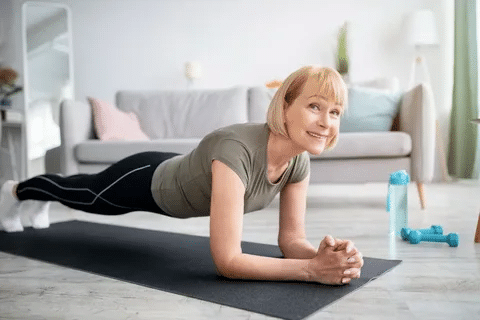
As we get older, keeping our core strength is key to staying independent and avoiding falls. Studies show that one in three adults over 65 falls, showing the need for good exercises that boost balance and stability. Are sit ups for seniors safe? Discover 7 amazing and safe core exercise alternatives designed to strengthen your abs without unnecessary strain.
At Liv Hospital, we know how vital safe and effective core exercises are for older adults. We aim to give a detailed guide to the top core exercises that are safe. These exercises help with everyday tasks like walking, climbing stairs, and getting up from chairs.
By doing low-impact core exercises, seniors can greatly lower the chance of falls and injuries. We’ll look at seven exercises that strengthen the core muscles. These exercises help improve health and well-being.
Key Takeaways
- Core strength is essential for maintaining independence and preventing falls in seniors.
- Low-impact core exercises can significantly enhance balance and stability.
- Effective core exercises can improve daily activities such as walking and climbing stairs.
- Liv Hospital provides a detailed guide to safe and effective core exercises for older adults.
- Strengthening core muscles reduces the risk of falls and related injuries.
Why Core Strength Matters for Seniors
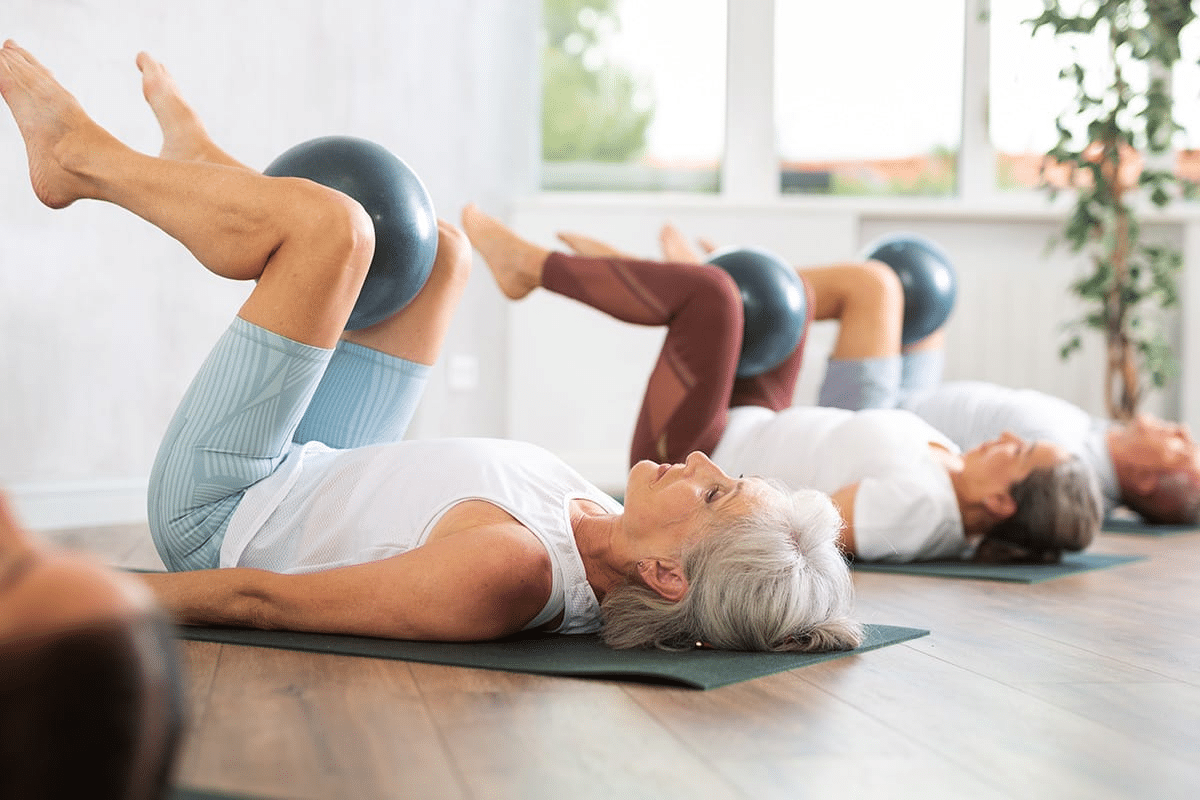
Core strength is key for seniors’ health. It helps with balance, posture, and physical function as we age. A strong core is vital for seniors to stay independent and safe.
The Science Behind Age-Related Muscle Loss
As we age, we naturally lose muscle, a condition called sarcopenia. But, regular exercise, like core strengthening, can slow this down. Studies show that core exercises can improve stability and reduce fall risks.
Exercise can also boost strength by up to 30 percent in older adults. This makes core exercises a must for seniors’ fitness routines.
Muscle loss affects physical function, making daily tasks harder. Understanding sarcopenia and core strength’s role helps us see why keeping muscle is important through exercise.
How Core Strength Impacts Daily Activities
Core strength is essential for daily tasks. It helps with bending, lifting, walking, and balance. A strong core reduces injury risks and boosts functional ability.
- Improved Balance: Core strength helps maintain balance, reducing the risk of falls.
- Better Posture: A strong core supports good posture, decreasing the strain on other parts of the body.
- Enhanced Functional Independence: By maintaining core strength, seniors can continue to perform daily tasks without assistance.
Seniors can improve their quality of life by adding core exercises to their routine. It’s never too late to start. With the right guidance, older adults can safely enhance their core strength and health.
Understanding the Aging Core: Changes and Challenges
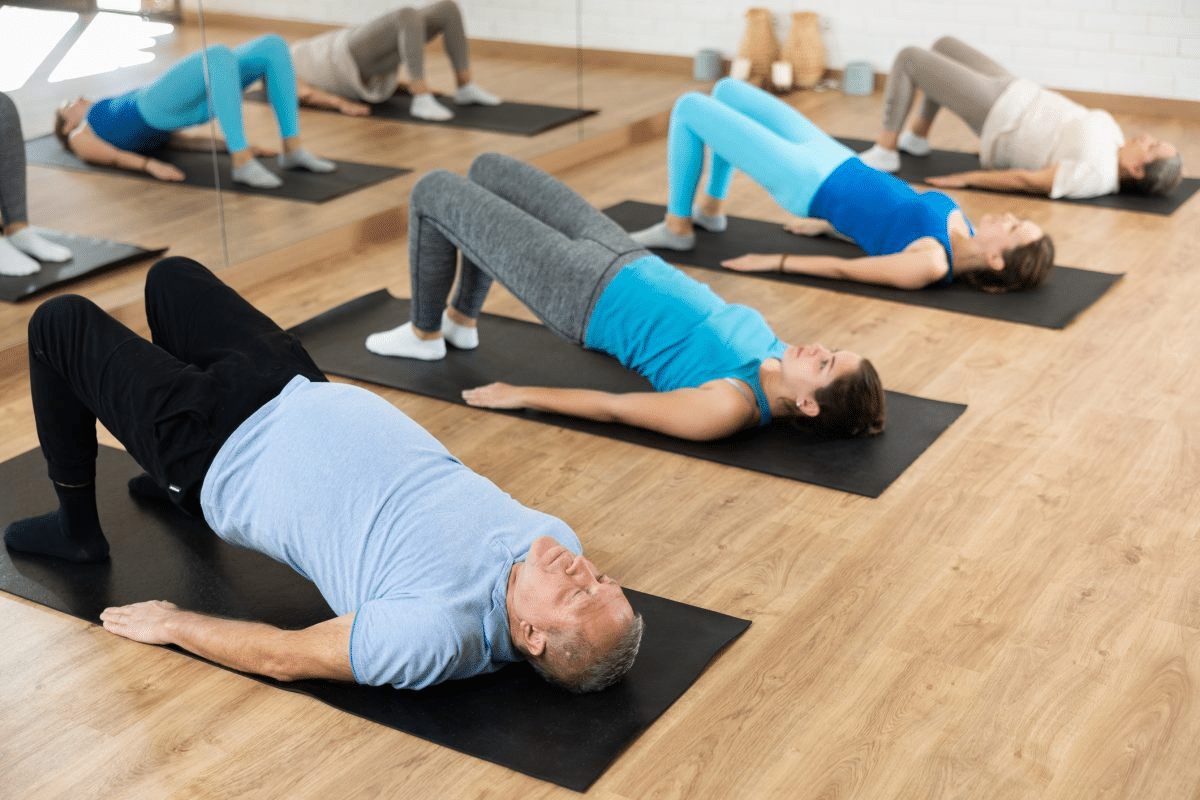
As we get older, our core muscles change a lot. These muscles, like the ones in our belly and back, help us stay balanced and move easily. Knowing how they change helps us keep them strong as we age.
Sarcopenia: The Natural Decline in Muscle Mass
Sarcopenia is when our muscles start to shrink and get weaker. It starts in our 40s and gets worse with time. This makes our core muscles weaker, affecting our balance and stability. It happens because we move less, our hormones change, and we don’t eat right.
For people over 60, it’s key to work on their core. Doing core exercises for elderly folks can slow down muscle loss. It helps keep muscles strong and healthy.
Postural Changes and Their Impact on Core Function
As we age, our posture changes too. We might lean forward or our back might curve more. This can make our core muscles work less efficiently, leading to poor posture and a higher risk of falls.
These changes make simple tasks harder. Core strengthening exercises for over 50 can help. They make our spine stronger and improve our balance.
Understanding how our core changes with age is key. It helps us see why keeping our core strong is so important. We can do this with the right exercises and lifestyle changes.
The Benefits of Regular Core Training for Older Adults
Core workouts can greatly improve life for seniors. They help with balance, posture, and staying independent. As we get older, our core strength goes down, making daily tasks harder. Regular core training can help with this.
Improved Balance and Fall Prevention
Core training boosts balance. A strong core keeps the body steady, lowering fall risks. Falls are a big worry for older adults, causing serious injuries. Core exercises can greatly lower fall risks.
- Core exercises improve how well you sense your body’s position and movement.
- Stronger core muscles mean better stability overall.
- Regular training also improves how quickly you can react, helping prevent falls.
Better Posture and Reduced Back Pain
Core strength is key for better posture and less back pain. The core muscles support the spine. Weak muscles can cause poor posture and back strain. Strengthening the core can improve posture and lessen back pain.
Core exercises can also help with back pain by supporting the spine better. This is very important for seniors, as back pain can really affect their life quality.
Enhanced Functional Independence
Regular core training boosts functional independence. A strong core lets older adults do daily tasks like walking and lifting easily. This independence is key for staying healthy and happy.
Core strength helps seniors enjoy activities without back pain or balance issues. It supports an active lifestyle, which is important for both body and mind.
Safety First: Core Training Guidelines for Older Adults
Core exercises are great for older adults, but safety comes first. As we age, our bodies change, affecting our core strength and balance. Proper core training at low to moderate intensity is essential for safety and effectiveness. Here are some tips for older adults to safely do core exercises.
When to Consult Your Doctor Before Starting
It’s important to talk to your doctor before starting any exercise program, including core exercises. Certain medical conditions, such as osteoporosis or recent injuries, may require special considerations. Your doctor can help you choose safe exercises and make any needed changes based on your health.
- Discuss your medical history and any concerns with your doctor.
- Inform your doctor about your exercise goals and the types of core exercises you’re interested in.
- Ask for recommendations on exercises to avoid or modify based on your health.
Proper Form and Technique Essentials
Experts stress the importance of proper form and technique in core exercises. Using correct form helps prevent injuries and ensures that the intended muscles are engaged effectively. Here are some key points to consider:
- Start with gentle, low-intensity exercises and gradually increase the difficulty as your core strength improves.
- Focus on controlled movements, avoiding rapid or jerky actions.
- Engage your core muscles by drawing your navel towards your spine during exercises.
- Breathe naturally and avoid holding your breath during exercises.
By following these guidelines and consulting with healthcare professionals when necessary, older adults can safely benefit from core strengthening exercises. This improves their stability, balance, and quality of life.
Why Traditional Sit Ups Sit-Ups for Seniors Can Be Problematic
Traditional sit-ups can be tough for seniors because they stress the aging spine. As we get older, our bodies change, making some exercises risky.
One big worry with sit-ups is the strain on the spine. This is a big deal for seniors, as their spines can weaken with age.
The Mechanical Stress on Aging Spines
Sit-ups make you lift your torso from lying down, which puts a lot of pressure on the spine. For older adults, this stress is a big problem. It’s because their bones and spines aren’t as strong as they used to be.
The repeated stress from sit-ups can cause problems like:
- Herniated discs
- Compression fractures
- Worsening of existing spinal conditions
Research-Backed Alternatives for Safer Training
But, there’s good news. Research shows that there are safer exercises for seniors. These exercises work the core muscles without harming the spine.
|
Exercise |
Benefits |
Precautions |
|---|---|---|
|
Modified McGill Curl-Up |
Strengthens core without straining the spine |
Start with lower reps and gradually increase |
|
Bird Dog |
Improves core stability and balance |
Maintain proper spinal alignment |
|
Seated Core Rotations |
Targets obliques without bending or twisting |
Use controlled movements |
By adding these safe exercises to their workouts, seniors can strengthen their core and stay healthy.
Exercise #1: Modified McGill Curl-Up
The Modified McGill Curl-Up is a safe exercise for seniors. It strengthens the core without stressing the back. This is key for older adults with back issues.
Step-by-Step Instructions
To do the Modified McGill Curl-Up right, follow these steps:
- Lie on your back with one leg straight and the other bent at a 90-degree angle.
- Place your hands under your lower back to keep your spine straight.
- Slowly lift your head and shoulders, keeping your lower back pressed into your hands.
- Hold for 3-5 seconds.
- Gently lower your head and shoulders back down.
It’s important to keep the right form to avoid back strain. Move slowly and carefully.
Modifications for Different Fitness Levels
The Modified McGill Curl-Up can be adjusted for different fitness levels:
- Beginners, start with short holds and increase time as you get stronger.
- Advanced, lift your shoulders higher or hold longer.
- If you feel pain, stop right away and talk to a doctor.
Adding the Modified McGill Curl-Up to your workout can boost core strength. It also lowers the chance of falls and injuries.
Exercise #2: Bird Dog for Core Stability
Older adults can greatly benefit from the Bird Dog exercise. It improves core stability and balance. It also helps in achieving better posture and reduces the risk of falls.
Proper Technique and Breathing
To do the Bird Dog exercise right, start on your hands and knees. Make sure your hands are under your shoulders and knees under hips. Lift your right arm and left leg off the ground, keeping them straight.
Hold this for a few seconds, breathing naturally. Then, lower your arm and leg back down without touching the floor. Do the same with the opposite arm and leg. Proper breathing is essential; inhale as you lift, exhale as you lower. Repeat this in a controlled way.
Common Mistakes to Avoid
When doing the Bird Dog exercise, avoid common mistakes. One mistake is allowing the lower back to arch, which strains the spine. Another is lifting the arm or leg too high, which can mess up balance and form.
To get the most out of it, focus on controlled movements. Keep your core stable throughout the exercise.
Exercise #3: Seated Core Rotations
Seated core rotations are great for seniors wanting to strengthen their core without hurting their backs. This exercise is safe because you can do it while sitting. It helps prevent falls that can happen with standing or complex movements. We’ll show you how to do it safely and how to make it harder as you get better.
How to Perform Safely
Start by sitting on a chair with your feet on the floor. Make sure your back is straight and your shoulders are relaxed. Hold your arms in a relaxed way, either at your sides or in front of you.
Slowly turn your torso to one side, keeping your hips facing forward. Hold for a few seconds, then go back to the start. Do the same on the other side. Keep switching sides for as many reps as you want.
Key points to remember:
- Keep your movements slow and controlled.
- Avoid twisting or jerking motions.
- Breathe naturally and avoid holding your breath.
Progression Options as You Get Stronger
When you get better at seated core rotations, try doing more reps or moving faster. But always keep control. You can also use a light weight or resistance band to make it harder.
If you want more of a challenge, try sitting on a stability ball or an armless chair. But make sure you have something stable nearby to prevent falls.
|
Aspect |
Initial Performance |
Progression |
|---|---|---|
|
Repetitions |
Start with 5-10 |
Increase to 15-20 |
|
Speed |
Slow and controlled |
Gradually increase speed while maintaining control |
|
Resistance |
Body weight only |
Add light weights or resistance bands |
|
Seating |
Standard chair |
Stability ball or armless chair for added challenge |
Exercise #4: Standing Side Bends
Standing side bends are a great way to boost core strength without needing any special gear. They focus on the obliques, which are key for rotational strength and stability.
Technique for Maximum Benefit
To do standing side bends right, stand with your feet shoulder-width apart and knees slightly bent. Hold your hands on your hips or a light weight, like a water bottle, at your side. Slowly bend to one side, keeping arms straight, then go back to start. Do the same on the other side.
It’s key to keep your back straight and avoid jerky movements. This helps you get the most out of the exercise.
Using Household Items for Resistance
To make standing side bends harder, use items from home. Holding a filled water bottle or a bag of rice adds weight. You can also wear a backpack with books in it for more challenge.
Start with light weights and add more as you get stronger. This way, you’ll keep improving your core strength.
Adding standing side bends to your workout routine can make your core stronger. It also helps with balance and reduces fall risks. This exercise is great for older adults because it’s done while standing. It boosts stability and mobility.
Exercise #5: Gentle Pelvic Tilts and Bridges
Exercises like pelvic tilts and bridges are great for older adults. They are low-impact and help strengthen the core. They also improve flexibility and support physical stability.
Mastering the Basic Movement
To do a gentle pelvic tilt, lie on your back with knees bent and feet flat. Slowly tilt your pelvis up, then back down. Repeat this motion.
For bridges, start the same way. Lift your hips towards the ceiling, squeezing your glutes and lower back. Then, slowly lower back down.
Key tips: Move slowly and control your movements. Keep your core muscles engaged during the exercise.
Advancing to Bridge Variations
When you get the hang of the basic bridge, try variations. Lift one leg off the ground while bridging. Hold for a few seconds before switching legs.
- Start with single-leg bridges to increase the challenge to your core and improve balance.
- Try holding the bridge position for longer durations to build endurance.
Adding these exercises to your routine will strengthen your core. It will also improve your posture and stability.
Exercise #6: Wall Planks for Beginners
Wall planks are great for older adults wanting to strengthen their core. They’re easier on the wrists and shoulders than floor planks. This makes them perfect for seniors starting out.
Safe Plank Positioning Against a Wall
Stand with your feet shoulder-width apart and about an arm’s length from the wall. Place your hands on the wall at shoulder height. Keep your arms straight and your body straight from head to heels.
Engage your core by pulling your belly button towards your spine. This helps keep your body stable and in the right position.
Gradually Increasing Duration
Start by holding the plank for 20-30 seconds. As you get stronger, increase the time by 10-15 seconds each week. Always listen to your body and don’t push too hard.
|
Week |
Duration |
|---|---|
|
1 |
20-30 seconds |
|
2-3 |
30-45 seconds |
|
4+ |
45-60 seconds or more |
Transitioning to Floor Planks When Ready
When you’re strong enough, try floor planks. Start with your knees on the ground instead of your toes. As you get stronger, move to a full floor plank.
Adding wall planks to your routine boosts your core strength and balance. Be patient and celebrate your progress. It’s all about moving at your own pace.
Exercise #7: Seated Leg Lifts
Seated leg lifts are a simple yet effective exercise for strengthening the core muscles, which is great for older adults. This exercise targets the lower abdominal muscles. These muscles are key for maintaining good posture, balance, and overall core stability.
Proper Execution for Lower Abdominals
To do seated leg lifts right, sit on the edge of a sturdy chair or bench. Hold the edge with your hands for support. Keep your back straight and core muscles tight. Slowly lift one or both legs off the floor, keeping them straight, and hold for a few seconds before lowering them back down.
Tips for Effective Execution:
- Lift your legs slowly and controlledly.
- Keep your core muscles engaged throughout the exercise.
- Avoid holding your breath; breathe naturally.
Adapting for Mobility Limitations
For those with mobility limitations, seated leg lifts can be modified. If lifting both legs is hard, start by lifting one leg at a time. Or, lift your legs only a few inches off the ground and gradually increase the height as your strength improves.
|
Modification |
Description |
Benefit |
|---|---|---|
|
Lifting One Leg |
Lift one leg at a time, keeping the other foot on the floor. |
Reduces strain on the lower back. |
|
Partial Lift |
Lift your legs only a few inches off the ground. |
Builds strength gradually. |
|
Supported Legs |
Use a strap or band under your knees for support. |
Assists in lifting for those with significant mobility issues. |
Incorporating into Your Daily Routine
Seated leg lifts can be easily added to your daily routine. They are a convenient exercise option. You can do them while sitting on a chair at home, in the office, or even while watching TV. Aim to do 2-3 sets of 10-15 repetitions, and gradually increase the number as you build strength and endurance.
Remember, consistency is key to seeing improvements in core strength and overall fitness.
Creating a Complete Core Routine for Seniors
Creating a solid core routine is key for seniors to stay strong and independent. As we age, our core muscles are vital for our health and function. A good core routine boosts balance, lowers fall risks, and makes daily tasks easier.
Sample Weekly Schedule for Beginners
For seniors starting out, a gentle routine is best. Here’s a weekly plan to help beginners:
|
Day |
Exercise |
Sets/Reps |
|---|---|---|
|
Monday |
Modified McGill Curl-Up |
3 sets of 5 reps |
|
Wednesday |
Bird Dog |
3 sets of 5 reps |
|
Friday |
Seated Core Rotations |
3 sets of 10 reps |
This plan lets you train your core three times a week. This allows your muscles to rest and grow stronger. As you get more comfortable, you can do more or harder workouts.
Combining Core Work with Other Exercise Types
A good fitness plan for seniors should mix core exercises, cardio, and strength training. Adding core exercises to your routine boosts fitness and lowers injury risks. You can do core exercises with walking, swimming, or biking for heart health. Strength training also helps build muscle and bones.
“Exercise is a celebration of what your body can do, not a punishment for what you ate.” – Unknown
Adding core exercises to your routine improves balance, posture, and independence. Always talk to your doctor before starting any new exercise.
Tracking Progress: How to Measure Core Strength Improvements
As we do our core exercises, it’s key to track our progress. This helps us stay motivated. It’s also important to measure our core strength to see if our workouts are working.
Functional Tests You Can Do at Home
There are simple tests you can do at home to check your core strength. These tests are easy but very effective in showing how you’re doing.
- Plank Hold: This test checks how long you can hold a plank position.
- Seated Leg Lift: It tests your lower abs by lifting your legs while sitting.
- Standing Side Bend: This test looks at your side core strength by bending to the sides.
- Bird Dog: It checks your core stability and balance in a bird dog position.
Setting Realistic Goals for Your Age
Setting goals that are realistic is key to staying motivated. Think about your age, fitness level, and any health issues when setting goals.
- Begin with small, reachable goals, like holding a plank for 10 seconds longer each week.
- As you get stronger, make your core exercises more challenging.
- Talk to a healthcare expert to make goals that fit your needs and health.
Tracking our progress and setting realistic goals help us on our core strengthening journey. It not only makes us stronger but also boosts our confidence and well-being.
Conclusion: Building a Sustainable Core Routine
Creating a lasting core routine is vital for seniors. It takes consistency and patience to build and keep core strength. Adding the best core exercises for seniors to your daily routine boosts your health and freedom.
Core exercises for seniors are more than just workouts. They help make your life better by becoming a daily habit. The exercises we talked about are safe, work well, and fit easily into your day.
Remember, getting stronger takes time, but keep going and you’ll see big changes. Mixing these exercises with other activities improves balance, lessens back pain, and boosts your ability to do daily tasks.
We urge you to make core exercises a regular part of your life. Adjust the exercises to fit your fitness and health level. A solid core routine leads to a healthier, more active life.
FAQ
What are the best core exercises for seniors?
Seniors should try the Modified McGill Curl-Up, Bird Dog, and seated core rotations. Standing side bends, gentle pelvic tilts, and bridges are also good. Wall planks and seated leg lifts are great too. These exercises are safe and effective for older adults.
Why is core strength important for older adults?
Core strength is key for older adults. It improves balance and reduces fall risks. It also enhances posture and supports functional independence. A strong core helps alleviate back pain and boosts physical stability.
Are traditional sit-ups safe for seniors?
Traditional sit-ups can be risky for seniors because they stress aging spines. We suggest the Modified McGill Curl-Up instead. It’s safer and more effective.
How often should seniors do core exercises?
Seniors can start with 2-3 times a week. As they get more comfortable, they can do more. Always listen to your body and avoid overdoing it.
Can core exercises help prevent falls?
Yes, core exercises can improve balance and stability. This reduces fall risks. The Bird Dog and wall planks are great for balance and core strength.
How do I modify core exercises if I have mobility limitations?
Many exercises can be modified for mobility issues. Seated leg lifts work while seated, and wall planks can be adjusted for strength.
What are some common mistakes to avoid when doing core exercises?
Avoid using wrong form, holding your breath, and overexerting. Focus on proper technique and breathing for best results.
How can I track my progress with core exercises?
Track progress with home tests like balance, posture, and daily task assessments. Set realistic goals based on your age and fitness level.
Can I combine core exercises with other types of exercise?
Yes, mixing core exercises with cardio and strength training is good. It makes a well-rounded fitness routine. This boosts overall fitness and supports long-term health.
How long does it take to see improvements in core strength?
Seeing core strength improvements varies by individual factors like fitness level and exercise consistency. Noticeable changes usually take a few weeks to months.
Are there any specific core exercises for older women or men?
The core exercises we recommend work for both men and women. Some may need modifications based on fitness levels or health. Always check with a healthcare professional.
References
Government Health Resource. Core Exercises: Strengthening Abs & Preventing Falls in Seniors. Retrieved from https://blog.nasm.org/core-training-for-seniors



 Departments
 Related Videos
 Our Doctors
 News
News