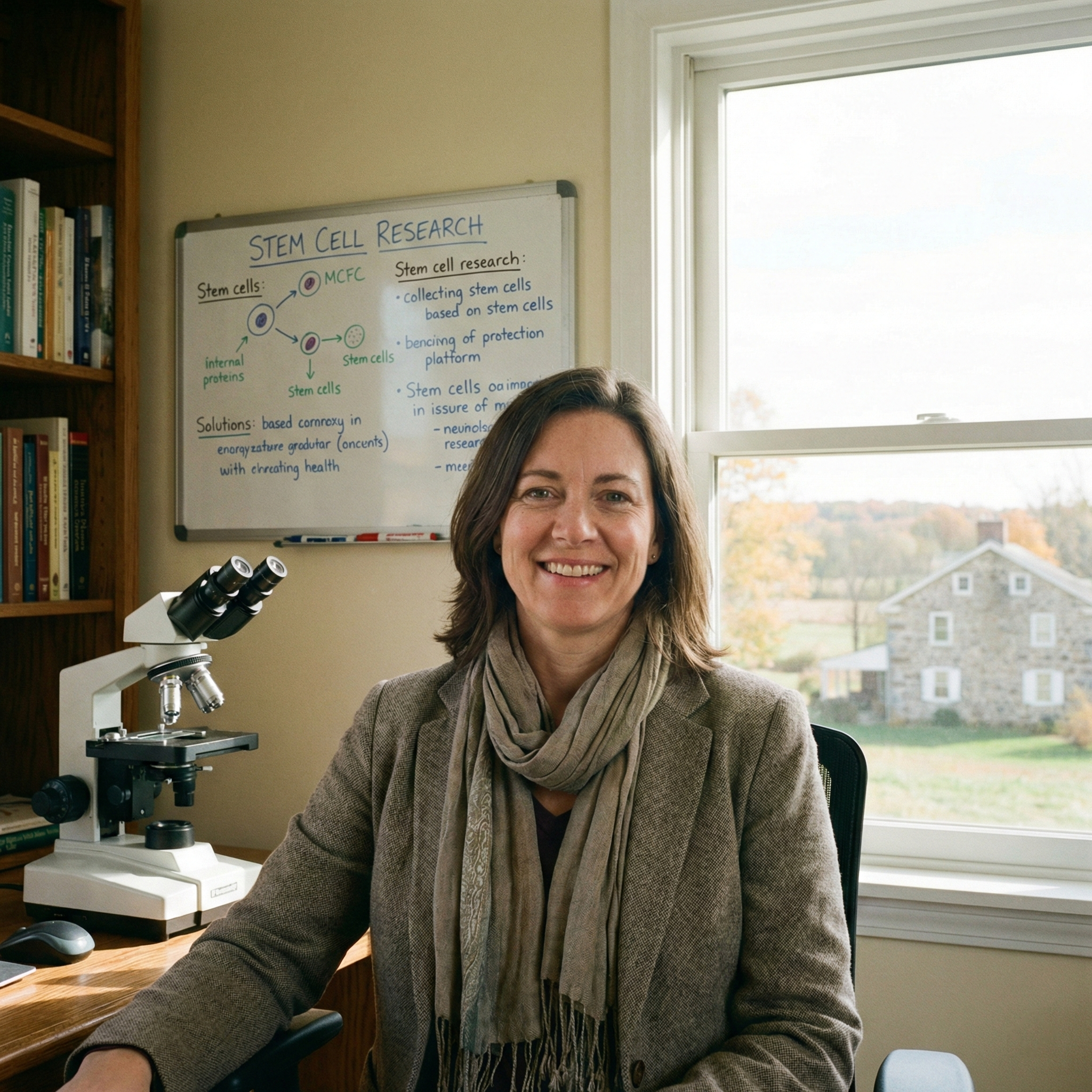
Recent medical research has greatly expanded the use of stem cell therapy. This offers new hope to patients with many serious diseases.
Did you know over 1,500 clinical trials are happening worldwide? They’re looking into how stem cells can treat many medical conditions.
Stem cell treatment is changing healthcare. It’s making new ways to treat diseases that were thought to be untreatable. This includes regenerative medicine and tissue engineering.
Key Takeaways
- Stem cell therapy is being explored for treating various medical conditions.
- Over 1,500 clinical trials are underway worldwide.
- Stem cells have the power to change regenerative medicine.
- Tissue engineering is a promising use of stem cell therapy.
- Stem cell treatment gives new hope to patients with serious diseases.
Understanding Stem Cells: The Building Blocks of Life
Stem cells can turn into different types of cells. They are key in regenerative medicine. This makes them very important for medical research and treatments.
What Makes Stem Cells Unique
Stem cells can grow themselves and turn into special cells. This is why they are so important for growth, fixing tissues, and treating diseases.
Stem cells can change to fit what the body needs. They can become nerve cells, muscle cells, or blood cells, for example. This ability is key in regenerative medicine, where the goal is to fix or replace damaged tissues.
The Regenerative Potencial of Stem Cells
Stem cells have a huge regenerative power. They can help treat many medical conditions. Scientists are working to use stem cells to create new treatments for diseases. For example, they are looking into using stem cells for heart disease, brain disorders, and some cancers.
A well-known scientist says, “The future of medicine is in using stem cells to fix damaged tissues and organs.” This shows how important it is to keep studying stem cells for their healing uses.
“The future of medicine lies in understanding and harnessing the power of stem cells to regenerate damaged tissues and organs.”
In summary, stem cells are a powerful tool in regenerative medicine. They offer new hope for treating many diseases. Their special abilities make them a key area of research, with the chance to change healthcare.
Types of Stem Cells Used in Medical Treatments
Different stem cells are used to treat many medical conditions. Each type of stem cell is used in a special way. This makes treatments more effective.
Embryonic Stem Cells
Embryonic stem cells come from embryos. They can turn into any cell in the body. This makes them very useful for fixing damaged tissues.
Key characteristics of embryonic stem cells include:
- Pluripotency: They can become every type of body cell.
- Self-renewal: They can keep their numbers by dividing.
Adult Stem Cells
Adult stem cells are found in adult bodies. They can’t change into as many types of cells as embryonic stem cells. But, they are important for fixing and keeping tissues healthy.
Adult stem cells are used in various therapies, including:
- Bone marrow transplants for blood cell therapy.
- Tissue engineering for skin and other tissues.
Mesenchymal Stem Cells (MSCs)
Mesenchymal stem cells are a type of adult stem cell. They can turn into bone, cartilage, and fat cells.
MSCs are prized for their:
- Immunomodulatory properties: They can change how the immune system works.
- Ability to support tissue regeneration.
Using these stem cells in medicine shows how versatile and promising stem cell therapy is. It can help with many health problems.
How Stem Cell Treatment Works
It’s important to know how stem cell treatment works. This knowledge helps us see its value in today’s medicine. The process starts with collecting stem cells and ends with delivering them to the body’s target area.
Collection and Processing Methods
There are different ways to collect stem cells, based on the type needed. Embryonic stem cells come from embryos, while adult stem cells are found in bone marrow, fat tissue, or blood. These cells are then grown and expanded in the lab to get enough for treatment.
The lab work is key. It makes sure the stem cells are alive, safe, and ready for use. Scientists use special techniques to keep the cells clean and effective.
Delivery Mechanisms to Target Areas
After processing, the stem cells must reach their target in the body. The method used can affect how well the treatment works. Here are some common ways to deliver stem cells:
- Intravenous infusion: This method puts stem cells into the blood, letting them find their way to the damaged area.
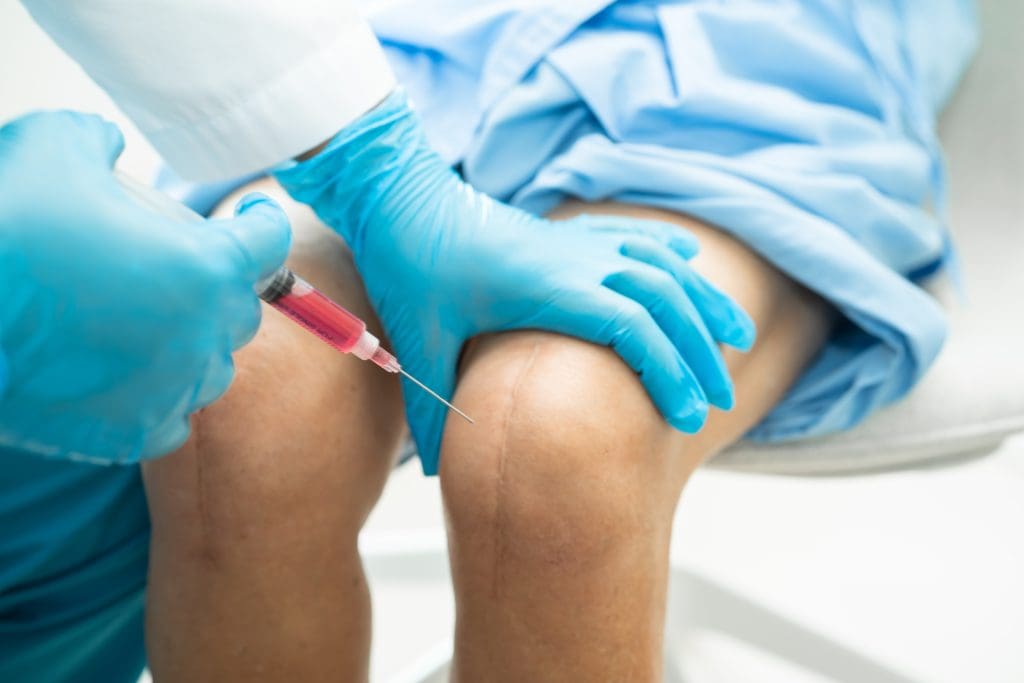
- Direct injection: Stem cells are injected straight into the damaged tissue or organ. This ensures they are where they need to be.
- Surgical implantation: Sometimes, stem cells are placed during surgery. They might be with special materials that help grow new tissue.
The choice of delivery method depends on the disease and the treatment goal. Scientists are always looking to improve these methods to make stem cell therapy even better.
As research improves, we learn more about stem cell treatment. This knowledge helps make treatments more effective and targeted. Stem cell therapy is becoming a big part of medicine, promising to help many diseases and conditions.
FDA-Approved Stem Cell Therapies
FDA-approved stem cell therapies are changing regenerative medicine. They have been tested thoroughly and are safe and effective for certain health issues.
The FDA’s approval of stem cell therapies is a big step forward. Hematopoietic stem cell transplantation and cord blood stem cell treatments are two examples. They have shown great results in treating different diseases.
Hematopoietic Stem Cell Transplantation
Hematopoietic stem cell transplantation is a proven treatment for blood disorders. It uses stem cells to replace the bone marrow, making healthy blood cells. It’s often used for leukemia and lymphoma.
“Hematopoietic stem cell transplantation has revolutionized the treatment of blood cancers, giving patients a chance at remission and better survival rates.”
Cord Blood Stem Cell Treatments
Cord blood stem cell treatments are also promising. Cord blood, full of stem cells, helps treat blood-related issues. It’s available right away, has less risk of disease, and works even without a perfect match.
- Cord blood stem cells are used in transplantation to treat blood disorders.
- They offer a potentially life-saving treatment option for patients with leukemia, lymphoma, and other blood-related diseases.
- The use of cord blood is beneficial when a suitable bone marrow donor is not found.
As research keeps improving, FDA-approved stem cell therapies will likely help more people. They will offer new ways to treat a variety of medical conditions.
Blood Disorders Treated with Stem Cells
Stem cell treatment is changing how we manage blood disorders. It offers new ways to help patients. Blood disorders affect how blood cells are made and work.
Stem cells are getting attention for treating these diseases. Stem cell transplantation replaces bad stem cells with good ones. This helps make normal blood cells.
Leukemia and Lymphoma
Leukemia and lymphoma are common blood cancers treated with stem cells. Leukemia is when white blood cells grow too much in the bone marrow. Lymphoma is when lymphocytes turn cancerous. Stem cell therapy can cure these by getting rid of bad cells and fixing the blood system.
- Allogenic stem cell transplantation uses a donor’s stem cells for leukemia and lymphoma.
- Autologous stem cell transplantation uses the patient’s own stem cells, collected and stored, then given back after chemotherapy.
Aplastic Anemia and Other Blood Disorders
Aplastic anemia is a rare but serious disease where the bone marrow doesn’t make blood cells. Stem cell transplantation is a main treatment for severe cases. Other blood disorders, like myelodysplastic syndromes and some inherited diseases, also benefit from stem cell therapy.
How well stem cell treatment works depends on many things. These include the patient’s health, the disease being treated, and if a good donor is found. Research and new stem cell technologies are making treatments better for these hard-to-treat conditions.
Autoimmune Diseases and Stem Cell Treatment
Stem cell therapy is a new hope for treating autoimmune diseases. These diseases happen when the body’s immune system attacks itself. New research in stem cells is finding ways to treat these conditions.
Stem cell treatment uses stem cells to fix or replace damaged cells. For autoimmune diseases, it tries to fix the immune system. This could stop the disease from getting worse and help the body heal.
Multiple Sclerosis
Multiple sclerosis (MS) is a chronic disease that affects the central nervous system. Researchers are looking into stem cell therapy for MS. It might repair damaged myelin sheaths and improve neurological function. Some patients have seen better symptoms and less disease activity.
Rheumatoid Arthritis
Rheumatoid arthritis (RA) causes inflammation and pain in the joints. Stem cell therapy for RA aims to reduce inflammation and repair tissues. Studies show it can improve joint function and quality of life for RA patients.
Systemic Lupus Erythematosus
Systemic lupus erythematosus (SLE) is a complex disease that can affect many organs. Researchers are exploring stem cell therapy for SLE. It might help modulate the immune system and reduce disease severity. Early results suggest it could benefit patients with severe SLE.
Stem cell therapy for autoimmune diseases is a big step forward in medicine. While more research is needed, the current evidence is promising. It could become a key treatment option for autoimmune conditions.
Neurological Disorders Responding to Stem Cell Therapy
Stem cell research has made big strides in treating neurological conditions. These conditions affect millions and can be very serious. Stem cell therapy might help by fixing or replacing damaged cells.
Parkinson’s Disease
Parkinson’s disease is a condition where dopamine-producing neurons are lost. Stem cell therapy aims to replace these neurons. This could help with symptoms like tremors and stiffness.
Studies show that stem cell-derived dopamine-producing cells can work with the brain’s circuitry. This could improve movement in animal models.
A study in the Journal of Neuroscience found that stem cell-derived dopamine neurons helped rats with Parkinson’s. While this is hopeful, more research is needed for humans.
Alzheimer’s Disease
Alzheimer’s disease affects memory and thinking. Stem cell therapy is being looked at as a treatment. Researchers are studying mesenchymal stem cells (MSCs) to fight inflammation and help the brain heal.
Current Research Status: There are ongoing clinical trials for Alzheimer’s disease. Early results suggest MSCs might slow the disease and improve thinking in some patients.
Spinal Cord Injuries
Spinal cord injuries can lead to paralysis and loss of feeling. Stem cell therapy is being explored to fix damaged spinal cord tissue. Researchers hope to use stem cells to help nerves grow back and improve function.
| Condition | Stem Cell Type | Potential Benefits |
| Parkinson’s Disease | Dopamine-producing stem cells | Improved motor function |
| Alzheimer’s Disease | Mesenchymal Stem Cells (MSCs) | Reduced inflammation, improved cognition |
| Spinal Cord Injuries | Neural Stem Cells | Axonal regeneration, improved sensory and motor function |
In conclusion, stem cell therapy is a promising way to treat neurological disorders. While progress has been made, more research is needed to fully understand its benefits.
Cardiovascular Diseases and Stem Cell Applications
Cardiovascular diseases are a big problem worldwide. They cause a lot of sickness and death. Scientists are looking into new treatments like stem cell therapy. They think stem cells might help fix damaged heart tissue.
Heart Failure
Heart failure means the heart can’t pump enough blood. Stem cell therapy is being tested to fix or replace damaged heart cells. This could make the heart work better. But, how stem cells help is not fully understood yet.
- Stem cells can turn into different types of cells, including heart cells.
- They can help grow new blood vessels in the heart.
- Stem cells might also reduce inflammation and scarring in the heart.
Myocardial Infarction (Heart Attack)
A heart attack happens when blood flow to the heart is blocked. This damages the heart muscle. Stem cell therapy tries to fix this by growing new heart tissue. Researchers are studying if stem cells can safely and effectively treat heart attacks.
Stem cell therapy could offer many benefits for heart health. These include:
- Fixing damaged heart tissue.
- Improving how well the heart works.
- Helping blood flow better.
Even though the early results are encouraging, more research is needed. As scientists learn more, stem cells might play a big role in heart medicine.
Orthopedic Conditions Benefiting from Stem Cells
Stem cells are changing how we treat orthopedic conditions. These conditions affect the bones and muscles, causing pain and making it hard to move. Thanks to stem cell therapy, many people are seeing their quality of life improve.
Osteoarthritis
Osteoarthritis is a disease that wears down the cartilage in joints. This leads to pain and stiffness. Stem cell therapy is being explored as a way to fix this. It uses mesenchymal stem cells (MSCs) to grow new cartilage.
First, MSCs are taken from the patient’s bone marrow or fat. Then, they are processed and injected into the joint. This method has shown great promise in easing pain and improving joint movement.
Cartilage Defects
Cartilage defects are another area where stem cells are making a difference. These defects can cause pain and limit how well you can move. The goal of stem cell therapy is to grow new cartilage and fix the problem.
| Condition | Treatment Approach | Outcome |
| Osteoarthritis | MSCs injection into the joint | Reduced pain, improved joint function |
| Cartilage Defects | Stem cell implantation | Cartilage regeneration, improved mobility |
Using stem cells to treat orthopedic conditions is a big step forward in medicine. As research keeps going, we’ll see even better treatments. This gives hope to people all over the world.
Diabetes and Pancreatic Disorders
Stem cells might help treat diabetes and pancreatic issues. Type 1 diabetes happens when the body attacks and destroys insulin-making cells in the pancreas. New stem cell therapies could help make insulin again and possibly cure the disease.
Type 1 Diabetes Research
Research on type 1 diabetes is moving fast with stem cells. Scientists are working to turn stem cells into insulin-making cells. This could help the body control blood sugar levels again.
Key areas of research include:
- Differentiating stem cells into insulin-producing cells
- Improving the survival and function of transplanted cells
- Developing methods to protect these cells from the immune system
Pancreatic Regeneration Studies
Studies on regrowing the pancreas use stem cells to fix or replace damaged tissue. This includes making new insulin-making cells and fixing other pancreatic functions.
| Research Area | Description | Potential Benefits |
| Beta Cell Regeneration | Using stem cells to create insulin-producing beta cells | Restoration of insulin production, possible cure for type 1 diabetes |
| Pancreatic Tissue Repair | Repairing damaged pancreatic tissue using stem cells | Improved pancreatic function, fewer complications |
| Immunomodulation | Using stem cells to modulate the immune system to prevent beta cell destruction | Stopping type 1 diabetes from getting worse |
Using stem cells to treat diabetes and pancreatic issues is a complex but hopeful area. Ongoing research and trials are key to understanding these therapies’ full promise. They are important for making these treatments available to patients.
Skin Conditions and Wound Healing
Stem cells are changing how we treat skin problems and help wounds heal. They are being studied for their role in improving wound healing and treating different skin issues.
Burns and Severe Wounds
Burns and severe wounds are big challenges in medicine. They can cause a lot of harm and even death. Stem cell therapy is seen as a hopeful solution. It helps grow new tissue and improve wound healing.
Studies show stem cells can help wounds heal faster. They do this by controlling inflammation, helping blood vessels grow, and fixing damaged tissue.
Mesenchymal stem cells (MSCs) are getting a lot of attention. They can turn into different cell types and help the immune system. MSCs have been shown to help wounds close faster, reduce scars, and improve tissue repair.
Skin Disorders and Regenerative Approaches
Skin problems like psoriasis and eczema can really affect a person’s life. Researchers are looking into stem cell therapy as a new way to treat these issues. They want to find ways to fix or replace damaged skin.
Using stem cells in regenerative medicine is a new approach. It aims to fix or replace damaged skin. This could lead to better treatments for skin problems, improving lives and reducing the impact of these conditions.
Eye Diseases Treated with Stem Cells
Stem cell therapy has made big strides in treating eye diseases. These cells can turn into different types, making them a great hope for fixing damaged eyes. This is a big deal for conditions that were thought to be permanent.
The eye is very complex, and diseases can cause serious vision loss or even blindness. Old treatments just manage symptoms, not the real problem. But stem cell therapy tries to fix damaged tissues, which could bring back vision and better life quality for patients.
Macular Degeneration
Macular degeneration is a big problem for older adults, causing vision loss. It happens when the macula, key for central vision, gets damaged. Scientists are looking into stem cells to fix this by regrowing retinal cells and improving vision.
Early studies suggest stem cells might replace damaged retinal cells. These cells are vital for the retina’s health. Now, there are trials to see if this method is safe and works well.
Corneal Regeneration
The cornea is the clear outer layer of the eye. Damage here can lead to vision problems or blindness. Stem cell therapy is a new hope for fixing the cornea by using stem cells to repair or replace damaged tissue.
Research shows mesenchymal stem cells (MSCs) can help the cornea heal. MSCs can turn into cells that help grow back the corneal epithelium, the outer layer of the cornea.
As research keeps moving forward, stem cell therapy might soon be a real option for those with corneal damage or other eye diseases. It could mean better vision and a better life for many.
Emerging Applications in Cancer Treatment
Stem cells are being explored for their role in cancer treatment, focusing on solid tumors. This new approach in cancer treatment brings hope to many patients. It shows promise for treating different types of cancers.
Beyond Blood Cancers: Solid Tumor Approaches
Researchers are looking into how stem cells can target solid tumors. Solid tumors, like those in the breast, lung, and colon, are hard to treat. Stem cell therapies might deliver treatments directly to these tumors.
Key strategies include:
- Using stem cells as carriers for oncolytic viruses that selectively kill cancer cells
- Engineering stem cells to produce anti-tumor cytokines
- Utilizing stem cells to deliver nanoparticles that can target and destroy cancer cells
Immunotherapy Enhancement with Stem Cells
Immunotherapy, which uses the immune system to fight cancer, is getting a boost from stem cells. Stem cells can help improve how well the immune system works against cancer.
Benefits of combining stem cells with immunotherapy:
| Benefit | Description |
| Enhanced Tumor Targeting | Stem cells can be engineered to target specific tumor antigens, improving the efficacy of immunotherapy. |
| Immune Modulation | Stem cells can modulate the immune microenvironment, potentially reducing immune suppression and enhance anti-tumor responses. |
| Personalized Medicine | Patient-derived stem cells can be used to create personalized immunotherapies, tailored to the individual’s specific cancer profile. |
Combining stem cells with immunotherapy is a promising area in cancer treatment. It could lead to more effective and targeted therapies.
Challenges and Limitations of Stem Cell Treatment
Stem cell therapy shows great promise but faces many challenges. The process is complex, from harvesting cells to transplanting them. Each step has its own hurdles.
Scientific and Technical Hurdles
Stem cell therapy is very complex. Cell differentiation and proliferation are key but hard to control. Getting cells to differentiate reliably is a big challenge.
The quality and potency of stem cells can vary a lot. This depends on the cell source, donor age, and how the cells are processed. Keeping cell quality consistent is vital for good treatment results.
Safety Concerns and Side Effects
Safety is a top concern in stem cell therapy. Potential risks include tumor formation, immune rejection, and stem cells differentiating in the wrong way. It’s important to test and monitor carefully to reduce these risks.
There’s also a risk of adverse reactions to the treatment. Patients might experience side effects, from mild to severe. In some cases, these reactions can be very dangerous.
To tackle these challenges, research is ongoing. It aims to improve cell making, find better ways to deliver cells, and understand stem cell biology better. Working together between researchers, doctors, and regulatory groups is key. This collaboration helps move the field forward and ensures treatments are safe and work well.
Ethical Considerations in Stem Cell Therapy
The world of stem cell therapy is filled with complex ethics. Debates rage over embryonic stem cells and the need to keep patients safe. As research grows, it’s key to tackle these ethics to ensure therapies are done right.
Embryonic Stem Cell Controversies
One big debate is about using embryonic stem cells. These cells come from embryos, often from in vitro fertilization that didn’t work. Some see using these cells as wrong because they could be human life. Others believe the benefits of this research are worth it.
There are many views on this. Some think about the moral value of embryos, the good that could come from research, and people’s rights. Groups like ethical committees help make sure research is done right.
Balancing Innovation and Patient Safety
Another big issue is balancing new ideas with keeping patients safe. New treatments need to be tested well and watched closely. But, too much control could slow down new treatments.
Patient safety is key. Patients must know the risks and benefits of treatments. This means being open about the research stage, possible side effects, and other options. Getting clear consent is very important in this field.
Creating rules that help new treatments while keeping patients safe is a big task. It needs teamwork from many groups. This way, we can use stem cell therapy’s promise while keeping ethics high.
Conclusion: The Future of Stem Cell Medicine
The field of stem cell medicine is growing fast. Ongoing research shows great promise for new treatments. Stem cells could help with many diseases, from blood issues to brain problems.
New treatments are coming thanks to stem cell research. The future looks bright for stem cell medicine. With more research, we’ll see better therapies soon.
It’s important to keep patients safe as we move forward. New treatments must be tested well. With careful research, stem cell medicine can bring hope to many.
FAQ
What are the emerging applications of stem cells in cancer treatment?
Stem cells are being explored for cancer treatment. They could target tumors and enhance immunotherapy. Research is ongoing to understand their benefits and limitations in oncology.
Can stem cells be used to treat eye diseases like macular degeneration?
Yes, stem cells are being studied for eye diseases like macular degeneration. They might restore vision by repairing damaged retinal cells.
What is the current state of research on using stem cells for diabetes and pancreatic disorders?
Research is ongoing to use stem cells for type 1 diabetes and pancreatic regeneration. This area is promising but needs more study.
Can stem cells be used to treat orthopedic conditions like osteoarthritis?
Yes, stem cells can help with osteoarthritis and cartilage problems. They can repair tissues, improving joint function and reducing pain.
What are the ethical considerations surrounding stem cell therapy?
Using embryonic stem cells raises ethical questions. But, adult stem cells and iPSCs have reduced these concerns. Research continues to address these issues.
Are there any risks or side effects associated with stem cell treatment?
Stem cell therapy can have risks like immune reactions and infections. The risks depend on the treatment and the patient.
Can stem cells be used to treat cardiovascular diseases?
Yes, stem cells might help with heart failure and heart attacks. They could repair damaged heart tissue and improve heart function.
What are the FDA-approved stem cell therapies?
The FDA has approved stem cell treatments for blood cancers and genetic disorders. These include hematopoietic stem cell transplantation and cord blood stem cell treatments.
How are stem cells collected and processed for treatment?
Stem cells come from bone marrow, blood, and umbilical cord blood. They are processed to make them ready for treatment.
What are the different types of stem cells used in medical treatments?
There are embryonic, adult, and mesenchymal stem cells. Each type is used for different medical needs.
What diseases can be treated with stem cells?
Stem cells help with blood disorders like leukemia. They also treat autoimmune diseases and neurological issues. This includes multiple sclerosis, rheumatoid arthritis, Parkinson’s disease, and Alzheimer’s disease.
What are stem cells and how do they work?
Stem cells can turn into different types of cells. They help in growth, repair, and healing. They can replace damaged tissues, treating many diseases.



 Departments
 Related Videos
 Our Doctors
 News
News